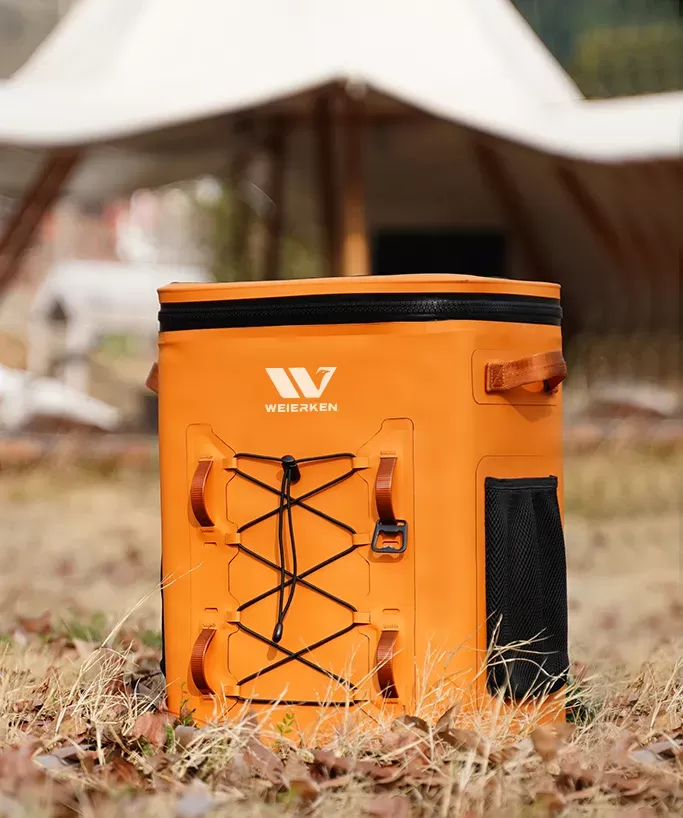

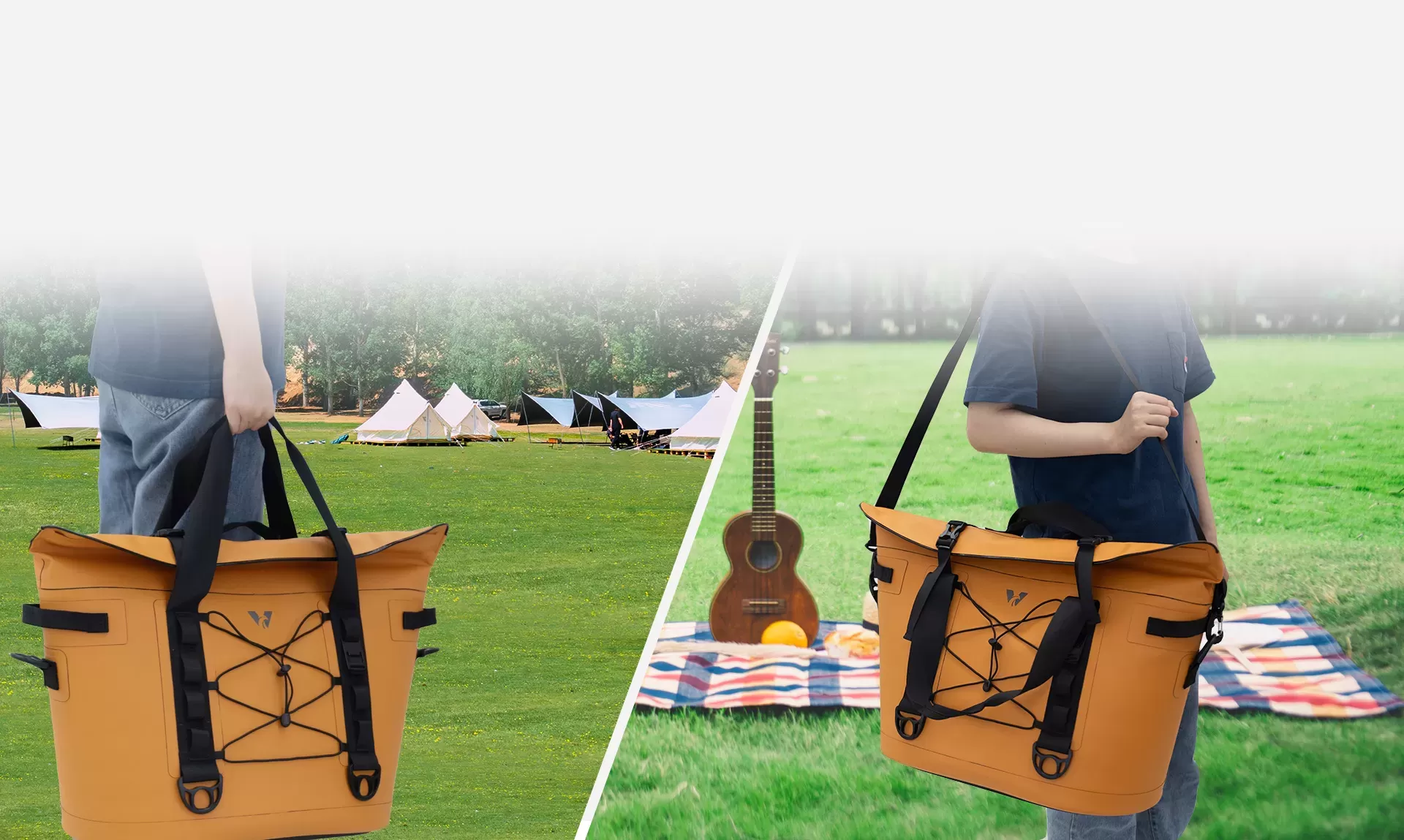
Global demand for premium soft coolers continues to rise. Outdoor brands, equipment importers, and retail founders are actively seeking production partners capable of building heavy-duty thermal gear.
Sourcing teams face significant hurdles when evaluating overseas factories. Selecting an inexperienced supplier often leads to structural seam failures, leaking ice, and long production delays.
Outdoor brands need more than basic cut-and-sew assembly plants. Partnering with a specialized China cooler bag manufacturer provides direct access to advanced RF welding tech, rugged material networks, and turnkey product engineering.
At weierken, we deliver end-to-end manufacturing solutions designed specifically for rugged outdoor performance. In this guide, we explore how modern Chinese production hubs help outdoor brands build high-margin, market-leading thermal products.
Why China Remains the Top Hub for Outdoor Soft Coolers
China remains the center of high-performance soft cooler manufacturing. The country's specialized industrial clusters offer distinct structural advantages that other region markets cannot match.
Unrivaled Industrial Clustering
Major bag manufacturing hubs in Guangdong (Dongguan, Shenzhen) and Fujian (Xiamen, Quanzhou) house complete supply chain ecosystems within tightly connected industrial zones.
Factories source heavy-duty TPU fabrics, waterproof airtight zippers, dense rubber foam, and custom hardware from localized vendors. This proximity significantly reduces material transit times and lowers overall production costs.
Advanced Technical Expertise in RF Welding
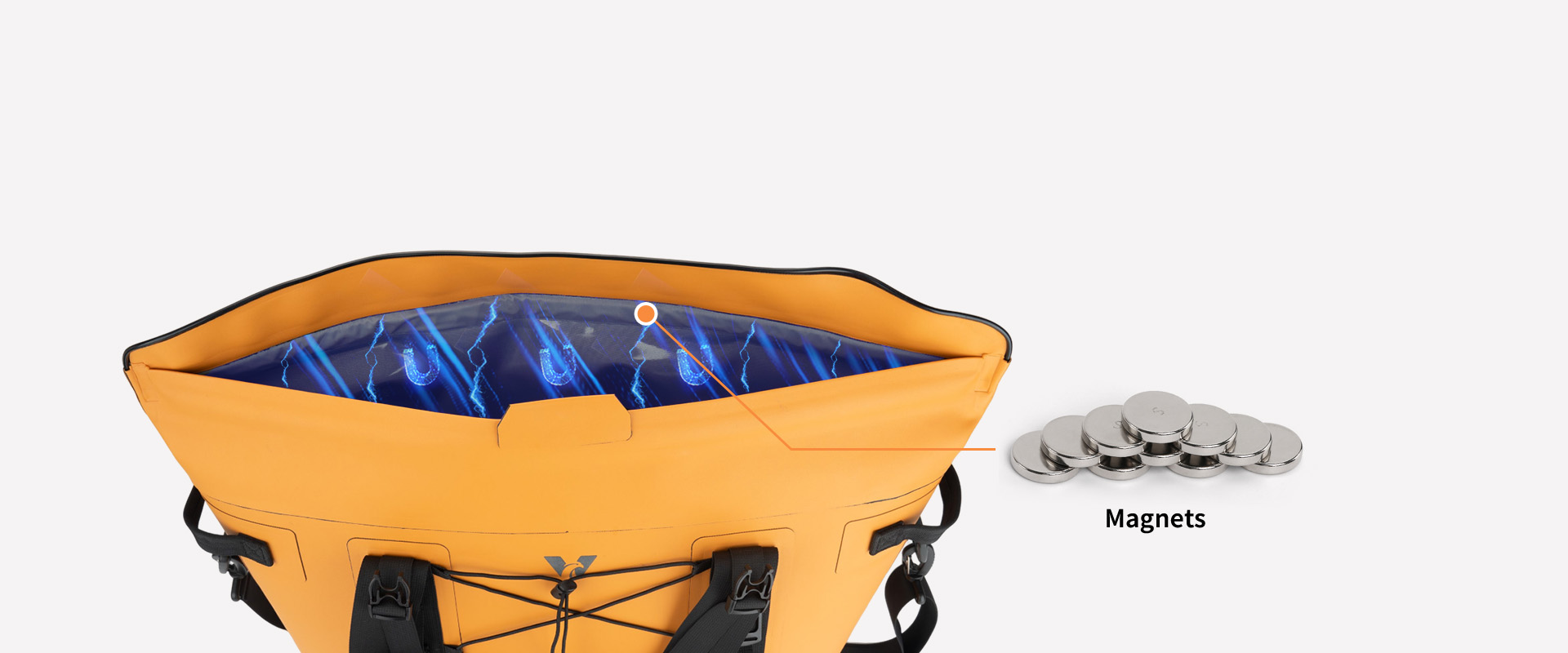
Building leakproof soft coolers requires specialized machinery and highly trained operators. High-frequency Radio Frequency (RF) welding demands precise voltage calibration and fabric handling.
Chinese facilities operate thousands of advanced RF welding setups. Their technicians possess deep practical experience in fusing multi-layer TPU composites without scorching outer coatings.
Scalability and Rapid Prototyping
Product lifecycles move quickly in the outdoor industry. Chinese manufacturing partners offer rapid sample development and flexible capacity scaling to support both seasonal sales spikes and smaller trial orders.
4 Core Manufacturer Solutions for Outdoor Brands
Leading suppliers have evolved far beyond simple contract assembly. They deliver full-stack technical solutions that streamline every stage of product development.
1. Material and Structural Innovation
Outdoor gear must withstand rough terrain, sharp rocks, and intense solar exposure. Top manufacturers engineer composite material builds tailored to harsh wilderness environments:
Heavy-Duty Outer Shells: Laminated 840D or 420D TPU nylon offering high tear resistance and UV protection.
Molded EVA Bases: Compression-molded EVA bottom bases that shield the bag from mud, rocks, and water while providing self-standing stability.
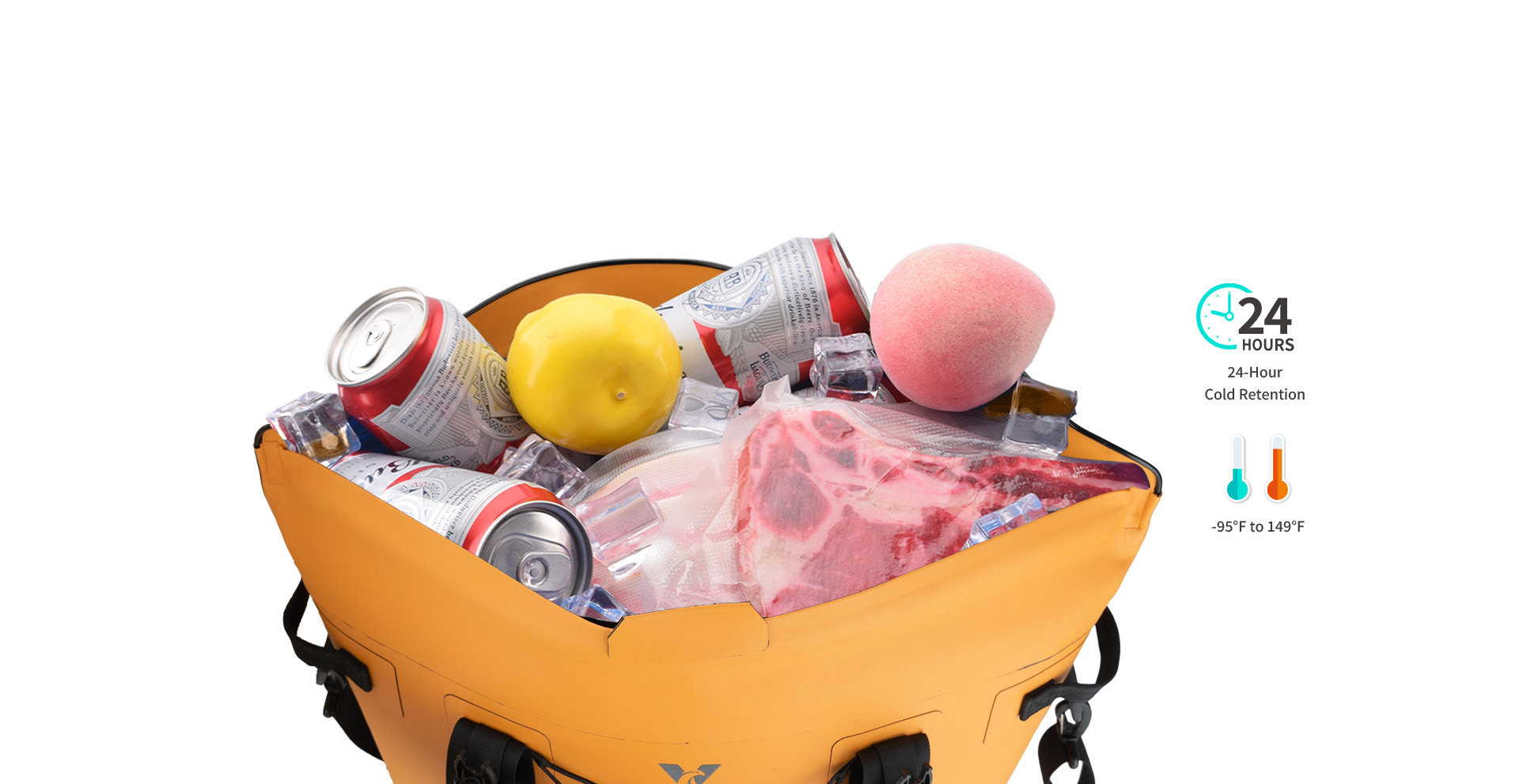
Closed-Cell NBR Foam: Premium rubber insulation foam that maintains thermal retention without absorbing interior moisture.
2. Concept-to-Product R&D Support
Turning a rough design sketch into a factory-ready product requires structural engineering expertise. Experienced development teams review customer Tech Packs to optimize seams and reduce material waste.
Suppliers convert digital renders into physical 3D patterns quickly. Prototype turnaround times typically range from 7 to 10 days, helping outdoor brands shorten their total time-to-market.
3. Sustainability and ESG Compliance Solutions
Modern consumers actively choose brands committed to environmental protection. Premium factories offer fully certified eco-friendly material pipelines:
GRS-certified RPET (Recycled Polyethylene Terephthalate) outer fabrics made from recycled water bottles.
PFC-free DWR (Durable Water Repellent) surface treatments that eliminate harmful fluorocarbons.
Non-toxic, phthalate-free TPU and PEVA food-contact inner liners.
4. Outdoor-Grade Quality Control Protocols
A reliable China cooler bag manufacturer uses rigorous internal testing protocols to verify product quality before shipping bulk orders.
Internal test procedures at facilities like weierken include 72-hour ice retention testing inside climate-controlled heat chambers, IPX7 submersion leak testing, and dynamic strap load-drop testing up to 30kg.
Mitigating Risks in China Sourcing
Navigating international manufacturing requires clear risk-management strategies. Implementing these three safeguards protects your intellectual property and profit margins.
Protecting Intellectual Property with NNN Agreements
Standard Western NDAs are often difficult to enforce in foreign courts. Always execute a legally binding NNN (Non-disclosure, Non-use, Non-circumvention) agreement governed by Chinese law before sharing detailed Tech Packs or proprietary CAD files.
Distinguishing Real Manufacturers from Trading Companies
Middlemen trading firms often pose as direct factories online. Verify a vendor's actual production capabilities before transferring tooling or sample deposits.
Request a live video tour focused specifically on the high-frequency welding workshop and raw material storage areas.
Ask for verified third-party audit reports, such as BSCI, SEDEX, or ISO9001 certificates issued in the factory's legal name.
Inquire about the exact number of RF welding machines and laser cutting tables currently operating on the factory floor.
Tariff Management and Logistics Planning
Work with manufacturers experienced in global shipping logistics. Top suppliers assist with DDP (Delivered Duty Paid) shipping directly to Amazon FBA or regional fulfillment centers.
Some advanced producers also offer flexible dual-sourcing options, using secondary assembly facilities in Southeast Asia to help brands navigate changing international trade tariffs.
Real-World Case Study: Overcoming Base Leakage and Thermal Loss
A fast-growing European outdoor brand was struggling with high return rates on their soft cooler product line. Their previous supplier used stitched construction taped with thin PEVA film, causing water to seep through the base seams after a few hours of use.
The brand partnered with a professional Chinese OEM facility to overhaul their structural design. The engineering team recommended replacing the sewn bottom with a 100% RF-welded TPU shell paired with a compression-molded EVA base.
They also upgraded the insulation layer from 10mm EPE foam to 20mm high-density NBR closed-cell rubber foam. The revised design achieved impressive results:
Ice retention duration increased from 24 hours to over 60 hours in warm testing environments.
Product return rates dropped from 8.5% down to less than 0.2% within the first six months.
The brand successfully launched its upgraded product across 120 retail locations with improved profit margins.
Choosing the Right Manufacturing Partner
Selecting the right production partner is the most critical supply chain decision an outdoor brand will make. The ideal supplier serves as an active technical partner rather than just an order taker.
By prioritizing factory expertise in RF welding technology, eco-friendly TPU materials, and structured quality testing, you position your brand for sustainable, long-term market growth.
At weierken, we bring decades of technical bag manufacturing experience, advanced heat-sealing equipment, and strict quality control standards to every OEM and ODM project.
Launch Your Outdoor Cooler Line with Confidence
Are you ready to develop a custom outdoor soft cooler line, resolve quality control issues, or switch to sustainable GRS-certified recycled fabrics?
Our experienced engineering team is ready to review your technical specs, provide fabric samples, and build retail-ready prototypes tailored to your brand's requirements.
Ready to start your production journey? Request a custom quote or schedule an OEM consultation with our technical specialists today!
Frequently Asked Questions (FAQ)
1. Why is a China cooler bag manufacturer better suited for soft coolers than domestic sewing shops?
Chinese manufacturers offer integrated supply chains that source TPU fabrics, watertight zippers, and molded EVA bases locally at competitive costs. They also maintain extensive high-frequency RF welding setups that standard domestic cut-and-sew factories rarely possess.
2. What is the typical sample turnaround time for custom cooler bags in China?
Standard custom sample development takes between 7 and 10 business days. If your product requires custom-extruded TPU fabric colors or specialized compression molds for EVA bases, sample creation may take 15 to 20 days.
3. How do I ensure my custom product designs remain protected in China?
Before sharing proprietary CAD files or Tech Packs, sign a comprehensive NNN (Non-disclosure, Non-use, Non-circumvention) agreement written in Chinese and governed by Chinese courts. Working with established, audit-certified factories also minimizes IP risks.
4. What certifications should I request from a Chinese cooler bag factory?
Look for corporate management certifications like ISO9001 and social compliance audits such as BSCI or SEDEX. For food contact safety, request FDA, LFGB, REACH, or RoHS compliance testing for all interior lining materials.
5. What is the difference between an OEM and ODM service arrangement?
OEM (Original Equipment Manufacturer) means the factory builds products strictly according to your provided Tech Pack and design specifications. ODM (Original Design Manufacturer) means the factory provides pre-engineered product designs that you can brand with your custom logo and colorways.
6. Can Chinese cooler bag factories supply fully sustainable, eco-friendly materials?
Yes. Top Chinese suppliers maintain reliable pipelines for GRS-certified RPET fabrics, biodegradable TPU films, organic cotton canvases, and PFC-free water-repellent surface coatings that meet strict international environmental standards.