

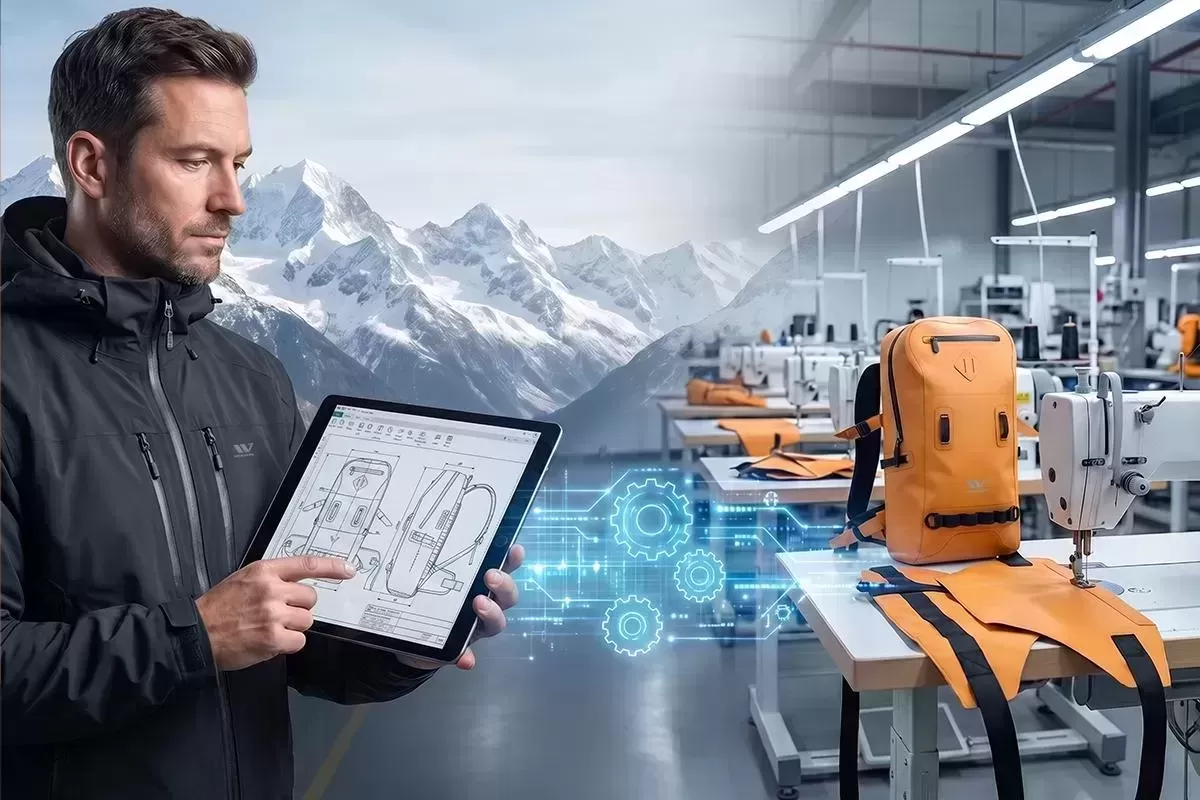
Many brands fall into a common trap when sourcing custom bags: they choose their partner based solely on the lowest price. While keeping costs low is important, choosing a factory based only on a cheap unit price often leads to hidden issues later on. You might face delayed shipments, inconsistent stitching, or cheap materials that fail in the field.
Finding a reliable OEM manufacturer is not about finding the cheapest bid. Instead, you need to find a partner whose technical expertise, communication style, and quality control systems match your brand's standards.
Whether you need technical outdoor packs or everyday travel bags, choosing the right partner requires a systematic approach. Companies like Weierken focus on manufacturing transparency and clear engineering communication, helping brands avoid the typical pitfalls of custom production.
How to Evaluate a Custom Bag OEM Manufacturer: 4 Key Dimensions
To avoid production delays and quality issues, you should evaluate potential partners using structured criteria. Here are four essential areas to analyze before signing a contract with a bag manufacturing factory.
1. Manufacturing Specialization and Equipment
No single factory can produce every type of bag efficiently. Different styles of bags require completely different machinery, labor skills, and production environments.
When sourcing a bag OEM factory, match your product design to the factory’s physical setup:
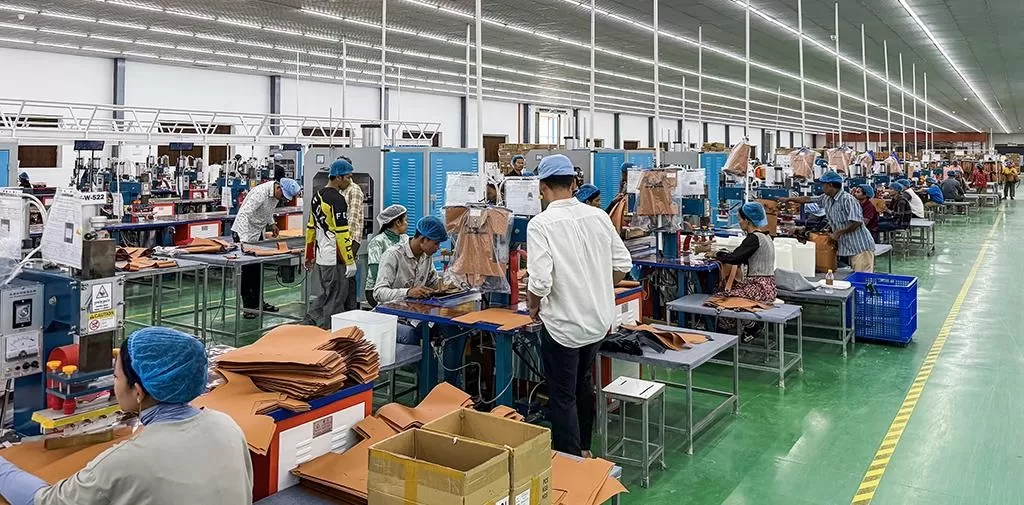
Sewn Bags (Stitched Construction): Best for fashion backpacks, canvas totes, and duffel bags. Look for factories with automated computer sewing machines and dedicated heavy-duty bartacking machines for structural reinforcement.
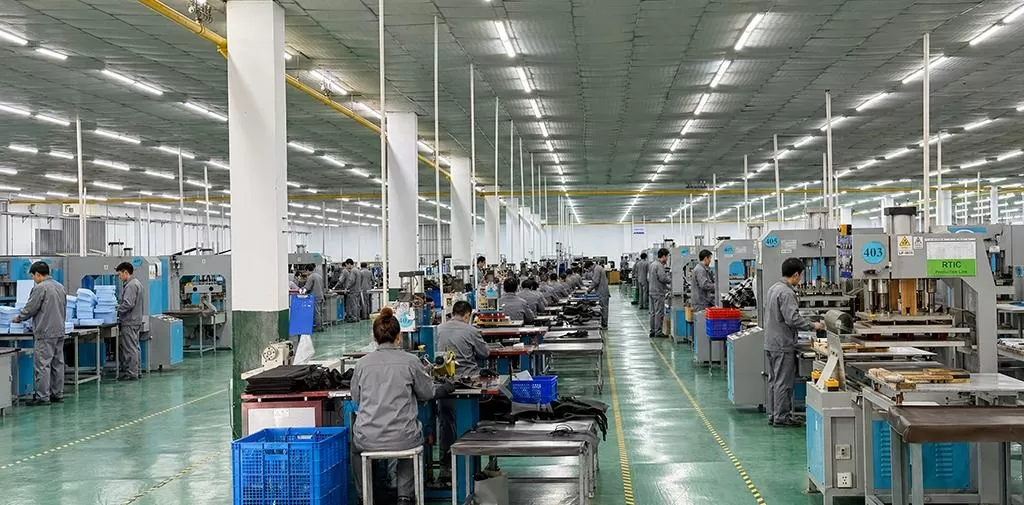
Welded Bags (High-Frequency Welding): Essential for fully waterproof dry bags and bike panniers. This process requires specialized high-frequency (HF) welding machinery to fuse fabrics without needle holes.
Molded Bags (EVA Hot-Pressing): Ideal for protective camera cases and drone housings. The factory must have specialized hydraulic hot-press molding machines and custom molds.
Always ask for a live video walkthrough of the production line. This helps you confirm that the factory actually owns and operates the specialized equipment required for your project.
2. Tech Pack Comprehension and Prototyping
Miscommunication is often the most expensive hidden cost in OEM production. A minor misunderstanding of a technical drawing can ruin an entire production batch.
An experienced OEM manufacturer should understand your backpack oem specification documents immediately. When you send a Tech Pack or Bill of Materials (BOM), watch how the factory’s engineering team responds:
Do they identify potential weak points in the bag's design, such as high-stress areas that need extra reinforcing stitches?
Do they suggest alternative materials to help you stay within your budget without sacrificing performance?
Is their business team able to discuss technical details clearly in English?
The development of a physical counter-sample should take between 5 to 10 working days. Paying for a prototype is an excellent way to test the factory's pattern-making skill and their communication speed before committing to a large order.
3. Supply Chain Depth and Compliance
Raw materials, including fabrics, webbing, zippers, and plastic hardware, make up over 50% of a bag's total production cost. A capable bag manufacturing factory must have strong relationships with raw material suppliers.
If you plan to sell your products in North America or Europe, environmental and social compliance are critical:
Material Standards: Can the factory source certified recycled fabrics (like RPET) with Global Recycled Standard (GRS) scope certificates? Can they provide REACH or OEKO-TEX compliant materials?
Social Responsibility: Does the factory undergo regular third-party audits? Ask to see current BSCI, Sedex, or ISO9001 audit reports.
Working with a compliant factory like Weierken helps protect your brand from import compliance issues and customs delays.
4. Quality Control and Production Transparency
A good pre-production sample is meaningless if the mass-produced goods do not match its quality. You need to verify that the factory uses consistent quality control (QC) procedures.
Ask the factory about their quality assurance systems:
Do they have a dedicated in-line QC team inspecting semi-finished parts during assembly, or do they only check the finished bags?
What is their target Acceptable Quality Limit (AQL) standard for final inspections? (AQL 2.5 is standard for most mid-to-high-end brands).
Do they have simple testing equipment in-house to verify zipper strength, fabric water resistance, and buckle durability?
A reliable factory will welcome third-party inspectors to examine your goods before they ship.
Red Flags to Avoid in Bag OEM Partnerships
When evaluating suppliers, look out for these warning signs. If you notice any of these red flags, it may be best to look elsewhere.
Unannounced Subcontracting
Some trading companies or mid-sized factories accept orders they do not have the capacity to make. They then pass your production to smaller, unverified workshops to cut costs.
This practice often leads to poor quality control, inconsistent stitching, and unexpected delivery delays. Make sure your contract includes a clause that explicitly bans unannounced subcontracting.
Abnormally Low Quotes
If one supplier sends a quote that is 25% lower than everyone else, be cautious. It often means the factory plans to use cheaper, unbranded zippers, thin thread, or lower-grade fabric coatings to make a profit.
Always ask for a detailed breakdown of material costs to ensure you are comparing similar quotes.
Refusal to Provide Material Test Reports
A professional factory should easily be able to get physical test reports from their fabric suppliers. If a factory hesitates or refuses to share density, tensile strength, or waterproof ratings, they may be using unverified materials.
At Weierken, we believe in open communication. We provide clear material specifications and testing data so you know exactly what goes into your products.
Frequently Asked Questions
Q1: How do I evaluate bag manufacturer capabilities before making a deposit?
Start by requesting a paid pre-production sample using your Tech Pack. Evaluate their pattern-making accuracy, communication speed, and willingness to share material certifications. You can also hire a third-party agency to conduct a custom bag supplier audit at their facility.
Q2: What should a complete backpack oem specification sheet include?
A detailed spec sheet should include flat design drawings with exact measurements, a detailed Bill of Materials (BOM) specifying fabric weight and zipper brands, placement details for logos and labels, stitch-per-inch (SPI) requirements, and packaging instructions.
Q3: What is the typical lead time for custom bag oem services?
Generally, prototyping takes 7 to 14 days. Once you approve the sample and pay the deposit, mass production usually takes between 45 to 60 days, depending on fabric availability and the complexity of the bag's design.
Q4: How do I handle a custom bag supplier audit if I cannot travel to the factory?
You can hire a professional inspection company (like SGS, QIMA, or Sofia) to visit the factory for you. They will provide a detailed report on the factory's machinery, workforce, working conditions, and quality management systems.
Q5: Why do raw material certifications matter for European and US markets?
US and European customs authorities enforce strict chemical and environmental regulations. Importing bags with non-compliant plastics or heavy metals can lead to product recalls, fines, and confiscated shipments. Verified certifications protect your business from these risks.
Get a Professional Manufacturing Partner
Finding a reliable OEM manufacturer requires careful research, but the effort pays off in consistent quality and smoother production runs. A true manufacturing partner should act as an extension of your own team.
At Weierken, we focus on technical accuracy and reliable quality control for every project. If you are ready to move your production to a dependable partner, get in touch with our team today to share your specifications and request a quote.