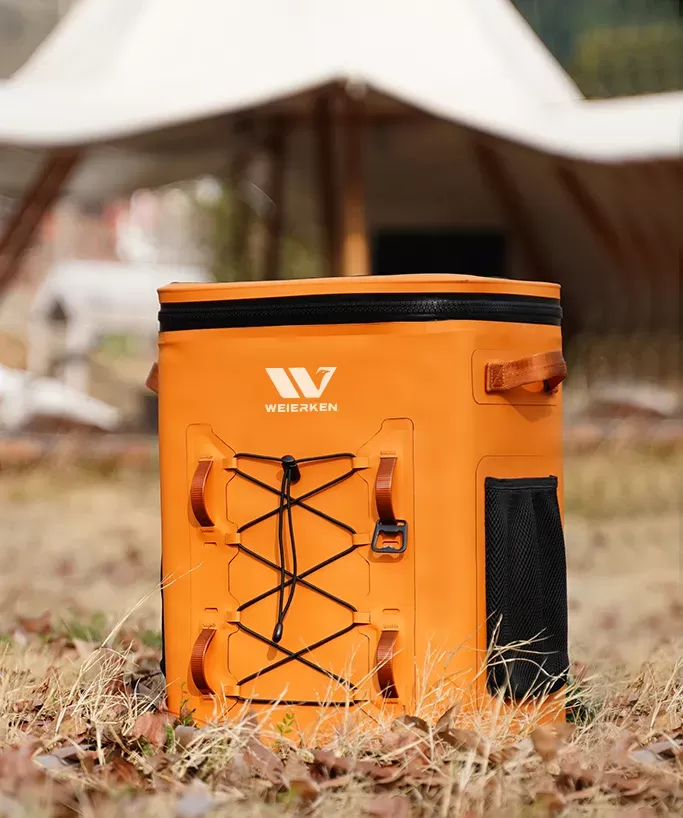

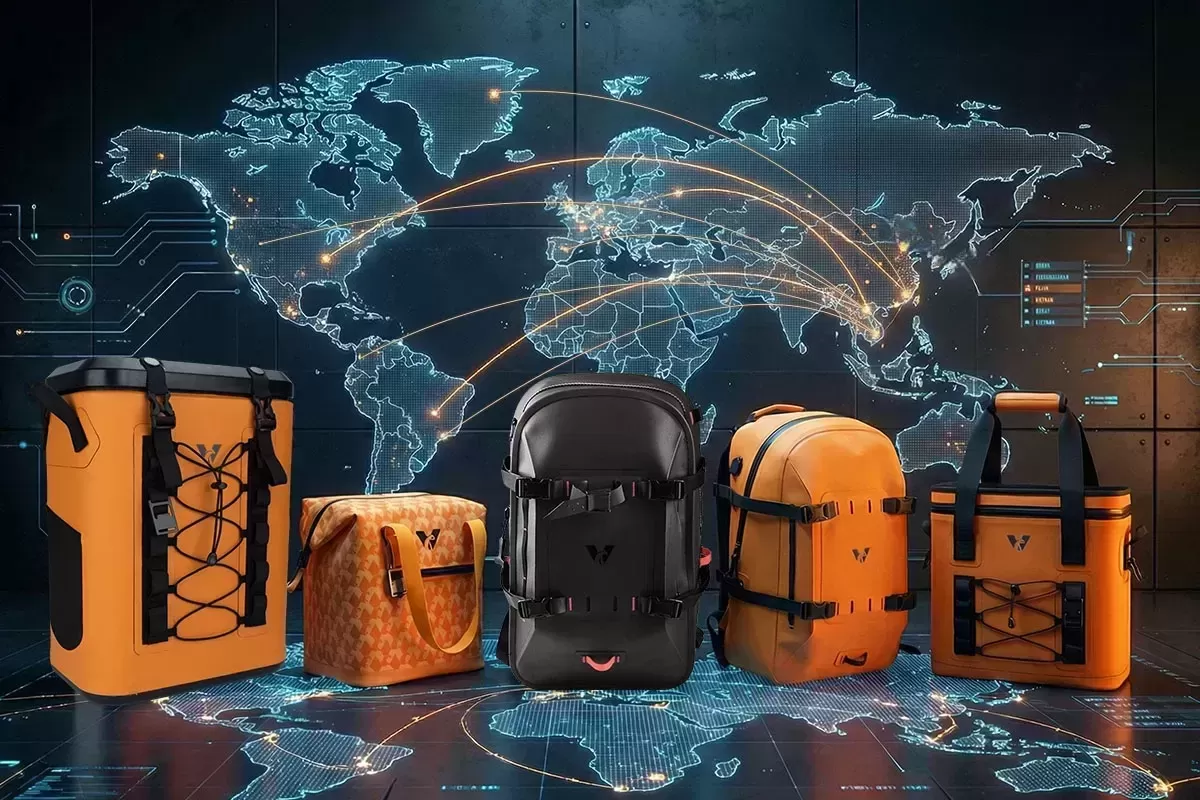
Outdoor gear must withstand harsh conditions. When a hiker climbs a mountain, a torn seam or a broken zipper is more than an inconvenience. It can quickly become a safety hazard. For brand owners, these product failures lead to costly returns and damaged reputations.
To prevent these issues, experienced outdoor bag manufacturers rely on rigorous lab testing. The difference between a standard bag and a high-performance pack lies in the testing phase. Factories like Weierken establish strict quality control protocols to catch weak points before products reach retail shelves.
This article looks at the five core laboratory tests that professional outdoor bag manufacturers use to evaluate and verify product durability.
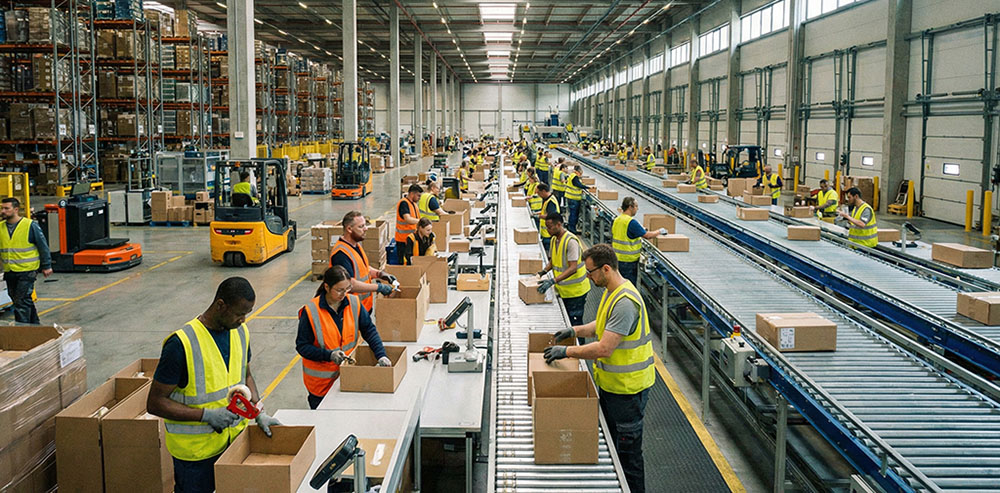
The 5 Core Durability Tests for Outdoor Backpacks
A reliable custom outdoor pack factory does not rely on guesswork. They use specialized machines to simulate years of heavy wear in a matter of days. Here are the five key tests performed in a modern factory laboratory.
1. Handle & Shoulder Strap Jerk Test
The shoulder straps and top handles bear the most concentrated stress during daily use. Users often grab a fully loaded pack by one strap or lift it suddenly. This sudden force can easily rip seams if they are not reinforced properly.
To test this, technicians use a jerk testing machine. They load the backpack with a standard test weight, usually ranging from 15kg to 30kg depending on the bag's capacity.
The Method: The machine clamps the top handle or shoulder straps. It then lifts and drops the bag repeatedly at a set frequency.
The Standard: A high-quality pack typically undergoes 3,000 to 5,000 continuous drops.
The Goal: Technicians inspect the bartack stitching and plastic buckles. There must be no tearing, seam slippage, or buckle deformation after the test.
This test is a critical part of quality control for backpacks, ensuring the load-bearing components remain intact under sudden tension.
2. Fabric Abrasion & Puncture Resistance Test
Outdoor bags regularly scrape against sharp rocks, tree branches, and rough ground. Therefore, outdoor bag manufacturers must carefully select and test materials to ensure they do not wear through quickly.
This test measures how well the fabric resists friction and sharp objects over time.
Martindale Abrasion Test: Technicians place fabric samples in a Martindale tester. A standard abrasive material rubs against the fabric in a continuous circular pattern under constant pressure.
Puncture Testing: A weighted, pointed needle drops from a set height to measure the force required to pierce the fabric.
The Standard: Premium outdoor fabrics should survive over 10,000 friction cycles without developing holes or showing broken yarns.
Testing these material properties allows a custom outdoor pack factory to verify that their raw materials meet real-world performance needs.
3. Hydrostatic Head / Water Column Test
Keeping gear dry is essential during outdoor activities. Rainproof backpacks rely on specialized coatings (such as PU or TPU) and heat-sealed seam tapes to keep water out.
Outdoor bag manufacturers use the hydrostatic head test for gear to measure the water resistance of both the fabric and the sealed seams.
The testing process involves the following steps:
Technicians clamp a piece of coated fabric or a taped seam over a water chamber.
The machine gradually increases the water pressure from below.
The operator monitors the surface and records the pressure level (measured in millimeters of water column) when the third drop of water penetrates the material.
For standard hiking packs, a rating of 1,500mm to 3,000mm is common. Extreme waterproof bags, such as heavy-duty dry bags produced by factories like Weierken, often require ratings exceeding 5,000mm to 10,000mm.
4. Zipper & Buckle Cycle Test
Zippers and plastic buckles are high-use components. If a zipper splits open in the wilderness, the entire bag becomes unusable. Quality control for backpacks must focus on these hardware pieces.
To evaluate these components, laboratories use mechanical arms to test operational lifespans.
Zipper Pull Test: A machine pulls the zipper open and closed under specific tension for 2,000 to 5,000 cycles. The teeth must not separate, and the slider must run smoothly.
Buckle Fatigue Test: Buckles are repeatedly snapped together and pulled apart. This verifies that the plastic retaining arms do not lose their tension.
Low-Temperature Testing: Because plastic can become brittle in winter, buckles are often frozen to -20°C and then drop-tested to ensure they do not crack upon impact.
This systematic verification helps outdoor gear manufacturer QA teams eliminate weak hardware before mass production starts.
5. Salt Spray & UV Weathering Test
Outdoor gear faces environmental exposure from solar radiation and salty coastal air. These elements can degrade fabrics and corrode metal zippers over time.
To simulate years of outdoor exposure, manufacturers use environmental simulation chambers.
Salt Spray Testing: Technicians place metal components (like zipper pullers, D-rings, and rivets) in a sealed chamber. The machine sprays a fine salt-water mist for 48 to 96 hours. Good hardware should show no signs of rust or oxidation.
UV Weathering: Fabric samples are placed under intense ultraviolet lamps while temperature and moisture levels cycle. Technicians check the fabric for color fading and loss of tensile strength.
The Standard: Fabrics should maintain a color fastness rating of Grade 4 or higher on the standard grey scale.
By conducting these environmental tests, experienced outdoor bag manufacturers help brands ensure their products do not fade or fail after a single season of use.
How B2B Buyers Can Evaluate a Factory's Testing Capabilities
When sourcing custom gear, how can you verify that a manufacturer actually performs these tests? Below are three practical steps for B2B buyers to evaluate an outdoor gear manufacturer QA program.
1. Request Calibration and Lab Certification Documents
A factory may show you a room full of testing equipment, but those machines are only useful if they are calibrated correctly. Ask the manufacturer if their lab equipment is regularly audited and calibrated by certified third-party testing organizations, such as SGS, Intertek, or TÜV.
2. Align Your Tech Pack with Clear Testing Standards
Professional outdoor bag manufacturers, including Weierken, work closely with clients during the development stage. You should share your target market standards (such as REACH in Europe or Prop 65 in California) and define your testing expectations in the Tech Pack. A reliable manufacturer will help you adjust material choices to meet those exact performance requirements.
3. Verify Raw Material Traceability
Quality control should start before the fabric is cut. Ask the manufacturer if they require raw material suppliers to provide physical test reports for every batch of fabric. A transparent factory maintains a clear paper trail from yarn production to final assembly.
Frequently Asked Questions About Backpack Durability Testing
Q1: What is a bag tensile strength test?
A bag tensile strength test measures the maximum force a fabric or a seam can withstand before tearing or pulling apart. Technicians use a tensile tester to pull a strip of fabric from both ends until it breaks, recording the force required in Newtons (N).
Q2: Why do some outdoor bags fail waterproof tests even with high-rated fabrics?
Failure often happens at the seams. While the main fabric might have a high water column rating, water can seep through the needle holes made during sewing. To prevent this, manufacturers must apply hot-air seam sealing tape over the interior stitching.
Q3: What are the standard weight loads used during jerk testing?
The test load depends on the intended use of the bag. A small daypack might be loaded with 10kg to 15kg, while a large multi-day backpacking pack is typically tested with 25kg to 30kg to match real-world usage limits.
Q4: How does temperature affect buckle durability?
Standard plastic buckles can become brittle in sub-zero temperatures. High-quality outdoor gear uses premium plastics like POM (polyoxymethylene) or specialized nylon blends that retain flexibility and impact resistance in freezing weather.
Q5: Can a custom outdoor pack factory run customized tests for unique designs?
Yes. Specialized manufacturers can design custom jigs or testing methods for non-standard features, such as hydration bladder compartments, trekking pole attachment loops, or specialized camera inserts.
Partner with an Experienced Manufacturer
Consistently durable outdoor gear requires careful material selection and structured testing protocols. Working with a manufacturer that prioritizes testing helps protect your brand reputation and reduces return rates.
At Weierken, we operate our own testing facilities to ensure our products meet practical performance standards. If you are developing a new line of outdoor packs, contact our team today to learn more about our manufacturing capabilities and request a quote for your project.