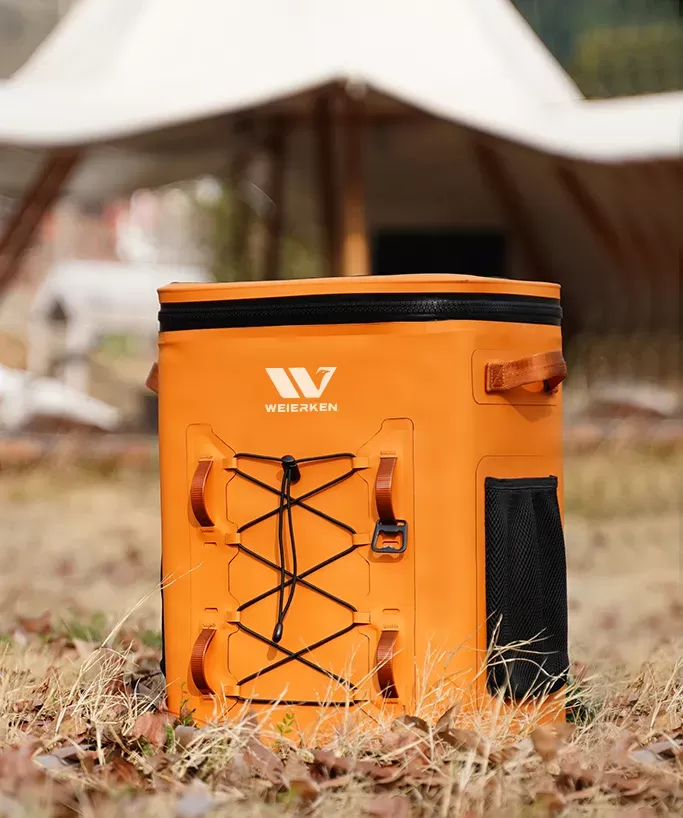

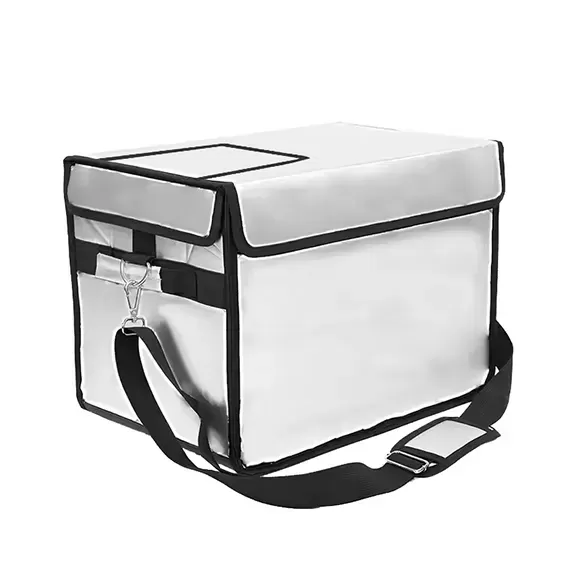
Transporting standard chilled groceries allows for a safe operating window between 2°C and 4°C. Ice cream logistics offers no such cushion. Frozen dairy products and artisanal gelato require continuous sub-zero temperatures, ideally between -15°C and -18°C.
A slight temperature increase ruins the product. Even before an ice cream pint turns to liquid, minor thermal spikes cause micro-melting. When the product refreezes, water molecules separate and form coarse, jagged ice crystals that destroy the smooth mouthfeel and overrun of your product.
The business consequences are severe. Customers demand immediate refunds, delivery platforms face margin-killing chargebacks, and hard-won brand loyalty disappears. Off-the-shelf catering bags cannot solve this problem.
Commercial operations require purpose-built commercial ice cream transport bags designed by an experienced industrial partner. Choosing a specialized manufacturer like Weierken helps ensure your cold chain hardware protects your balance sheet during demanding last-mile deliveries.
This procurement guide highlights the essential design, engineering, and manufacturing benchmarks to look for in a specialized commercial bag factory.
1. Advanced Multi-Layer Insulation Systems
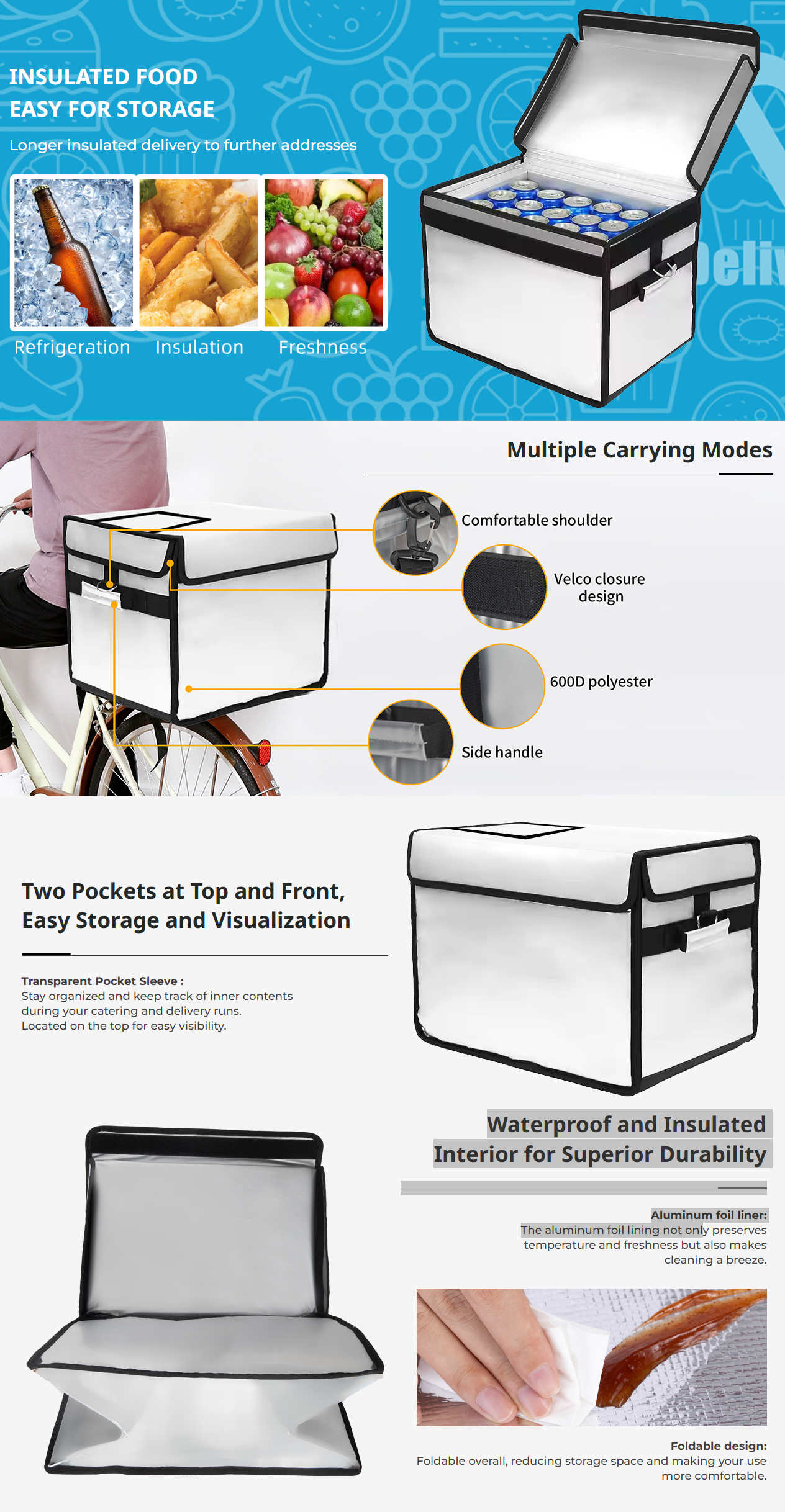
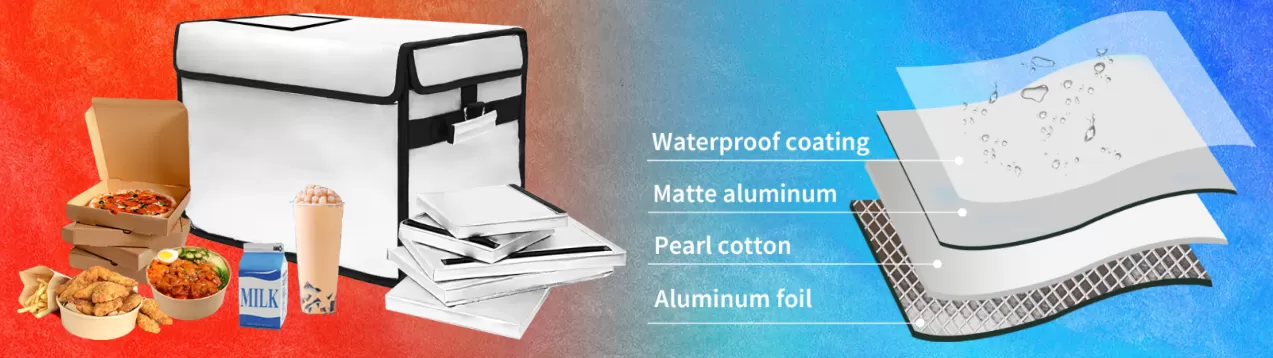
A simple layer of thin expanded polyethylene (EPE) foam wrapped in silver film will fail quickly against harsh midday heat. Sourcing teams must demand engineered insulation stacks built around verified thermal conductivity ($k$-value) ratings.
When vetting a heavy-duty ice cream cooler manufacturer, inspect their core thermal material options:
Vacuum Insulation Panels (VIP): VIPs provide up to five to seven times the thermal performance of traditional foam of the same thickness. Integrating VIP inserts into bag side walls creates a rigid, high-performance barrier that maintains deep sub-zero temperatures for hours.
Silica Aerogel Blankets: For applications where flexibility and lightweight transport matter, aerogel insulation delivers industry-leading thermal resistance in an ultra-thin profile.
Dense Polyurethane (PU) and Closed-Cell EVA: High-density closed-cell foams eliminate conductive pathways. Unlike cheap open-cell materials, closed-cell structures never absorb moisture or compress easily under heavy physical loads.
Infrared Radiant Barriers: Radiant heat from sunlit delivery vehicles penetrates thin outer fabrics. Premium bags include an internal layer of medical-grade aluminum or metallized polyester film to bounce radiant energy back to the environment.
Ask your OEM insulated bag factory to specify both the exact density and thermal resistance value ($R$-value) for each layer of their proposed insulation stack.
2. Airtight Sealing and Thermal Bridge Elimination
Even the thickest insulation core becomes useless if ambient air leaks into the payload chamber. In thermodynamics, any structural point that allows heat to bypass insulation is a thermal bridge. Standard stitching creates thousands of these bridges through every single needle puncture.
Look for bag factories with proven expertise in airtight construction methods:
Radio Frequency (RF) and Ultrasonic Welding: High-end factories weld seams using high-frequency dielectric energy rather than needles and thread. This fuses thermoplastic polyurethane (TPU) sheets into a single hermetic, liquid-proof barrier.
Airtight and Water-Repellent Zippers: Standard coil zippers allow continuous convection of warm ambient air. Commercial ice cream transport bags should feature rubber-sealed, airtight tooth zippers or wide compression gaskets that block airflow.
Insulated Thermal Baffles: A well-designed bag features internal padded flaps that seal directly behind the zipper track. When you zip the bag shut, these baffles squeeze together, blocking hot air from drafting through the zipper teeth.
At Weierken, engineers run pressurized leak tests on welded liners to ensure zero convective airflow through seam lines and closures.
3. Sub-Zero Liner Resilience and Dry Ice Compatibility
Because thermal bags do not generate cold on their own, holding a sub-zero envelope requires phase change materials (PCMs) or dry ice pellets. However, aggressive cooling mediums introduce severe material challenges.
Dry ice sublimes at an extreme -78.5°C. At this temperature, standard PVC and basic vinyl linings suffer from rapid cold-crack embrittlement. A delivery driver sets a cold brick inside, the lining freezes, and the plastic shatters on the first road bump.
Your custom thermal delivery bags must feature liner materials engineered for continuous sub-zero contact:
Cold-Crack Resistant TPU: High-grade polyether TPU retains flexibility without cracking, even when resting directly against dry ice or -21°C eutectic ice plates.
Food Contact Safety Compliance: Condensation inevitably forms inside delivery bags. Interior liners must be free of phthalates and toxic plasticizers, carrying clean compliance records for FDA 21 CFR or European LFGB food contact standards.
Integrated Coolant Compartments: Cold air sinks, while warm air rises. Professional OEMs build hanging mesh compartments or roof-mounted sleeves for PCMs, driving cold air downward evenly through the frozen dessert containers.
4. Cargo Geometry and Modular Interior Engineering
Ice cream containers come in non-standard shapes: 2.5-gallon wholesale tubs, 5-gallon deep buckets, rectangular Italian Napoli gelato pans, and stacks of retail pints. A loose, hollow bag causes tubs to slide, tip over, and spill during sudden stops.
Look for a manufacturer capable of building custom commercial ice cream transport bags tailored to your exact vessel geometry:
Custom Die-Cut Cavities: Modular foam inserts secure round retail pints or individual cups in place, keeping them upright and stable during transport.
Internal Divider Systems: Sturdy, insulated hook-and-loop partitions let couriers adjust compartment sizes based on order volumes. This prevents dead air space from rapidly degrading the bag's internal temperature.
Reinforced Load-Bearing Floors: Full ice cream tubs carry significant weight. Bags require composite polypropylene (PP) or corrugated resin baseboards to prevent the bottom panel from sagging over time.
5. Last-Mile Commercial Durability and Ergonomics
The daily reality of last-mile delivery is brutal. Couriers squeeze bags into motorbike racks, drop them on rough asphalt, and pull zippers hundreds of times each shift. Aesthetic retail coolers will fall apart within weeks under these conditions.
To reduce your long-term cost of ownership, prioritize heavy-duty industrial specifications:
Abrasion-Resistant Exterior Shells: Insist on 900D, 1200D, or 1680D ballistic Oxford polyester with a durable water-repellent (DWR) coating. Alternatively, heavy-duty 500D PVC tarpaulin offers superior scuff resistance and wipes clean instantly.
Box-X Reinforced Stitching: Handle straps and shoulder anchor points must feature multi-pass Box-X stitching anchored deep into structural webbing, not just the surface fabric.
Fleet Integration Hardware: Commercial bags must secure safely to mopeds, cargo bicycles, or passenger car seats. Look for industrial D-rings, modular quick-release buckles, and base tie-down straps.
Passive Safety and Visibility: Wide, high-visibility prismatic reflective strips protect bike couriers operating in low-light evening delivery hours.
6. Factory Testing Protocols and Quality Certifications
Many trading companies and low-tier factories make bold claims about hold times without empirical data. A reputable melt-proof delivery bags manufacturer backs up every claim with documented lab data.
Before placing a purchase order, evaluate your supplier based on verifiable operational criteria:
Thermal Decay Validation: Does the factory operate walk-in climatic test chambers? They should provide continuous time-temperature graphs showing internal core temperatures across 60, 90, and 120 minutes in 35°C to 40°C ambient conditions.
Load Drop and Handle Fatigue Testing: Reliable manufacturers test handle assemblies using pneumatic pull testers, confirming straps can handle twice their rated payload across thousands of stress cycles.
Audited Quality Control Systems: Verify that the manufacturing site holds ISO 9001 certification for quality management and BSCI or Sedex social compliance audits for ethical factory practices.
Peak Season Production Capacity: Ice cream logistics spikes during late spring and summer. Ensure your OEM maintains sufficient production lines and raw material access to scale output without sudden delays.
Frequently Asked Questions
Q1: What makes commercial ice cream transport bags different from standard catering delivery bags?
A1: Standard catering bags are designed for warm foods (60°C) or mild chilling (4°C). They rely on thin, stitched foam that allows continuous airflow. Commercial ice cream transport bags require thick, closed-cell or vacuum insulation, airtight welded seams, cold-crack resistant liners, and dedicated PCM compartments to hold -15°C or lower.
Q2: Can we use dry ice inside custom thermal delivery bags without damaging the lining?
A2: Yes, but only if the manufacturer engineers the inner liner specifically for dry ice. Standard PVC linings become brittle and crack at -78.5°C. Reliable bags must use sub-zero rated polyether TPU or cold-crack treated composite tarpaulin alongside breathable venting to safely relieve sublimating carbon dioxide gas.
Q3: How do you prevent temperature spikes when the bag is opened multiple times on a route?
A3: Multi-drop routes require modular design features. Manufacturers can install secondary interior magnetic flap curtains or independent compartment lids. These barrier walls trap chilled air within unused sections of the bag while the courier accesses an order in another partition.
Q4: What fabric exterior is best for commercial ice cream transport bags on delivery motorbikes?
A4: For outdoor motorbike and scooter fleets, 500D to 1000D PVC tarpaulin or heavy-duty 1680D TPU-coated Oxford polyester is the industry benchmark. Both fabrics provide exceptional tear resistance, block wind and rain completely, and wipe clean easily after messy sugar and dairy spills.
Q5: What is the typical lead time and MOQ when working with an OEM insulated bag factory?
A5: Minimum order quantities (MOQ) typically range between 500 and 1,000 units for fully custom tooling, fabrics, and Pantone-matched branding. Rapid prototyping usually takes 7 to 14 business days, while mass production runs generally ship within 30 to 45 days after final sample approval.
Secure Your Sub-Zero Cold Chain with a Manufacturing Partner
Every melted tub of ice cream costs far more than the raw ingredients inside. It damages customer trust, creates delivery driver friction, and eats into your margins. Sourcing high-performance commercial ice cream transport bags is not an overhead expense—it is an investment in product security and route efficiency.
Weierken builds industrial cold chain transport solutions and heavy-duty insulated delivery equipment for global restaurant brands, fleet distributors, and food producers. Our factory pairs radio-frequency welding technology with advanced thermal insulation composites, delivering certified sub-zero performance in real-world operating conditions.
Are you ready to eliminate delivery melt and reduce product waste? Contact the engineering team at Weierken today to discuss your cold chain payload requirements, review climate-chamber test data, and request a quote for custom-built samples.