

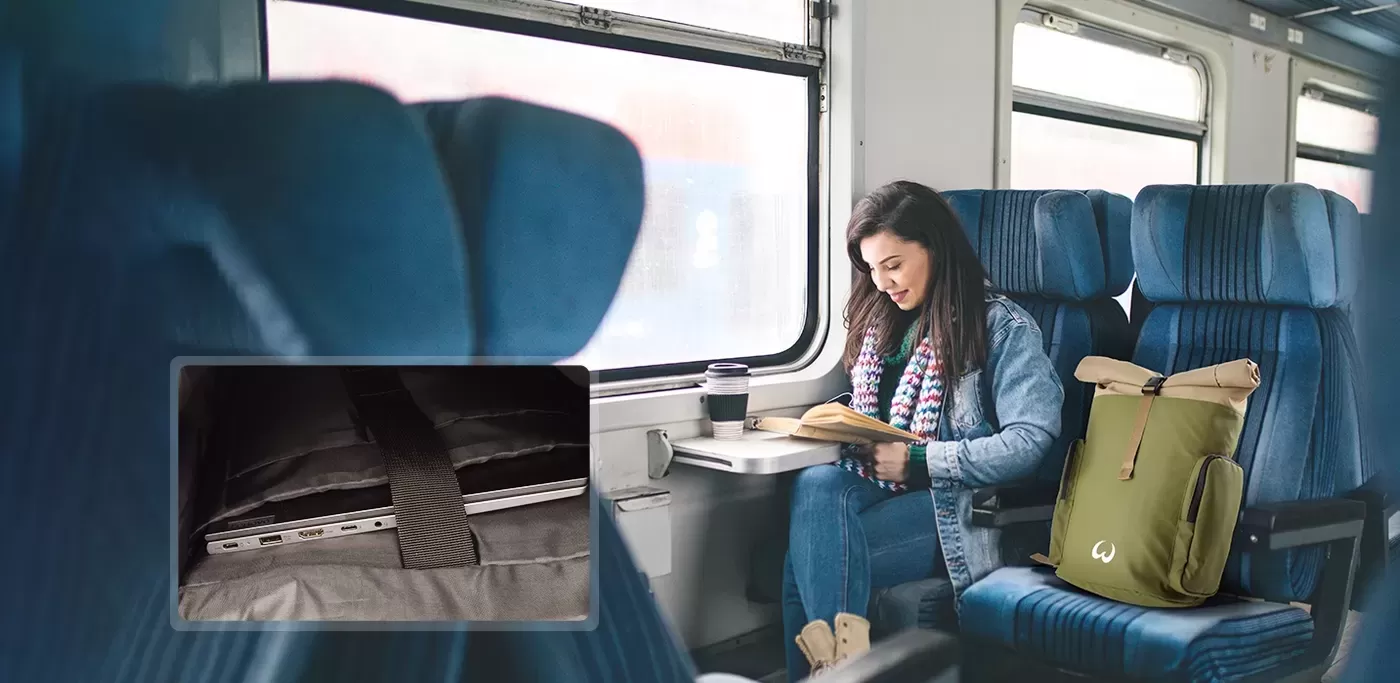
Finding a trusted manufacturing partner involves more than locating a factory with sewing machines. For sourcing managers, brand founders, and procurement specialists, the goal is to secure a partner capable of translating structural science into physical products. A professional ergonomic backpack maker must understand how load distribution impacts human physiology.
Weierken works as a dedicated partner in this sector, helping brands turn complex technical drawings into functional, retail-ready products. In this guide, we examine the production benchmarks, testing methods, and compliance standards that define a top-tier manufacturer.
1. Scientific Ergonomic Design and Testing Standards
An ergonomic backpack is not just a marketing concept. It is a calculated piece of gear engineered to minimize physical strain. Reliable manufacturers rely on biomechanical data rather than aesthetic trends to shape their products.
Load Distribution Systems
The primary task of an ergonomic pack is to shift weight from the delicate shoulder muscles to the stronger pelvic region. Experienced manufacturers focus on several key components:
S-Curve Shoulder Straps: These must follow the natural contour of the human torso to avoid pinching the neck or restricting arm movement.
Load-Lifter Straps: Positioned at a 45-degree angle, these pull the pack closer to the back, preventing the bag from pulling backward.
Structured Hip Belts: A proper load-bearing hip belt uses multi-density foam to grip the pelvis, transferring up to 60% of the total pack weight to the hips.
Adjustable Sternum Straps: These keep the shoulder straps centered, preventing them from slipping off during movement.
Ventilation and Breathability Materials
Heat buildup causes discomfort and fatigue. A professional ergonomic backpack manufacturer designs back panels with recessed air channels. These channels facilitate air circulation using specialized materials:
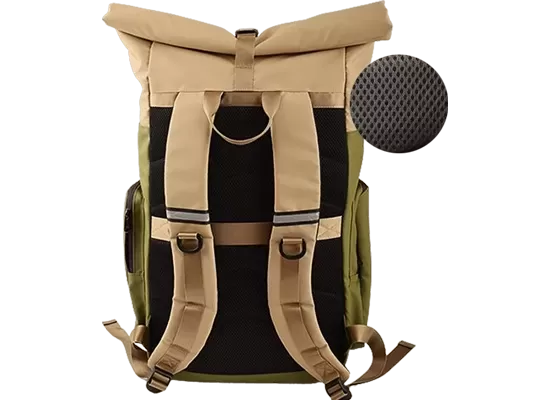
3D Spacer Mesh: This open-weave material provides cushioning while allowing moisture and heat to escape.
Perforated EVA Foam: Used in the back panel and shoulder straps, it offers structural support without blocking airflow.
Professional Ergonomic Testing Setup
A reputable factory does not guess at comfort. They utilize dynamic testing equipment. Standard tests include pressure-mapping sensors placed under the shoulder straps and hip belt to detect hot spots. Manufacturers also use weighted mannequins on walking simulators to analyze how the bag behaves during movement.
2. Premium Raw Materials and Durability Standards
The longevity of an ergonomic backpack depends heavily on material selection. Premium factories maintain strict incoming quality control processes for all raw goods.
High-Performance Fabrics & Eco-Friendly Options
Heavy use requires high-tensile fabrics. Factories typically offer several options depending on the target market:
Nylon and Cordura: Known for high tear strength and abrasion resistance, making them ideal for outdoor and daily commuter packs.
Recycled Polyester (rPET): Brands focusing on sustainable backpack sourcing require Global Recycled Standard (GRS) certified fabrics to prove environmental compliance.
Industrial-Grade Hardware and Accessories
Zippers and buckles are the most common failure points on any bag. A reliable OEM/ODM backpack supplier will only source from verified component brands. They use self-healing YKK zippers and heavy-duty acetal buckles from suppliers like Duraflex or Woojin plastic, which resist cracking in freezing temperatures.
Chemical Compliance and Safety
For global distribution, materials must comply with international safety laws. Raw materials must undergo laboratory screening to verify they are free from harmful substances, adhering to REACH, RoHS, and OEKO-TEX guidelines.
3. Robust Manufacturing Processes and Strict QC Systems
At Weierken, our manufacturing floor relies on standardized production steps to ensure every bag matches the approved golden sample. Consistent assembly is what separates professional factories from low-cost operations.
Precision Craftsmanship and Reinforcement
Ergonomic backpacks carry heavy loads, meaning structural seams are under constant tension. Factories use specific techniques to prevent failures:
Bartack Stitching: High-density zigzag stitches reinforce all critical load-bearing zones, such as where the shoulder straps join the body.
Box-X Stitching: This pattern distributes tension over a wider surface area on webbing attachments.
Bound Interior Seams: Raw fabric edges are wrapped in binding tape to prevent fraying over years of use.
Multi-Stage Quality Control Flow
Quality control is integrated into every phase of the manufacturing line. A standard backpack quality control standards protocol includes three distinct phases:
IQC (Incoming Quality Control): Testing raw fabric batches for colorfastness, water resistance, and tensile strength before cutting.
IPQC (In-Process Quality Control): Line inspectors check sewing accuracy, stitch tension, and alignment at multiple workstations during assembly.
FQC (Final Quality Control): Finished bags undergo 100% cosmetic inspection. Random batches are pulled for detailed auditing using standard AQL 2.5 or AQL 4.0 sampling plans.
Laboratory Physical Performance Testing
A reliable factory must possess an in-house testing lab. Before mass production, prototypes undergo rigorous stress tests. This includes jerking tests to evaluate strap attachment durability, zipper reciprocating tests to check slider wear, and salt spray testing to check metal components for rust resistance.
Our experience with complex designs also allows us to serve as a reliable expandable delivery bag maker, applying these same industrial strength-testing processes to heavy-duty commercial gear.
4. Essential Factory Audits and Compliance Standards
International buyers must protect their brand reputation by choosing compliant suppliers. Factory certifications provide transparent proof of ethical labor and strict management practices.
Quality Management Systems
An ISO 9001 certification confirms that the factory operates under a documented, systematic approach to quality management. This certification ensures that the factory can reproduce products with consistent quality over multiple production runs.
Social Responsibility and Ethical Audits
Modern consumers demand ethical supply chains. Leading brands require their manufacturing partners to pass third-party social compliance audits. The most common certifications include:
BSCI (Business Social Compliance Initiative): Verifies fair wages, safe working conditions, and reasonable working hours.
Sedex (SMETA): Audits labor standards, health and safety, environmental practices, and business ethics.
Working with an SGS/ISO certified backpack factory ensures that your products are manufactured under safe, legal, and humane working conditions.
5. OEM/ODM R&D Collaboration and Supply Chain Flexibility
A successful partnership relies heavily on clear communication and flexible production capabilities. An experienced manufacturer acts as an extension of your own engineering team.
Tech Pack Translation and Prototyping
Sourcing teams often provide concept sketches or basic tech packs. A skilled technical design team can quickly convert these concepts into exact paper patterns and 3D CAD models. This rapid translation shortens the prototyping phase from weeks to days, helping you bring products to market faster.
MOQ and Production Lead Time Management
Large factories often require high Minimum Order Quantities (MOQs). However, flexible manufacturers offer tiered MOQ options for specialized ergonomic products. Standard production lead times typically range from 35 to 45 days after sample approval, depending on fabric availability.
Frequently Asked Questions
How do you verify if an ergonomic backpack maker uses genuine ergonomic designs?
A qualified manufacturer will provide technical documentation, design schematics, and pressure distribution test data. They will also have physical samples available that show functional features like multi-density foam, load-lifters, and contoured internal frames, rather than just basic padding.
What is the standard MOQ for custom B2B backpack manufacturing?
MOQs typically start at 500 to 1,000 pieces per style, depending on the complexity of the design and the availability of custom-colored fabrics. Some factories offer lower MOQs for standard colors using in-stock raw materials.
Can an OEM/ODM backpack supplier help with sustainable material sourcing?
Yes. Experienced suppliers maintain active relationships with certified material mills. They can source Global Recycled Standard (GRS) fabrics, organic cotton, and PFC-free water-repellent coatings to meet your brand's sustainability targets.
How do you handle quality control for complex gear, such as what you do as an expandable delivery bag maker?
Complex items like expandable delivery bags require strict attention to structural integrity. We utilize heavy-duty reinforcement stitches at all stress points, perform load-bearing capacity tests, and put expansion zippers through continuous cycling tests to ensure long-term durability under heavy daily use.
What certifications should a reliable export-oriented bag factory have?
A reputable factory should hold an ISO 9001 quality management certification. For social compliance and ethical manufacturing, look for valid BSCI, Sedex (SMETA), or WRAP audit reports.
Start Your Next Production Project
Choosing the right manufacturing partner is critical to protecting your brand's reputation. Weierken combines technical expertise, rigorous testing protocols, and certified social compliance to deliver high-quality ergonomic carrying solutions for brands around the world.
Whether you need a specialized technical partner or an experienced expandable delivery bag maker for commercial gear, our engineering team is ready to assist. Contact our team today to request a factory capability profile, view our material swatches, or receive a detailed quotation for your project.