

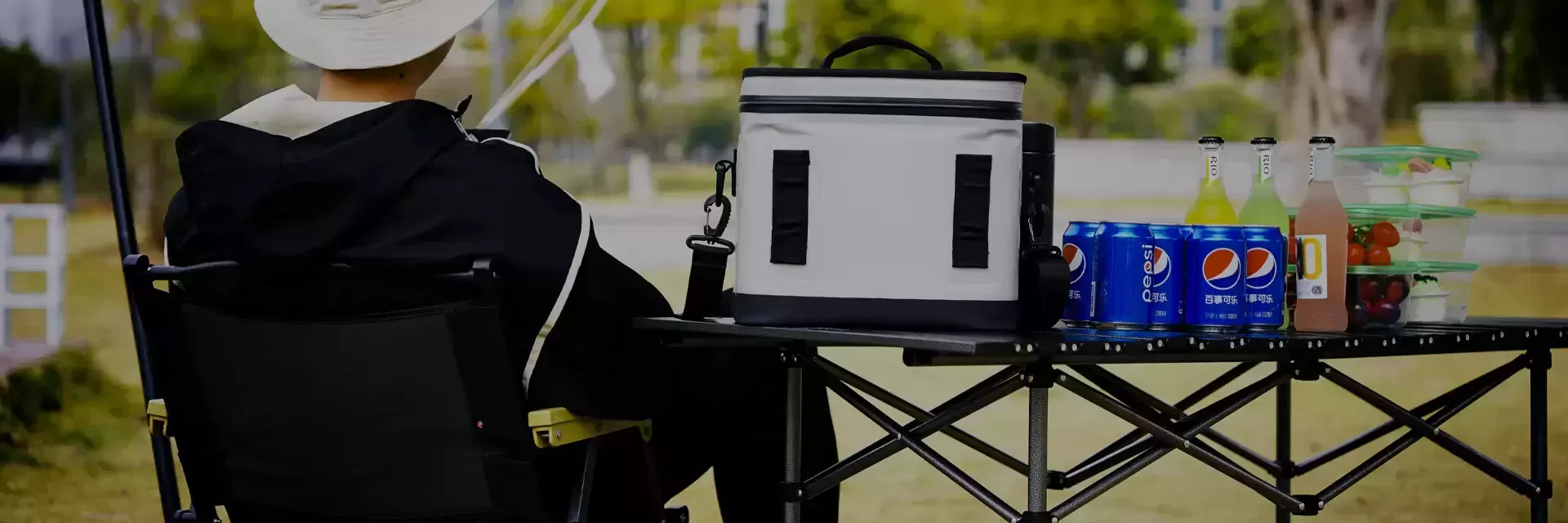
For B2B buyers in the outdoor, food delivery, and promotional sectors, sourcing high-performance cooler bags presents a unique technical challenge. Many suppliers claim to be a reliable leakproof thermal tote maker. However, real-world use quickly exposes manufacturing flaws, especially when melted ice begins to seep through sewn seams.
A leaking cooler bag ruins the end-user experience and leads to costly product returns. To protect your brand reputation, you must conduct a thorough technical audit before finalizing any OEM contract. Relying on basic factory profiles is rarely enough when sourcing complex, multi-layered products.
This technical guide outlines how to audit an insulated cooler bag manufacturer. We will focus on manufacturing processes, thermal efficiency, and quality control systems. Our goal is to help you establish a reliable production partnership with qualified factories like weierken.
Core Process Audit: Verifying True Leakproof Technology
The primary point of failure in any thermal bag is the interior lining. Standard sewing methods use needles that puncture the fabric, creating thousands of tiny holes. To prevent leaks, an OEM factory must use advanced bonding techniques instead of traditional stitching.
High-Frequency Welding vs. Traditional Stitching
When conducting a thermal tote factory audit, your first stop should be the sealing department. You need to verify whether the factory uses high-frequency (HF) welding machinery. This process uses electromagnetic energy to fuse material joint lines at the molecular level.
No Needle Punctures: High-frequency welding melts the inner lining sheets together without needles, creating a continuous waterproof barrier.
Seam Strength: The welded seam is often stronger than the surrounding material itself, reducing the risk of splitting under heavy loads.
Equipment Capacity: Check the number of active HF welding stations. A factory must have dedicated tooling jigs matched to your bag's specific dimensions to ensure consistent weld lines.
If a supplier relies solely on stitching and attempts to seal seams using basic waterproof tape, they may not be the specialized leakproof thermal tote maker your project requires.
Liner Material Selection: TPU vs. PEVA
The choice of interior material affects both product durability and manufacturing cost. During your audit, inspect the raw material warehouse to verify the grade and thickness of the plastics in stock:
PEVA (Polyethylene Vinyl Acetate): This is a lightweight, cost-effective, and PVC-free material. It works well for budget-friendly picnic bags and grocery totes. However, it can crack under freezing temperatures and has moderate puncture resistance.
TPU (Thermoplastic Polyurethane): This premium material offers exceptional flexibility, high tensile strength, and excellent resistance to grease and cold temperatures. It is the industry standard for rugged, high-end outdoor cooler bags.
Ensure the manufacturer uses a material thickness that matches your durability requirements. For heavy-duty use, we recommend a liner thickness of at least 0.3mm to 0.5mm.
Airtight and Waterproof Zipper Integration
If your product line includes premium, submersible soft coolers, standard zippers will not suffice. You need to evaluate how the factory handles airtight, waterproof zippers. These components require specialized installation:
The zipper tape must be welded directly to the TPU or PVC shell fabric rather than sewn. Any sewing in this area requires extensive adhesive reinforcement. Check if the factory has experience calibrating their welding machines for thick, rubberized zipper teeth to prevent air gaps.
Insulation Performance Audit: Evaluating Thermal Structures
A bag that does not leak is only half the battle. It must also maintain low internal temperatures for extended periods. The insulation efficiency depends on the quality of the middle foam layer and how neatly it is integrated into the bag's structure.
During our development cycles at weierken, we emphasize thermal consistency across all panels. This systematic approach prevents heat transfer through thin spots or structural joints, which we will detail below.
Insulation Foam Types and Density
Ask the factory's engineering team to show you the cross-sections of their insulation materials. The type of foam used directly impacts how long the bag can hold ice:
EPE (Expanded Polyethylene) Foam: A common, affordable, and lightweight open-cell structure. It provides basic insulation for daily grocery shopping but offers limited thermal retention for long outdoor trips.
NBR (Nitrile Butadiene Rubber) / Closed-Cell Foam: This dense, rubber-based foam contains sealed gas pockets. It blocks heat transfer much more effectively than EPE and retains its shape under compression.
Check the foam thickness. Standard retail bags typically use 3mm to 5mm of foam. In contrast, heavy-duty outdoor coolers require 15mm to 25mm of closed-cell foam to maintain ice for multiple days.
Thermal Radiation Barriers
Conduction is only one form of heat transfer; radiation is another. To block radiant heat, quality cooler bags incorporate a reflective layer behind the inner lining. This is usually an aluminum-foil-laminated sheet.
During your audit, check how the factory bonds this foil to the insulation foam. Poor lamination processes can cause the foil to peel and crack after the bag is folded and unfolded repeatedly. A reliable insulated cooler bag manufacturer uses high-temperature, eco-friendly adhesives to ensure a permanent bond.
Factory Quality Control and Testing Protocols
A professional factory must have a dedicated quality control department equipped to run daily performance tests. As part of your B2B thermal bag sourcing strategy, you should review the quality control logs and watch live testing on the factory floor.
The Leakproof Test for Cooler Bags
A reputable manufacturer does not rely on visual inspection alone to guarantee a seal. They must use active testing methods:
The 24-Hour Static Water Test: Workers fill a random sample from each production batch with water and let it sit on dry paper for 24 hours to check for moisture seepage.
Inflation Pressure Test: For airtight, premium coolers, workers inflate the sealed bag with air and submerge it in water. Any escaping air bubbles immediately reveal weld defects or faulty zippers.
Load-Bearing Seam Test: This test involves filling the bag with its maximum rated weight and suspending it by the handles for several hours to ensure the welded seams do not stretch or tear.
A quality-focused factory will gladly demonstrate their leakproof test for cooler bags during your site visit.
Food-Grade Material Compliance
Because thermal totes are designed to carry food, drinks, and ice, all lining materials must be completely safe for human contact. Ask the factory to provide valid, third-party testing reports from verified laboratories like SGS, TÜV, or Intertek.
The materials must comply with local regulations, such as FDA guidelines in the United States, LFGB standards in Europe, and REACH restrictions on chemicals. Ensure these certificates are up to date and match the exact material formulations used on your production line.
Social Responsibility and General Factory Audits
Large retail brands and international buyers must ensure their suppliers adhere to ethical manufacturing practices. Verify that the factory maintains active registrations and passes regular audits for:
BSCI (Business Social Compliance Initiative): Verifies fair wages, safe working environments, and the absence of child labor.
ISO 9001: Confirms the factory uses a structured quality management system to ensure product consistency over time.
SMETA (Sedex Members Ethical Trade Audit): Evaluates labor standards, health and safety, environmental performance, and business ethics.
Frequently Asked Questions
Why do stitched cooler bags leak even when made with waterproof fabrics?
While the fabric itself might be completely waterproof, the sewing process uses needles that puncture the material. Water from melting ice easily seeps through these tiny needle holes. To prevent this, a professional high-frequency welding cooler bag uses heat-sealing technology to fuse the seams, removing all stitch holes from the inner compartment.
What is the difference between PEVA and TPU interior liners?
PEVA is a cost-effective, lightweight plastic that works well for daily use bags. However, it is prone to cracking in very cold weather. TPU is a premium elastomeric plastic that remains highly flexible even in sub-zero temperatures, offers superior puncture resistance, and bonds exceptionally well during high-frequency welding.
How long should a quality thermal tote keep ice frozen?
Ice retention depends on the type and thickness of the insulation foam. Basic totes using 5mm EPE foam generally keep items cool for 4 to 6 hours. Premium coolers built with 20mm closed-cell NBR foam and airtight zippers can keep ice frozen for 24 to 72 hours, depending on external conditions.
What are the minimum order quantities (MOQs) for custom thermal totes?
MOQs typically range from 500 to 1,000 pieces per color for standard styles. If your design requires custom fabric colors, specialized hardware, or unique TPU lining thicknesses, raw material suppliers may require larger volumes, raising the finished bag MOQ to 1,500 pieces or more.
How can I verify if a factory's food-safe certificates are authentic?
Every genuine test report from labs like SGS or Intertek features a unique report number. You can verify this number directly on the testing agency's official website. A transparent factory will supply complete, unredacted PDF copies of these certificates for your verification.
Partner with an Experienced Thermal Bag Manufacturer
Finding a reliable supplier requires looking past simple brochures. It involves auditing their machinery, inspecting their raw materials, and reviewing their quality control logs. A disciplined approach to factory selection prevents costly production delays and product failures down the line.
At weierken, we operate as a specialized leakproof thermal tote maker, serving global brands with reliable OEM and ODM manufacturing. Our production lines feature high-frequency welding stations, advanced thermal testing equipment, and strict quality control processes. We are committed to helping you deliver reliable, high-performance cooler products to your customers.
If you are planning your next custom cooler project, our engineering team is here to help. Contact us to discuss your design requirements, request physical material swatches, or schedule a virtual factory tour.