
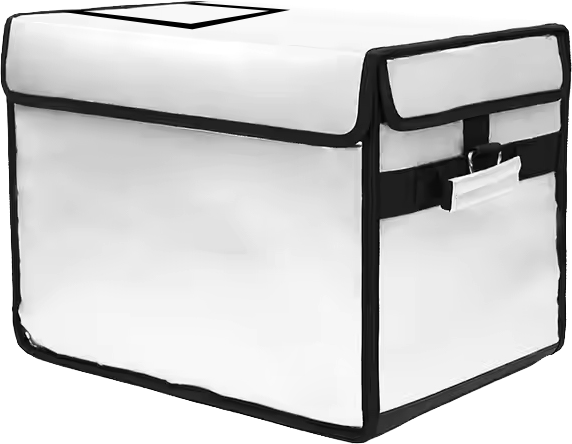
The on-demand food delivery sector is growing rapidly. For pizza businesses, the delivery phase is critical to maintaining food quality. A soggy crust or a cold pie can damage a brand's reputation quickly. Professional food brands look closely at their delivery gear to solve these issues.
A specialized pizza insulated bag maker does more than stitch fabric. Manufacturers now build technical tools that preserve food textures and extend brand reach. Experienced suppliers like Weierken work with global food chains to balance thermal performance with brand identity. This article discusses the technical shifts in the production of custom pizza delivery bags.
The Role of Delivery Quality in Food Branding
Pizza quality depends on a delicate balance of heat and moisture. When hot pizza goes into a sealed container, it releases steam. If that steam cannot escape, the crust absorbs it and becomes soggy. Buyers evaluate delivery gear based on performance during transport.
Procurement managers and delivery platforms look for thermal gear that protects food quality. They want durable, recognizable, and functional products. Working with a reliable pizza insulated bag maker helps brands find this balance. High-performance commercial insulated food carriers help secure repeat orders.
Trend 1: Temperature Control and Moisture Prevention
Modern delivery needs go beyond basic insulation. Old-style bags kept food warm but trapped moisture inside. Today, advanced manufacturers focus on thermal regulation and moisture release.
Advanced Insulation Materials
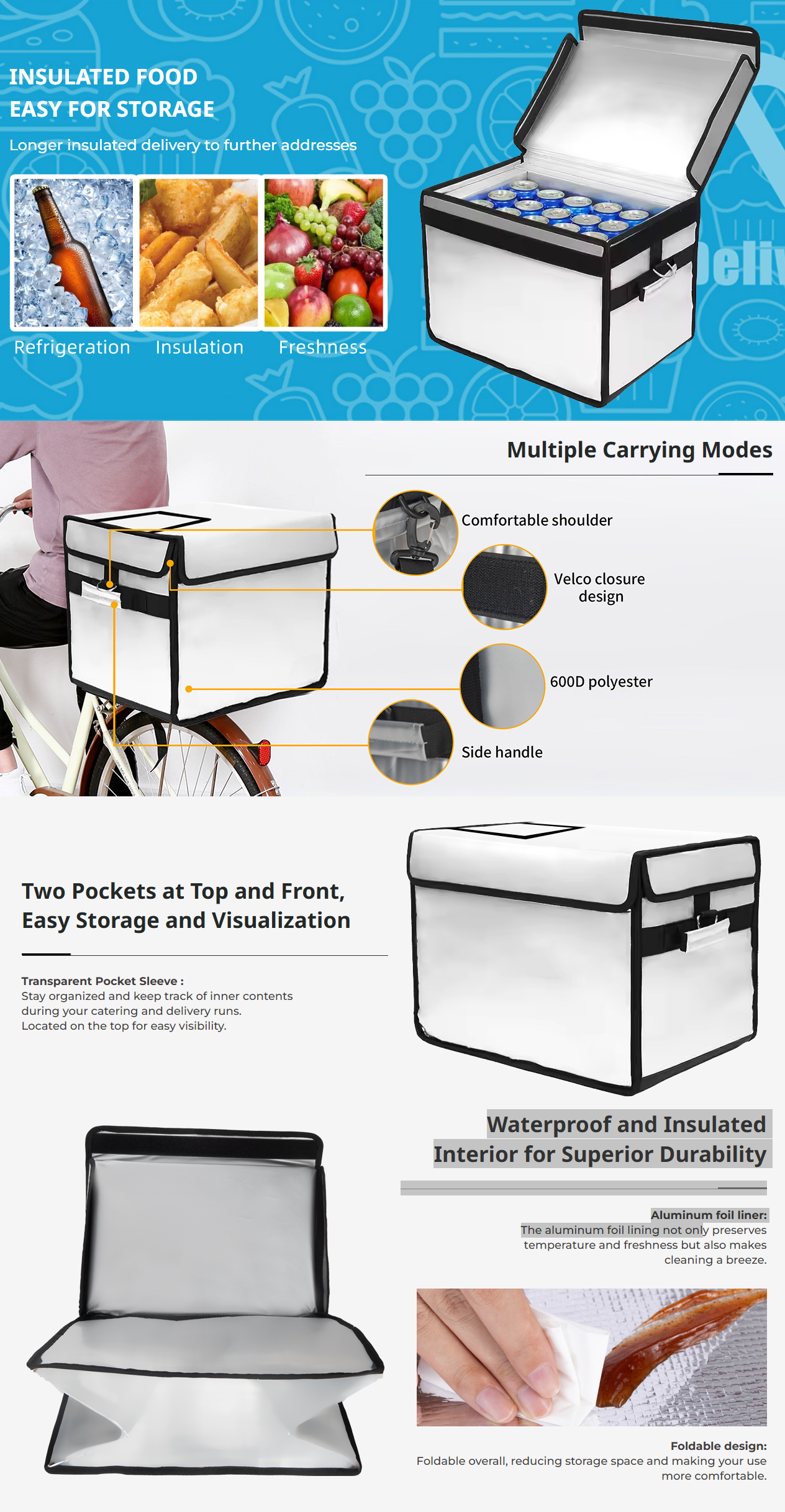
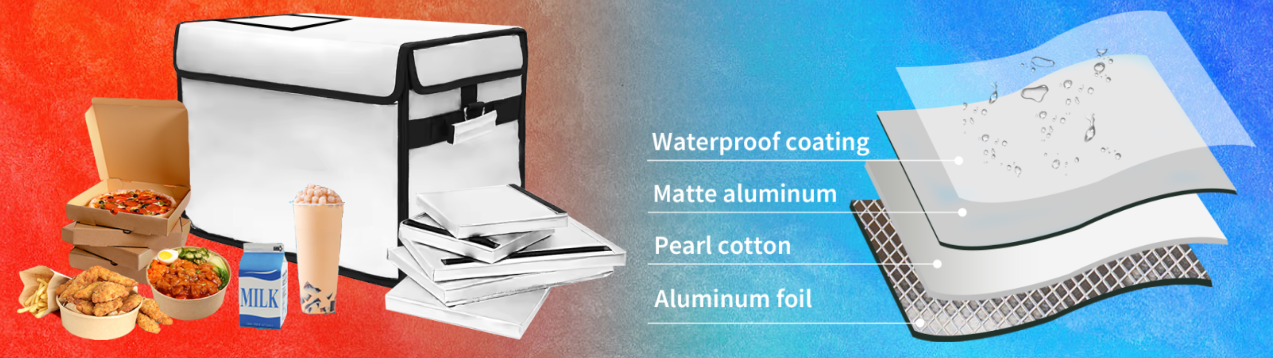
Modern wholesale pizza bags use layered insulation systems instead of single-layer foam. A typical high-performance wall contains several layers:
Outer shell: Heavy-duty Oxford polyester or PVC tarp to block wind and rain.
Thermal core: High-density EPE or polyurethane foam (typically 10mm to 20mm thick) to prevent heat loss.
Reflective inner lining: Food-grade aluminum foil or heat-reflective woven fabric to bounce heat back to the box.
Breather Holes and Moisture Control
To prevent soggy crusts, a professional pizza insulated bag maker installs strategic ventilation systems. Grommets or mesh-covered breather holes let excess steam escape without dropping the internal temperature. Finding the right balance of heat retention and moisture release keeps the pizza crispy.
Active Heating Integration
For long-distance transport, passive insulation may not be enough. More companies now request active heating systems. These include 12V car charger connections or built-in heating coils powered by mobile power banks. A leading thermal delivery bag manufacturer can integrate these electronic parts safely into the fabric walls.
Trend 2: Deep Customization and Brand Consistency
A delivery bag acts as a mobile billboard. Thousands of potential customers see delivery riders on the street every day. Brands use customized bags to build local visibility.
At Weierken, we notice that B2B clients want unique colors and structures. They need their bags to match their corporate style guide closely. A professional pizza insulated bag maker offers many custom design options:
Durable Printing Methods
Cheap prints peel off quickly under rain and sun. Manufacturers use advanced printing methods to keep logos looking fresh:
Silk-screen printing: Ideal for solid colors and bold logos.
Heat transfer printing: Best for complex, multi-colored designs.
Reflective printing: Uses retroreflective materials to keep riders safe at night while highlighting the logo.
Structural and Modular Features
Different delivery models require different bag shapes. Brands can choose modular layouts for better flexibility:
Adjustable dividers: Removable hook-and-loop shelves allow riders to carry different box sizes.
Beverage holders: Side mesh pockets or insulated compartments keep cold drinks away from hot pizzas.
Receipt windows: Transparent plastic pockets keep order slips dry and visible.
Fabric Selection
The choice of fabric affects how long the bag lasts. Most commercial brands choose 500D or 1680D Oxford fabric. Some prefer heavy-duty PVC tarpaulin because it is easy to wipe clean after spills.
Trend 3: Eco-Friendly Materials and Compliance
Environmental regulations and corporate responsibility goals shape how brands choose packaging. Global food chains now ask for eco-friendly delivery bags to meet green standards.
RPET (Recycled Polyethylene Terephthalate)
RPET fabric made from recycled plastic bottles is becoming popular. A modern pizza insulated bag maker uses RPET for both outer shells and inner linings. This helps brands lower their carbon footprint without sacrificing durability.
Food-Grade Safe Liners
Inner linings must be safe to touch food containers. Manufacturers use materials compliant with FDA and REACH standards. These linings do not release chemical odors when heated, keeping the pizza smelling fresh.
Trend 4: Better Ergonomics for Delivery Riders
Rider comfort directly affects delivery speed and safety. Heavy, awkward bags tire riders out quickly and can lead to accidents.
Multiple Carrying Options
A good design allows riders to carry the bag in different ways depending on the situation:
Dual backpack straps: Padded shoulder straps help distribute the weight evenly for bike and scooter riders.
Top and side handles: Heavy-duty reinforced handles make it easy to load and unload the bag quickly.
Rack mounting systems: Integrated straps and buckles secure the bag directly to motorcycle or bicycle cargo racks.
Load Reduction Features
Manufacturers add ergonomic details to make daily use easier for riders. These include chest straps, waist belts, and breathable honeycomb back padding to reduce sweat and muscle strain.
Heavy-Duty Hardware
Zippers and fasteners are often the first parts to fail on a delivery bag. Commercial manufacturers use high-quality hardware like SBS or YKK zippers. They also use industrial-strength hook-and-loop fasteners that last for thousands of openings.
How to Choose a Reliable Manufacturing Partner
Finding the right pizza insulated bag maker requires looking beyond the lowest price. A good partner must balance cost, consistent quality, and reliable delivery times.
A capable factory should offer clear sample development times, realistic Minimum Order Quantities (MOQs), and a reliable Quality Control (QC) process. It is helpful to work with a partner who understands international shipping rules. This prevents unexpected delays at customs.
As an experienced supplier, Weierken helps commercial brands design and manufacture durable thermal bags. We guide clients through material selection, sample making, and bulk production to ensure the final product meets daily operational demands.
Request a Custom Consultation
Are you looking to upgrade your delivery equipment? Contact our team today to share your specifications, request a sample, or get a quotation. Let us help you design durable, high-performance bags that protect your food and represent your brand well.
Frequently Asked Questions
1. What is the average lifespan of a commercial pizza insulated bag?
A high-quality bag used daily lasts between 6 to 12 months. This depends on the fabric weight (such as 1680D polyester), zipper quality, and how well the team maintains the bag. Regular cleaning and gentle handling help extend its lifespan.
2. How does a pizza insulated bag maker prevent soggy crusts?
Manufacturers install small ventilation grommets or moisture-wicking mesh panels. These features allow steam to escape while keeping the heat inside. Using moisture-resistant aluminum linings also helps prevent condensation from pooling inside the bag.
3. What is the typical Minimum Order Quantity (MOQ) for custom pizza delivery bags?
MOQs vary depending on the level of customization. For basic logo printing on standard bag sizes, the MOQ is usually around 100 to 200 units. For fully customized shapes, colors, and unique features, factories often require 500 units or more.
4. Can these delivery bags be cleaned in a washing machine?
We do not recommend machine washing because it can damage the internal foam and heat-reflective lining. It is best to wipe the bags clean using a damp cloth, warm water, and mild detergent. Some fabrics are treated with a water-resistant coating that makes cleaning easy.
5. What is the difference between EPE foam and Polyurethane foam insulation?
EPE (Expanded Polyethylene) foam is lightweight, flexible, and offers good moisture resistance at a lower cost. Polyurethane (PU) foam is denser and offers better thermal retention for long distances, but it makes the bag slightly heavier and more expensive.