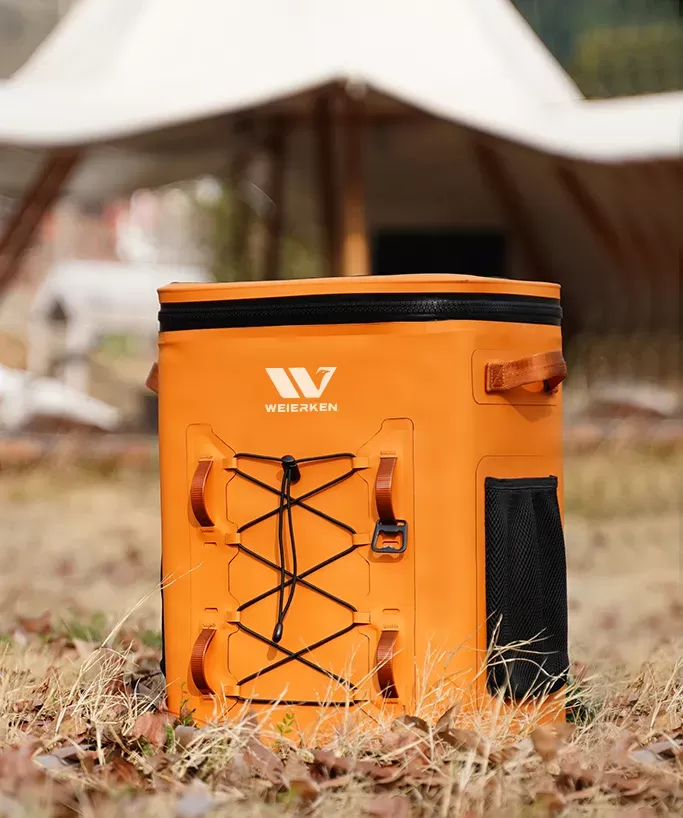

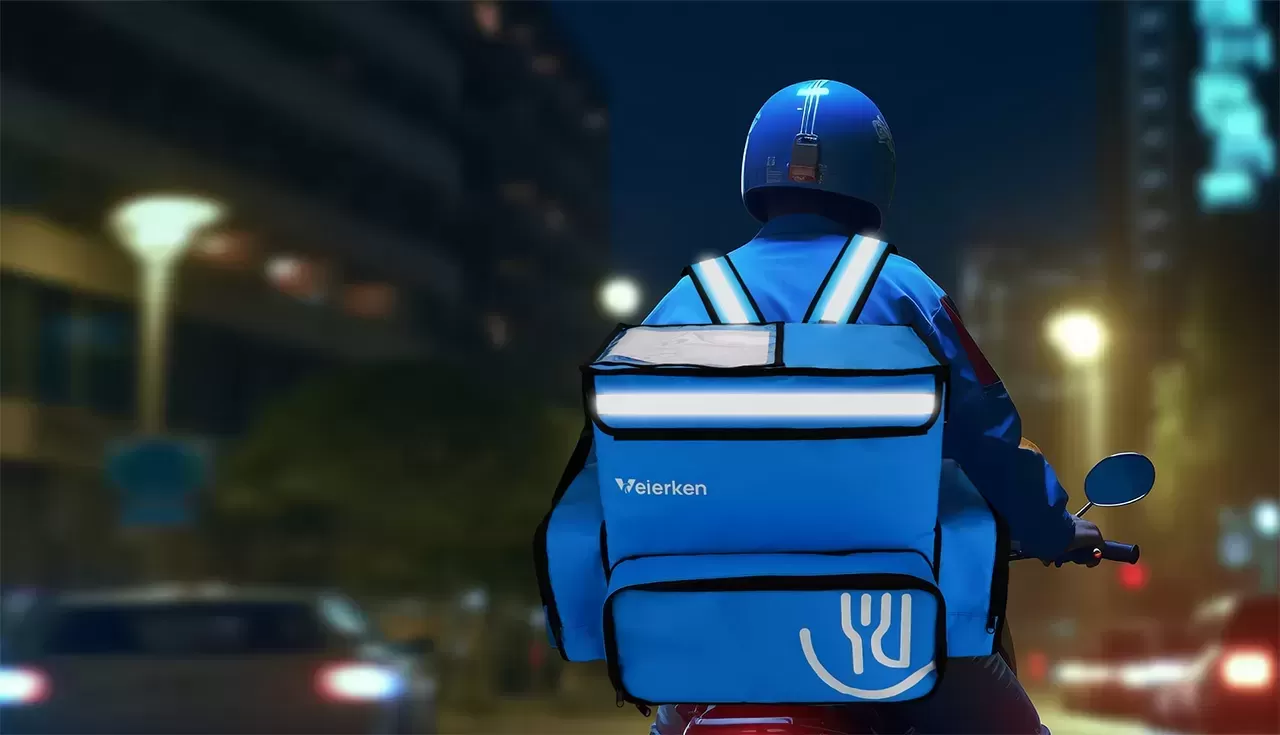
Managing the last-mile cold chain is a constant balancing act between cost and quality. For businesses delivering frozen meats, seafood, or temperature-sensitive poultry, maintaining the cold chain is non-negotiable. Traditional distribution models rely heavily on distributors, which can quickly inflate your packaging budget.
By partnering directly with a dedicated frozen meat delivery bag maker like Weierken, supply chain managers can bypass these extra markups. Direct manufacturing allows businesses to customize thermal packaging, secure bulk discounts, and maintain strict control over material quality.
In this article, we will examine how sourcing directly from an experienced insulated delivery bag manufacturer helps reduce your operational overhead while keeping your frozen goods at safe temperatures during transit.
1. How Direct Sourcing Lowers Your Cold Chain Expenses
Sourcing your packaging from third-party trading companies or local distributors often leads to unnecessary expenses. Working directly with a factory changes the pricing dynamics in several key ways.
Eliminating Middleman Markups
When you purchase from a distributor, you pay for their storage, logistics, and sales commissions. Buying directly from a factory eliminates these intermediate steps. This factory-to-business (F2B) procurement model keeps your unit costs low, allowing you to allocate budget to other areas of your logistics network.
Tiered Bulk Pricing Structures
Direct manufacturers operate on economies of scale. Purchasing bulk insulated grocery bags directly from the source allows you to leverage volume-based pricing. A reputable manufacturer offers clear, tiered pricing schedules where your per-unit cost decreases significantly as your order volume increases.
Optimized Material Selection to Avoid Over-Packaging
Many pre-made bags use generic, over-engineered materials that drive up costs unnecessarily. If your delivery window is under two hours, you do not need expensive, heavy-duty 24-hour insulation. A professional factory can recommend cost-effective combinations such as:
EPE foam insulation for mid-range local deliveries.
Aluminum bubble foil layers for shorter delivery routes.
Heavy-duty woven outer fabrics for durable, wholesale reusable thermal bags.
2. Key Technical Standards for Frozen Meat Thermal Bags
Frozen meat delivery presents unique challenges. Heavy packages, condensation, and sharp-edged packaging can damage low-quality bags. When evaluating a frozen meat delivery bag maker, pay close attention to these construction standards.
Weierken integrates these protective elements into every production run, ensuring your deliveries arrive intact and at the proper temperature.
Thermal Performance and Temperature Retention
The core function of any thermal bag is to slow down heat transfer. This requires a multi-layer barrier system. High-quality bags typically use an outer water-resistant layer, a dense middle insulation core (such as expanded polyethylene), and a reflective inner lining that bounces radiant heat away from the frozen items.
Load Capacity and Puncture Resistance
Frozen meat boxes, vacuum-sealed plastic edges, and bone-in products can easily puncture thin liners. A durable bag utilizes reinforced stitching at stress points and heavy-duty outer fabrics like 600D polyester. This prevents tears and prolongs the lifespan of reusable bags.
Leak-Proofing and Heat-Sealed Seams
As frozen products travel, condensation builds up. Standard stitched seams can let melted ice or moisture seep through, causing mess and contamination. Look for manufacturers that use heat-sealed seams on the interior lining. This liquid-tight construction ensures that any condensation remains contained within the bag.
3. Customization Options That Improve Brand Value
A delivery bag is not just a protective container; it also serves as a mobile advertisement for your brand. Working directly with a manufacturer gives you full creative and functional control over your packaging design.
Tailored Sizes and Dimensions
Using standard, off-the-shelf bags often leaves too much empty space inside. This excess air speeds up heat transfer, melting your frozen meat faster. A direct supplier can fabricate custom-sized bags that match your specific shipping boxes, maximizing thermal efficiency.
Custom Branding and High-Quality Printing
Whether you require simple screen printing for a clean logo or advanced rotogravure printing for complex designs, a direct factory can accommodate your needs. Placing your brand logo on your custom thermal bags for frozen meat builds professional credibility with your customers during home deliveries.
Hardware and Closure Upgrades
The type of closure you choose affects both thermal performance and user experience. You can select from various options based on your distribution model:
Heavy-duty nylon zippers for secure, long-distance transport.
Hook-and-loop (Velcro) closures for quick access during high-volume local routes.
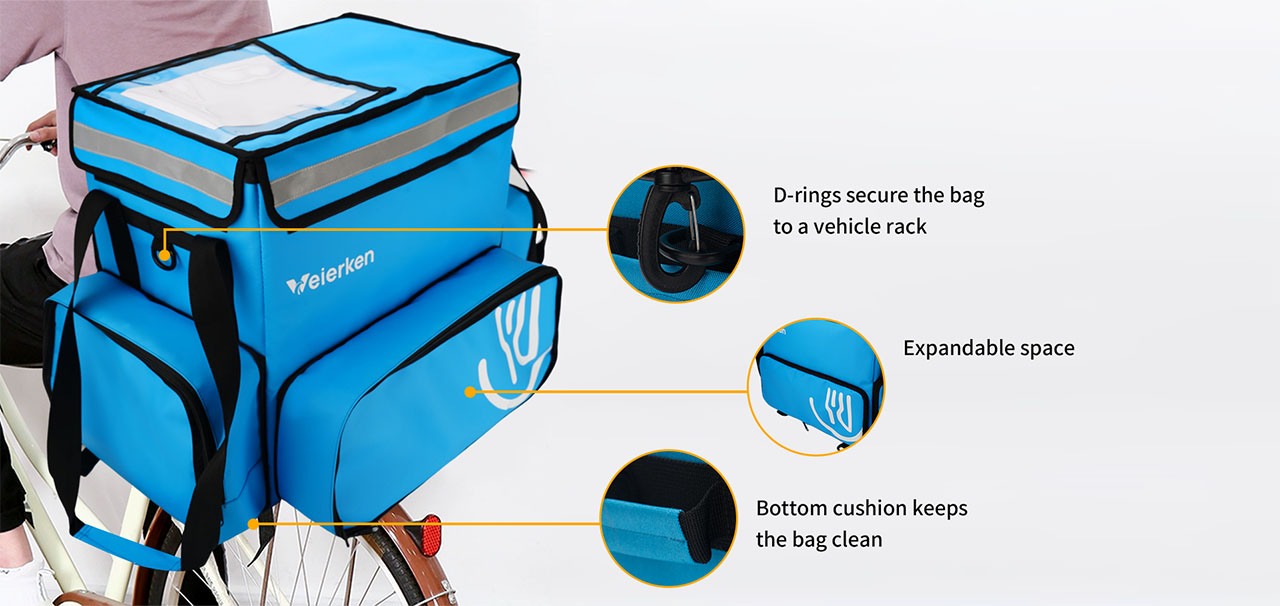
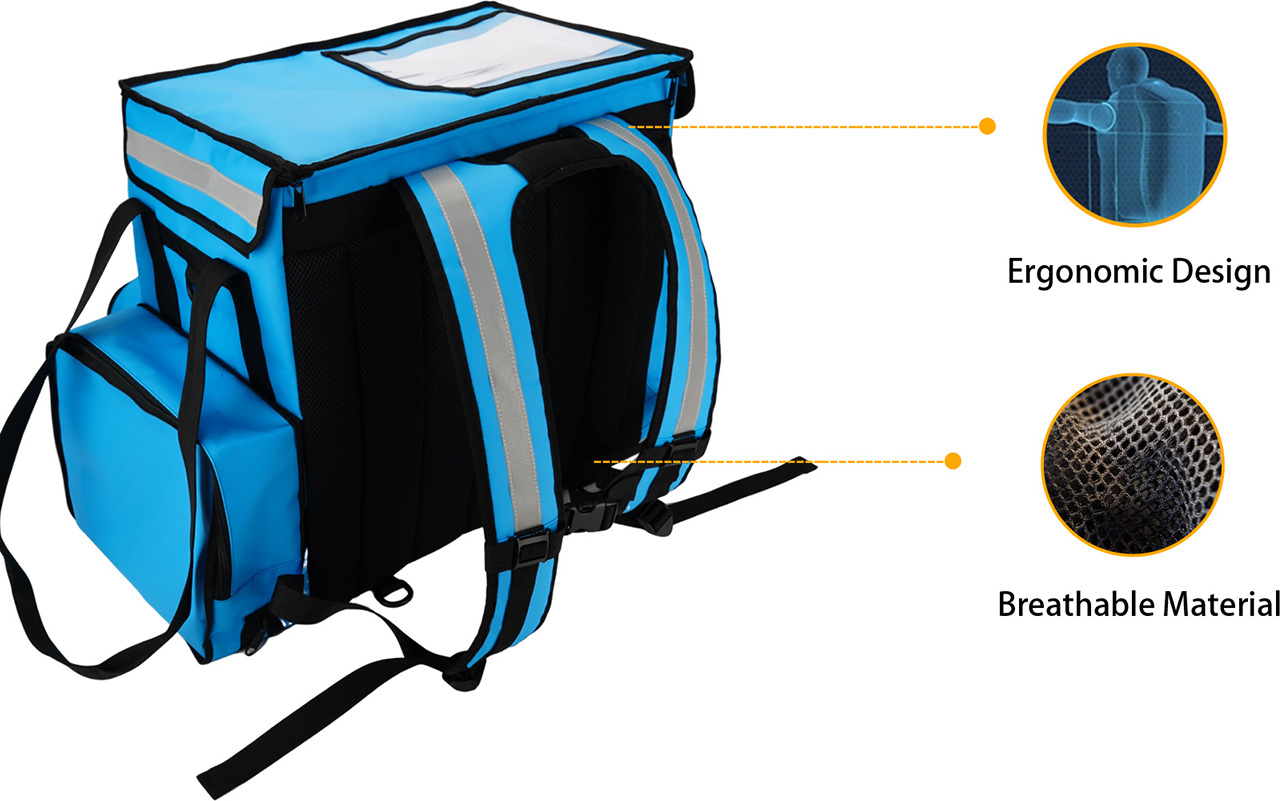
Reinforced webbing handles to make carrying heavy meat boxes easier for delivery personnel.
4. Selecting the Right Cold Chain Packaging Supplier
Finding a reliable cold chain packaging supplier requires thorough vetting. To ensure consistent quality and timely deliveries, evaluate potential partners using these key criteria.
Manufacturing Certifications
Since these bags come into close proximity with food products, the materials must meet strict safety standards. Verify that the factory holds relevant certifications, such as ISO9001 for quality management, as well as FDA-compliant or SGS-tested materials for food contact safety.
Lead Times and Sample Development
Before committing to a large production run, you need to test physical prototypes. Ask the manufacturer about their sample lead time. A responsive supplier can typically produce a custom prototype within 5 to 7 days, allowing you to test thermal performance in your actual delivery conditions.
Minimum Order Quantities (MOQ) and Support
While large-scale production offers the best pricing, flexibility is important for growing businesses. Ensure the factory's MOQ matches your current procurement cycle. Reliable manufacturers offer clear communication and flexible support for scaling businesses.
Streamline Your Sourcing Process with Weierken
Optimizing your last-mile delivery costs does not mean you have to compromise on food safety or thermal performance. By working directly with an established frozen meat delivery bag maker, you can design a solution tailored to your exact delivery times, dimensions, and branding requirements.
Weierken specializes in manufacturing durable, cost-effective thermal packaging for businesses worldwide. Our team helps you select the right materials, avoid expensive over-packaging, and secure competitive wholesale pricing.
Contact us today to discuss your delivery requirements, request a custom sample, or receive a direct wholesale quote for your business.
Frequently Asked Questions
1. What are the best materials for insulating frozen meat during delivery?
The ideal combination consists of a durable, water-resistant outer shell (like Oxford fabric), a thick inner insulation core made of EPE or EVA foam, and a reflective aluminum foil inner lining. This multi-layer barrier effectively blocks external heat while containing cold temperatures.
2. How long can these delivery bags keep meat frozen?
Thermal performance depends on the insulation thickness, the use of ice packs or dry ice, and external weather conditions. Generally, standard insulated bags keep items frozen for 2 to 6 hours, while high-density configurations can maintain safe temperatures for up to 24 hours.
3. Are the interior linings of these bags food-safe?
Yes. Reputable manufacturers use food-grade, non-toxic linings such as PEVA or aluminum foil. These materials are easy to clean, sanitize, and are safe for indirect contact with food packaging.
4. What is the typical MOQ for custom frozen meat delivery bags?
Minimum order quantities vary depending on the level of customization and material availability. Standard custom runs usually start at 500 to 1,000 units. It is best to consult with our sales team to discuss your specific requirements.
5. Can I get a sample bag with my custom dimensions before placing a bulk order?
Yes, we encourage testing. We can create custom samples based on your required dimensions, materials, and features so you can verify the thermal performance and fit before starting full-scale production.