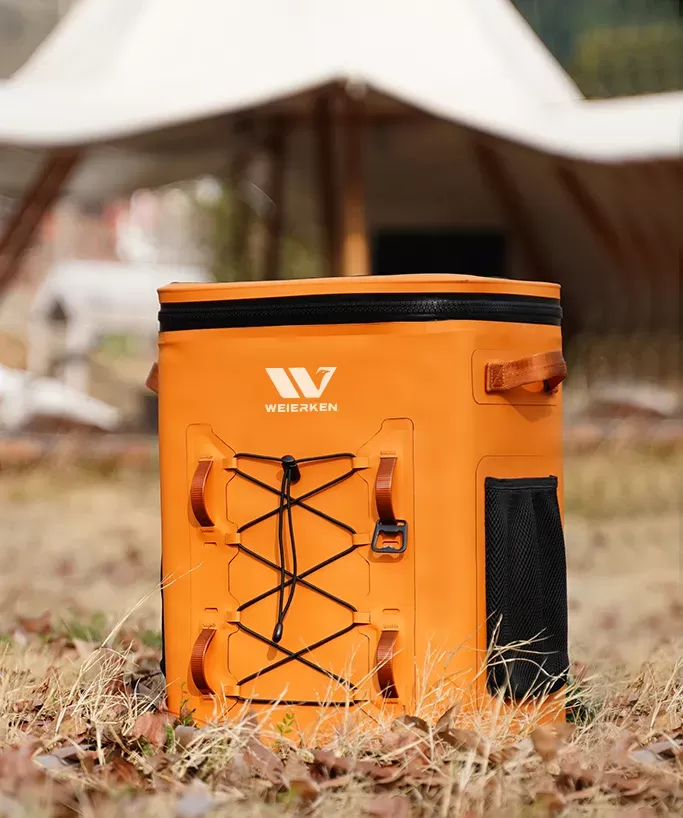

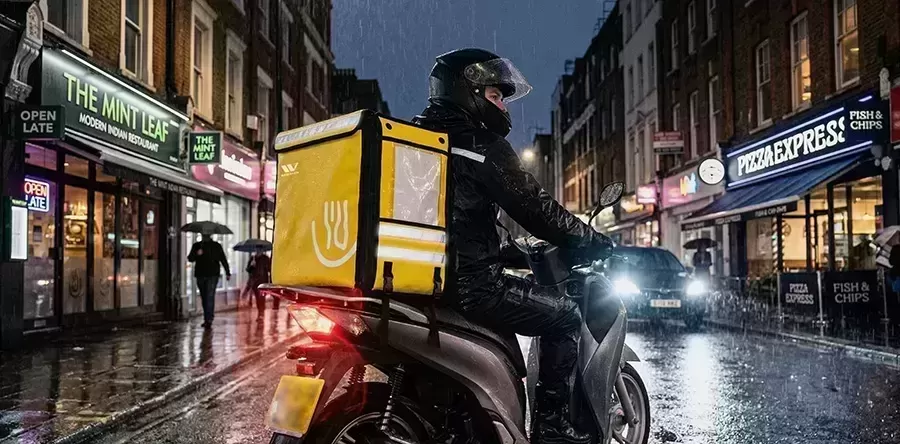
The global on-demand delivery market is growing rapidly. From hot meals to fresh groceries, consumers expect their orders to arrive fresh, intact, and on time. For fleet operators and logistics companies, the delivery bag is a vital everyday tool. However, these bags are high-frequency consumption items that wear out quickly under daily abuse.
Managing the procurement of these assets involves balancing durability with upfront costs. This is where partnering with a specialized lightweight delivery bag maker like weierken can make a significant difference. Direct sourcing allows companies to eliminate middleman markups, gain deeper control over product specifications, and customize bags to meet their specific operational demands.
This article looks at the financial and operational benefits of choosing direct sourcing delivery bags. We will examine how weight reduction improves fleet efficiency and how modern materials keep these bags durable over hundreds of delivery cycles.
1. The Financial and Operational Advantages of Direct Sourcing
Many logistics companies buy their gear from local distributors or trading companies. While this might seem convenient for small orders, it quickly becomes expensive when scaling a fleet. Direct sourcing from a manufacturer provides clear advantages for B2B buyers.
Acquiring True Ex-Factory Pricing
Every intermediary in the supply chain adds a markup to cover their overhead and profit. When you bypass these middlemen and buy wholesale food delivery bags directly from the source, you gain access to factory-direct pricing. This cost reduction is particularly noticeable when placing bulk orders for regional rollouts.
Volume Discounts: Factories can offer tiered pricing structures based on raw material bulk purchases.
Price Stability: Direct contracts protect your procurement budget from sudden domestic market fluctuations.
Lower Total Cost of Ownership: Lower initial acquisition costs mean a faster return on your investment.
Direct Technical Communication
Customizing a commercial insulated delivery backpack requires clear, precise communication. Trading companies often struggle to translate specific technical requests, such as modifying lining thickness or reinforcing stress points. Working directly with the engineering team at a custom delivery bag manufacturer minimizes communication errors.
This direct feedback loop ensures that your initial prototypes match your exact requirements, which prevents costly production mistakes and keeps your rollout on schedule.
Supply Chain Transparency and Capacity Management
During peak holiday seasons or promotional events, delivery fleets need to scale up quickly. A direct relationship with a lightweight delivery bag maker gives you full visibility into their production schedule. You can plan your inventory needs well in advance, ensuring that your fleet never faces shortages during busy times.
2. How "Lightweight" Design Lowers Operating Expenses
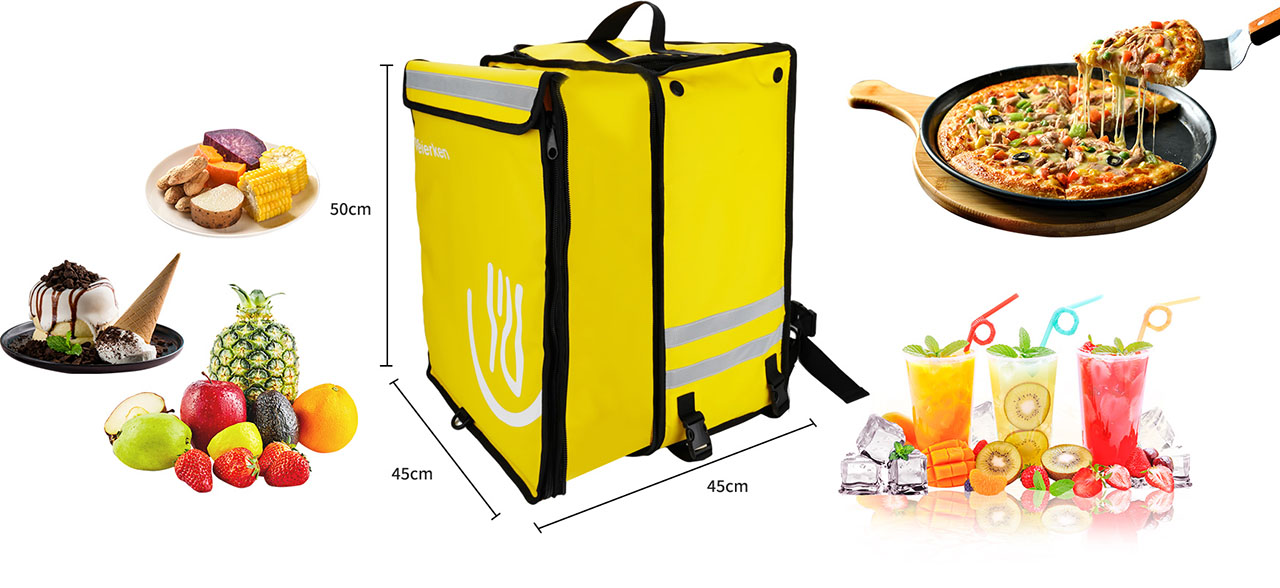
In logistics, every gram of weight carried by a courier affects your bottom line. Transitioning to lightweight gear is not just about making the courier's job easier; it has measurable economic benefits for the entire delivery operation.
Midway through your sourcing journey, working with an experienced manufacturer like weierken can help you identify where to trim weight without compromising structural integrity. Their design team can help you select materials that balance lightness with daily durability.
Reducing Rider Fatigue and Improving Retention
Couriers carry heavy loads on their backs or bikes for 8 to 10 hours a day. Heavy, bulky bags increase physical fatigue, which can lead to slower delivery times and a higher rate of accidents. Shaving just a few hundred grams off the weight of a commercial insulated delivery backpack makes a noticeable difference.
Higher Productivity: Less fatigued riders can complete more delivery runs per shift.
Better Rider Retention: Providing ergonomic, lightweight equipment helps improve courier satisfaction and reduces fleet turnover.
Fewer Injury Claims: Ergonomic designs with supportive waist straps distribute weight more evenly, protecting riders' backs.
Lowering First-Mile Shipping Costs
When purchasing lightweight courier bags wholesale, shipping costs can make up a large portion of your overall budget. Most international logistics providers charge based on dimensional weight. Lightweight, compressible bags pack more efficiently, allowing you to fit more units into each shipping container and lowering your shipping costs per bag.
3. How Manufacturers Balance Lightness and Durability
A common concern when buying lightweight gear is that it might be flimsy. A high-quality lightweight delivery bag maker does not make bags lighter by using thin, cheap fabrics. Instead, they rely on material innovation and smart structural engineering.
Utilizing Advanced Lightweight Materials
Modern raw materials allow manufacturers to build strong bags that remain very light. These materials are chosen for their high strength-to-weight ratios:
TPU Coated Fabrics: Thermoplastic Polyurethane (TPU) is waterproof, highly resistant to abrasions, and much lighter than traditional heavy PVC.
EPP Foam Insulation: Expanded Polypropylene (EPP) is a highly rigid, lightweight foam. It provides excellent insulation and structural support without the weight of plastic frames.
Ripstop Nylon: This fabric uses a special reinforcing technique that makes it resistant to tearing and ripping, even under heavy daily use.
Smart Structural Engineering
A well-designed bag distributes weight efficiently. By placing rigid support structures only where they are absolutely necessary, a custom delivery bag manufacturer keeps the bag's overall weight low. Utilizing reinforced stitching on handles and high-wear areas ensures the bag can carry heavy payloads safely.
High-quality hardware also plays an important role. Using lightweight, durable plastic buckles and smooth, water-resistant zippers ensures the bag remains reliable without adding unnecessary weight.
4. Customization and Branding for Fleet Identity
Your delivery riders are a visible representation of your brand on the street. A delivery bag is not just a thermal container; it also serves as a mobile billboard. Direct sourcing allows you to customize your bags to match your brand's identity and operational needs.
High-Visibility Safety Features
Safety is a priority for any delivery fleet. Direct manufacturers can integrate highly reflective strips and piping into the bag's design. This ensures your riders remain visible to motorists in low-light conditions, during heavy rain, or at night, reducing on-the-job accidents.
Modular Internal Compartments
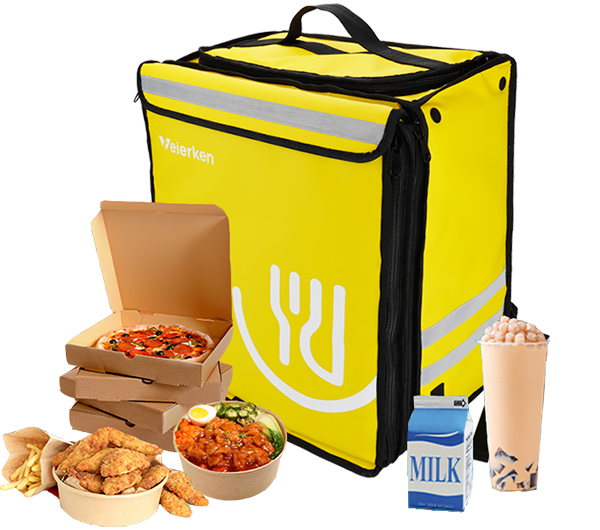
Different types of food require different handling. Hot pizzas must be kept separate from cold drinks to prevent condensation. Direct sourcing allows you to design custom internal layouts:
Adjustable Dividers: Lightweight velcro shelves let riders adjust the bag's interior space on the go.
Cup Holders: Integrated, lightweight cup slots keep beverages secure and prevent spills during transport.
Document Pockets: Clear exterior pockets keep delivery receipts and order details dry and easy to access.
Evaluating a Delivery Bag Manufacturer: Key Indicators
Before partnering with a supplier, it is important to verify their manufacturing capabilities. Use this guide to assess potential partners:
| Capabilities | What to Verify |
|---|---|
| Manufacturing Equipment | Look for factories equipped with high-frequency welding machines for seamless, leakproof linings. |
| Testing Procedures | Ask for reports on load-bearing tests, zipper life-cycle tests, and thermal retention tests. |
| Social Compliance | Ensure the factory holds standard audits like BSCI, Sedex, or ISO9001. |
Secure Your Supply Chain with a Trusted Partner
Direct sourcing is a reliable way to optimize your delivery fleet expenses. By choosing a partner that understands the balance between weight, durability, and cost, you can equip your riders with high-performance gear while keeping your operating costs under control.
At weierken, we specialize in manufacturing lightweight, durable delivery bags designed for modern logistics. We assist you through the entire process, from material selection and prototyping to final bulk production, ensuring your bags are built to last. Contact us today to learn more about our customization options and request a sample for your fleet.
Inquire About Custom Delivery Bags
Frequently Asked Questions
1. Why is direct sourcing delivery bags better than buying from local distributors?
Direct sourcing removes middleman fees, giving you access to ex-factory pricing. It also connects you directly with the factory's engineering team, making it easier to customize bag specifications, select specialized materials, and ensure consistent quality control for bulk orders.
2. How do lightweight courier bags wholesale help reduce overall fleet operational costs?
Lightweight bags reduce physical strain on your riders, which helps lower fatigue, increase delivery speeds, and improve rider retention. Additionally, lighter bags are easier to pack efficiently, which helps reduce international shipping and warehousing costs.
3. What materials does a custom delivery bag manufacturer use to keep bags light and durable?
Quality manufacturers use high-strength materials like TPU-coated polyester, ripstop nylon, and lightweight EPP foam insulation. These materials provide excellent structural support and weather resistance without adding the weight of traditional PVC or metal frame designs.
4. Can a lightweight commercial insulated delivery backpack handle heavy rains?
Yes, provided it is designed with the right materials. Choosing waterproof TPU or high-density nylon fabrics, combined with heat-sealed seams and water-resistant zippers, ensures the interior remains dry even during heavy rainstorms.
5. What is the typical MOQ when ordering wholesale food delivery bags directly from the factory?
Minimum Order Quantities vary depending on the complexity of the design and the materials used. Generally, standard custom orders start around 500 units, but it is best to speak directly with the factory team to find a solution that fits your fleet size and rollout schedule.