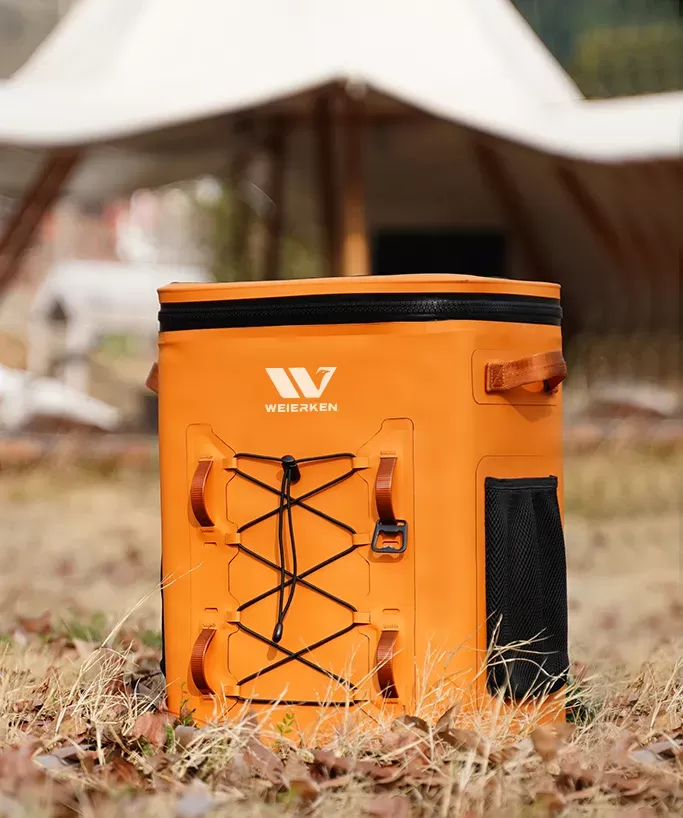

_154604.webp "OEM Services & Design Trends from a Lightweight Bag Make")
The consumer market is shifting toward mobility and minimalist travel. Buyers no longer want heavy, bulky luggage or stiff everyday carry items. Instead, they seek lightweight, durable, and highly versatile alternatives. This shift has changed how brands approach product development.
As a professional lightweight bag maker, weierken understands that reducing weight is not simply about using thinner fabrics. True lightweight engineering requires a systematic balance between advanced material science and smart structural design. Manufacturers must preserve product longevity while stripping away unnecessary bulk.
For outdoor brands, fashion developers, and e-commerce sellers, finding the right manufacturing partner is key. Working with an experienced OEM bag manufacturer ensures that your products meet performance standards without exceeding weight budgets. This guide covers how modern manufacturers achieve these goals and what design trends will shape the industry in 2026.
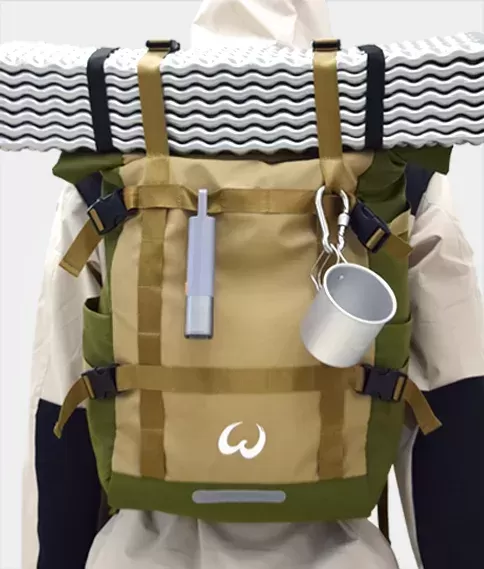
OEM Capabilities and Technical Execution in Lightweight Bag Manufacturing
Creating a highly functional, low-weight bag requires technical precision. When brand managers evaluate a potential manufacturing partner, they must look beyond basic sewing capabilities. They need to analyze how the factory sources advanced textiles and optimizes assembly techniques.
Advanced Materials and Technical Sourcing
Modern bags rely heavily on advanced polymers and specialized weaves to achieve weight reduction. A capable manufacturer should offer a wide range of technical materials. These include:
Ripstop Nylon and Polyester: These fabrics use a reinforcing grid pattern that prevents small tears from spreading. This allows the factory to use thinner base materials without sacrificing overall fabric integrity.
Ultra-High-Molecular-Weight Polyethylene (UHMWPE): Often known by trade names like Dyneema, this material offers an incredible strength-to-weight ratio. It is highly resistant to cuts and abrasions, making it ideal for technical outdoor packs.
Tyvek and Specialized Kraft Papers: For lifestyle and promotional brands, these papers provide a distinct paper-like texture. They remain water-resistant, tear-proof, and remarkably light.
Recycled PET (RPET): Sourcing GRS-certified recycled polyester allows brands to meet environmental goals. It matches the durability of virgin polyester while appealing to eco-conscious consumers.
Using these specialized lightweight materials for bags ensures that the final product feels almost weightless while surviving daily wear and tear.
Structural Weight Reduction and Assembly Methods
Fabric is only part of the equation. Hardware, webbing, and seams add significant weight to a finished product. A professional lightweight bag maker applies specific engineering methods to minimize these components:
Seamless Thermal Bonding: High-frequency welding and heat-sealing eliminate the need for heavy sewing threads and seam tape. This process also improves water resistance.
Laser-Cut Panel Design: Laser cutting seals fabric edges automatically, removing the need for heavy edge-binding tape. It also ensures precise tolerances during assembly.
Optimized Hardware Selection: Replacing heavy metal components with high-density acetal or nylon buckles keeps the bag light. Custom-molded zipper pulls can also replace heavy metal sliders.
Narrow Webbing Systems: Using high-tensile, thin-profile webbing reduces physical weight without compromising load-bearing limits.
The Custom Product Development Process
Bringing a custom lightweight backpack or travel tote from concept to production requires a structured workflow. Professional factories follow clear development phases to minimize errors:
First, the engineering team reviews your design sketches or tech packs. They suggest material substitutions that reduce weight while keeping costs within your target range. Next, they create a 3D digital model or paper pattern to verify the volume and shape of the bag.
After refining the design, the factory produces a physical sample using the specified fabrics and hardware. This sample undergoes initial functional testing to identify potential stress points. Once approved, the production line is set up with specialized jigs to ensure consistent sewing tension and precise bonding.
Design Trends Shaping the Lightweight Bag Market in 2026
As consumer habits evolve, product aesthetics and features must adapt. Brand owners must stay ahead of design trends to keep their catalogs relevant. Working closely with R&D teams, like the product developers at weierken, helps brands implement these modern features early in the design phase.
Hybrid Utility: Seamlessly Bridging Work and Play
The boundary between office wear and outdoor gear continues to blur. Consumers want a single bag that transitions smoothly from a morning commute to a weekend hike. This hybrid demand requires smart, adaptable designs.
Bags must feature clean exterior profiles that look professional in corporate settings. However, they also need weather-resistant external coatings, breathable mesh shoulder straps, and ergonomic back panels. Interior layouts must protect laptops while leaving ample space for gym gear or trail supplies.
Minimalist Aesthetics and Smart Internal Storage
Visual clutter is declining in popularity. Modern bag designs favor clean, unblemished exterior panels. This clean look reduces catch hazards during travel and appeals to minimalist tastes.
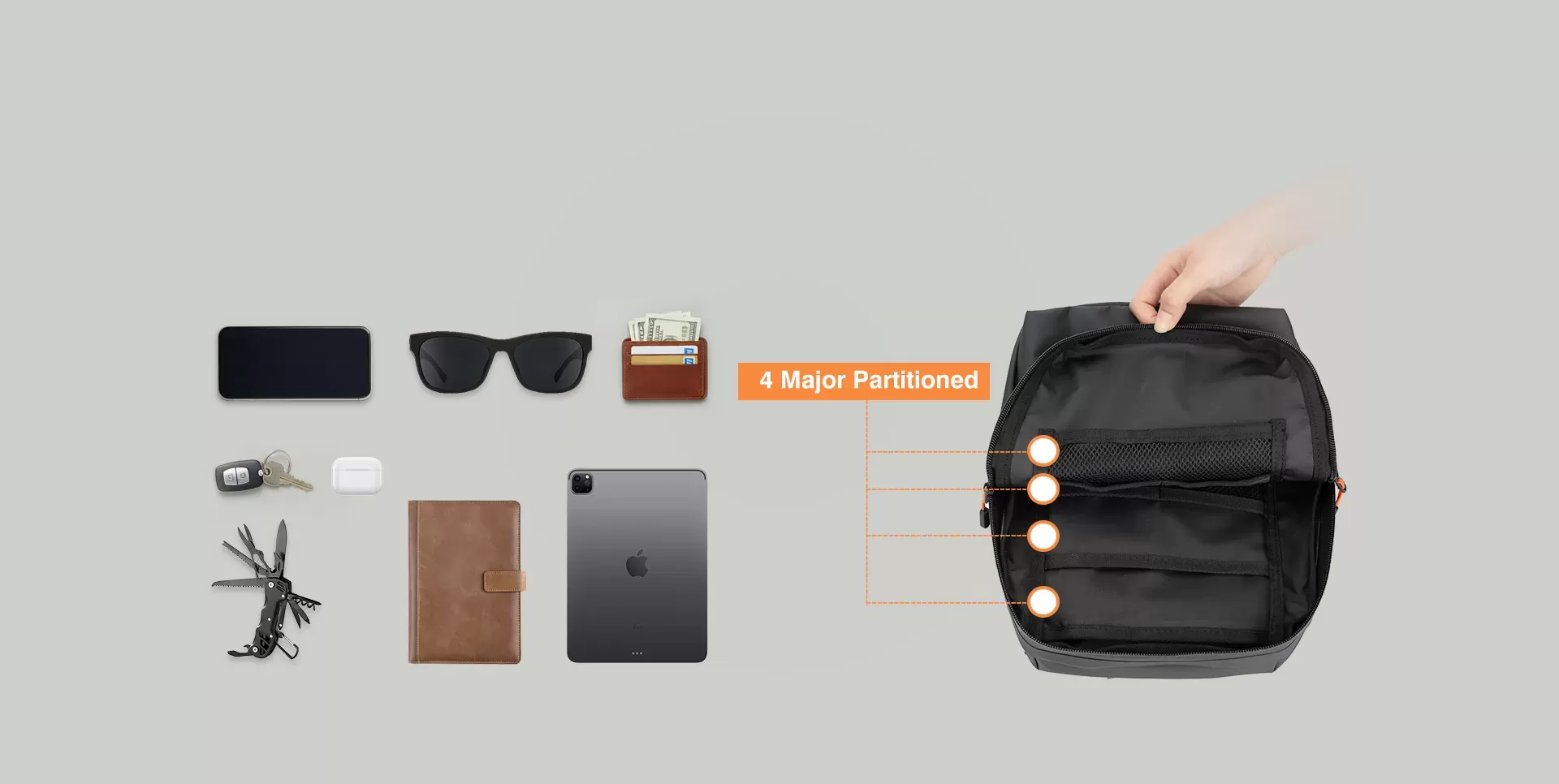
Instead of multiple external pocket layers, modern designs use internal organization systems. These include stretch-mesh dividers, zippered pockets, and magnetic key clips. These interior features organize personal belongings without adding bulk to the bag's exterior silhouette.
Sustainability and Circular Eco-Design
Regulatory pressures and consumer demand are driving the adoption of sustainable bag design trends. Brands must design products with their end-of-life cycle in mind. This has led to several key developments in factory R&D:
Mono-Material Construction: Designing a bag entirely from one polymer family (such as 100% polyester, including zippers, mesh, and thread) simplifies the recycling process.
Fluorine-Free Water Repellents: Switching to C0 or PFC-free durable water repellent (DWR) treatments reduces chemical run-off during manufacturing.
Traceable Material Sourcing: Using verified supply chains ensures that recycled materials are authentic, helping brands back up their environmental claims.
B2B Sourcing Guide: How to Evaluate a Lightweight Bag Factory
Choosing a manufacturing partner involves more than comparing unit prices. A low price can lead to poor construction, late deliveries, or materials that fail in transit. Brand managers can use this brief B2B bag sourcing guide to properly evaluate potential partners.
Rigorous Physical and Material Testing
A reliable factory must verify performance claims through in-house testing. Before signing a production contract, ask if the manufacturer performs the following tests:
| Test Type | Target Metric | Importance for Lightweight Bags |
|---|---|---|
| Tensile Strength Test | Fabric and seam breaking point | Ensures thin materials do not rip under full loads. |
| Martindale Abrasion | Cycles until fabric wear-through | Guarantees the bag base survives rough surfaces. |
| Zipper Durability | Reciprocating open/close cycles | Prevents zipper failures, the most common return reason. |
| Salt Spray Testing | Corrosion resistance over time | Essential for travel and outdoor marine environments. |
Balancing Flexible MOQs with Technical Sourcing
Specialty lightweight materials, like high-tenile nylon or custom-dyed recycled fabrics, often require high minimum order quantities (MOQs) from textile mills. This can be challenging for startup brands or companies testing a new product line.
Ask potential factories if they offer flexible material sourcing. Some manufacturers keep standard colors of high-quality ripstop fabrics in stock. This allows you to order smaller product runs while still using premium materials. Working with a cooperative partner helps you scale up production gradually, minimizing upfront capital risks.
Social Compliance and Factory Certifications
Global brands must protect their reputation by ensuring ethical production. Verify that your manufacturing partner holds international certifications, such as:
BSCI (Business Social Compliance Initiative): Monitors fair labor practices, safe working conditions, and reasonable working hours.
ISO 9001: Verifies that the factory maintains a consistent quality management system across all production runs.
GRS (Global Recycled Standard): Tracks recycled materials from the source to the finished product, ensuring environmental integrity.
Frequently Asked Questions
Are lightweight bags less durable than traditional heavy canvas bags?
Not necessarily. While traditional heavy fabrics like thick cotton canvas offer excellent abrasion resistance, modern technical textiles achieve similar durability at a fraction of the weight. By using high-tenacity yarns like ripstop nylon or UHMWPE blends, a skilled lightweight bag maker can build highly durable products that weigh up to 50% less than traditional designs.
What is the typical MOQ for custom lightweight bags?
Minimum order quantities vary based on material customization. If you use standard, stock-colored materials, many factories can accommodate orders of 500 to 1,000 pieces per style. However, if your design requires custom fabric dyeing, specialized performance coatings, or custom-molded hardware, the raw material suppliers may require an MOQ of 1,500 to 3,000 meters, which increases the finished bag MOQ.
Can eco-friendly fabrics match the performance of virgin synthetics?
Yes. Modern GRS-certified recycled polyester (RPET) and recycled nylon perform almost identically to virgin synthetic fibers. They undergo the same tensile strength, colorfastness, and abrasion testing. Using recycled options allows your brand to meet its sustainability goals without sacrificing product lifespans.
How do you ensure seam strength when using very thin fabrics?
Factories use several techniques to reinforce seams on thin fabrics. These include double-stitching with high-tensile polyester thread, reinforcing stress points with bar-tack stitching, and applying heat-welded seam tape. Seam tape distributes the load across a larger surface area, preventing the thread from cutting through the delicate fabric.
How long does the OEM development process take from sketch to final production?
Typically, the initial design and prototyping phase takes 2 to 4 weeks, depending on design complexity. Once you approve the sample, material sourcing and mass production generally require 45 to 60 days. Working with an organized manufacturer who communicates clearly helps keep your product launch on schedule.
Partner with a Reliable Lightweight Bag Maker
Sourcing high-quality, lightweight bags requires a manufacturing partner who understands both technical textiles and efficient assembly. A balance of low weight, durable construction, and modern design helps your products stand out in a competitive market.
At weierken, we work closely with outdoor brands, lifestyle labels, and e-commerce businesses to develop dependable bag designs. Our manufacturing facilities, technical material sourcing network, and quality control systems are structured to bring your product ideas to life. We help you manage production risks, meet sustainability goals, and deliver reliable gear to your customers.
Are you ready to develop your next lightweight collection? Contact our product development team today to discuss your design specifications, request a sample, or get a production quote. Let us help you turn your concepts into market-ready products.