


Sourcing managers in the cold chain, food delivery, and promotional industries face a common dilemma. While keeping unit prices low is important, focusing only on the per-piece cost of insulation products often leads to unexpected expenses down the road. High freight rates, storage fees, and product failures can quickly drain profit margins.
Working with a specialized lightweight thermal bag maker like weierken offers a practical way to manage these hidden expenses. By prioritizing weight optimization, raw material expertise, and manufacturing consistency, the right partner can help you lower your overall expenses. This guide examines how choosing the right supplier helps you reduce packaging sourcing costs while maintaining the quality your brand needs.
The True Cost of Thermal Bag Sourcing
Procuring thermal bags involves more than just the purchase price. A low-cost bag made with heavy, outdated materials can end up costing you more over its lifecycle. Sourcing professionals must evaluate the Total Cost of Ownership (TCO), which includes several key factors.
Inbound and outbound logistics: Heavy, bulky bags increase shipping fees.
Warehousing space: Rigid designs limit your storage efficiency.
Product replacement rate: Low-quality stitching and poor zippers lead to frequent customer complaints.
Customization errors: Miscommunication during the prototyping phase wastes valuable time and money.
When you partner with an experienced wholesale cooler bag supplier, you can address these cost drivers before mass production even begins.
1. How Lightweight Design Lowers Logistics and Warehousing Costs
Shipping rates are calculated based on both actual weight and dimensional weight. Bulky thermal insulation can quickly drive up transportation bills, especially for air freight or express delivery. A professional lightweight thermal bag maker addresses this challenge directly in the design phase.
Optimizing Material Weight
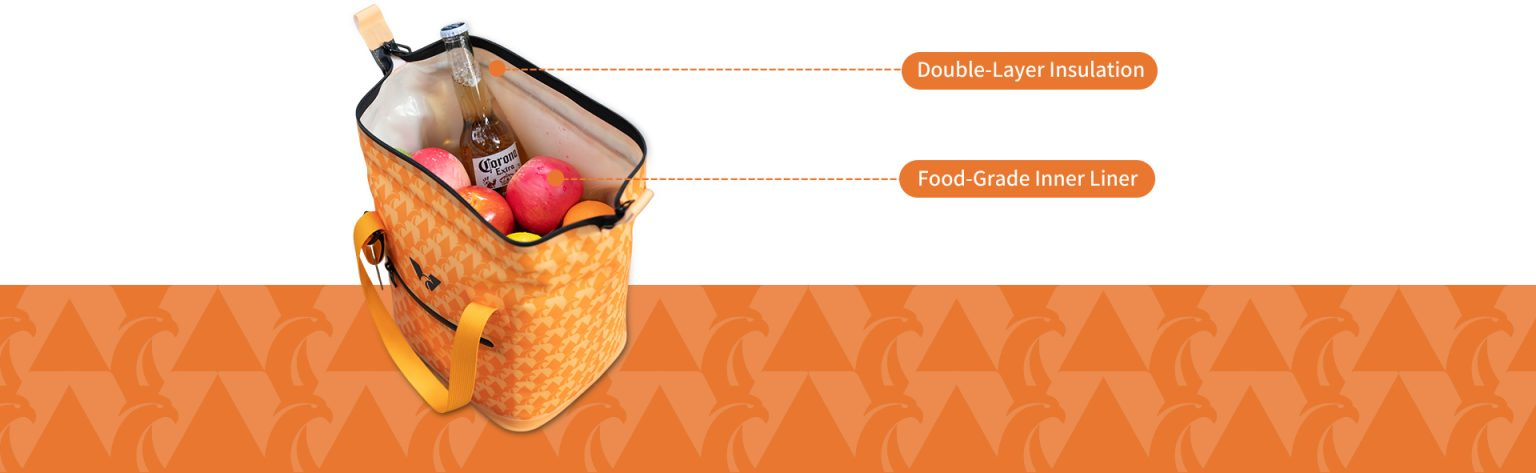
Heavy materials do not necessarily provide better insulation. Modern advancements have made it possible to use highly efficient, lightweight thermal insulation materials. For example, replacing heavy, thick rubber structures with high-density Expanded Polyethylene (EPE) foam or lightweight pearl cotton lowers the weight of each bag without sacrificing its thermal performance.
By choosing thin, highly reflective aluminum foil laminates, a skilled manufacturer reduces physical mass. This small change can shave off hundreds of kilograms from a bulk shipping container, leading to noticeable savings on overseas freight.
Maximizing Container Load Factors
Rigid, bulky coolers take up excessive space in containers and warehouses. A reliable supplier designs collapsible and flat-packable bulk insulated bags. This compact design allows you to pack more units into a single shipping container.
Higher loading density: Flat-packed bags double or triple the number of units per carton.
Lower warehouse footprint: Storing flat-folded bags in your facility keeps your storage costs down.
Easier distribution: Last-mile delivery couriers can carry more bags per trip, reducing local delivery expenses.
2. Saving Money Through R&D and Customization Efficiency
Customization can easily lead to budget overruns if your manufacturer lacks design expertise. Working with an experienced custom thermal bag manufacturer helps you streamline the development process and avoid costly design mistakes.
In the middle of your sourcing journey, partners like weierken can provide engineering support to keep your project on track. Their technical teams analyze your specific use case to balance performance and affordability.
Preventing Over-Engineering
Many buyers pay too much for specifications they do not actually need. For example, a 12-hour cold-retention bag is unnecessary if your delivery window is only two hours. A experienced manufacturer will recommend the right combination of materials for your needs, helping you avoid unnecessary material costs.
Tailored foam thickness: Select 2mm, 3mm, or 5mm foam based on actual delivery times.
Smart fabric selection: Use lightweight, water-resistant non-woven fabrics or polyester instead of heavy, expensive TPU if water immersion is not required.
Optimized closures: Choose lightweight zippers or Velcro closures depending on how the bag will be used.
Faster Sampling Cycles
Slow prototyping delays product launches. A qualified factory with an in-house R&D team can turn design files into physical samples quickly. This speed reduces communication delays, helps you get stakeholders' approval sooner, and avoids the fees that come with repeated sampling rounds.
3. Reducing Returns and Complaints with Quality Control
Cheap thermal bags often suffer from common quality defects. Leaking liners, torn handles, and broken zippers can lead to returned shipments, spoiled food, and damage to your brand's reputation. The cost of handling a customer complaint is often much higher than the initial cost of the bag.
Mitigating Common Defect Points
A reliable lightweight thermal bag maker uses advanced manufacturing techniques to prevent common quality issues:
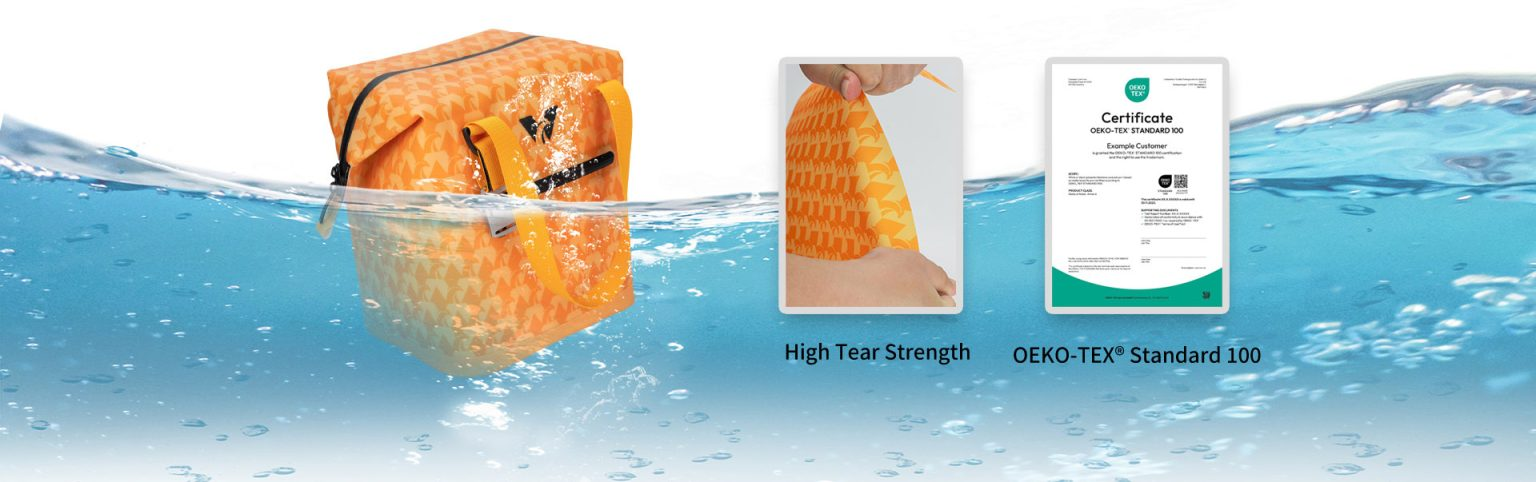
Heat-welded seams: Using high-frequency welding instead of standard stitching creates a leakproof inner lining.
Reinforced stress points: Adding box-stitching or cross-stitching on handles helps them carry heavy loads without tearing.
Durable zipper hardware: Installing sturdy, smooth-gliding zippers prevents premature product failures.
Regulatory and Food Safety Compliance
Importing products that fail food safety regulations can lead to customs delays, fines, or even shipment destruction. Reputable manufacturers ensure that all inner lining materials are food-contact safe and meet international standards like FDA, LFGB, and REACH regulations.
By insisting on certified materials, you protect your supply chain from legal issues and unexpected customs fees.
4. Supply Chain Stability and Flexible Ordering
Production delays can be very costly, especially when you are preparing for seasonal promotions or holiday retail rushes. A manufacturer with stable raw material supply chains can keep production on schedule and protect you from market price swings.
Consistent Lead Times
Experienced manufacturers maintain strong relationships with raw material suppliers. This steady access to foam, fabrics, and zippers ensures predictable lead times, helping you avoid expensive, rushed air freight shipping to meet tight deadlines.
Flexible Minimum Order Quantities (MOQs)
While buying in bulk lowers your per-unit cost, excessive inventory ties up your capital and increases warehousing costs. A cooperative manufacturer offers reasonable MOQs. This flexibility helps you balance low purchase prices with healthy inventory turnover rates.
Selecting a Reliable Lightweight Thermal Bag Maker: A Checklist
When evaluating potential partners for your next thermal bag project, look beyond the price quote. Use this quick checklist to find a supplier that can help you save money over the long term:
| Evaluation Factor | What to Look For |
|---|---|
| Material Expertise | Access to thin, high-performance EPE, PEVA, and reflective foils. |
| In-House R&D | Ability to modify designs to improve container load factors and reduce weight. |
| Quality Certificates | ISO9001, BSCI audits, and food-grade material test reports (FDA/LFGB). |
| Production Capacity | Automated cutting and welding machines that keep quality consistent and lead times stable. |
Work with a Partner That Protects Your Margins
Reducing your sourcing costs is not about buying the cheapest product available. It requires finding a supplier that understands how material weight, design choices, and product quality affect your overall supply chain costs.
At weierken, we focus on helping businesses optimize their packaging and logistics budgets. Our experienced design team creates lightweight, durable, and space-saving thermal bags tailored to your business needs. By focusing on smart engineering and consistent quality, we help you keep your overall sourcing costs under control.
Ready to see how our lightweight designs can help you save on shipping and storage? Contact our team today to discuss your project requirements and receive a detailed quote.
Request a Quote Today
Frequently Asked Questions
1. How does material weight affect shipping costs for bulk insulated bags?
Shipping companies calculate freight costs based on both physical weight and volume. Heavy, rigid bags add extra weight to your shipments, which can quickly increase your air or sea freight bills. Utilizing lightweight materials and flat-pack designs lets you fit more bags into each shipment, lowering your transportation cost per unit.
2. Can lightweight thermal insulation materials perform as well as thick, heavy layers?
Yes. Modern materials like high-density, thin EPE foam paired with highly reflective aluminum laminates offer excellent thermal insulation without the added weight of traditional rubber or thick foam boards. This lets you maintain the cold-retention performance you need while keeping your bags easy to transport.
3. How does weierken help customers avoid over-engineering during design?
We work closely with your team to understand your delivery routes, temperature targets, and typical transit times. By matching the insulation thickness and outer fabric to your actual operating conditions, we help you avoid paying for unnecessary premium materials, keeping your production costs in line with your budget.
4. Why is food-grade compliance important for lowering sourcing costs?
Bags made with non-compliant materials can be delayed or rejected at customs, which can result in storage fees or destroyed shipments. Working with a supplier that uses FDA and LFGB-compliant materials helps you avoid these delays and protects your business from costly product recalls.
5. What is the standard sample turnaround time for a custom thermal bag?
A professional manufacturer can usually prepare custom design samples within 5 to 7 days. This quick turnaround allows you to verify the design, test its insulation performance, and make adjustments before committing to a larger production run.