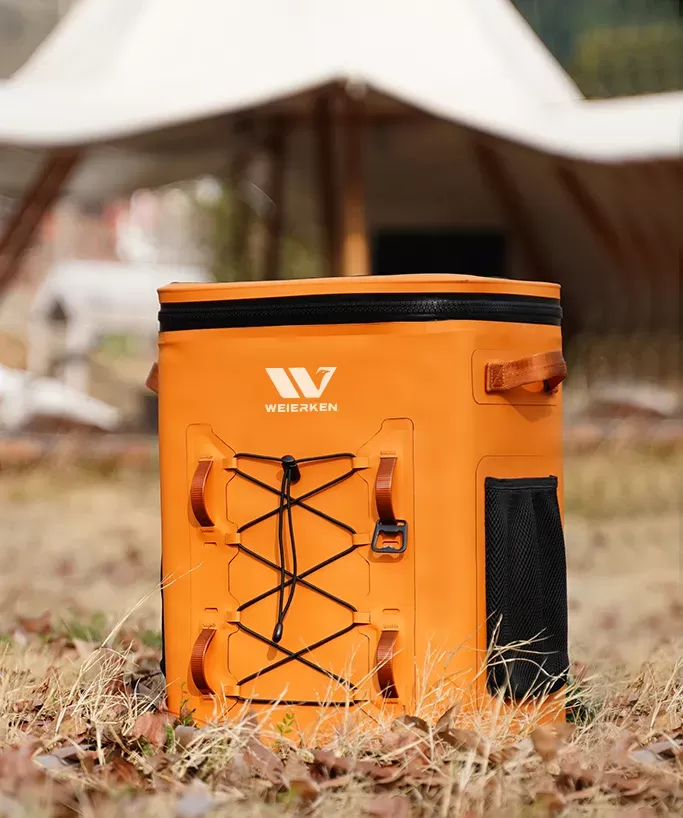

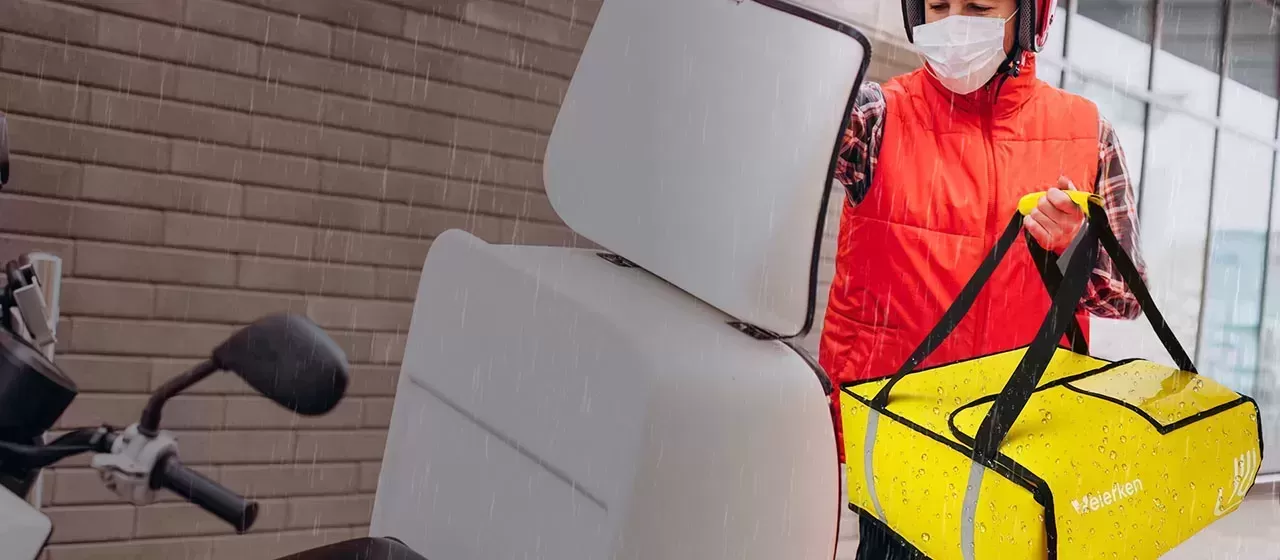
For B2B brands in catering, cold-chain logistics, and outdoor retail, reliable temperature control is essential. Poor insulation or sudden structural failures can ruin shipments and damage customer trust. Sourcing agents need more than a basic factory; they need a partner who understands materials science and structural engineering.
A specialized durable thermal tote maker like weierken addresses these needs. By combining heavy-duty materials with advanced assembly techniques, we help brands create high-performance products that withstand daily commercial wear.
1. Defining Durability: Industrial-Grade Material Standards
Commercial thermal bags endure harsh conditions. They are loaded, unloaded, exposed to weather, and cleaned daily. To survive this cycle, a professional heavy-duty thermal bag manufacturer uses industrial-grade raw materials.
High-Density Outer Shell Fabrics
The exterior fabric serves as the primary shield against abrasion and moisture. Top-tier manufacturers typically offer two main options:
High-Denier Oxford Polyester (600D/900D/1680D): These thick weaves provide exceptional resistance to punctures and tears. A double-polyurethane (PU) coating on the back increases water resistance.
TPU (Thermoplastic Polyurethane) Laminates: Often used in high-end marine or medical logistics bags, TPU-coated fabrics are waterproof, grease-resistant, and easy to clean.
Load-Bearing Reinforcements
The attachment point between the handle strap and the bag body is a common point of failure. Reliable manufacturers run the structural webbing fully underneath the bottom of the bag. This wrap-around design transfers the load to the strap rather than putting strain on the fabric seams.
Additionally, workers reinforce all joints with automated X-box or bartack stitching patterns. These patterns spread mechanical stress across a larger surface area, preventing fabric tears under heavy loads.
Industrial-Grade Zippers and Closures
Zippers undergo heavy use. High-quality manufacturers use durable zippers, such as YKK or customized waterproof zippers with thick TPU teeth. This choice ensures the zipper sliders operate smoothly without catching or splitting under pressure.
2. Thermal Retention and Seamless Leakproof Technology
Temperature control requires high-density thermal barriers. Standard retail bags often use thin, low-density foam. In contrast, an experienced durable thermal tote maker uses a multi-layered insulation system.
Multi-Layer Thermal Barriers
An effective thermal barrier consists of three essential layers working together:
Reflective Inner Lining: Radiant heat transfer is minimized using food-grade aluminum foil or thick PEVA (Polyethylene Vinyl Acetate) liners.
Insulating Foam Core: High-density EPE (Expanded Polyethylene) or NBR (Nitrile Butadiene Rubber) foam forms the middle layer. This foam traps air pockets to reduce conductive heat transfer.
Protective Outer Shell: Blocks convective heat transfer from external wind and ambient air currents.
Seamless Heat-Welding Processes
Traditional sewing creates tiny needle holes in the inner lining. When ice melts, water leaks through these holes into the foam, causing mold growth and insulation loss. To prevent this, a professional leakproof lunch cooler bag supplier uses high-frequency voltage welding or hot-air sealing.
This process melts the edges of the PEVA or TPU liner panels together, creating a unified, seamless barrier. This welding technique ensures the bag remains leakproof even when filled with loose ice or liquids.
3. Custom OEM Capabilities for Modern B2B Brands
Every industry has unique requirements. A school lunch program has different functional needs than a clinical vaccine courier or a high-volume pizza chain. Working with a flexible custom insulated tote OEM allows brands to customize every detail.
At weierken, we translate your specific ideas into physical prototypes. Our technical team works directly with your tech packs, adjusting dimensions, pocket placements, and insulation thicknesses to suit your target environment.
Multi-Scenario Structural Customization
Modern commercial operations require specialized internal storage solutions. Our production lines can integrate several customized hardware options:
Adjustable Hook-and-Loop Dividers: These allow delivery drivers to separate hot and cold items inside the same thermal compartment.
Dedicated Gel Pack Sleeves: These hold ice packs or heating pads securely, ensuring they do not slide around and damage fragile food containers.
External Order Pockets: Transparent PVC sleeves protect shipping manifests and receipts from rain and grease.
Whether you need a lightweight shoulder strap or a reinforced backpack frame, a professional food delivery bag factory can adjust the structural design to fit your delivery vehicles and personnel.
Branding and Aesthetic Integration
A commercial thermal bag serves as a mobile billboard for your brand. Factories must offer diverse logo application methods that remain clear and bright over years of exposure to sunlight and rain. These methods include screen printing, high-definition heat transfers, and durable embossed rubber patches.
4. Food-Grade Safety Compliance and Certifications
Because thermal totes directly transport consumables, chemical safety is non-negotiable. Leading buyers must prioritize safety regulations to avoid expensive liabilities.
BPA-Free and Food-Safe Lining Materials
All raw interior lining materials must be free of heavy metals, phthalates, and bisphenol compounds. When pursuing food-grade insulated bag sourcing, confirm that your manufacturer uses PEVA or FDA-approved linings that comply with LFGB and REACH standards. This safety check ensures the materials will not leach harmful chemicals or odors into hot foods.
Factory Management and Social Audits
Global brands must verify that their suppliers operate ethical facilities. Leading export factories hold ISO 9001 certifications for quality management, alongside BSCI or Sedex SMETA credentials for ethical labor and safety practices.
5. Quality Assurance and Physical Stress Testing
A professional durable thermal tote maker maintains in-house testing laboratories. They run physical stress tests on every batch of bags before shipping to confirm they meet performance standards.
Jolt Oscillation and Tensile Strength Tests
This test evaluates the strength of handles and shoulder straps. Lab technicians load a bag to its maximum weight capacity, mount it on an automated pneumatic arm, and subject it to thousands of violent drop cycles. The seams and buckles must remain intact throughout this process.
Temperature Retention Testing
Thermal testing ensures your temperature-sensitive items stay protected. Technicians place thermal probes inside the bag and place the unit into a climate-controlled chamber. They monitor and log the internal temperature over a 12-hour period to verify the insulation performance.
Frequently Asked Questions
What materials does a heavy-duty thermal bag manufacturer use to prevent leaks?
To prevent leaks, manufacturers use thick PEVA, PVC, or TPU interior liners. These panels are joined using high-frequency dielectric welding instead of traditional sewing needles. This seamless heat-welding process prevents any liquid from leaking into the surrounding foam insulation.
Can we customize the internal dimensions for medical or catering logistics?
Yes. A professional food delivery bag factory can customize the internal dimensions, add heavy-duty dividers, include elastic ice pack mesh pockets, and build hard plastic support structures to meet your logistics requirements.
What are the target markets for food-grade insulated bags?
Common markets include grocery store chains, pharmaceutical distribution, premium food delivery apps, catering companies, and outdoor lifestyle retail brands. These sectors depend on certified food-grade insulated bag sourcing to protect the safety and quality of their items.
What is the typical lead time for a custom insulated tote OEM order?
The standard sampling process takes about 7 to 10 days once technical designs are finalized. After sample approval, mass production typically takes between 35 and 45 days, depending on the availability of custom-dyed fabrics.
How does weierken test the durability of its thermal totes?
We perform standard quality control tests, including jolt oscillation testing to check strap durability, zip cycle tests, seam strength analysis, and thermal retention testing inside climate-controlled chambers to verify performance.
Submit an Inquiry for Your Custom Project
Choosing a reliable durable thermal tote maker protects your logistics chain and keeps your temperature-sensitive items safe. By using advanced manufacturing techniques and certified food-safe materials, weierken helps B2B brands create dependable thermal solutions.
If you are ready to start your next custom order, our engineering team is here to assist. Contact weierken today to discuss your project requirements, request a digital layout, or receive a direct manufacturing quotation.