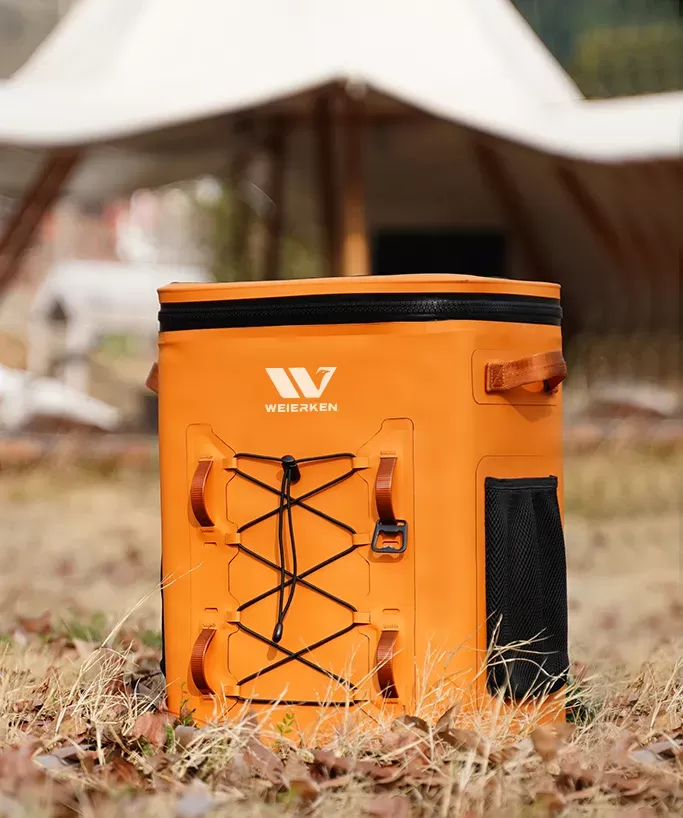


For procurement directors in food service and cold chain logistics, sourcing a thermal bag is a high-stakes decision. A seam failure, a broken zipper, or poor insulation can lead to spoiled goods, failed deliveries, and significant financial losses. The challenge is not just finding a factory, but verifying that it can consistently produce commercial-grade products.
Many suppliers claim to be a durable thermal bag maker, but few can withstand professional scrutiny. At weierken, we believe transparency is the foundation of a strong B2B partnership. This guide outlines four essential auditing rules that professional buyers use to assess a manufacturer's true capabilities, helping you mitigate risk and secure a reliable supply chain.
Rule 1: Scrutinize Raw Material Traceability and Certifications
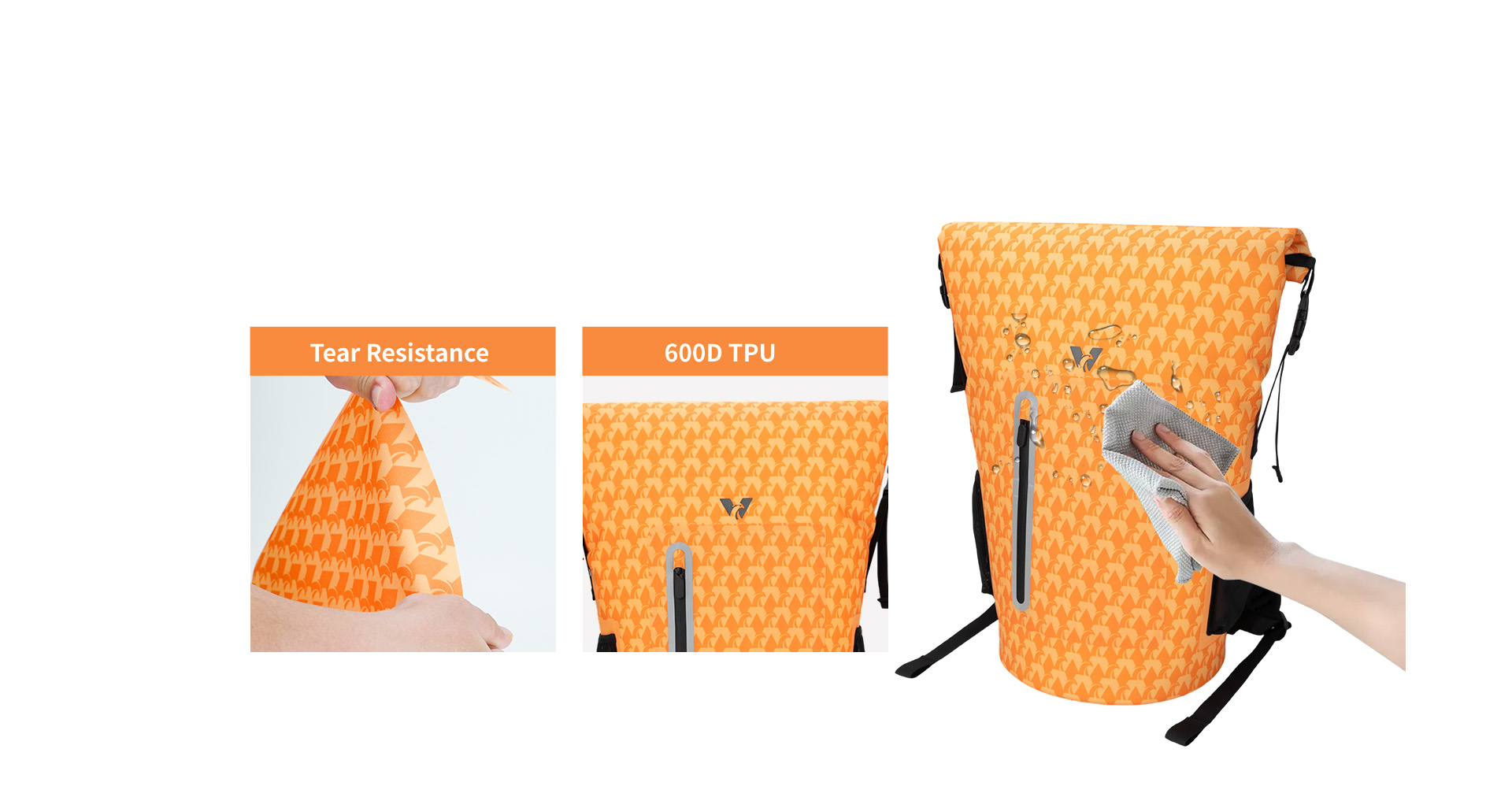
A bag's durability starts with its raw materials. A responsible manufacturer must maintain a transparent and verifiable supply chain for every component, from the outer shell to the inner lining.
Audit for Food-Grade Safety Compliance
Since the inner lining of a thermal bag often comes into contact with food packaging, chemical safety is a primary concern. During an audit, you should demand to see the following:
BPA-Free Test Reports: The factory must provide recent lab reports for its PEVA, TPU, or aluminum foil linings, confirming they are free from Bisphenol-A and other harmful phthalates.
International Standards Compliance: Ask for documentation showing compliance with major international regulations like FDA, LFGB (for the EU market), or REACH. This is a non-negotiable step for any brand exporting to Western markets.
Verify Insulation Core Integrity
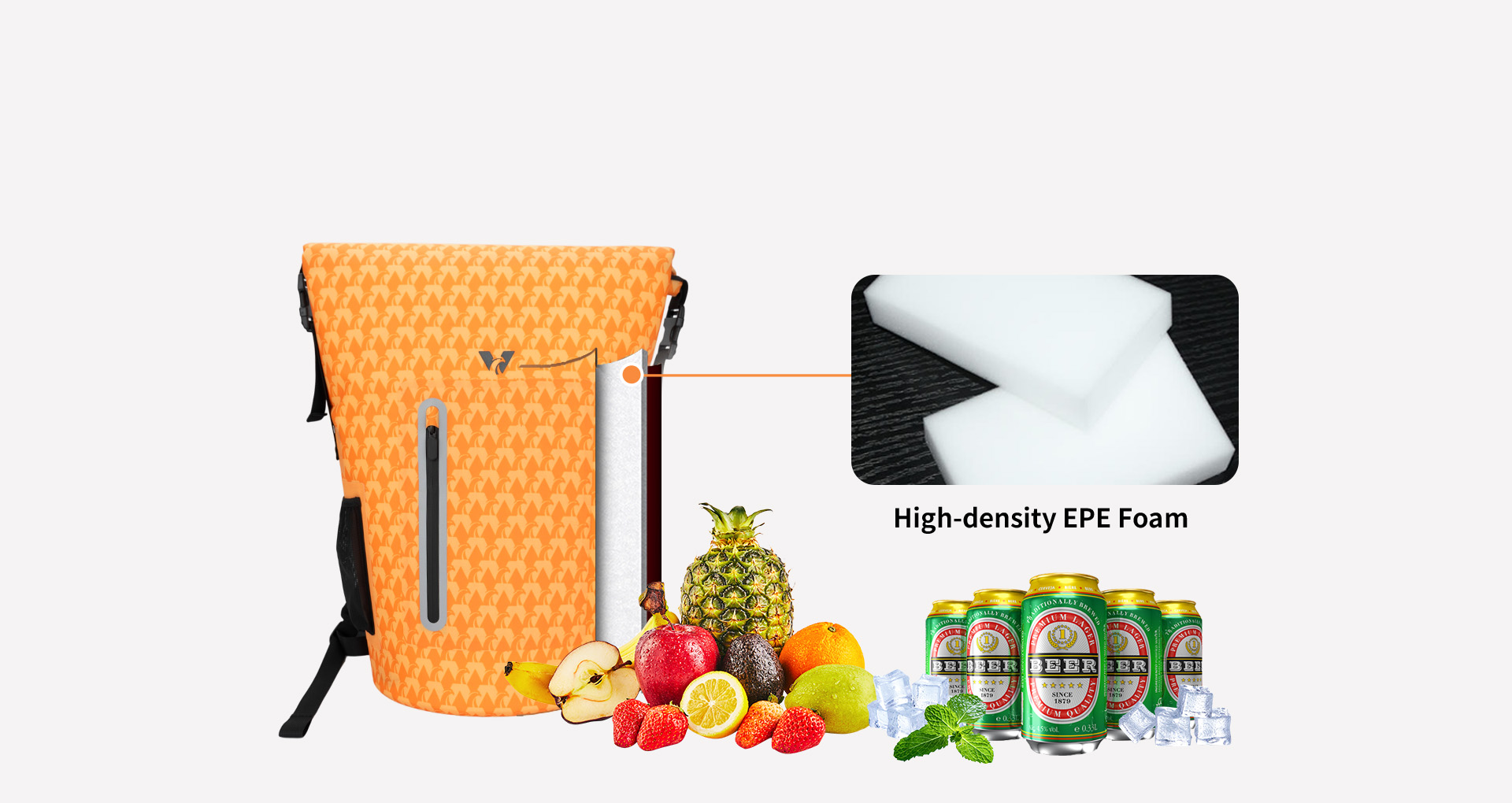
The insulation material is the heart of any thermal bag. A common cost-cutting tactic is to use foam that is thinner or less dense than specified. When on-site, inspect the raw material warehouse. Check the rolls of EPE foam or NBR rubber to ensure the thickness is consistent and matches the specifications in your tech pack. Inconsistent materials are a major red flag.
Rule 2: Evaluate Welding and Heavy-Duty Stitching Equipment
The assembly method is what separates a standard cooler from a truly durable commercial bag. The factory's investment in specialized machinery is a direct indicator of its commitment to quality.
Confirm the Presence of High-Frequency Welding Machines
A genuinely leakproof thermal bag manufacturer does not sew the inner lining. Sewing creates thousands of tiny needle holes that allow water from melted ice to seep into the insulation foam, leading to mold and reduced thermal performance. True leakproofing is achieved with seamless welding.
During your audit, look for a dedicated workshop with high-frequency (HF) or ultrasonic welding machines. These machines use electrical currents to melt the liner seams together, creating a single, impenetrable waterproof barrier.
Inspect for Heavy-Duty Sewing and Bartack Machines
The durability of handles and shoulder straps depends on reinforced stitching. A standard sewing machine cannot properly secure load-bearing webbing to thick, multi-layered fabric. Your audit of the sewing floor should confirm the use of:
Computerized Bartacking Machines: These automated machines stitch dense, reinforced patterns (like an X-box) at all major stress points, such as where handles and D-rings attach to the bag body.
Post-Bed Sewing Machines: These are designed to handle the bulky and awkward shapes of fully assembled bags, ensuring clean, straight stitch lines even in tight corners.
Rule 3: Verify the Factory's In-House Testing Laboratory
A reliable manufacturer takes ownership of quality control. While third-party testing is important for final certification, a factory with an in-house lab demonstrates a proactive approach to insulated bag quality control throughout the production process.
Your audit should include a visit to their on-site lab to verify they have the equipment to perform these critical physical tests:
Zipper Reciprocating Tester: This machine automatically opens and closes a zipper thousands of times to test the long-term durability of the slider and teeth.
Jolt Oscillation Tester (Load Jerk Tester): The bag is loaded to its maximum weight capacity and then mechanically jerked and shaken to simulate real-world use. This tests the seam strength of handles and straps.
Thermal Retention Chamber: The bag is filled with a hot or cold source and placed in a temperature-controlled environment. Internal probes record the rate of temperature change, verifying the bag's insulation performance against your specifications.
A factory like weierken invests in these instruments because it allows our engineers to identify potential weaknesses before mass production begins, saving clients time and money.
Rule 4: Confirm On-Line QC Management and AQL Execution
Consistent quality is not an accident; it is the result of a systematic, documented quality control process. During your audit, assess how the factory manages quality on the production line itself.
The Three Gates of Quality Control
Look for evidence of a structured three-stage inspection process:
IQC (Incoming Quality Control): A dedicated team inspects raw materials upon arrival. They should be checking fabric color consistency, zipper smoothness, and buckle strength before the materials ever reach the cutting floor.
IPQC (In-Process Quality Control): Supervisors and roaming QC inspectors should be checking work at multiple stages of assembly. They measure stitch density, check for proper seam alignment, and test the strength of welded liners.
FQC (Final Quality Control): Before packing, a final inspection team should review every finished bag for cosmetic defects, loose threads, and overall cleanliness. This team is also responsible for needle detection, running each bag through a machine to ensure no broken needle fragments are left inside.
Ask to see the QC checklists and records for each station. A well-organized factory will have this documentation readily available. For final inspections, verify that the factory applies standard AQL standards for backpack sourcing, typically AQL 2.5 for major defects and 4.0 for minor defects.
To help sourcing managers, we have developed a comprehensive Factory Audit Checklist based on these four rules. It provides a scorable framework you can use to systematically evaluate any potential manufacturing partner.
Frequently Asked Questions
How can I verify if a factory is truly a leakproof thermal bag manufacturer?
During a factory tour, ask to see their seamless welding department. A genuine leakproof manufacturer will use high-frequency (HF) or ultrasonic welding machines to fuse the inner liner seams. If they are only using sewing machines with seam-sealing tape, the bag is water-resistant, not truly leakproof.
What does it mean for a factory to be a BSCI certified thermal bag maker?
BSCI (Business Social Compliance Initiative) is a leading social auditing system. A **BSCI certified thermal bag maker** has been independently audited and verified to meet international standards for fair labor practices, workplace safety, and ethical business conduct. It is a critical certification for brands concerned with supply chain responsibility.
What are AQL 2.5/4.0 standards, and why are they important?
AQL stands for Acceptance Quality Limit. It is a statistical sampling method used for final product inspections. An AQL of 2.5 means that for a given lot size, no more than 2.5% of the units inspected can have major defects. It is an industry-standard benchmark for insulated bag quality control.
How do I know if the insulation foam being used is the correct thickness?
Ask the factory's QC manager to measure the foam thickness with a digital caliper during your visit. You should do this both in the raw material warehouse and by checking a partially assembled bag on the production line to ensure consistency.
What is the most important question to ask when learning how to audit a bag factory?
One of the most revealing questions is, "Can you show me your QC records for our most recent production run?" A reliable factory will have detailed IQC, IPQC, and FQC reports readily available. Hesitation or a lack of documentation is a significant warning sign.
Build Your Supply Chain on a Foundation of Trust
A thorough audit is the best way to protect your brand from quality failures and production delays. By applying these four rules, you can move beyond surface-level evaluations and gain a true understanding of a manufacturer's capabilities.
At weierken, we welcome this level of detailed inspection. Our processes are designed to meet and exceed the rigorous standards of global brands. Contact our team today to schedule a virtual factory tour or to request our full compliance documentation and see how a truly reliable durable thermal bag maker operates.