

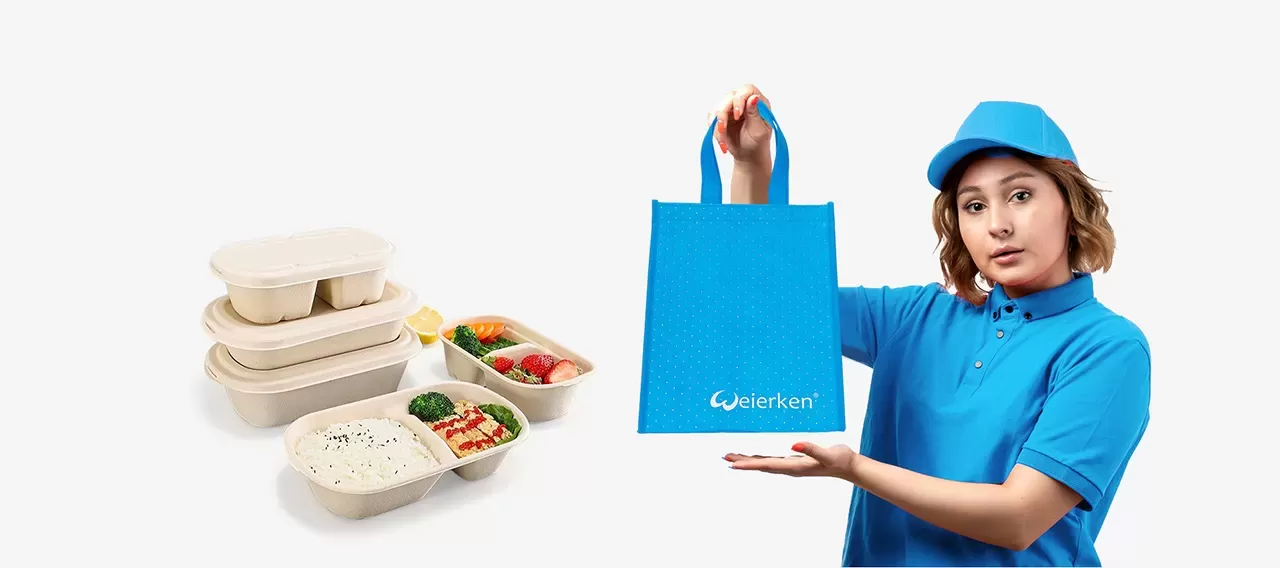
Corporate procurement teams face a persistent challenge. Consumers expect sustainable packaging, but raw material costs for green alternatives remain high. Sourcing managers must find ways to transition to sustainable solutions without hurting their operational margins.
Working with a middleman often adds unnecessary expenses. When you partner directly with a specialized eco friendly bag maker like weierken, you can access structural savings. Direct manufacturing helps you lower unit costs while maintaining strict environmental compliance.
1. Eliminating Middlemen: The Direct Pricing Advantage
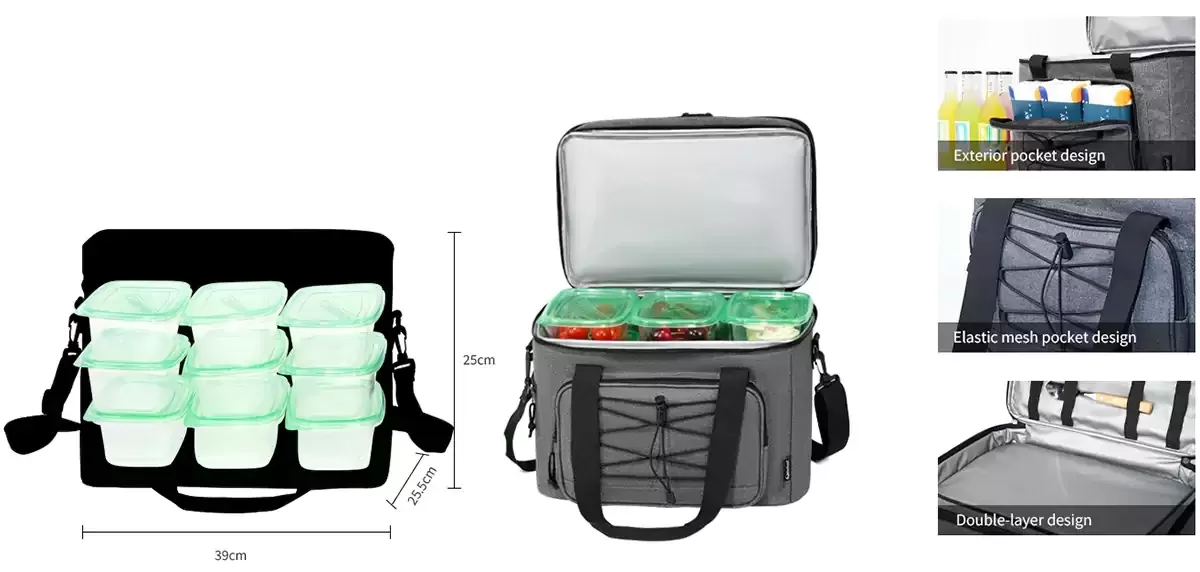
The traditional sourcing route involves multiple layers. Trading companies, brokers, and local distributors all insert their own markups. This standard supply chain structure often inflates the final cost of goods by 15% to 30%.
By shifting to a direct eco friendly bag factory, you eliminate these intermediate markups. This simple change allows you to secure factory-floor pricing directly. A direct relationship also gives you immediate access to clear, uninflated cost breakdowns.
Communication also improves when you remove third-party agents. Direct contact reduces lead times and prevents miscommunications regarding material specifications or custom dimensions. You speak directly to the engineers who make your bags, which means faster adjustments and fewer costly production errors.
2. Material Engineering: Balancing Eco-Standards and Budget
Sourcing sustainable materials does not require paying premium prices. A knowledgeable eco friendly bag maker uses smart material engineering to help you choose the right fabric for your specific commercial application.
Selecting Cost-Effective Eco Materials
Different materials serve different commercial purposes. Matching the material to your application helps you avoid paying for unnecessary durability:
RPET (Recycled Polyethylene Terephthalate): This material works well for heavy-duty shopping bags or backpacks. Adjusting the fabric weight (GSM) allows you to balance strength and unit cost.
Recycled Cotton vs. Organic Cotton: Organic cotton requires expensive certification processes. Recycled cotton utilizes post-industrial textile waste, offering a more cost-effective eco friendly packaging option for promotional events.
Non-Woven Polypropylene (NWPP) and PLA: These materials are highly suitable for high-volume grocery bags. Sourcing from a reliable custom non-woven bag supplier helps you keep prices low for high-quantity runs.
Raw Material Bulk Purchasing Power
A high-volume factory has substantial purchasing leverage with fabric mills. A certified GRS certified bag manufacturer purchases massive rolls of recycled material, securing lower per-yard rates. They can then pass these raw material savings directly to you.
3. Design for Manufacturing (DFM): Cutting Down Waste
A major portion of manufacturing waste occurs before production even begins. Poor product layouts and inefficient designs result in wasted fabric, which drives up your unit cost.
Layout Optimization to Minimize Scrap
Professional bag pattern makers analyze how bag panels fit onto standard fabric rolls. By adjusting the dimensions of your bag by just one or two centimeters, a skilled pattern maker can improve fabric yield.
At weierken, our technical design department reviews your technical files to find these savings. Minimizing fabric scrap lowers the overall weight of raw materials needed for your production run, directly reducing your costs.
Smarter Printing Methods
Applying the correct printing method is critical to managing setup fees. We help you choose the most efficient option for your design:
Silk Screen Printing: This is highly economical for simple logos and low-color designs in moderate quantities.
Rotogravure Printing: While the initial plate setup cost is high, this method offers the lowest per-unit cost for high-volume, full-color prints.
Water-Based Digital Printing: This method avoids setup charges entirely, making it ideal for small, highly detailed product runs.
4. Reducing Compliance and Testing Costs
Hidden costs often come from quality failures and regulatory delays. If your bags fail custom inspections or do not meet local environmental claims, you face expensive penalties.
Verifiable Environmental Certifications
Working with a certified eco friendly bag maker protects your brand from greenwashing risks. Look for factories that hold verifiable credentials:
Global Recycled Standard (GRS): This certificate tracks recycled materials from their source to the finished product, proving your environmental claims are legitimate.
FSC (Forest Stewardship Council): Necessary for any paper or wood-based packaging materials.
OEKO-TEX Standard 100: Confirms that textiles are free from harmful chemicals, preventing custom seizures in European and North American ports.
By sourcing from an audited, compliant supplier, you save on third-party verification testing. This compliance ensures your shipments clear customs quickly without unexpected storage fees.
5. Packing and Freight Consolidation Strategies
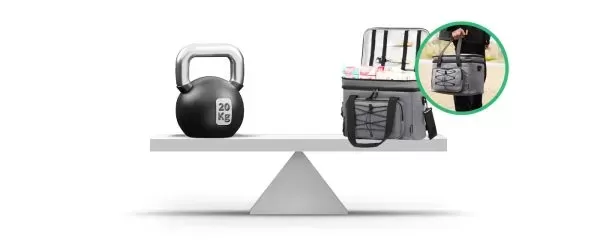
Eco-friendly bags are lightweight but can take up a lot of space. High volumetric weight often leads to expensive international freight charges if the cargo is not packed efficiently.
A professional eco friendly bag maker uses advanced packing techniques to maximize shipping space. Using heavy hydraulic bailing presses allows factories to compress soft bags into tight, dense bales. This method reduces the overall volume of your shipment.
Reducing the shipping volume of your wholesale reusable bags bulk orders allows you to fit more units into a single container. This optimization lowers your per-unit shipping and warehousing costs significantly.
Frequently Asked Questions
Why is sourcing from a direct eco friendly bag factory cheaper than using a trading company?
Direct factories eliminate the intermediary markups that trading companies add to cover their overhead and profit margins. Direct sourcing also reduces communication delays, allowing you to finalize specifications and resolve production issues much faster.
Can we achieve cost-effective eco friendly packaging using recycled materials?
Yes. By optimizing fabric weight (GSM) and refining the product's dimensions, you can offset the slightly higher cost of recycled materials. Using recycled cotton or non-woven rPET provides a premium look while keeping costs manageable.
What certifications should I check when looking for a certified eco friendly bag maker?
The most important certifications are GRS (Global Recycled Standard) for recycled synthetics, OEKO-TEX for chemical safety, and ISO 9001 for quality management. You should also look for social compliance audits like BSCI or Sedex SMETA.
How does a custom non-woven bag supplier help reduce our shipping fees?
Non-woven bags are highly compressible. A specialized manufacturer uses industrial packing presses to compress the bags, reducing their volumetric size. This packing optimization allows you to fit more units into your shipping containers and lowers your freight costs.
How can we reduce our initial plate and setup charges for multi-color printing?
To reduce setup charges, try to simplify your artwork to use fewer colors, or select silk screen printing for small production runs. For large bulk orders, rotogravure printing offers the lowest unit cost, which helps absorb the initial plate setup fees over time.
Request Your Cost-Optimization Assessment
Lowering your procurement costs does not mean you have to compromise on your environmental standards. By focusing on smart design, direct communication, and efficient logistics, weierken helps brands source sustainable packaging within their budget constraints.
If you are ready to evaluate your current packaging design and find potential savings, our team is here to help. Contact weierken today to submit your specifications and receive a free cost-optimization and manufacturing assessment.