

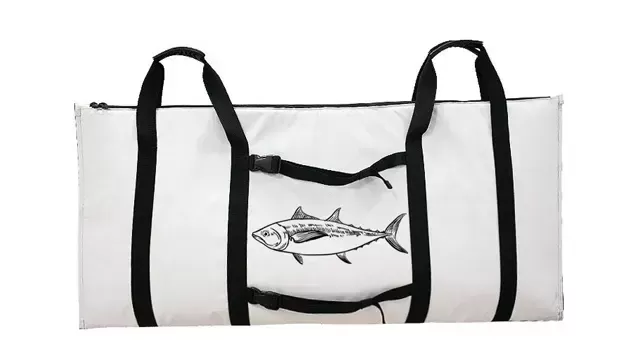
The global recreational fishing market has evolved dramatically. Anglers no longer settle for basic canvas sacks or cheap carryalls. Modern fly fishers and lure anglers demand specialized gear built to withstand saltwater spray, abrasive rocks, and heavy tackle loads.
For outdoor product managers and DTC brand founders, sourcing technical gear presents distinct engineering challenges. A zipper that jams in ocean spray or a bag bottom that soaks up bilge water will destroy customer trust. You need a supply chain partner who understands real-world fishing scenarios.
Working with specialized fishing bag manufacturers ensures your product line delivers exact box fitment, robust waterproofing, and rust-proof hardware. Experienced manufacturers like Weierken help technical outdoor brands design, prototype, and mass-produce high-margin fishing packs for global retail markets.
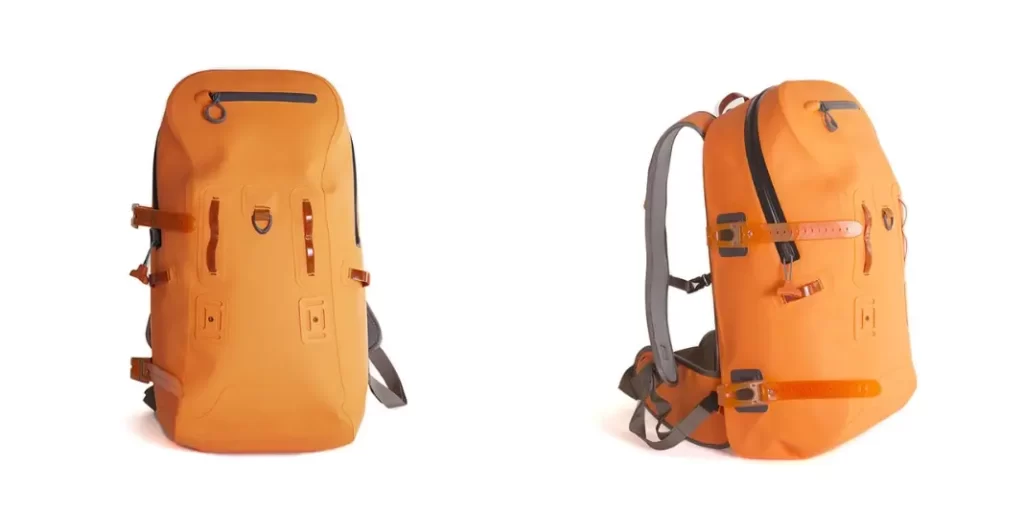
Manufacturing Differences: Fly Fishing Bags vs. Conventional Tackle
Bags
A factory built for basic school backpacks cannot handle technical fishing gear. Fly fishing and lure angling require completely different bag architectures, material weights, and attachment points.
1. Engineering Requirements for Fly Fishing Bags
Fly anglers wade deep into rivers and coastal flats. They need lightweight, body-conforming packs that keep critical tools accessible while casting with one hand.
Ergonomic Styles: Chest packs, sling bags, and lumbar hip packs that sit high on the torso to stay clear of rising river water.
Fly Patches & Tool Docks: High-density EVA foam patches on exterior drop-down pockets for drying wet flies, plus recessed sheath docks for retractors, nippers, and forcep clamps.
TPU Submersion Tech: A specialized TPU waterproof fly fishing sling bag uses radio-frequency (RF) welded seams and airtight zippers to keep electronics dry during accidental deep wades.
2. Engineering Requirements for Heavy-Duty Lure & Tackle Bags
Lure anglers carry heavy plastic utility boxes filled with metal jigs, lead sinkers, and sharp hooks. These bags prioritize load-bearing structure and exact dimensional fitment.
Box Fitment Precision: Internal main compartments must match standard utility trays (like Plano 3600 or 3700 series and Meiho boxes) without wasted volume or tight corners.
Abrasion-Resistant Shells: Heavy 840D or 1680D nylon shells with thick polyurethane backings prevent sharp hook points from snagging and tearing the interior lining.
Molded Base Integration: Heavy bottom loads require rigid bases that keep the bag upright on pitching boat decks or muddy riverbanks.
5 Hardcore Benchmarks to Evaluate Fishing Bag Suppliers
Before selecting a tackle bag manufacturer for your upcoming product line, audit their technical capabilities against these five manufacturing standards.
1. Saltwater-Resistant Hardware and Component Sourcing
Ocean spray ruins standard metal hardware within weeks. Reliable factories source purpose-built, anti-corrosive components designed for marine environments.
Molded Nylon Zippers: Heavy-duty plastic tooth zippers (such as YKK VISLON®) prevent salt crystal binding and galvanic corrosion.
Coated Waterproof Zippers: YKK AquaGuard® or airtight TPU-coated zippers prevent driving rain and ocean spray from soaking inner pockets.
Composite Hardware: High-impact acetal or nylon D-rings, carabiner loops, and buckles replace standard metal rings that rust over time.
2. Advanced Waterproof Fabrics and RF Welding Capabilities
Water resistance ranges from splash-proof DWR coatings to fully submersible IPX7 construction. Your factory must possess the machinery required for your target waterproof rating.
Standard cut-and-sew production works well for water-resistant tackle bags using 600D polyester with PVC backing. However, producing submersible fly fishing packs requires high-frequency RF welding machines that melt double-sided TPU fabrics into seamless, airtight bonds.
3. In-House Molded EVA Base Technology
An EVA molded base fishing bag keeps gear safe from standing water on boat floors. The factory must mold thick, high-density ethylene-vinyl acetate (EVA) sheets into waterproof bottom tubs.
Direct integration of an EVA base requires specialized stitching or bonding jigs. The base must resist skidding on slick fiberglass decks while resisting oil, fuel, and saltwater degradation.
4. Modular Attachment Systems and Custom Tool Retention
Anglers customize their packs with water bottle holders, fish grippers, pliers, and rod tubes. Premier fishing bag manufacturers build built-in modular attachments into exterior panels.
Laser-Cut MOLLE Panels: Hypalon or TPU laminated sheets cut with precision lasers offer low-profile attachment grids without absorbing water.
Rod Tube Holsters: Reinforced webbing loops and shock-cord keepers hold spare fly rod tubes securely against the side panel during hikes.
Plier Sheaths: Molded or heavy-webbing exterior holsters with secondary lanyard D-rings prevent expensive pliers from falling overboard.
5. Strict Quality Control and In-House Testing Protocols
Top-tier suppliers maintain dedicated testing equipment to verify long-term performance under harsh field conditions.
Salt Spray Chamber Testing: Exposes zippers, snaps, and pulls to continuous salt fog to verify corrosion resistance before bulk assembly.
Seam Pull & Load Drop Testing: Tests shoulder strap anchor points under heavy load drops (e.g., 15-20 kg loaded weights) to ensure zero seam failure.
Water Submersion QC: Inflates and submerges welded waterproof packs to detect micro-pinholes along welded seams.
Sourcing Workflow: How to Partner with an OEM Tackle Bag Factory
Developing a custom fishing pack from scratch requires clear technical communication. Follow this proven procurement workflow to keep sample costs low and lead times predictable.
Step 1: Provide Exact Tray Dimensions and Spec Sheets
Do not send generic descriptions like "medium-sized tackle bag." Provide exact length, width, and height dimensions of the utility boxes your customers use. Specify preferred shell denier, zipper grades, and foam padding densities in your initial tech pack.
Step 2: Prototype Sampling and Field Water Testing
Once your OEM fishing tackle bag factory delivers the first physical sample, test it on the water. Check how easily zippers operate with gloved hands, verify tool access while wearing the pack, and submerge the bottom base in water for 48 hours to inspect for moisture penetration.
Step 3: Align Production Schedules with Seasonal Launches
The outdoor fishing market runs on strict retail seasons. Spring launches require finalized production orders by early autumn. Partner with an established waterproof fishing backpack supplier like Weierken early to lock in raw material lead times and secure vessel shipping slots well ahead of peak sales seasons.
Frequently Asked Questions (FAQ)
1. What is the best fabric for waterproof fishing bags?
Heavy-duty nylon (840D or 1680D) coated with Thermoplastic Polyurethane (TPU) offers the best combination of abrasion resistance, tear strength, and complete waterproofing. TPU stays flexible in cold weather and supports high-frequency RF welding for seamless construction.
2. How do fishing bag manufacturers prevent saltwater corrosion on zippers?
Factories use molded injected-plastic tooth zippers (like YKK VISLON®) or specialized TPU-extruded airtight zippers instead of traditional metal coil zippers. They also replace metal sliders with composite plastic or coated marine-grade stainless steel sliders.
3. Can a tackle bag factory customize internal dividers to fit standard tackle boxes?
Yes. A specialized custom tackle box bag manufacturer builds adjustable internal divider systems using padded high-density EVA foam and heavy-duty loop fabric. This allows anglers to configure interior space for Plano 3600, 3700, or custom-shaped lure trays.
4. What is the difference between an EVA molded base and a standard coated fabric bottom?
An EVA molded base is a semi-rigid, seamless tub that prevents standing water, oil, and mud from soaking through the bottom of the bag. Coated fabric bottoms resist moisture initially but eventually wear down and leak when dragged across rough boat decks or gravel banks.
5. What is the typical lead time for producing custom OEM fishing bags?
Prototype development generally takes 10 to 15 days. Once pre-production samples receive final approval, mass production lead times typically range from 35 to 50 days, depending on raw material sourcing and order volume.
Develop Your Next Technical Fishing Line
Building high-performance fishing packs requires an OEM manufacturing partner that understands technical materials, corrosion resistance, and angler ergonomics. Aligning your brand with experienced fishing bag manufacturers ensures every zipper, seam, and base panel holds up under demanding water conditions.
Partner with a trusted manufacturing team to bring your designs to market. Contact Weierken today to discuss technical specifications, review material swatches, or request a complete OEM proposal for your next product launch.
Download Free Resource: "OEM Fishing Bag Tech Pack & Material Specification Sheet (PDF)." Submit your sourcing inquiry below to access our engineering template and start your RFQ process immediately.