

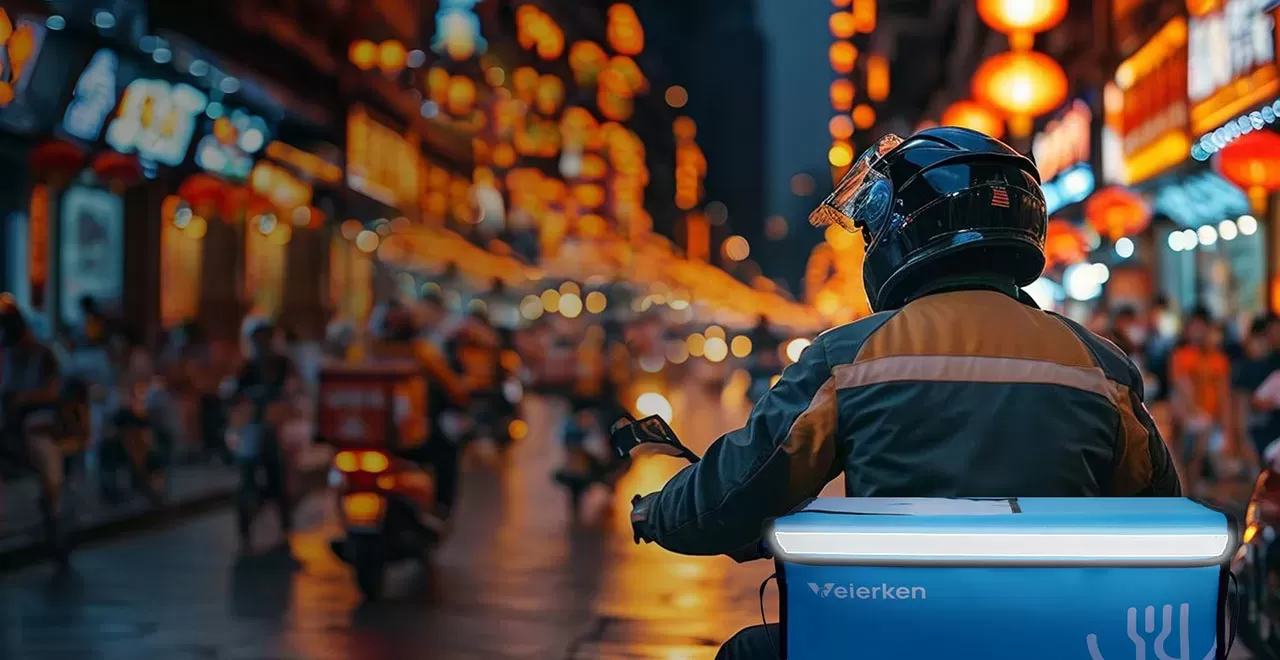
Last-mile distribution is often the most vulnerable link in cold chain logistics. Fleet managers face several challenges every day. Drivers must frequently open van doors, which allows cold air to escape and causes temperature spikes inside the cargo area.
At the same time, different customers require different storage conditions. Delivering frozen products alongside chilled goods on a single route requires reliable organization. Choosing the right frozen food delivery bag maker is a critical step in maintaining food safety during transit.
A professional manufacturer does more than sew fabric and foam. They design mobile, modular thermal protection systems that help fleets run more efficiently. As an experienced supplier, weierken helps commercial operators protect their frozen goods, reduce waste, and simplify delivery processes.
Fleet-Grade Design Requirements
Standard retail insulated bags cannot survive the daily demands of a commercial delivery fleet. Couriers throw, slide, stack, and clean these bags hundreds of times each week. To withstand this heavy use, a commercial delivery bag manufacturer must focus on durability and structural strength.
1. Durability Under High-Frequency Use
The hardware on a delivery bag usually wears out first. Heavy-duty bags require reinforced materials at every high-stress point to prevent unexpected failures.
Industrial Zippers: Standard zippers easily split under pressure. Fleet-grade bags require thick, molded plastic zippers or heavy-duty YKK zippers that slide smoothly even in freezing temperatures.
Base Protection: Dragging bags across truck beds and concrete floors causes rapid wear. Adding thick plastic base studs, rubber molded feet, or a double-layer PVC bottom prevents tears.
Reinforced Stitching: Carrying heavy loads places immense stress on the handles. Manufacturers use cross-box stitching and metal rivets to secure the carrying straps directly to the bag's frame.
2. Space Optimization and Stackability
Loose, soft-sided bags slide around inside delivery vans, which can damage fragile food packaging. They also waste valuable cargo space. Logistics managers require structured, box-like designs that stack neatly.
Internal Stiffeners: Inserting lightweight, rigid polypropylene (PP) boards or fiberglass rods into the bag walls prevents collapsing when empty.
Modular Dimensions: Designing bag sizes to match standard European or US plastic crates allows for fast loading and neat stacking inside delivery vehicles.
Heavy-Density Foam Cores: Using rigid, high-density foam instead of soft padding provides both excellent thermal insulation and structural support.
Custom Solutions for Operational Efficiency
Efficiency in logistics is measured in seconds. If a delivery driver struggles to find an item or close a bag, delivery times slow down. Working with an experienced frozen food delivery bag maker like weierken allows you to integrate smart, time-saving features.
1. Multi-Temperature Delivery Solutions
Sending out separate trucks for chilled and frozen orders increases fuel costs. Utilizing multi-temperature delivery solutions inside a single bag allows you to combine routes.
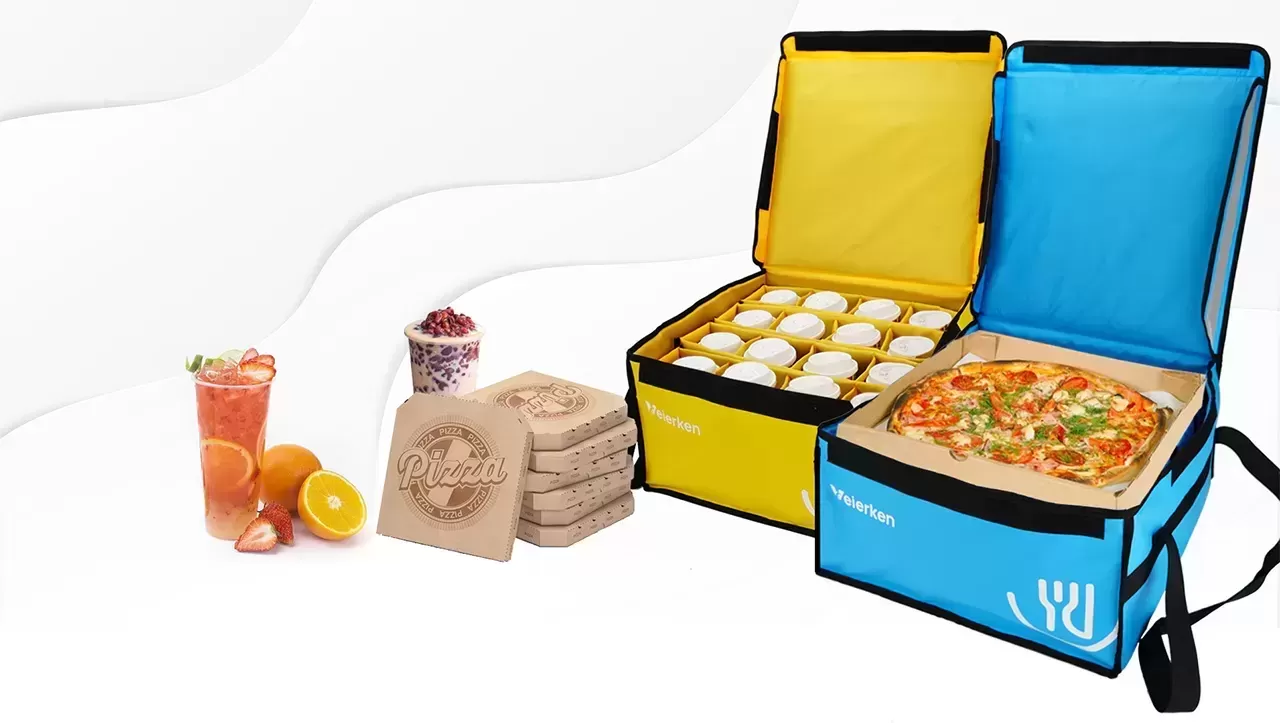
Adjustable Velcro Dividers: Thick, insulated internal walls can be moved to change compartment sizes as needed.
Separate Access Hatches: Small top openings allow drivers to grab specific items without opening the main compartment, which prevents cold air from escaping.
Dual-Insulation Zones: Using different foam thicknesses in different compartments allows you to store frozen foods at -18°C on one side and fresh produce at 4°C on the other.
2. Smart Hardware Integration
Modern fleets rely on data to prove cold chain compliance. Modern delivery bags must easily accommodate tracking hardware.
Data Logger Pockets: Clear mesh or PVC pockets keep temperature sensors secure and visible without exposing them to direct moisture.
RFID and Barcode Sleeves: Placing transparent cardholders on the outside of the bag allows for rapid scanning at distribution centers.
GPS Tracker Sleeves: Hidden internal pockets keep asset trackers safe from theft and moisture.
3. Fast Loading and Identification
Quick identification reduces errors at the loading dock. Simple design features help drivers locate the right order instantly.
Transparent Document Windows: Exterior pockets hold paper invoices and delivery receipts securely.
Color-Coded Handles: Using red, blue, or green handles makes it easy to separate frozen, chilled, and ambient orders at a glance.
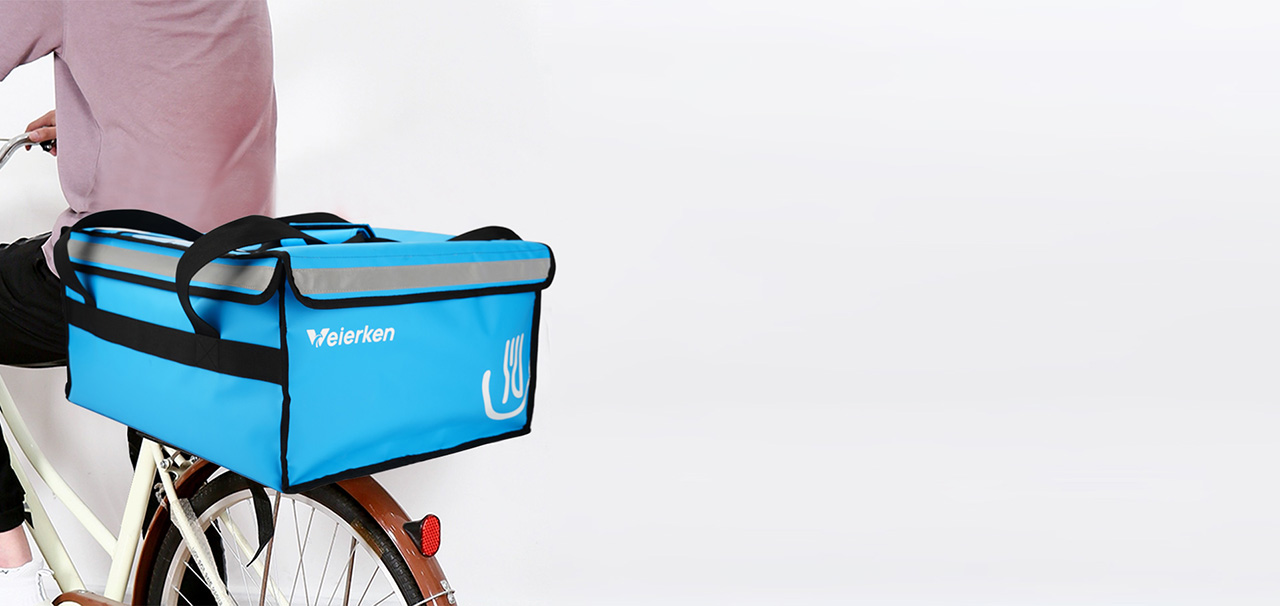
Reflective Safety Strips: High-visibility strips keep drivers safe during early morning or late-night deliveries.
Hygiene and Fleet Compliance
Food safety laws require strict cleanliness throughout the delivery process. If food liquids leak into the inner lining of a bag, bacteria and mold can grow. This creates unpleasant odors and safety hazards.
To meet health standards, a commercial frozen food delivery bag maker must prioritize easy sanitization.
Leak-Proof Heat-Sealed Seams
Traditional sewn linings allow liquids to seep through needle holes and get trapped inside the insulation foam. Using high-frequency welding to seal the inner PEVA or PVC lining creates a fully waterproof barrier. If a container leaks, the liquid stays on the surface for easy cleanup.
Antimicrobial Materials
Many fleet operators choose inner linings treated with antimicrobial coatings. These coatings help prevent bacteria growth between deliveries, which is especially helpful when shipping raw meats or seafood.
Easy Washdown Designs
For quick turnarounds, fleet bags must be easy to clean. Removable plastic inserts allow staff to strip the bag down, spray it with sanitizer, and wipe it dry in seconds.
Partnering with a Maker for Fleet Scaling
Equipping a large delivery fleet requires careful planning. Logistics managers must choose a manufacturing partner capable of scaling production while maintaining consistent quality.
The Field Testing Phase
Before ordering hundreds of bags, it is wise to test a small batch of prototypes. Drivers should test these samples on real delivery routes. This helps you evaluate weight distribution, zipper durability, and actual temperature retention under real-world conditions.
Production Capacity and Lead Times
A reliable commercial delivery bag manufacturer must provide clear delivery timelines. When scaling a fleet, you need to know how quickly the factory can supply replacements and handle maintenance orders.
Sample Approval: Creating and adjusting the initial design prototype usually takes 7 to 10 days.
Bulk Production: Standard manufacturing times range from 30 to 45 days, depending on material availability and order size.
Spare Parts Support: A good partner offers replacement parts, like extra dividers or removable straps, to extend the life of your existing bags.
At weierken, we work closely with fleet managers to design, test, and manufacture durable heavy-duty insulated bags for logistics. We focus on providing practical solutions that keep your daily deliveries running smoothly.
If you need to upgrade your delivery gear or expand your cold chain fleet, reach out to our team today. We can help you design custom thermal bags that fit your vehicles and meet your temperature requirements.
Request a Custom Quote for Your Fleet
Frequently Asked Questions
1. What is the average lifespan of a commercial delivery bag in a busy fleet?
With daily commercial use, a high-quality bag made with 1680D Oxford fabric and heavy-duty zippers typically lasts between 12 and 18 months. Regular cleaning and proper handling can extend this lifespan even further.
2. How do multi-temperature delivery solutions keep frozen and chilled foods separate?
These bags use thick, insulated internal dividers that secure tightly with Velcro. This prevents air from moving between compartments, allowing you to use ice packs for chilled food on one side and dry ice for frozen items on the other.
3. What makes a delivery bag stackable?
Stackable bags feature rigid internal supports, such as lightweight polypropylene (PP) panels or fiberglass frames, built directly into the walls. This structure allows the bag to support weight from above without collapsing and squishing the food inside.
4. Are heat-sealed linings better than sewn linings for food delivery?
Yes. Heat-sealed linings use high-frequency welding to join the materials without needles. This creates a completely waterproof seam that prevents spills from leaking into the insulation, making the bags much easier to clean and sanitize.
5. Can we print our company branding and safety information on the bags?
Yes. A professional manufacturer can add custom logos, reflective safety strips, color-coded handles, and custom cardholders to match your company's branding and operational needs.