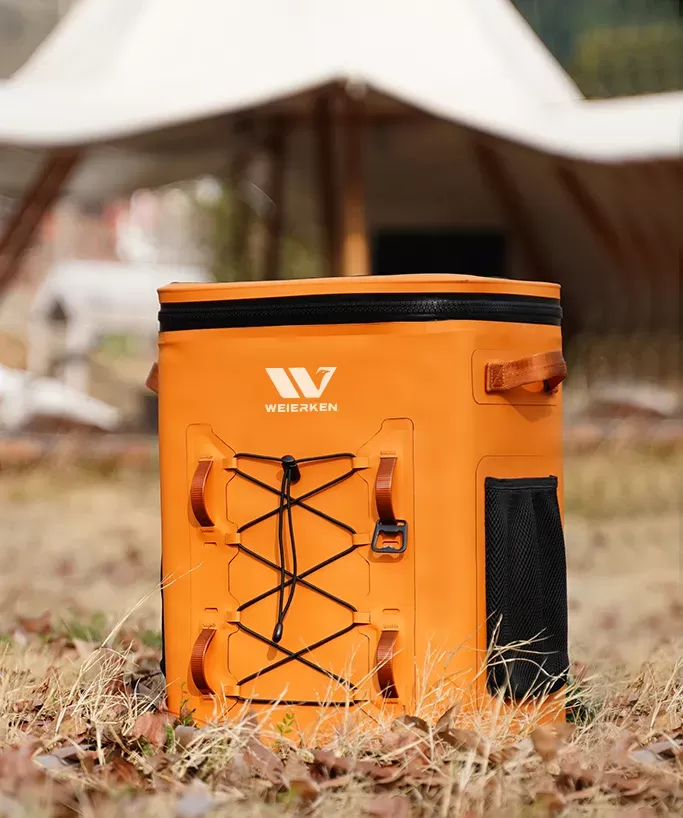


Shipping frozen meat leaves no margin for error. A single degree of temperature drift transforms prime cuts of beef, poultry, or artisan seafood into thawed, compromised inventory. For meat processors, e-commerce butcher subscriptions, and cold chain logistics providers, thermal packaging failure leads directly to customer refunds, ruined brand trust, and costly operational waste.
Off-the-shelf mailers rarely solve these problems. As an established frozen meat delivery bag manufacturer, Weierken approaches temperature control as a science. We design, test, and produce custom cold chain bags engineered around your exact transit windows, refrigerant ratios, and package dimensions.
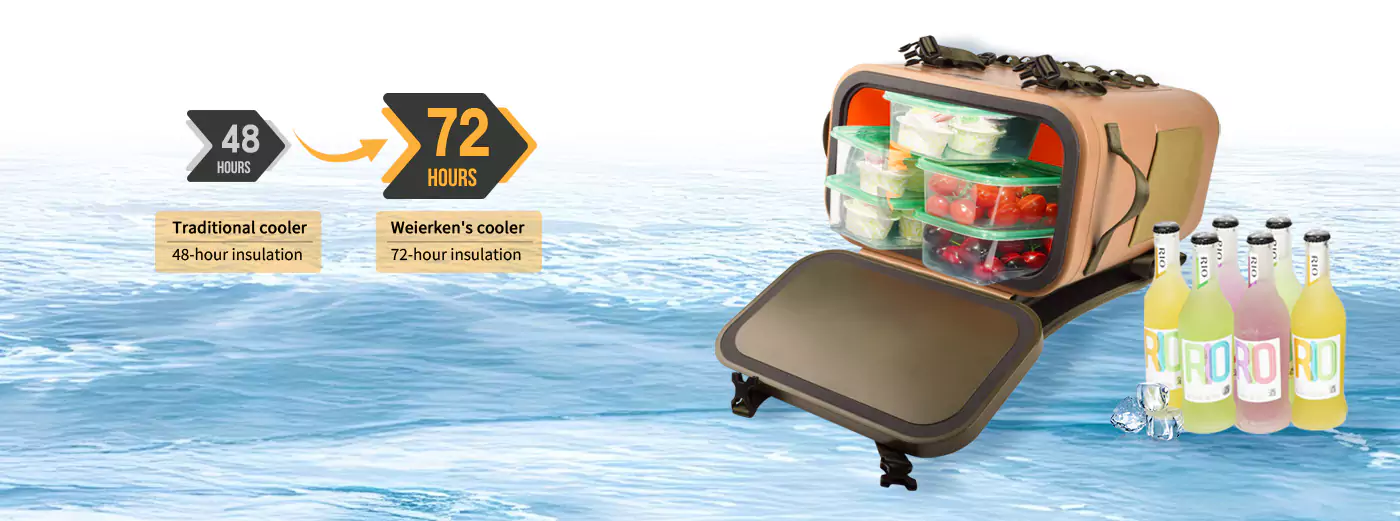
Engineered Multi-Layer Thermal Barrier Technology
A dependable cold chain delivery bag relies on material balance. Radiant heat, conductive heat transfer, and ambient humidity constantly attack your frozen cargo. Our multi-layer lamination processes tackle each heat transfer mechanism individually.
We tailor each structural layer based on your transit radius and distribution conditions:
Reflective Outer Shell: Heavy-duty metallized PET (MPET), tear-resistant Oxford cloth, or high-density laminated non-woven fabric. This exterior reflects over 95% of radiant heat waves while providing physical durability against rough courier handling.
Closed-Cell Core Insulation: High-density expanded polyethylene (EPE) pearl foam, multi-cell foil-bubble composites, or premium polyurethane (PU) formulations. These materials trap dead air to provide high R-values, keeping conductive heat out during warm summer routes.
Food-Contact Barrier Liner: Virgin, non-toxic polyethylene (PE) or high-grade PEVA films. These liners comply strictly with international food-safety standards and resist cracking under freezing temperatures.
Every seam matters. Standard needle stitching creates pinholes that bleed cold air and leak melted condensation. We utilize high-frequency ultrasonic heat sealing to weld interior seams. This approach ensures 100% leakproof construction that retains blood, juices, and melted gel packs inside the envelope.
Tackling Bone-In Puncture and Heavy Payload Challenges
Frozen proteins present severe mechanical packaging risks. Hard, sharp edges from tomahawk steaks, bone-in pork chops, and frozen poultry wings easily tear conventional insulated liners. Once a bag punctures, cold air vents rapidly and exterior moisture penetrates.
We solve puncture vulnerability through deliberate material formulation and reinforced structural points:
High-Tensile Inner Liners: We extrude specialized linear low-density polyethylene (LLDPE) blends optimized for dart-impact strength and tear resistance at sub-zero temperatures.
Reinforced Load-Bearing Straps: For grocery delivery and bulk meat parcels, our multi-box handle assemblies feature cross-stitched box-X patterns rated to support loads exceeding 20 kg without seam failure.
Rigid Base Inserts: Optional high-density corrugated plastic (PP fluted sheet) baseboards distribute payload weight evenly, preventing sagging and keeping internal dry ice blocks stable.
Comprehensive OEM Customization for Meat Brands
Every commercial meat operation runs a unique logistics loop. Some brands fulfill local urban drops within 6 hours, while others rely on 48-hour ground transit across changing climate zones. As an agile frozen meat delivery bag manufacturer, we match our manufacturing output to your fulfillment realities.
1. Validated Thermal Holding Times
We configure material density and insulation thickness according to your target performance metrics:
12 to 24-Hour Express Logistics: Compact 2mm to 3mm bubble foil or low-profile EPE foam designed for rapid local courier fulfillment.
24 to 48-Hour Standard Transit: 4mm to 6mm high-density EPE foam barriers paired with dry ice or phase change materials (PCM).
48 to 72-Hour Extended Freight: Premium 8mm+ layered composites engineered to withstand long-distance cross-country ground delivery during peak summer conditions.
2. Structural Forms and Form Factors
Form factor directly impacts your packing line velocity. We supply structural configurations tailored to your warehouse packing flow:
3D Box Liners: Self-standing, square-bottom designs that slip directly into standard corrugated master cartons, speeding up warehouse pack-out times.
Flat Gusseted Mailers: Space-saving envelopes featuring expandable side or bottom gussets to accommodate irregular whole-bird or roast profiles.
Reusable Heavy-Duty Delivery Totes: Multi-use insulated bags designed for closed-loop B2B distribution between meat processing plants and central retail kitchens.
3. Airtight Closure Systems
Preventing convection requires an airtight perimeter. We integrate multiple closure mechanisms based on your security and fulfillment preferences:
Permanent Self-Seal Adhesive Strips: Aggressive tamper-evident hot-melt adhesive strips that form a permanent bond, deterring tampering during transit.
Airtight Zippers & Industrial Hook-and-Loop: Reclosable industrial-grade closures built for reusable grocery delivery networks.
Fold-Over Flaps with Secondary Gaskets: Double-fold mechanical seals that maximize cold air retention around the opening seam.
4. Custom Brand Printing and Exterior Finishes
Your delivery packaging serves as an essential touchpoint for meat-subscription customers. We provide photographic rotogravure and high-precision flexographic printing. Match your Pantone brand colors accurately across every run. We also offer exterior clear document pouches for waybills, invoices, and storage instruction inserts.
In mid-scale and enterprise rollouts, Weierken works closely with client brand teams to ensure color accuracy, crisp typography, and high visual appeal across production lots.
5. Sustainable and Circular Material Options
Retail buyers and institutional consumers increasingly scrutinize packaging waste. To help meet corporate sustainability goals, our engineering team sources eco-conscious materials:
Post-consumer recycled (rPET) fabrics made from reclaimed water bottles for exterior bag walls.
Recyclable mono-material polyethylene constructions designed for simple curbside or store-drop-off recycling.
Durable, wipe-clean industrial materials formulated for hundreds of wash-and-reuse cycles in closed-loop delivery fleets.
Quality Assurance, Compliance, and Testing Protocols
Direct contact with food demands uncompromised compliance. Meat packaging leaves no room for volatile chemicals, toxic plasticizers, or uncertified dyes. We build safety checks into every tier of manufacturing.
Our raw materials and finished bags maintain full international regulatory compliance:
FDA 21 CFR 177: Safe for direct and indirect food contact.
EU Commission Regulation (EU) 10/2011: Fully certified for plastic materials intended to contact food products.
REACH & RoHS: Free from heavy metals, phthalates, and banned chemical substances.
ISO 9001 Facility Audits: Standardized production monitoring from raw roll unwinding to final carton packing.
Before packing, our on-site QA laboratory subjects random lot samples to rigorous stresses. We run temperature chamber logging tests, hydrostatic seal integrity water checks, and drop tests with sub-zero payloads. You receive verified thermal decline curve data sheets (TDS) demonstrating real-world holding efficiency under high-heat baseline tests.
Comparing Standard Packaging to Custom Cold Chain Manufacturing
| Feature / Parameter | Generic Off-The-Shelf Mailers | Custom OEM Meat Delivery Bags |
|---|---|---|
| Thermal Insulation | Generic low-density 1-2mm foam | Engineered 3mm-10mm high R-value composite foam |
| Seam Construction | Stitched seams prone to liquid leaks | 100% leakproof ultrasonic thermal welds |
| Puncture Resistance | Low; prone to tears from frozen bone cuts | High; reinforced cold-resistant LLDPE/PEVA liners |
| Dry Ice Compatibility | Brittle failure, inner liners easily crack | Tested down to -78.5°C without material shattering |
| Branding Opportunities | Blank silver foil or basic flexo stamps | Edge-to-edge multi-color gravure printing |
| Size Fitment | Standard box dimensions, excess dead air space | Precision-cut to eliminate dead space and cut dry ice usage |
Scalable Manufacturing Capacity and Reliable Supply Lines
Seasonal demand spikes present severe bottlenecks for meat distributors. Thanksgiving turkeys, summer barbecue steaks, and holiday gift boxes stress fulfillment logistics. A late shipment of thermal packaging halts packing lines instantly.
Our factory operates automated laminate, cutting, and sonic welding lines capable of producing tens of thousands of custom insulated bags daily. By keeping raw insulation materials, barrier films, and adhesives in stock, we shield clients from supply shocks. Our standard lead time for custom mass production is 15 to 25 business days, with physical rapid prototype samples ready within 3 to 5 days.
Frequently Asked Questions (FAQ)
Q1: Will your inner liners crack or turn brittle when using dry ice for sub-zero meat transport?
A1: No. Standard plastics turn brittle and crack when exposed to the -78.5°C (-109.3°F) surface temperatures of dry ice. We formulate our custom inner liners with cold-crack resistant PE and PEVA polymers that stay pliable and intact under extreme sub-zero conditions. This prevents punctures and stops liquid from leaking as meats begin a surface thaw.
Q2: How do you determine the correct bag dimensions for our existing shipping boxes?
A2: We reverse-engineer the bag dimensions based on your primary cargo volume, box interior dimensions, and refrigerant mass. We calculate the exact volume needed for your meat cuts along with the necessary dry ice blocks or gel bricks. This eliminates dead air space, which reduces required coolant weight and drops overall shipping costs.
Q3: What minimum order quantities (MOQ) do you require for custom-branded meat delivery bags?
A3: Our typical production run starts at 1,000 to 3,000 units for standard custom-dimension bags with basic screen printing. For fully custom, edge-to-edge multi-color gravure printed bags with specialty laminated films, our MOQ is generally 5,000 units. We also support lower-volume trial runs for pilot packaging programs.
Q4: How do your bags control exterior sweating and condensation during high-humidity transit?
A4: Condensation forms when warm, humid ambient air contacts a cold exterior surface. By increasing the internal R-value through thicker, higher-density closed-cell core foam, our bags keep the outer shell temperature above the ambient dew point. This minimizes sweat formation and preserves the strength of the surrounding cardboard carton.
Q5: Can you provide certified technical data sheets (TDS) for our food safety audits?
A5: Yes. We supply comprehensive documentation packages with your shipment. These include material safety data sheets, FDA and EU food contact compliance certificates, hydrostatic leak testing reports, and simulated chamber thermal curve charts.
Q6: Are your insulated delivery bags reusable for closed-loop B2B logistics?
A6: Yes, we build heavy-duty commercial totes specifically for closed-loop distribution. These bags utilize high-denier water-resistant Oxford exteriors, antimicrobial wipe-clean inner liners, heavy-duty industrial zippers, and reinforced web handles designed for dozens of delivery runs.
Partner with an Experienced Thermal Packaging Manufacturer
Cold chain logistics demands dependable thermal engineering. Choosing the right packaging partner safeguards your product quality, reduces costly inventory loss, and leaves a strong impression on your end customer. Weierken supplies scalable manufacturing capabilities, custom structural designs, and verified food-grade materials to keep your cold chain running smoothly.
Contact our thermal packaging engineering team today. Request a custom prototype, download technical documentation, or submit your specifications for an immediate, factory-direct quote.