

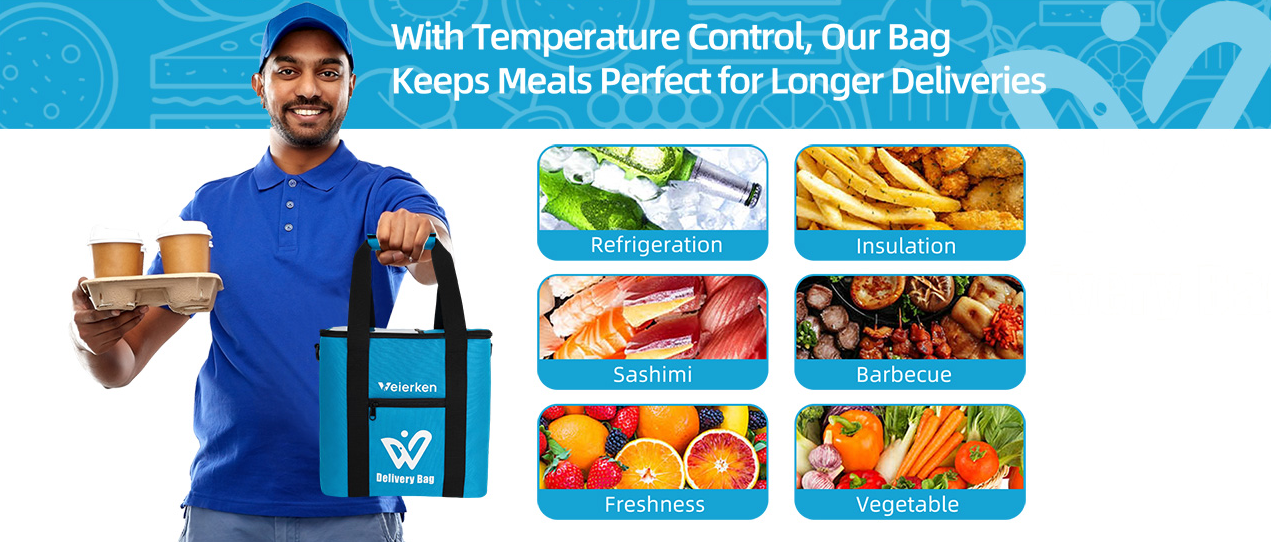
Direct-to-consumer (D2C) meat sales have surged over the past five years. Consumers now regularly order dry-aged steaks, artisan pork chops, and frozen seafood boxes straight to their doorsteps. Yet, delivering raw animal protein poses severe supply chain risks.
A single delayed van or broken chill pack can spoil hundreds of dollars worth of prime beef. Worse still, thawing juices that leak through stitching ruin the unboxing experience and trigger chargebacks. Off-the-shelf packaging rarely satisfies these rigorous commercial demands.
To protect meat quality and scale operations, growing food brands turn to custom insulated meat delivery bags. Partnering with a dedicated contract manufacturer like Weierken helps you move past generic packaging and build a resilient cold-chain asset.
Below, explore the top four OEM services that allow your brand to scale output, protect profit margins, and keep products frozen under the toughest conditions.
1. Advanced Thermal Engineering and Material R&D
Keeping raw meat safe goes beyond adding foam inside a polyester shell. Pathogens multiply rapidly once meat temperatures rise above 40°F (4.4°C). OEM production gives you access to custom thermal layering tailored to your specific fulfillment transit cycles.
Standard delivery coolers often use cheap, open-cell foam that collapses during transit. Once compressed, that foam loses its thermal resistance. Commercial-grade custom insulated meat delivery bags rely on dense, closed-cell insulation designed to preserve cold retention for 24, 48, or even 72 hours.
When engineering high-performance cold chain bags, an experienced manufacturer adjusts several key components:
Closed-Cell NBR and EVA Foam: Dense, non-compressible foam cores that maintain dead-air barriers even when stacked under heavy ice packs.
Reflective Radiant Barriers: Food-grade aluminum and metallized PET film layers that bounce exterior radiant heat away from the cold cargo.
Thermal Bridge Elimination: Padded storm flaps and heavy-duty insulated zipper tracks that prevent ambient warm air from seeping through closures.
Dedicated Coolant Pockets: Custom interior sleeves built to isolate dry ice or gel bricks, preventing freezer burn while distributing cold air evenly.
Through custom thermal modeling, you avoid spending excess capital on oversized gel packs. You get custom insulated meat delivery bags designed around your precise transit times and regional climate profiles.
2. 100% Leakproof Construction and Food-Safe Hygiene
Meat shipments inevitably generate moisture. Condensation builds up, and frozen cuts purge liquid as they begin to temper. If moisture penetrates through needle holes into the insulation, bacteria will thrive, causing foul odors and ruining reusable bags.
Traditional sewn seams cannot contain liquids. Professional OEM manufacturers eliminate this failure point through high-frequency (HF) welding and ultrasonic hot-air taping. These methods fuse thermoplastic films at the molecular level, creating an impenetrable watertight barrier.
High-end custom insulated meat delivery bags feature commercial-grade leakproof engineering:
Seamless Interior Liners: Tough TPU (thermoplastic polyurethane) or heavy-gauge PEVA linings pressed without stitched seams to retain all melted runoff.
Certified Food-Contact Surfaces: Liners that strictly comply with FDA and LFGB regulations, ensuring no toxic plasticizers leach into your proteins.
Antimicrobial and Stain-Resistant Coatings: Non-porous surfaces that wipe clean within seconds, resisting blood staining and microbial growth.
Welded Drain Valves: Optional sealed plug ports for heavy commercial bags, letting warehouse teams drain excess ice water rapidly after use.
A leakproof bag protects your shipment, protects your delivery couriers' vehicles, and preserves customer trust when the package arrives at their front door.
3. Bespoke Branding and Sustainable Design Services
Your delivery bag is often the only physical touchpoint between your business and the consumer. Generic foil mailers make artisan meat look mass-produced and cheap. Bespoke custom insulated meat delivery bags turn your packaging into a lasting, mobile billboard.
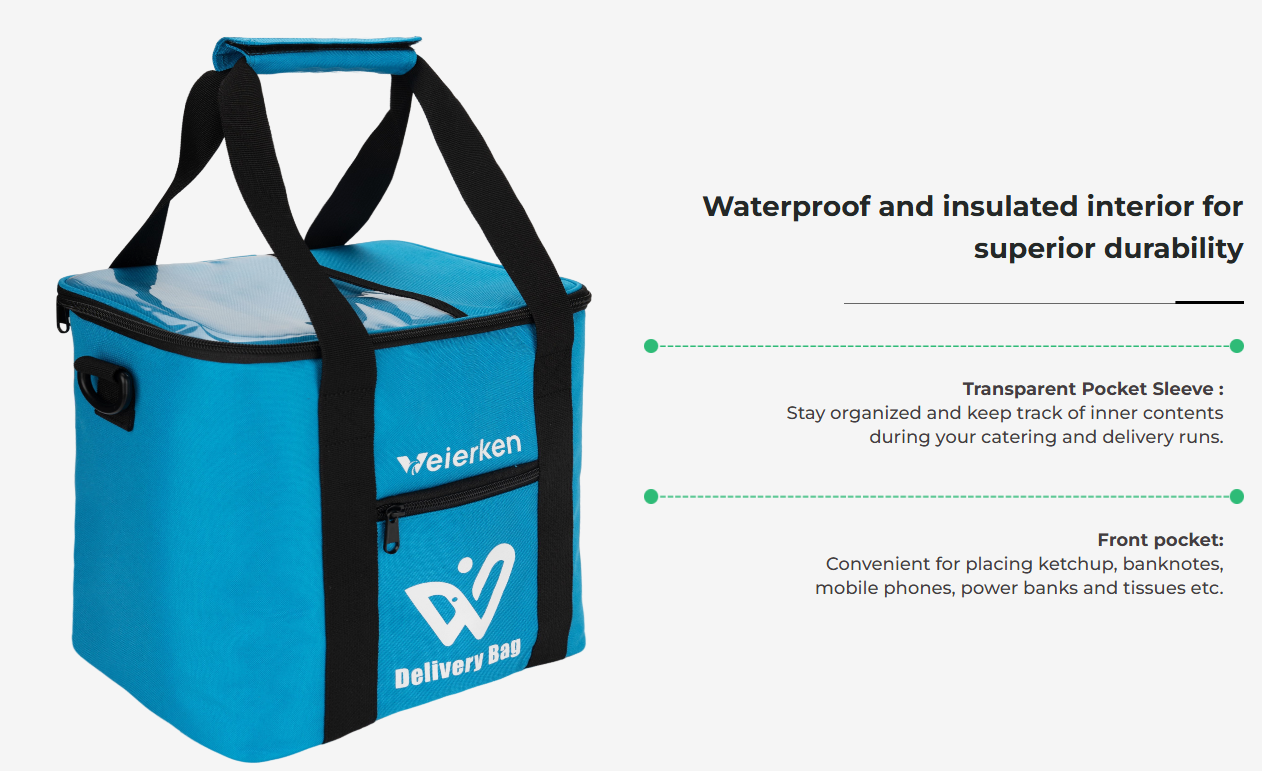
Professional OEM production allows you to design every detail from the exterior shell to the carrying handles. Weierken emphasizes sleek, durable, and practical bag profiles that serve your daily logistics while reflecting premium brand identity.
Through tailored OEM design programs, brands select from extensive customization options:
Recycled Exterior Fabrics (RPET): Rugged outer shells made from post-consumer recycled plastic bottles, supporting corporate ESG initiatives.
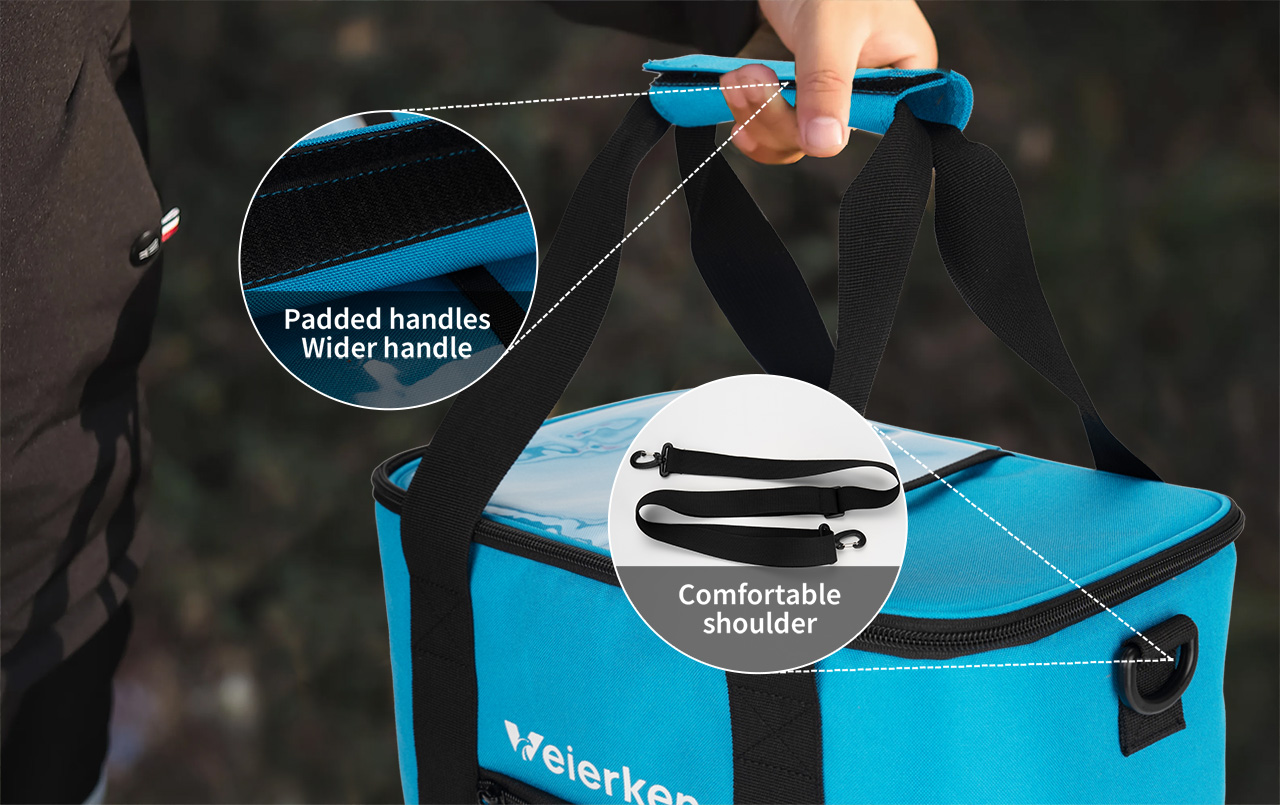
Heavy-Duty Hardware: Reinforced webbing, metal D-rings, and padded handles designed to comfortably carry 30 to 50 pounds of dense meat.
Precision Graphic Printing: Fade-resistant silk-screen, heat transfer, or all-over digital printing that withstands industrial cleaning and weather.
Modular Divider Inserts: Removable insulated partitions that keep delicate poultry separate from heavy beef briskets within the same tote.
Providing a reusable, handsome delivery tote turns one-time purchasers into lifetime subscribers who reuse your bag for tailgates, grocery runs, and camping trips.
4. Dual-Country Manufacturing and Tariff Optimization
Scaling a fresh food brand requires a predictable, disruption-resistant packaging pipeline. Sourcing custom insulated meat delivery bags from a single regional plant leaves you exposed to regional shutdowns, port congestion, and fluctuating trade tariffs.
Tier-one manufacturers solve this vulnerability by offering multi-country production footprints. Operating self-owned facilities across both China and Southeast Asia provides strategic sourcing flexibility that protects your delivery margins.
Working with an agile manufacturing group provides clear logistical and economic leverage:
Duty and Tariff Mitigation: Production hubs in Cambodia allow North American and European buyers to reduce or completely avoid punitive import duties.
High-Volume Capacity: Multi-factory setups running hundreds of dedicated sewing lines and welding stations absorb seasonal order spikes easily.
Supply Chain Redundancy: Raw materials can be sourced across regions to avoid localized shortages, keeping your fulfillment calendar on schedule.
Consolidated Logistics: Experienced export teams manage ocean freight booking, customs clearance, and palletized direct-to-warehouse delivery.
This geographic production flexibility ensures that whether you order 2,000 units or 100,000 units of custom insulated meat delivery bags, your unit economics remain steady.
Why Cold Chain Leaders Source from Weierken
Founded in 2006, Weierken has spent nearly two decades mastering the production of professional waterproof packs, outdoor soft coolers, and commercial delivery gear. Operating across three self-owned manufacturing facilities in China and Cambodia, the company manages over 80,000 square meters of production space backed by a workforce of 3,000 skilled technicians.
Weierken does not act as a simple middleman trading company. Every project benefits from direct, in-house technical support, including CAD prototyping, material tension analysis, and thermal endurance testing. Stringent quality-control inspectors evaluate materials upon arrival, monitor production stations in real time, and conduct pressure tests on finished bags to ensure total water tightness.
Whether you operate a subscription butcher program, a seafood export house, or a local cold-chain courier service, partnering with a veteran producer guarantees durable custom insulated meat delivery bags that protect your products and profits.
Frequently Asked Questions
Q1: What materials provide the best insulation for raw meat shipping?
A1: Dense closed-cell foams such as EVA, NBR, and high-density polyethylene (EPE) offer the best thermal performance. When combined with a radiant reflective inner barrier and a heavy TPU outer shell, these materials hold freezing temperatures for up to 48 hours without collapsing under weight.
Q2: How do you prevent purge fluids from leaking through bag seams?
A2: Conventional thread sewing punctures the bag fabric, creating tiny pinholes where melted ice and animal fluids inevitably escape. Professional OEM manufacturers eliminate this by using high-frequency radio welding or hot-air sealing to fuse inner TPU or PEVA liners without needles, guaranteeing a 100% watertight seal.
Q3: Can custom insulated meat delivery bags handle dry ice?
A3: Yes, but dry ice requires specific engineering. Dry ice reaches temperatures of -109.3°F (-78.5°C), which can make standard low-grade plastics brittle and crack. Custom OEM builds use low-temperature-tolerant TPU liners and isolated compartments to house dry ice pellets safely away from direct seam contact.
Q4: How does manufacturing in Cambodia help lower import costs?
A4: Many western countries impose heavy import tariffs on consumer bags produced in certain regions. Facilities based in Cambodia benefit from favorable trade status with the US and Europe, enabling brands to significantly decrease customs duties on bulk shipments of custom insulated meat delivery bags.
Q5: What is the typical MOQ for custom insulated meat delivery bags?
A5: Minimum order quantities typically start at 500 to 1,000 units for customized colorways, prints, and dimensions. For fully custom-tooled patterns, specialized molded bases, or custom-extruded materials, MOQs generally sit around 1,000 to 3,000 units depending on production complexity.
Q6: Are the interior materials safe for direct food contact?
A6: Yes. Commercial OEM thermal bags utilize interior liners that comply fully with FDA, LFGB, and REACH non-toxicity standards. The materials contain no BPA, phthalates, or heavy metals, ensuring that direct contact with food packaging remains safe and sanitary.
Protect Your Perishables with Weierken OEM Packaging
Your cold chain is only as strong as your weakest packaging link. Stop settling for leaky generic coolers that compromise meat quality and hurt your bottom line. Investing in dedicated custom insulated meat delivery bags gives your business the thermal reliability and professional presentation it needs to grow.
Weierken brings 20 years of technical expertise, three advanced factories, and complete OEM/ODM engineering capabilities to your team. Contact the packaging specialists at Weierken today to discuss your transit requirements, request material swatches, and receive a competitive manufacturing quote.