

The beauty and skincare market is undergoing a major shift. Today, consumers demand high-performance products packed with active ingredients. Formulations containing Vitamin C, retinol, probiotics, and organic botanical extracts now dominate retail shelves. However, these active ingredients are highly sensitive to environmental changes.
Fluctuating temperatures during travel, shipping, and daily storage can quickly degrade these delicate formulas. Traditional cosmetic pouches offer cosmetic appeal but fail to provide thermal protection. Because of this, brands are looking for smarter solutions to protect product integrity. Partnering with a specialized thermal lock beauty bag maker like weierken is becoming a strategic necessity for modern beauty brands.
1. Market Demand Drivers: The Need for Skincare Preservation
The clean beauty movement has changed how products are formulated. Brands are removing harsh synthetic preservatives and replacing them with natural alternatives. While this is better for the skin, it makes the formulas much more vulnerable to heat. Warm temperatures can cause emulsions to separate, oils to go rancid, and active compounds to lose their potency.
Travel and daily transit present significant risks to these sensitive products. When a consumer leaves their cosmetics in a hot car trunk, carries them through an airport, or stores them in a humid bathroom, the ingredients can degrade. Standard cosmetic cases offer no defense against these temperature spikes. This gap in protection often leads to customer complaints about spoiled products.
To solve this, forward-thinking brands are turning to active skincare preservation solutions. Using thermal bags as part of a product launch or as a premium gift-with-purchase (GWP) helps brands stand out. It demonstrates a commitment to product efficacy. It also gives consumers a practical tool to protect their skincare investments wherever they go.
Protects active compounds: Keeps heat-sensitive ingredients like retinol and Vitamin C stable.
Reduces product spoilage: Lowers the risk of emulsion separation and bacterial growth during travel.
Improves brand perception: Positions your company as a detail-oriented, premium brand that cares about product performance.
2. Technology & Material Trends: Balancing Function and Style
Historically, insulated bags were bulky and unattractive. They resembled heavy picnic coolers or lunch boxes. Today, the beauty industry requires a different approach. A modern thermal lock beauty bag maker must combine reliable thermal performance with sleek, high-end aesthetics.
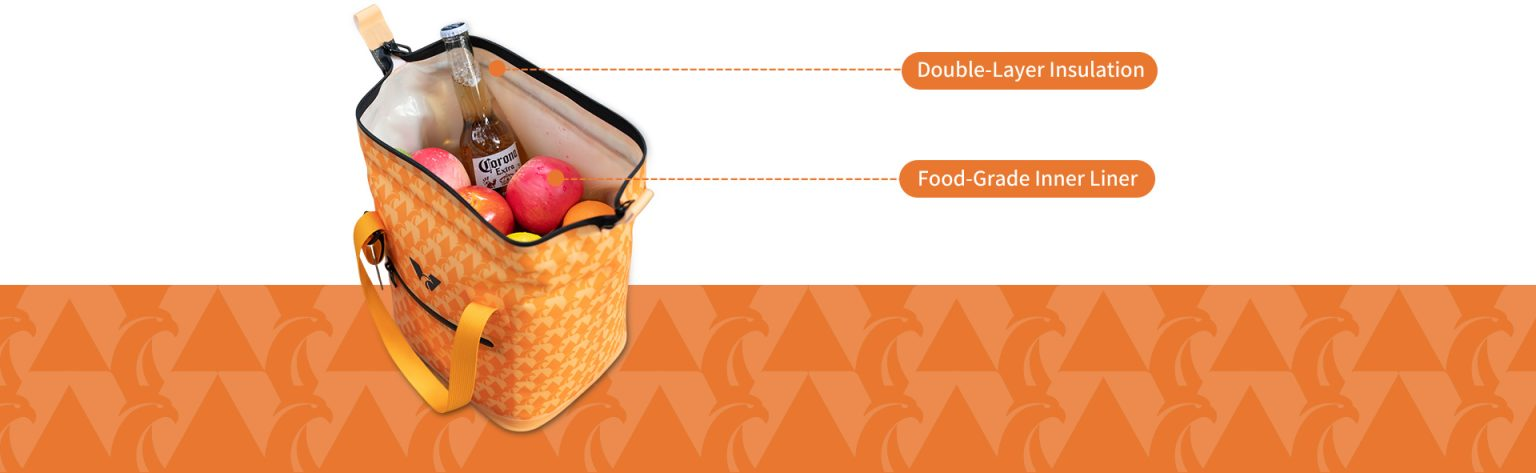
Achieving this balance requires a sophisticated multi-layer material structure. High-quality insulated makeup bags generally rely on three functional layers:
Outer Layer: Durable, water-resistant fabrics such as vegan leather, premium nylon, or structured canvas that align with beauty aesthetics.
Insulation Core: Lightweight, high-density EPE foam or thermal fiber batting that slows down heat transfer without adding bulk.
Inner Lining: Easy-to-clean, food-grade aluminum foil or waterproof PEVA that reflects radiant heat and prevents leaks.
In addition to these traditional layers, manufacturers are exploring advanced materials. For example, some designs now incorporate Phase Change Materials (PCM). These micro-encapsulated substances absorb, store, and release heat to maintain a stable internal temperature for hours. By working with a technical partner like weierken, brands can develop slim, elegant bags that offer advanced thermal protection.
3. Sustainability (ESG) and Non-Toxic Material Integration
Environmental responsibility is no longer optional in the beauty sector. B2B buyers must ensure their packaging and accessories comply with strict environmental, social, and governance (ESG) standards. Fortunately, sustainable thermal materials are becoming more accessible.
Many brands now specify eco-friendly insulation materials for their custom runs. The outer fabrics can be made from Recycled PET (RPET), which is sourced from post-consumer plastic bottles. For the thermal core, manufacturers are replacing synthetic foams with biodegradable fibers or recycled cotton insulations that offer similar thermal performance.
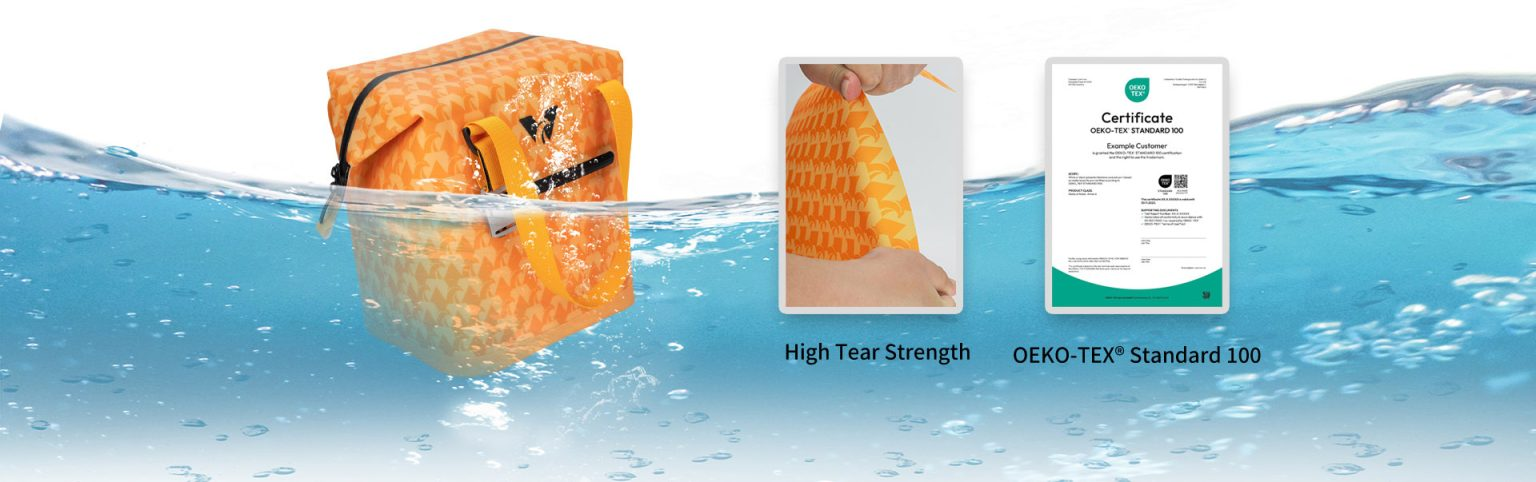
Material safety is another critical factor. Because these bags carry items applied directly to the face and body, the interior lining must be completely non-toxic. Leading manufacturers ensure their linings are free from heavy metals, phthalates, and Bisphenol A (BPA). Ensuring compliance with global standards is essential for smooth international distribution.
REACH & RoHS Compliance: Guarantees that no hazardous substances are present in the plastics or dyes.
FDA Food-Grade Linings: Ensures the interior material is safe for contact with cosmetics and personal care items.
Recycled Certifications (GRS): Verifies the origin of recycled polyester or nylon used in the bag's construction.
4. Supply Chain Synergy: Selecting the Right Manufacturing Partner
Choosing a manufacturing partner requires looking beyond simple sewing capabilities. Creating a reliable thermal bag requires engineering expertise. You need an experienced OEM/ODM thermal bag manufacturer that understands both thermodynamic principles and high-end fashion design.
A capable factory should have in-house testing facilities to verify performance. Before production begins, the team should perform thermal chamber tests. These tests measure how long the bag can maintain a safe internal temperature when exposed to simulated summer heat. They should also perform physical durability tests on zippers, handles, and seams.
Flexibility in production is also important, especially during new product launches. A supportive partner will offer reasonable minimum order quantities (MOQs) for custom designs. This allows brands to test the market with a limited run before committing to large-scale production. Clean communication, clear prototyping stages, and reliable delivery times are the foundations of a successful partnership.
Protect Your Formula, Secure Your Brand
As skincare formulations become more advanced, the packaging and accessories must evolve too. Standard cosmetic pouches can no longer protect active ingredients from heat damage. Utilizing functional beauty accessories like thermal lock bags helps protect your products and keeps your customers happy.
By partnering with a dedicated thermal lock beauty bag maker like weierken, your brand can access high-quality materials, sustainable sourcing, and custom design capabilities. This collaboration ensures your products perform exactly as intended, from the factory floor to the consumer's vanity.
Are you ready to develop a custom thermal bag for your next product launch? Contact our team today to discuss your design requirements, explore material options, and request a detailed quote.
Frequently Asked Questions
1. What makes a thermal lock beauty bag different from a standard cosmetic bag?
A standard cosmetic bag only provides storage and scratch protection. A thermal lock bag uses a multi-layered structure with insulating foam and heat-reflective linings. This design slows down heat transfer, helping to protect sensitive skincare formulas from temperature extremes during travel or outdoor use.
2. Can these insulated bags be customized to match our brand's luxury aesthetic?
Yes. Modern manufacturing techniques allow for slim, lightweight designs. You can select from premium outer fabrics like vegan leather, jacquard weave, or water-resistant nylon. Custom hardware, custom colors, and embossed branding can be integrated to ensure the bag looks like a luxury item rather than a bulky cooler.
3. Are the insulation materials used safe and non-toxic?
Yes, safety is a top priority. High-quality manufacturers use food-grade PEVA or aluminum linings that are completely non-toxic and odorless. These materials are tested to comply with international regulations such as FDA, REACH, and RoHS, ensuring they do not release harmful chemicals even when exposed to warm environments.
4. How long can a thermal lock beauty bag keep cosmetics cool?
The duration depends on the thickness of the insulation core, the ambient temperature, and whether a cold pack is used. Generally, a high-density foam core can maintain a stable internal temperature for several hours. For extended cooling, small gel packs can be added to custom-designed interior mesh pockets.
5. What is the typical MOQ when ordering from an OEM/ODM thermal bag manufacturer?
Minimum order quantities vary depending on the complexity of the design and the availability of custom fabrics. Typically, MOQs range from 500 to 1,000 pieces per style. Some manufacturers offer flexible production runs for initial product tests to help brands evaluate market response before scaling up.