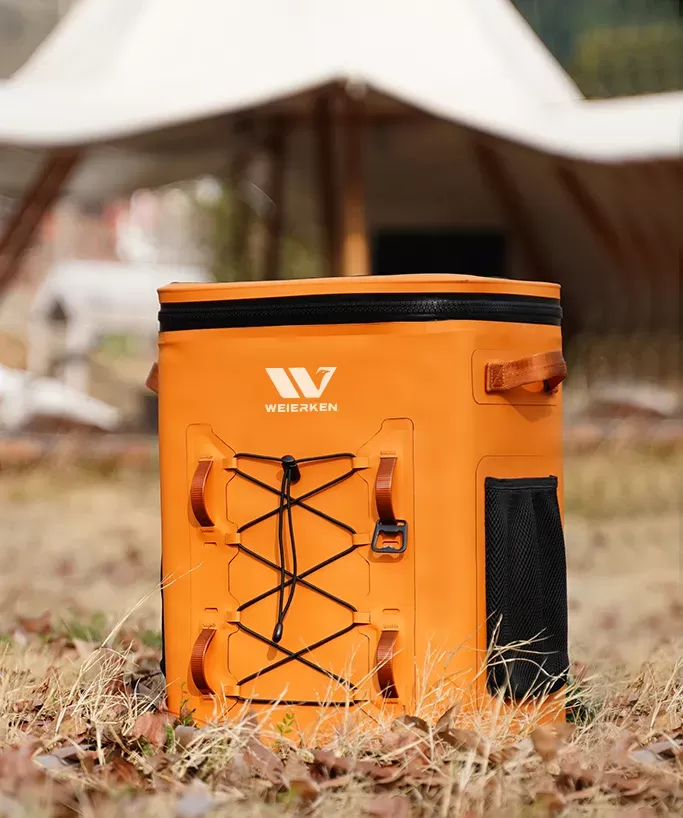

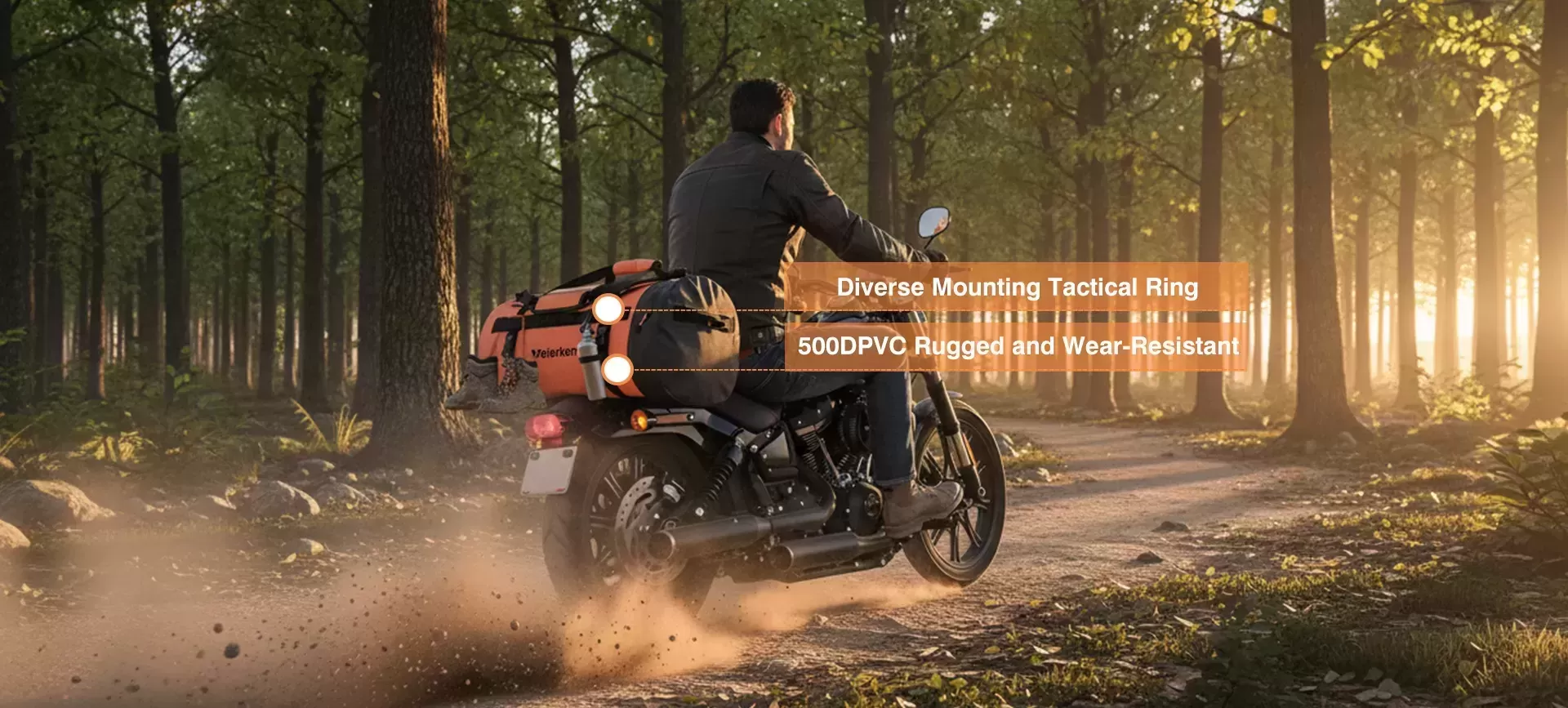
Sourcing industrial, commercial, or heavy-duty bags requires deep technical knowledge. A minor seam failure or material puncture can ruin expensive equipment, disrupt logistical operations, or disappoint retail consumers. If your products encounter rough environments, standard materials simply will not work. You need to identify a specialized tear proof bag maker that understands durability.
Finding a manufacturing partner who can balance high-performance materials with efficient production is crucial. Brands like weierken help businesses design and manufacture durable bags that survive tough environments. This guide breaks down the essential factors B2B buyers must evaluate when choosing a long-term production partner.
1. Understanding Material Science: The Foundation of Tear Resistance
Tear resistance starts with the raw material. Different industries require different textile properties. To source effectively, you must understand the physical characteristics of the fabrics used by your manufacturing partner.
A professional manufacturer should offer a range of specialized textiles. Some of the most reliable options include:
Heavy-duty ripstop fabric: This material features a distinct grid pattern of thick, reinforced threads woven at regular intervals. The grid design stops small punctures from spreading into large tears. It is commonly used for outdoor and military gear.
High-denier nylon and polyester: Fabrics like Ballistic Nylon or Cordura use high-denier (D) ratings, such as 500D or 1000D. High denier means thicker fibers, which increases the overall performance of the bag during tensile strength testing.
Specialty synthetics (Tyvek, TPU, PVC): Industrial and protective bags often use laminated synthetic sheets. TPU or PVC coatings protect against moisture, abrasion, chemical exposure, and punctures.
Choosing the right fabric ensures that your finished puncture-resistant backpacks or industrial carry cases perform reliably under pressure. A knowledgeable supplier will analyze your product's use case and guide you toward the right weight and denier.
2. Construction and Seam Integrity: Crafting Durable Bags
The strongest fabric will fail if the seams split under weight. Excellent construction techniques are what separate retail-grade products from industrial-strength gear. A reliable tear proof bag maker focuses heavily on seam reinforcement and stress distribution.
To secure critical stress points, factories use several specialized techniques:
Bar-tack stitching: Dense, tight, zigzag stitching applied to high-tension areas like handle attachments, zipper ends, and strap joints.
Double-needle stitching and bound seams: Adding a second row of stitches ensures backup support if one thread fails. Bound seams wrap raw edges in protective tape to prevent fraying.
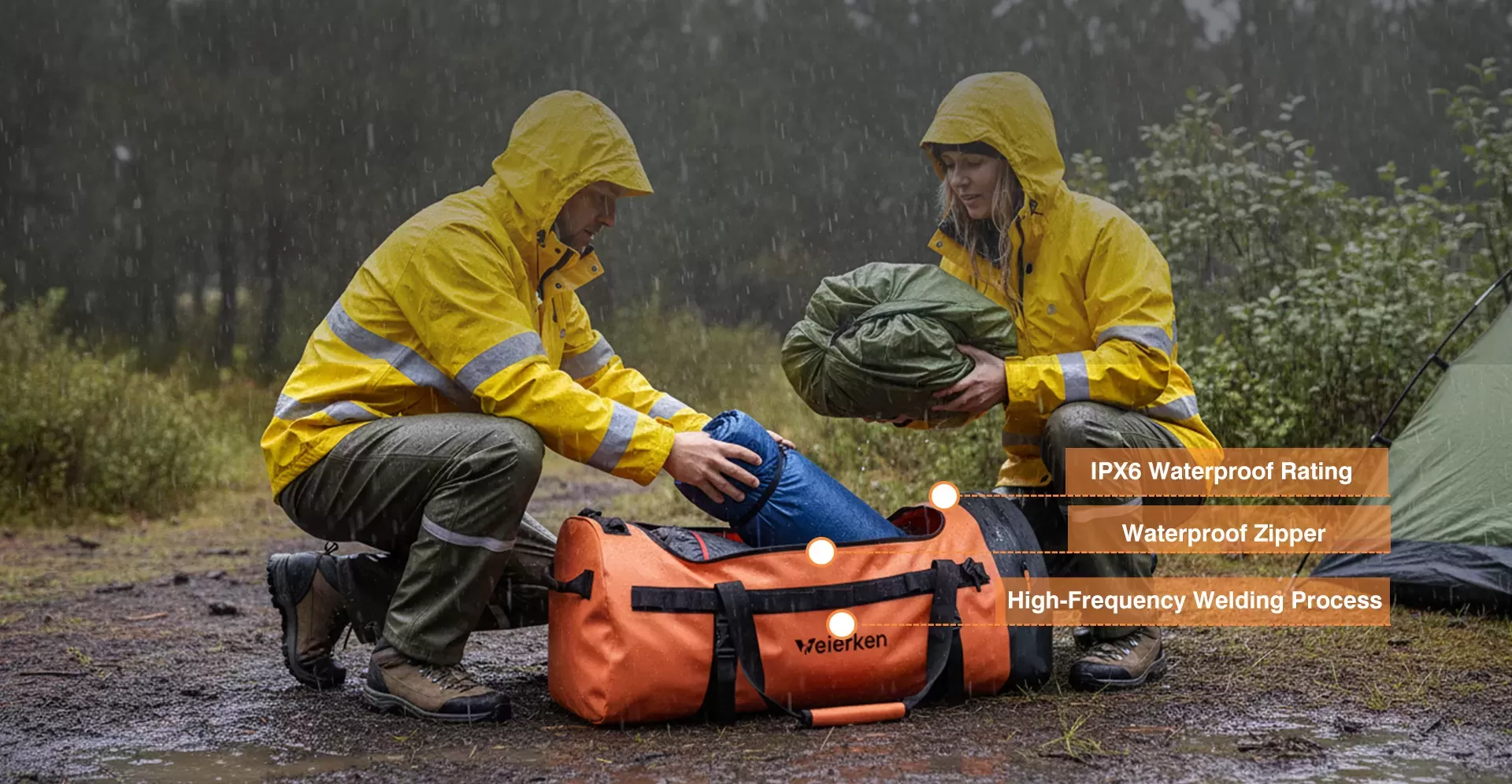
High-frequency (HF) or ultrasonic welding: This method uses electromagnetic energy or high-frequency vibrations to melt synthetic layers together. It is crucial for waterproof and airtight bags, as needle holes can create weak points.
At weierken, our technical team analyzes load paths to distribute weight evenly across the entire bag structure. This stress-distribution layout prevents localized tension, which is the primary cause of fabric failure during transit.
3. B2B Sourcing Metrics: How to Verify Tear Resistance
Do not rely solely on a supplier's marketing claims. Professional B2B sourcing demands verified, laboratory-tested data. A qualified heavy-duty bag manufacturer should provide official, third-party test reports for their materials.
Familiarize yourself with the primary international testing standards used to measure textile durability:
ASTM D1424 (Elmendorf Tear Test): This test measures the force required to propagate a single-rip tear in a fabric sample using a falling pendulum.
ISO 13937: An international series of standards evaluating the tear properties of various woven and non-woven textiles.
Tensile strength testing: This assessment measures how much pulling force a fabric or seam can withstand before breaking or deforming.
Before placing a large order, ask to see the factory's testing equipment. A reputable custom industrial bag OEM should use in-house tensile testing machines to run quality checks on incoming batches of raw materials.
4. Evaluating Supplier Capabilities and Compliance
Identifying a capable partner involves assessing more than just their product samples. You must also evaluate their operational capacity, compliance certifications, and supply chain stability.
When vetting potential manufacturers, pay close attention to the following areas:
Prototyping efficiency: A competent manufacturer should deliver functional samples quickly. They should offer suggestions on how to modify your original drawings to improve durability and reduce production costs.
Factory Audits and Compliance: Overseas buyers need to ensure ethical and quality standards. Look for certifications like ISO9001 for quality control, and BSCI or Sedex audits for social compliance.
Supply chain stability: Ask your supplier how they source raw materials. A stable supplier keeps safety stock of key fabrics to avoid production delays when global supply chains fluctuate.
Partnering with a factory that meets these requirements minimizes your purchasing risks. It ensures your orders arrive on time, within budget, and according to your exact specifications.
Build a More Reliable Supply Chain
When sourcing heavy-duty bags, every detail matters. From selecting the proper high-denier nylon to reinforcing seams with bar-tack stitching, durability requires careful planning and engineering.
As an established tear proof bag maker, weierken offers the engineering expertise and production capacity required to build high-performance bags. We focus on durable construction, verified materials, and transparent testing processes to meet your business needs.
Are you ready to develop a custom puncture-resistant bag for your next project? Contact our sales team today to discuss your specifications, request a prototype, or ask for a detailed production quote.
Frequently Asked Questions
1. What is the difference between ripstop and ballistic nylon?
Ripstop fabrics are woven with a distinctive grid pattern of thicker threads, which stops tears from spreading. Ballistic nylon does not have a grid pattern but uses a heavy basket weave of thick, high-density nylon fibers. Ballistic nylon typically offers higher overall puncture resistance, while ripstop is lighter and highly effective at stopping tear propagation.
2. How does the denier rating affect fabric durability?
Denier (D) measures the linear mass density of fibers. A higher denier rating means thicker, heavier yarns. For example, a 1000D nylon fabric is significantly thicker, heavier, and more resistant to abrasion and tearing than a 210D nylon fabric. However, higher deniers also add weight to the finished bag.
3. Why are seam reinforcement techniques like bar-tacking necessary?
The seam is typically the weakest point of any bag. When a bag is loaded with heavy items, the tension concentrates at specific points, such as where the straps or handles meet the main body. Bar-tacking applies dense, tight stitching to these areas, transferring the load safely across a larger surface area to prevent seam failure.
4. What certifications should I request from a heavy-duty bag manufacturer?
For quality assurance, look for factories certified under ISO 9001. For social responsibility and ethical labor practices, request BSCI or Sedex audit reports. Additionally, ask for material safety data sheets (MSDS) or REACH compliance documents to ensure all raw materials are non-toxic.
5. Can tear-proof bags be made using sustainable or recycled materials?
Yes. Many modern manufacturers can source recycled polyester or Recycled PET (RPET) made from plastic bottles. These eco-friendly materials can be woven into high-denier structures or ripstop patterns to achieve excellent tear resistance while meeting your brand's sustainability goals.