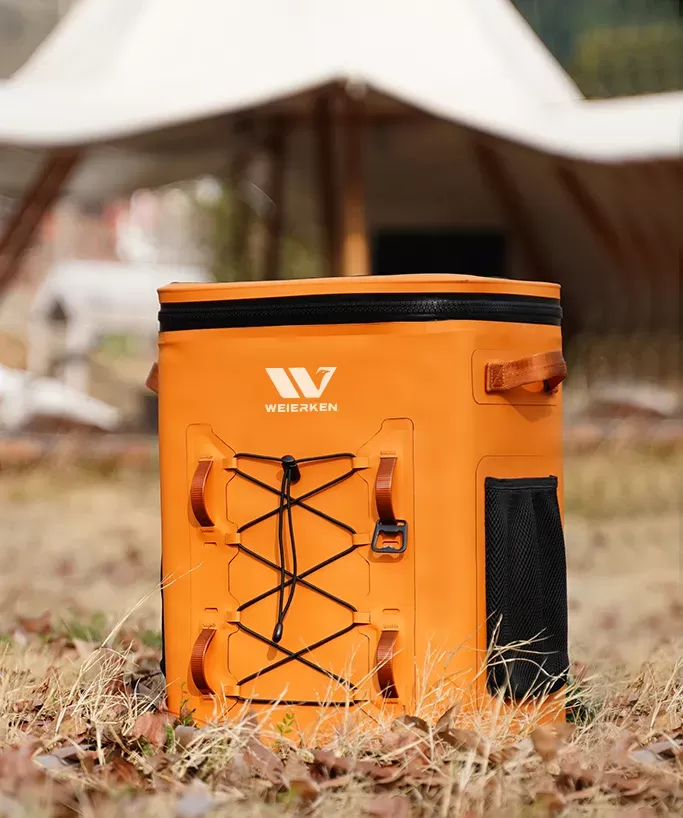

Retail margins face constant pressure from rising material costs and shifting consumer habits. Supermarkets and retail brands must analyze every part of their supply chain for efficiency. Reusable packaging, especially the thermal shopping bag, has transitioned from a simple utility item to a high-value consumer product and a powerful brand touchpoint.
Many procurement managers still buy these items through trading companies or regional wholesalers. While convenient, this multi-tiered supply chain adds unnecessary cost and slows product development. Buying directly from a dedicated grocery insulated bag maker helps retail businesses bypass middlemen, reduce costs, and control production quality.
As a manufacturer with years of industry experience, weierken understands the challenges retail buyers face. Direct collaboration with a factory allows you to secure better pricing, guarantee regulatory compliance, and create custom bags that protect your brand image.
1. The Economic Reality: How Going Direct Protects Retail Margins
Sourcing products through intermediaries introduces markups at every stage. A trading company must cover its overhead and profit margin, which increases your cost per unit. When you source factory direct grocery insulated bags, you remove these extra layers of expense.
Direct sourcing provides clear financial advantages for large-scale operations:
Lower Unit Costs: You pay the actual FOB or EXW price, which keeps your retail margins healthy.
Volume Discount Transparency: Factories offer clear, tiered pricing schedules for a bulk order based on raw material costs.
Flexible Customization Budgets: Savings from avoiding middleman fees can be reinvested into better materials or features.
For supermarket chains planning seasonal promotions, these savings accumulate quickly. Purchasing wholesale reusable thermal bags for supermarkets directly from the manufacturer allows you to offer competitive retail prices while maintaining strong margins.
Optimizing Inventory and Order Cycles
Trading companies often require rigid ordering patterns because they group shipments from different clients. A direct grocery insulated bag maker can work around your inventory schedule. You can coordinate your production runs with seasonal shopping peaks, such as summer barbecues or winter holidays, to keep your inventory levels balanced.
2. Customization and Private Label Capabilities
Standard, off-the-shelf insulated bags rarely match the branding of a major supermarket chain. If you want to build a premium image, a generic bag is not enough. Working with a private label cooler bag manufacturer gives you complete control over product specifications.
Direct manufacturing allows you to customize every aspect of the bag to meet your specific retail goals:
Material Selection and Sustainability
Modern consumers expect retailers to prioritize eco-friendly initiatives. When you partner with a direct factory, you can select materials that fit your corporate environmental, social, and governance (ESG) goals. You are not limited to stock options.
GRS Certified RPET: Made from recycled plastic bottles, this material appeals directly to green-conscious consumers.
Laminated Non-Woven PP: This option offers a water-resistant, easy-to-clean surface that is both durable and cost-effective.
Heavy-Duty Insulation: Choose from 2mm to 5mm EPE foam or high-density sponge to ensure proper temperature retention for frozen foods.
Food-Safe Linings: Use non-toxic PEVA or aluminum foil linings that meet strict food contact safety standards.
By working with a experienced supplier like weierken, you can design products that feature a **GRS certified insulated tote maker** seal. This certification helps build trust with eco-conscious shoppers.
Structural and Functional Customization
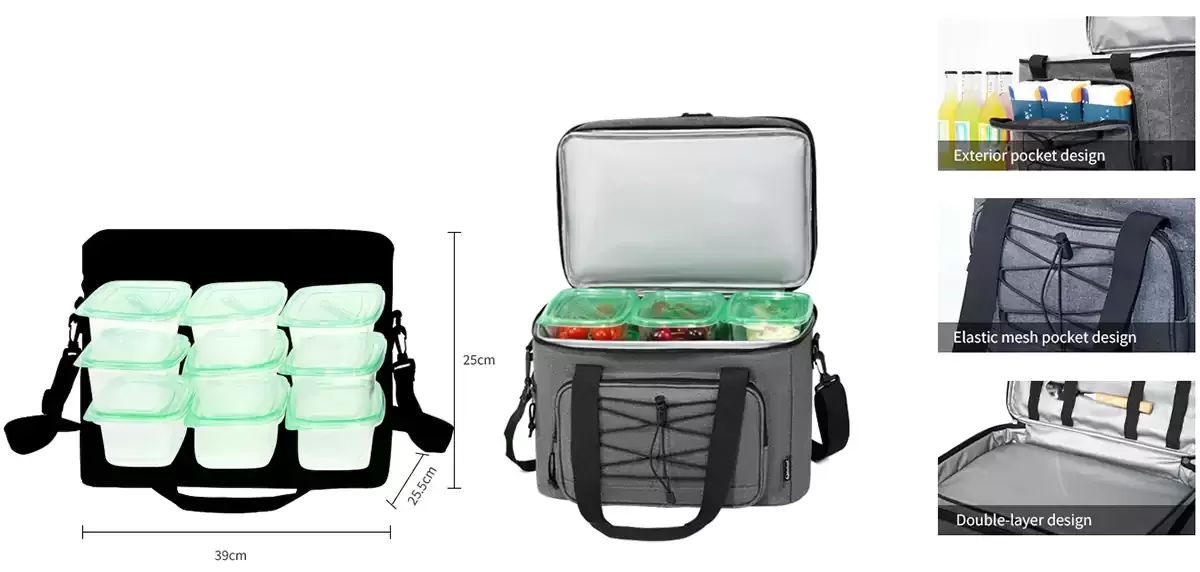
Supermarket checkout areas have specific layouts, and shopping carts come in various sizes. A direct manufacturer can adjust the dimensions of your bags to fit these spaces. This attention to detail improves the checkout experience for your customers.
You can request functional additions to make the bags more practical:
Reinforced Bottoms: Removable or sewn-in PP boards prevent the bag from sagging when loaded with heavy bottles.
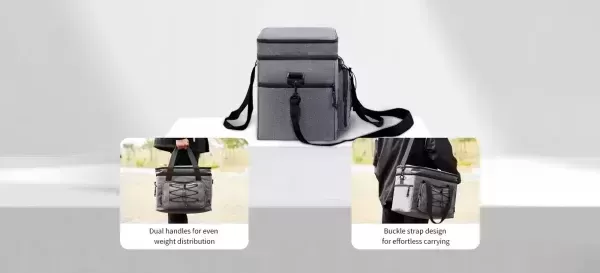
Adjustable Carrying Options: Add dual handles for hand-carrying and longer shoulder straps for hands-free transport.
Specialized Closures: Choose heavy-duty zippers, velcro closures, or magnetic snaps to keep cold air trapped inside.
Exterior Pockets: Add mesh pockets for receipts, shopping lists, or small personal items.
3. Navigating Supply Chain Compliance and Safety
Large retailers cannot afford the risk of product recalls or ethical scandals in their supply chain. Purchasing from unverified workshops exposes your brand to compliance risks. Direct collaboration with an established grocery insulated bag maker provides the transparency you need to satisfy corporate audits.
A reputable factory should easily provide standard industry documentations:
| Certification / Audit | What It Evaluates | Importance for Retailers |
|---|---|---|
| BSCI / SEDEX | Ethical labor practices, working hours, and fair pay. | Protects your brand from association with labor exploitation. |
| ISO 9001 | Consistent quality management systems. | Ensures the 10,000th bag is made to the same standard as the first. |
| GRS (Global Recycled Standard) | Verifiable tracking of recycled material content. | Validates your green marketing claims with official transaction certificates. |
| FDA / LFGB | Safety of materials contacting food. | Guarantees that the interior lining does not leach harmful chemicals. |
Direct communication with the factory's quality assurance team makes it easier to schedule pre-shipment inspections. You can hire third-party inspectors to check the stitching, insulation sealing, and load capacity on the production line before the goods leave the factory floor.
4. How to Evaluate a Grocery Insulated Bag Maker
Not all factories have the equipment or experience to handle large retail contracts. To avoid supply chain disruptions, procurement teams must look past the initial price quote and evaluate a manufacturer's actual capabilities.
Use these practical criteria during your vendor evaluation process:
Sample Development Speed
The speed and accuracy of a factory's sample department is a good indicator of their technical skill. A professional manufacturer should be able to translate your tech packs into a physical sample within 5 to 7 business days. If the first sample contains errors, it may point to communication gaps or limited technical capability.
Production Capacity and Delivery Reliability
Ask about the factory's daily output and how they handle peak seasons. Supermarket promotions require timely deliveries. A late shipment of summer cooler bags arriving in September can result in lost sales and wasted inventory space. Ensure the factory has dedicated assembly lines and reliable material suppliers to keep production on schedule.
The manufacturing setup at weierken is designed to support high-volume demands. We maintain steady production lead times even during seasonal peaks, helping our partners avoid costly out-of-stock situations.
Communication and Logistics Support
Clear communication prevents costly production errors. Working with factories that employ dedicated English-speaking project managers helps streamline the development process. Your contact should understand international shipping terms (FOB, CIF, DDP), packaging requirements for retail distribution centers, and customs documentation.
5. FAQs: Key Considerations for Retail Sourcing
What is the average minimum order quantity (MOQ) for custom insulated bags?
For custom-made, private-label projects, MOQs generally range from 1,000 to 3,000 pieces per design. This requirement depends on the minimum order sizes for custom-dyed fabrics or specialized printing processes. Standard-colored materials may allow for lower MOQs.
How long do insulated grocery bags keep food cold?
Performance depends on the insulation thickness and lining materials. Standard retail bags with 2mm to 3mm EPE foam and aluminum linings generally keep items cold for 2 to 4 hours. High-end bags with thicker foam and airtight zippers can extend this window to over 6 hours.
Can we get GRS transaction certificates for our orders?
Yes, provided you work with a certified manufacturer. A qualified **GRS certified insulated tote maker** will issue a official Transaction Certificate (TC) for each shipment. This document verifies that the recycled materials used in your specific production run are authentic.
What printing methods are best for retail logos?
For simple logos, silk-screen printing is durable and cost-effective. For complex, multi-color designs, we recommend gravure printing on laminated materials. Rotogravure printing produces vibrant, photo-quality images that resist scratching and wear.
How do factories test the load capacity of these bags?
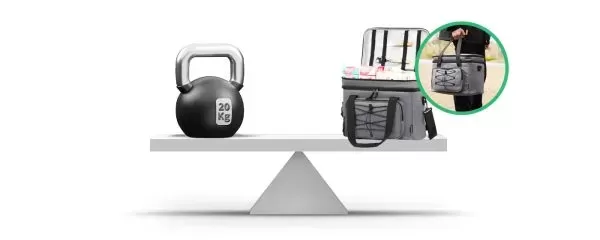
Manufacturers perform static and dynamic load tests. The bag is filled with its maximum rated weight (often 10 to 15 kg for grocery bags) and suspended by its handles for a set period. Dynamic tests involve mechanical arms lifting and dropping the loaded bag repeatedly to verify stitch strength.
Partner Directly with weierken for Your Retail Bags
Securing a reliable supply of high-quality, compliant retail packaging does not have to be complicated. Working directly with a dedicated manufacturer gives you better control over your costs, product design, and delivery schedule.
At **weierken**, we focus on manufacturing durable, compliant, and well-designed insulated bags for retailers worldwide. Whether you need a simple non-woven thermal bag or a premium GRS-certified cooler bag, our team is ready to assist you. Contact us today to discuss your specifications, request a sample, or get a competitive quote for your next project.