
The on-demand grocery delivery market is growing fast. Consumers no longer just request quick delivery; they expect fresh food to arrive at the correct temperature. This shift puts immense pressure on cold chain logistics.
Using cheap, generic cooler bags often leads to melted ice cream and spoiled seafood. These failures result in customer complaints, refunds, and damaged brand reputation. To avoid these issues, platforms require professional-grade thermal equipment.
A generic packaging supplier sells standard bags, but a professional grocery insulated tote maker like Weierken designs systems built for delivery. Here is why partnering with a specialized manufacturer is necessary for your delivery business.
Experienced manufacturers understand that every delivery model has unique needs. They do not offer one-size-fits-all items. Instead, they engineer transport solutions that protect your cargo and your bottom line.
1. The Realities of Last-Mile Thermal Control
Last-mile logistics is the most vulnerable part of the cold chain. Once products leave the fulfillment center, they face unpredictable weather, traffic delays, and frequent door openings. Maintaining a stable temperature during this stage is difficult.
Standard grocery bags lack the structural integrity to block external heat. When thermal barriers fail, food quality drops quickly. Warm milk or soft frozen items lead directly to negative customer reviews.
A specialized grocery insulated tote maker creates products to handle these field conditions. Rather than using simple foil liners, they design systems that slow down heat transfer during long transport routes.
With engineered thermal bags, your delivery drivers can complete multiple stops without losing temperature control. This reliability keeps food fresh and secures customer trust in your service.
2. Professional Makers vs. Generic Packaging Suppliers
Understanding the difference between a custom thermal manufacturer and a generic packaging supplier is vital. It affects both your daily operations and your long-term procurement budget.
Material Science and Temperature Performance
Generic thermal bags usually feature thin aluminum foil and cheap EPE foam. This basic construction keeps food cold for less than an hour. It is insufficient for complex delivery routes with multiple stops.
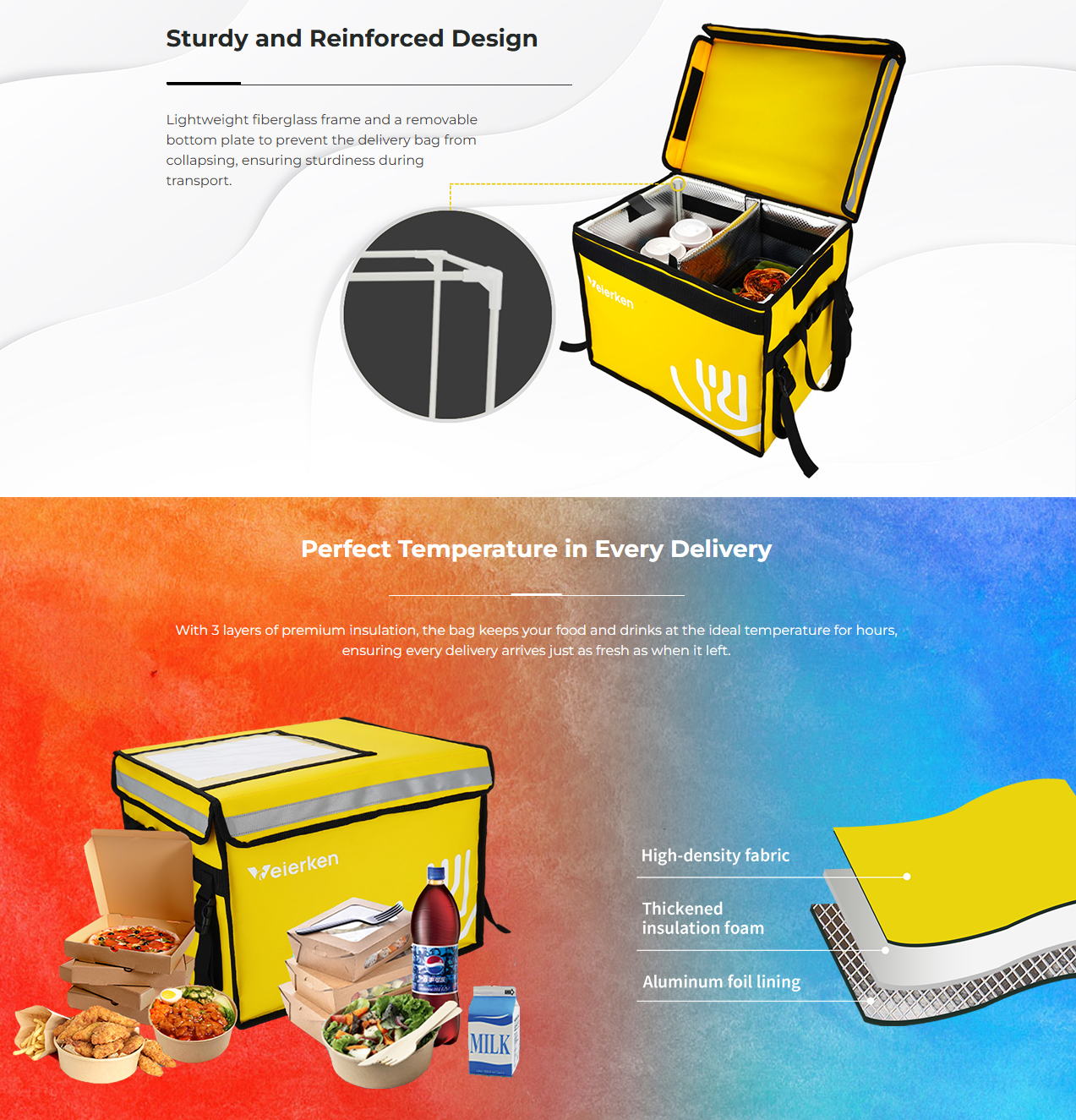
In contrast, a dedicated grocery insulated tote maker uses advanced material engineering. They assemble multi-layered thermal barriers to block heat transfer:
Outer Layer: Heavy-duty, water-resistant 600D or 1680D Oxford fabric. This material resists tears and handles rough treatment by drivers.
Insulation Core: High-density polyurethane (PU) foam or expanded polyethylene (EPE) up to 10mm thick. This core provides a strong thermal barrier.
Inner Lining: Leak-proof, food-grade heat-sealed PEVA or PVC. These liners contain spills and keep the interior clean.
Thermal Enhancements: Specialized pockets designed for gel packs or phase change materials (PCM) to maintain target temperatures for 4 to 6 hours.
Lowering Your Total Cost of Ownership (TCO)
Purchasing cheap bags seems cost-effective at first. However, low-grade zippers break, straps tear, and seams split under daily use. You end up replacing these bags every few months.
A professional manufacturer like Weierken designs commercial food delivery bags for heavy daily use. They use reinforced stitching at stress points and heavy-duty industrial zippers.
By investing in durable custom insulated delivery totes, you reduce your yearly replacement rate. This durability lowers your total cost of ownership over time, even with a higher initial purchase price.
3. Design Features Built for Daily Delivery Operations
Delivery riders face tough, fast-paced work environments. They need equipment that helps them work efficiently, not gear that slows them down. Good design directly affects your overall delivery speed.
A dedicated grocery insulated tote maker designs bags with practical delivery needs in mind. They analyze how riders pack, carry, and unpack groceries to optimize the bag's structure.
These specialized design features improve daily operations in several ways:
Vehicle Integration: Totes are sized to fit onto electric bikes, scooters, or into car trunks without wasting space.
Adjustable Compartments: Movable internal dividers keep hot and cold items separated within the same bag.
Securing Systems: Internal straps and cup holders keep milk bottles, soup containers, and delicate items from tipping over.
Ergonomic Comfort: Wide, padded shoulder straps and breathable back panels reduce physical strain on delivery riders.
Safety Accents: High-visibility reflective strips make riders safer when delivering at night or in bad weather.
When you use well-designed reusable thermal grocery bags, your delivery process runs smoother. Riders load and unload faster, which helps lower your overall delivery costs.
4. Brand Value and Regulatory Compliance
Your delivery riders are mobile advertisements for your business. Every time they carry a bag into an apartment building, thousands of potential customers see your brand name.
Using worn, dirty, or unbranded bags sends a poor message about your service. It suggests you do not prioritize food safety or quality control.
A specialized grocery insulated tote maker provides professional customization options. They use durable silk-screen or heat-transfer printing to keep your brand logo sharp, even after months of sun and rain exposure.
Consistent branding on high-quality cold chain logistics packaging builds trust. It shows your customers that you care about delivering fresh groceries in top condition.
Beyond branding, food safety compliance is a major operational requirement. Professional manufacturers build food-grade insulated bags using materials that comply with international safety standards.
These manufacturers provide documentation confirming compliance with FDA, LFGB, or REACH standards. This compliance protects your business from legal risks and matches food safety regulations.
5. Choosing the Right Thermal Bag Manufacturing Partner
Choosing the right partner is critical when scaling your delivery business. Use this checklist to evaluate a potential grocery insulated tote maker:
Prototyping Capabilities: Can they create fast, accurate physical samples based on your specific delivery vehicles?
OEM/ODM Services: Do they offer full OEM/ODM thermal bag production to customize dimensions, pockets, and materials?
Quality Management: Do they run factories certified under ISO 9001 standards with clear quality checks for every production run?
Material Sourcing: Can they supply certified food-grade, non-toxic, and eco-friendly raw materials?
Production Capacity: Do they have the capacity to deliver large bulk orders on schedule during seasonal demand peaks?
Experienced manufacturers like Weierken offer comprehensive design, prototyping, and mass production services. They ensure your custom bags meet your exact performance standards and arrive on time.
The Weierken Advantage: Reliable B2B Thermal Solutions
At Weierken, we manufacture durable thermal bags designed for modern delivery networks. We understand that delivery platforms require more than simple bags; you need reliable cold chain tools.
We combine advanced thermal materials, reinforced construction, and functional design to build long-lasting bags. Our products help reduce food waste, lower replacement costs, and support your delivery fleet daily.
Ready to upgrade your delivery equipment? Contact our team today to discuss your project requirements, request a custom sample, or get a production quote. Let us build the thermal solutions your business needs.
Frequently Asked Questions
1. What is the average lifespan of a professional delivery insulated tote?
A high-quality bag from a professional grocery insulated tote maker lasts between 12 to 18 months under heavy daily use. Cheap retail bags often fail within 2 to 3 months of constant service.
2. Can you maintain different temperature zones inside a single tote?
Yes. By using insulated internal dividers and specialized gel packs, you can split a single bag into hot, chilled, and frozen zones to keep various items at their correct temperatures.
3. What is the Minimum Order Quantity (MOQ) for custom insulated delivery bags?
MOQs vary depending on your customization needs. Standard custom orders typically start at 500 to 1,000 pieces, which allows us to source specialized materials efficiently.
4. Are the materials used in these delivery bags safe for direct food contact?
Yes. Professional manufacturers use food-grade insulated bags made with certified linings (like PEVA or PVC). These materials meet FDA and LFGB compliance standards for food safety.
5. How do you test the thermal performance of your delivery totes?
We test our bags in environmental chambers that mimic real-world weather. We place temperature loggers inside the bags to monitor thermal performance over several hours.
6. Can the interior linings of the bags be sanitized easily?
Yes. Our heat-sealed liners are completely waterproof and dirt-resistant. This design allows delivery riders to wipe them down quickly with disinfectant sprays between routes.