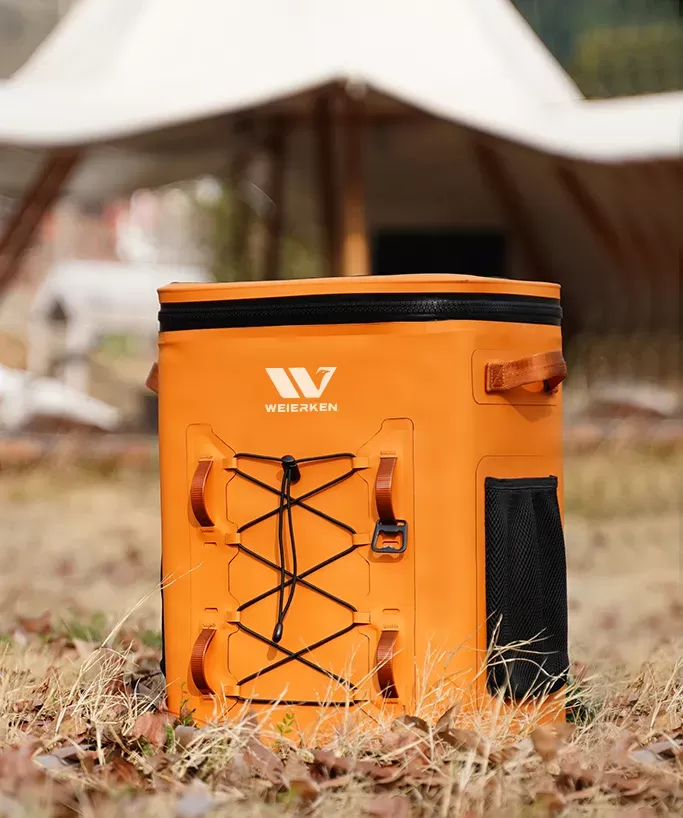

The rise of pet humanization has completely disrupted the animal nutrition market. Pet owners no longer settle for dry, shelf-stable kibble. Instead, they demand fresh, gently cooked meals and raw diets delivered straight to their doorsteps.
For direct-to-consumer (DTC) brands, this shift presents a serious cold-chain challenge. Fresh pet food spoils rapidly if temperatures climb above 4°C (40°F), while raw pet blends must stay rock-solid frozen during transit.
Single-use expanded polystyrene (EPS) foam coolers and disposable cardboard boxes are no longer practical. They drive up fulfillment costs, consume massive warehouse space, and trigger backlash from eco-conscious consumers. Forward-thinking companies now partner with specialized manufacturers like Weierken to transition toward closed-loop delivery networks.
Selecting commercial-grade reusable pet meal delivery bags requires a balance between thermal performance, mechanical durability, reverse logistics costs, and brand aesthetics. This guide covers every technical factor procurement directors and supply chain managers must evaluate before placing a bulk order.
1. Thermal Insulation Performance and Core Materials
Thermal failure in the fresh pet food sector leads directly to rancid meat, bacterial growth, customer churn, and expensive order reshipments. Your choice of internal insulation dictates whether frozen items remain intact over a standard 24-to-48-hour delivery window.
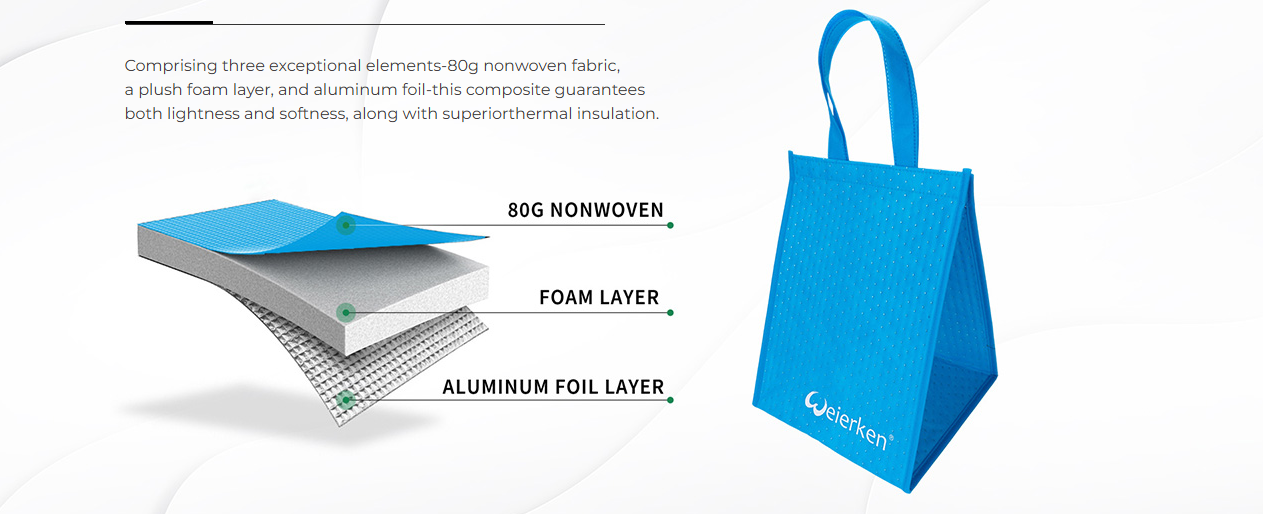
Delivery bags rely on distinct core materials, each offering different trade-offs between thermal resistance, dead weight, and bulk:
Expanded Polyethylene (EPE) Foam: A common, cost-effective closed-cell foam. While flexible and lightweight, standard EPE requires significant thickness (at least 10mm to 15mm) to protect raw pet food during hot summer months.
High-Density Polyurethane (PU) Foam: Offers superior structural rigidity and insulation efficiency compared to basic EPE. It resists compression over hundreds of delivery cycles, ensuring consistent thermal retention over time.
Advanced Aerogel Blankets & Vacuum Insulation Panels (VIP): For premium subscription services requiring 48-hour to 72-hour cross-country transit, aerogel-infused layers offer the highest R-value per millimeter. They keep wall thickness low, leaving more internal room for frozen packs.
Reflective Foil Barriers: Radiant heat accounts for a large portion of thermal transfer. Commercial bags must combine high-density foam with double-sided pure aluminum or metalized PET film to reflect external heat away from the food compartment.
When sourcing insulated delivery bags for raw pet food, demand calibrated temperature decay curves from your supplier. Testing must reflect real-world ambient conditions (e.g., 35°C / 95°F summer profiles) using your specific ratio of frozen gel packs or dry ice.
2. Food Contact Liners, Hygiene, and Odor Resistance
Leaking raw blood, moisture, and greasy fat residues are common in pet meal logistics. If liquid seeps into the bag's insulation layer, bacteria will multiply, producing sour odors that destroy the unboxing experience.
Pay close attention to these interior construction details:
Seamless Heat-Welded Technology: Traditional stitched inner seams leak immediately when ice packs sweat or meat pouches tear. Insist on high-frequency heat-sealed or ultrasonic-welded PEVA or TPU liners that hold liquid like a solid tub.
FDA-Compliant, Food-Grade Materials: Even though pet food is sealed inside vacuum pouches, liners must use non-toxic, food-safe materials (such as virgin PEVA or TPU) free from harmful phthalates, BPA, and heavy metals.
Antimicrobial and Anti-Mildew Coatings: Industrial silver-ion or zinc-pyrithione surface treatments inhibit pathogen growth between cleanings, keeping your fleet hygienic across months of heavy use.
Washability and Wipe-Down Speed: Turnaround time at the fulfillment depot matters. Liners must withstand commercial bleach wipes, high-pressure sanitizing sprays, and hot-water washdowns without peeling or cracking.
3. Outer Shell Fabrics and Hardware Durability
Delivery couriers throw bags into vans, drag them across concrete porches, and leave them in rain, snow, and direct sunlight. Flimsy retail-grade materials will rip apart within three to five trips.
To survive commercial pet food delivery packaging duty cycles, the exterior shell must use heavy-duty technical textiles:
Heavy-Denier Oxford Polyester (600D to 1680D): Coated with a heavy thermoplastic polyurethane (TPU) or PVC backing. A 1680D ballistic weave offers outstanding puncture resistance against sharp frozen box corners.
RPET Fabrics for ESG Goals: Recycled polyethylene terephthalate (RPET) made from recycled plastic bottles provides the same tear strength as virgin polyester while satisfying corporate sustainability initiatives.
Commercial Zippers vs. Magnetic Closures: Standard nylon zippers fail quickly under rough handling. Choose heavy-duty water-repellent zippers (such as YKK #8 or #10) with molded teeth, or wide commercial-grade hook-and-loop flaps for lightning-fast courier access.
Load-Bearing Reinforcements: Fresh pet meals are heavy; a weekly supply of frozen raw meat can easily weigh 10 to 15 kilograms. Handles must feature cross-box stitching (X-stitched) wrapped completely under the bottom of the bag, rather than hanging solely from the top seam.
Rigid Base Plates: Removable or integrated waterproof PP hollow boards distribute internal weight evenly, preventing the bottom from sagging and crushing the bottom layer of meal tubs.
4. Reverse Logistics, Collapsibility, and ROI Economics
Switching from single-use cardboard and styrofoam to reusable pet meal delivery bags makes financial sense only if you optimize your reverse logistics loop. Empty packaging takes up valuable truck volume on return routes.
Leading manufacturers like Weierken solve this issue by engineering collapsible internal structures. Bags with creased side walls or folding base inserts can collapse down to 25% to 30% of their fully expanded volume. This allows drivers to stack dozens of empty bags inside a single tote box, drastically reducing reverse shipping freight costs.
Consider the basic return on investment (ROI) model comparing single-use vs. reusable packaging:
Single-Use Packaging: A corrugated carton, EPS cooler insert, plastic tape, and gel packs cost roughly $4.50 to $7.00 per shipment. For 10,000 monthly orders, that burns $45,000 to $70,000 every single month in pure waste.
Reusable Packaging: A high-durability bag costs roughly $18.00 to $28.00 upfront. Factoring in a 95% return rate and reverse transit/sanitization costs ($1.50 to $2.00 per trip), the bag breaks even after just 4 to 6 delivery cycles. Over 30 to 50 cycles, fulfillment costs drop by 40% or more.
Asset retention is the single biggest threat to this ROI equation. If pet parents keep the bags, your capital vanishes. High-performing subscription brands counter this by pairing custom branded pet food bags with simple asset-tracking hardware:
Clear Waybill / Routing Pouches: Ultrasonic-welded transparent sleeves on the lid allow couriers to switch delivery labels quickly.
Integrated Barcodes and QR Codes: Printed permanent 2D data-matrix codes let fulfillment hubs scan bags in and out, automatically billing a deposit if a customer fails to return an empty bag within two cycles.
RFID Asset Tags: Concealed ultra-high frequency (UHF) RFID tags sewn inside inner seams enable automated, touch-free warehouse inventory tracking as pallets pass through dock doors.
5. Functional DTC Customization and Customer Experience
Your delivery bag is the first physical interaction a subscriber has with your brand every week. It sits on their porch, visible to neighbors and foot traffic. It must look professional, clean, and modern.
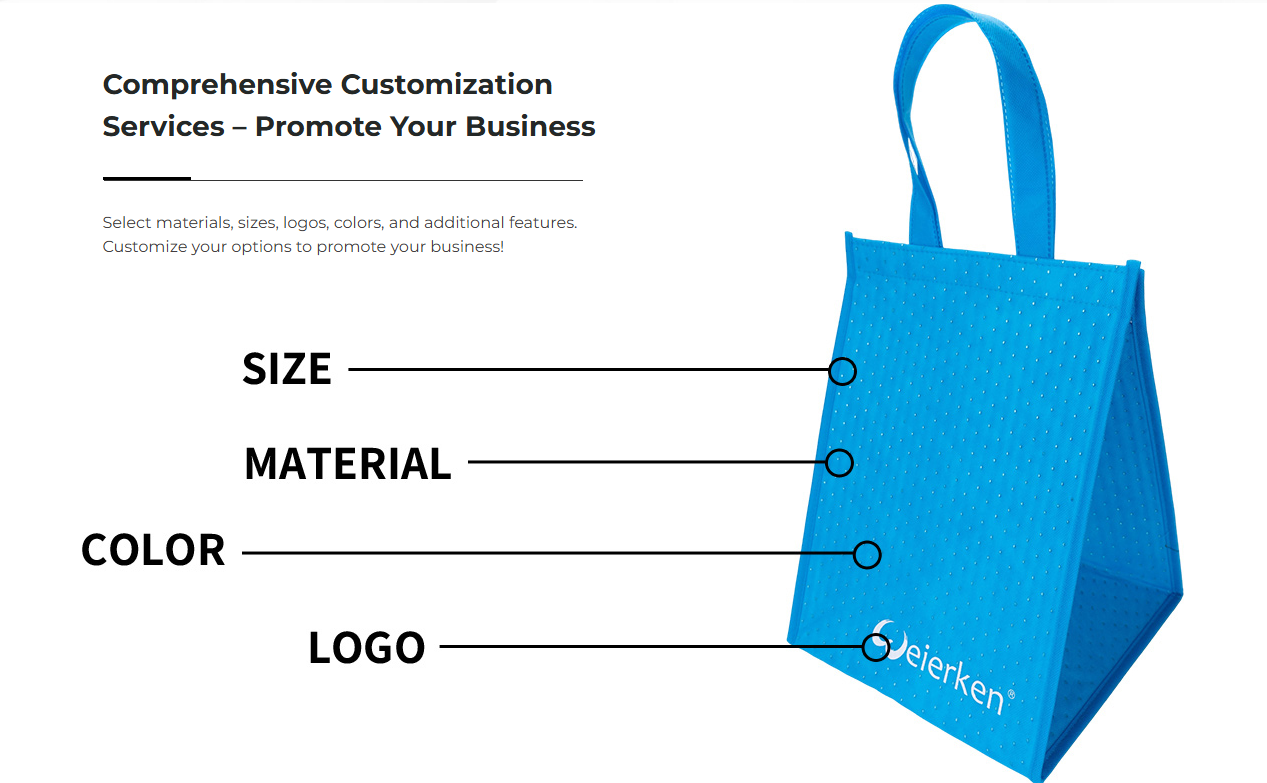
Work with an OEM bag manufacturer capable of precise brand customization:
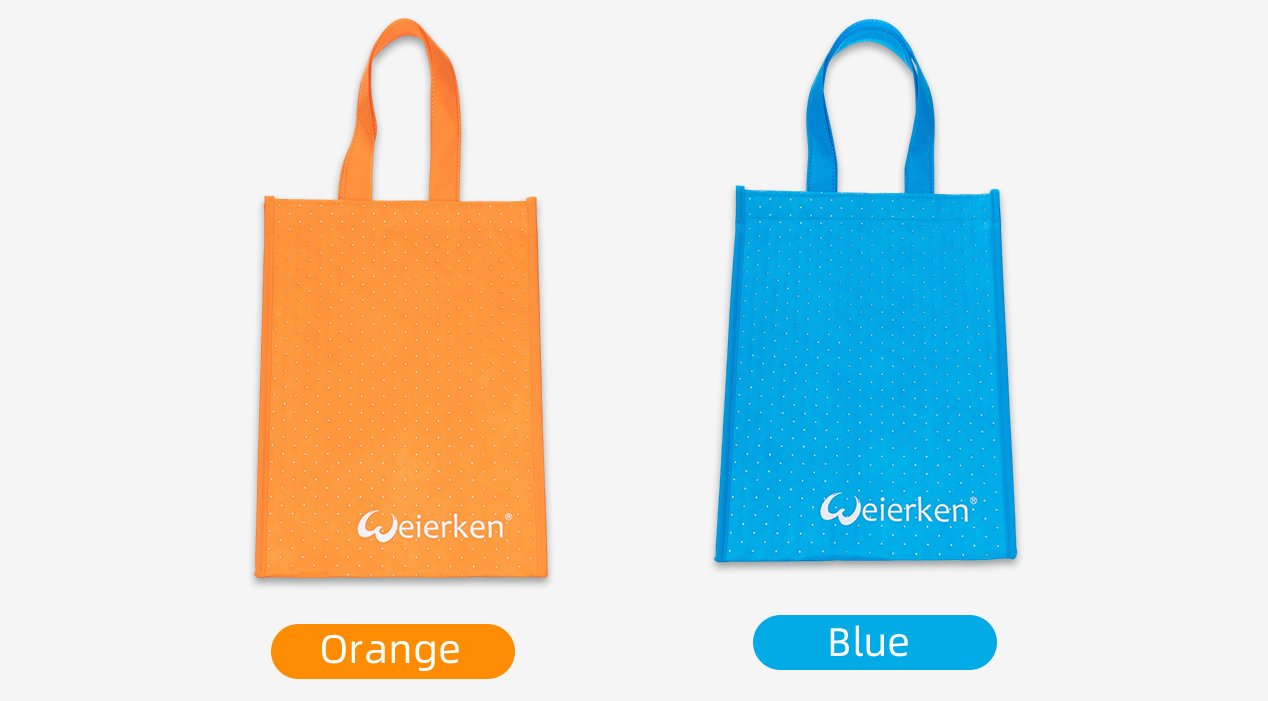
Custom Pantone Matching: Move beyond basic black or silver. Match outer shell fabrics and webbing trims to your brand's exact corporate visual identity.
High-Durability Screen Printing and Rubber Badging: Standard ink rubs off after repeated washings. Use high-density silicone transfers, vulcanized rubber patches, or heat-sublimated graphics that withstand industrial sanitization.
Segmented Internal Compartments: Prevent soft meal pouches from getting crushed by heavy ice bricks. Built-in interior elastic mesh pockets keep gel packs suspended along the perimeter walls, maximizing conductive cooling while separating dry treats or supplements from moist, frozen goods.
6. Supplier Audits: What to Verify Before Placing Bulk Orders
Building a commercial fleet of cold-chain bags requires a dependable manufacturing partner, not a generic retail bag trader. When vetting suppliers, demand verification across three key operational areas:
Quality & Social Compliance Certifications: Confirm the factory operates under ISO 9001 quality management systems and maintains valid BSCI or Sedex ethical manufacturing audits.
Internal Environmental Chambers: Reliable cold-chain manufacturers maintain on-site thermal testing chambers. They should supply empirical temperature-over-time graphs showing your target payload's performance at controlled temperatures.
Production Scalability and Minimum Order Quantities (MOQs): For custom tooling, seam sealing, and dyed fabrics, typical factory MOQs range from 500 to 1,000 units. Clarify sampling lead times (typically 7 to 14 days) and mass production capacity before committing.
Frequently Asked Questions
Q1: How long can reusable pet meal delivery bags keep raw meat
frozen?
A1: A well-engineered bag using high-density foam (10mm to
15mm) paired with radiant barrier foils can maintain frozen contents below 0°C
(32°F) for 24 to 36 hours. When combined with vacuum insulation panels (VIP) and
appropriate dry ice or phase-change materials (PCMs), holding times can safely
reach 48 hours or more.
Q2: How do commercial kitchens clean and sanitize these bags between
uses?
A2: Reusable bags feature seamless, leakproof interior liners.
Commercial fulfillment teams wipe them down using quaternary ammonium or
food-contact sanitizer sprays. Some designs allow the interior liner to be
pulled outward for deep washdowns, followed by rapid air drying on sanitized
drying racks.
Q3: How do we prevent customers from keeping our delivery
bags?
A3: Most subscription pet food services operate on a "one-in,
one-out" drop-off model. Couriers leave the fresh meal delivery and pick up the
empty bag from the prior week. Brands often collect a refundable bag deposit
($15 to $25) upon subscription signup, which is charged only if the account
cancels without returning the final bag.
Q4: Are reusable delivery bags truly greener than recyclable
cardboard?
A4: Yes, provided they achieve a minimum circulation
rate. Life cycle assessment (LCA) studies show that commercial insulated bags
offset their production footprint after 5 to 8 uses compared to single-use
corrugated boxes lined with expanded polystyrene (EPS) or paper bubble wrap.
Bags built for 40+ cycles significantly reduce operational carbon output and
municipal landfill waste.
Q5: Can these bags be equipped with GPS or live temperature
monitoring?
A5: Yes. Industrial cold-chain bags can feature
dedicated interior sensor pockets to secure compact Bluetooth, cellular, or USB
data loggers. These monitor transit temperatures and geographic location,
providing your quality assurance team with clear cold-chain data
verification.
Scale Your Sustainable Cold-Chain Logistics
Switching your pet food fulfillment to reusable pet meal delivery bags cuts packaging waste, lowers your per-order delivery costs, and protects meal safety from factory floor to porch. Settling for generic retail cooler bags leads to cold-chain failures and costly replacements.
Weierken engineers durable, commercial-grade cold-chain soft goods tailored specifically for subscription pet food services and perishable food distributors. From customized thermal foam layering to high-frequency welded liners and turn-key brand printing, we bring proven expertise to every delivery bag we manufacture.
Contact our packaging engineering team today to review your temperature profile, request a technical quote, and order your custom prototypes.