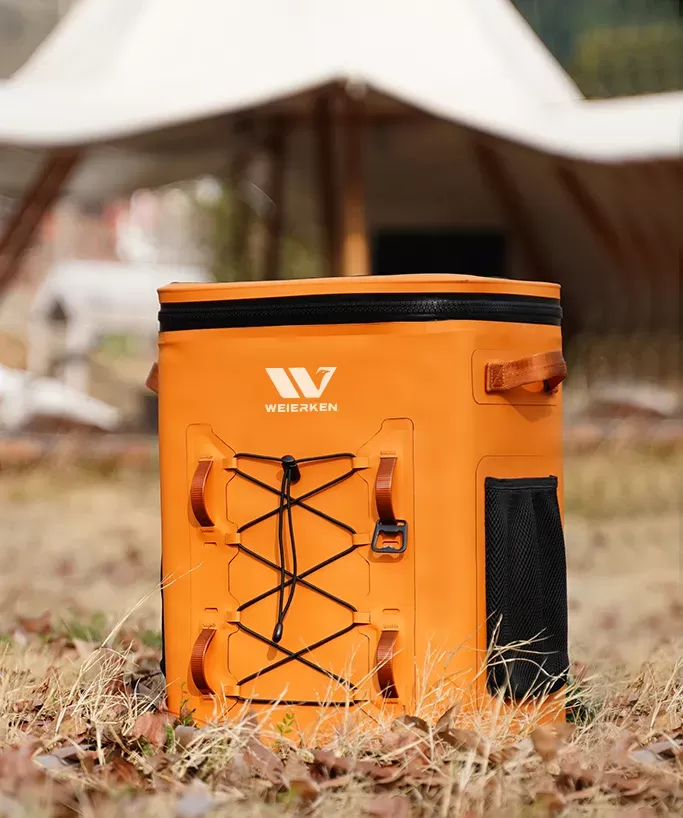

The global market for outdoor recreation continues to grow steadily. Activities like kayaking, rafting, stand-up paddleboarding (SUP), and riverside camping have moved from niche hobbies to mainstream lifestyle choices. This shift has created a strong demand for durable, specialized gear.
For procurement managers, outdoor brands, and volume distributors, choosing a manufacturing partner is a critical business decision. Standard soft coolers often fail under the harsh conditions of river environments. Issues like broken zippers, leaking seams, and poor insulation can hurt a brand's reputation.
Finding a specialized river life cooler bag maker requires looking closely at technical capabilities, material selection, and quality systems. This guide provides a clear framework for B2B buyers to evaluate manufacturers and find a partner that meets high standards, such as Weierken.
Material and Manufacturing Standards for River Environments
River trips expose equipment to constant moisture, direct sunlight, and abrasive rock surfaces. When assessing a waterproof cooler bag manufacturer, first examine their raw materials and assembly methods. These choices directly affect the performance and lifespan of the final product.
A high-quality soft cooler relies on specific construction techniques to ensure it remains durable, waterproof, and functional over long-term outdoor use.
High-Frequency RF Welding vs. Sewing
Traditional industrial sewing is not suitable for river-grade coolers. Every needle hole creates a path for water to leak into the insulation or escape from the interior of the bag. A professional river life cooler bag maker uses High-Frequency (HF) or Radio Frequency (RF) welding instead.
This process uses electromagnetic energy to fuse polymer materials together at the molecular level, creating several key advantages:
Complete Waterproof Seal: Fused seams prevent water from leaking in or out, even when the bag is submerged.
Excellent Seam Strength: The welded joints are often stronger than the fabric itself, making them highly resistant to tearing under pressure.
Hermetic Seal: This airtight barrier prevents warm air from entering, which helps the bag maintain its cooling efficiency.
When selecting a supplier, confirm that they have dedicated RF welding production lines to produce a truly reliable high-frequency welded cooler bag.
Fabric Selection: TPU vs. PVC
The choice of outer fabric affects both the durability of the cooler and how well it meets environmental regulations. While PVC (Polyvinyl Chloride) is a common low-cost option, it has notable limitations in cold weather and faces regulatory restrictions in many markets.
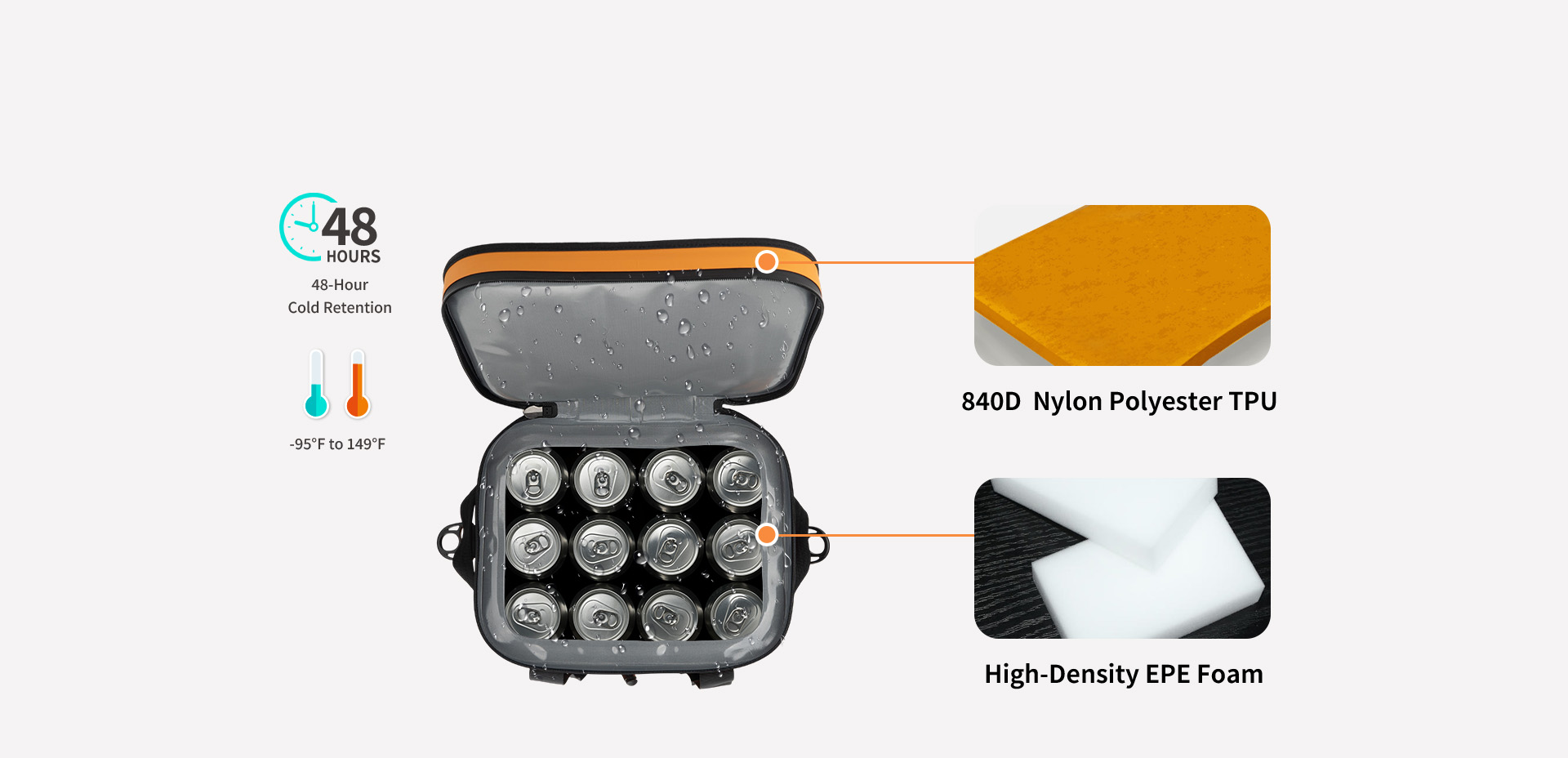
For mid-to-high-end brands, premium manufacturers recommend double-sided TPU (Thermoplastic Polyurethane) coated fabrics, such as 840D nylon. TPU provides distinct physical advantages:
Environmental Compliance: TPU is non-toxic, recyclable, and free from phthalates, meeting REACH and RoHS standards.
Cold-Crack Resistance: The material remains flexible in cold river water, preventing cracks from forming.
Abrasion Resistance: It withstands scrapes against rocks, gravel, and boat frames without puncturing.
If you are looking to source a TPU soft cooler wholesale line, verifying that the supplier uses genuine, double-coated TPU is an important first step.
Airtight Zippers and Hardware
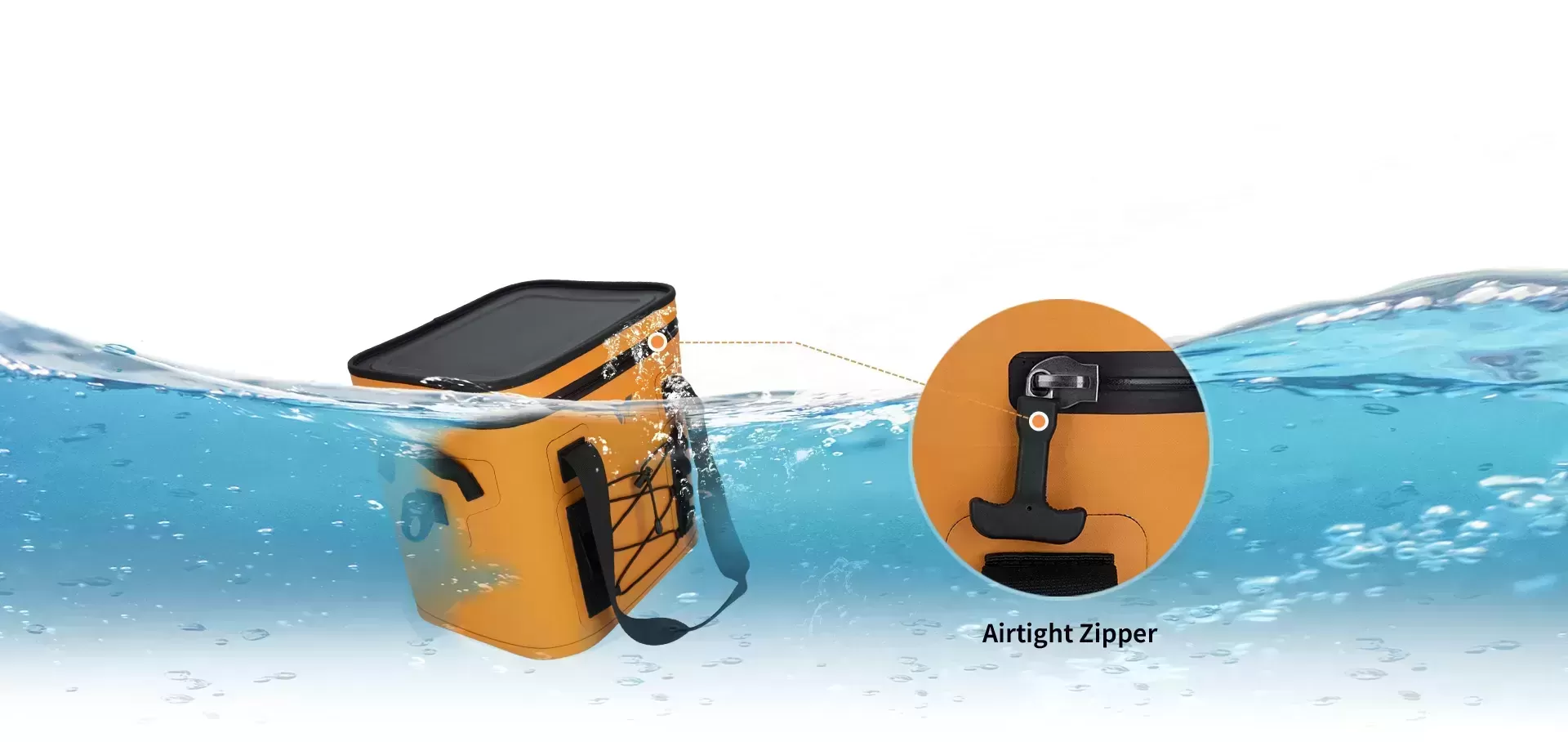
A river cooler must be leakproof even when flipped upside down in a raft. This requires specialized zipper technology and corrosion-resistant hardware. Standard water-resistant zippers can only stop light rain; they will leak if the bag is tipped over or submerged.
Look for a leakproof ice bag supplier that uses specialized airtight zippers, which feature interlocking teeth wrapped in a TPU-coated tape. These zippers seal tightly, keeping water out and cold air in. Additionally, verify that all D-rings and buckle systems are made from heavy-duty polymers or anodized aluminum to prevent rust from river water.
R&D Support and Ergonomic River Designs
Sourcing managers should evaluate a manufacturer's design and prototyping capabilities. A factory that can refine your tech pack can save your brand significant time and expense during development.
A qualified river life cooler bag maker should have an active design team capable of creating features tailored specifically to river activities.
Floating and Tie-Down Features
Equipment used on rivers needs to be practical and secure. A well-designed river cooler should include features that help users manage their gear on moving water:
Buoyancy: The cooler should float if it falls overboard. This is achieved by combining airtight zippers with thick, closed-cell foam insulation.
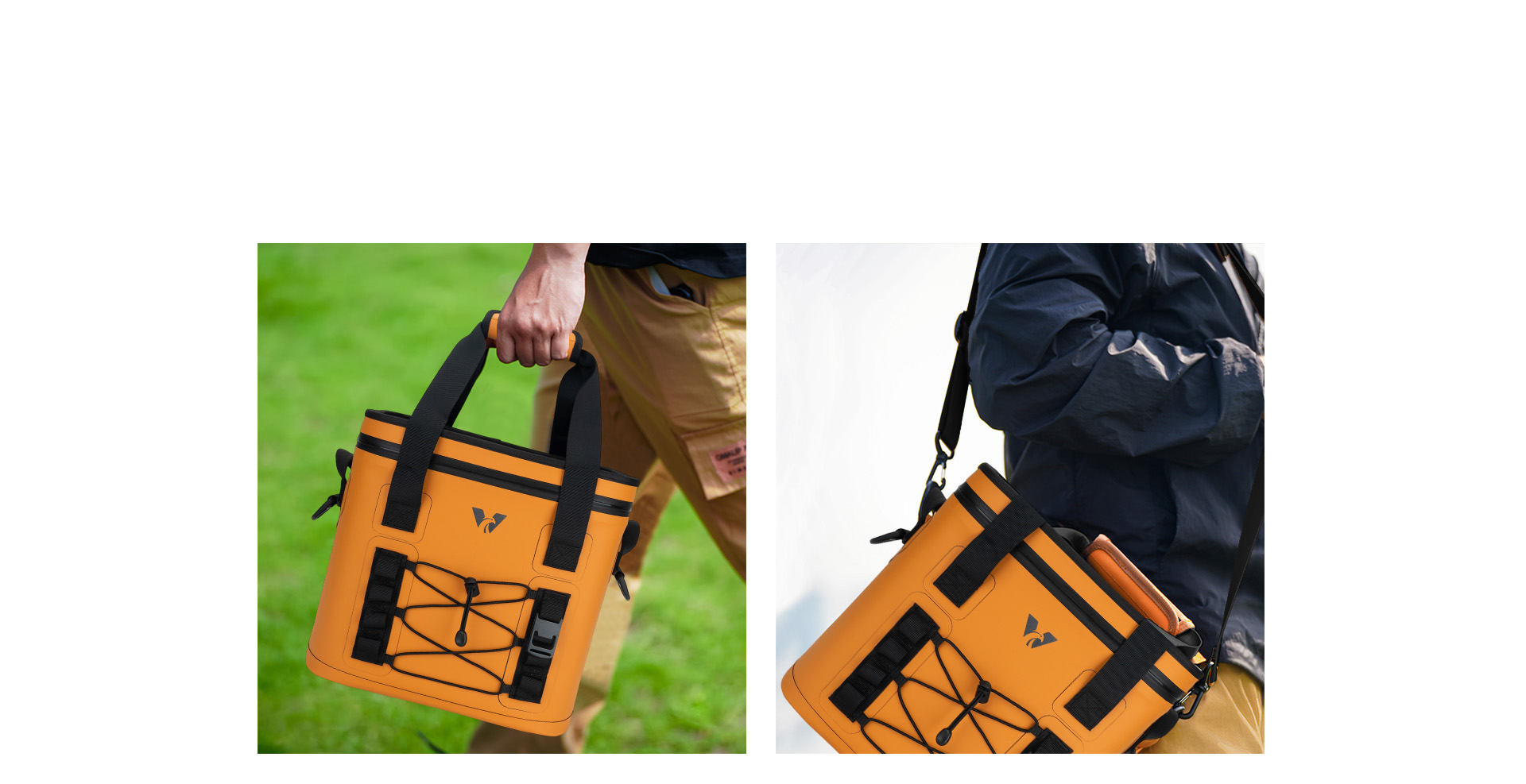
Anchor Points: Strong webbing loops or D-rings allow users to secure the cooler to raft frames or stand-up paddleboards.
Structured Bases: A rigid, molded EVA base helps the bag stay upright on uneven riverbanks or wet boat decks.
Custom Design & OEM Services
Your manufacturing partner should be able to work directly from your 2D patterns or 3D CAD files. Weierken provides comprehensive cooler bag OEM/ODM services, helping clients design, refine, and produce custom products. This support ensures the final product matches your exact design specifications and performance goals.
Testing and Regulatory Compliance for Global Markets
Importing products into North American and European markets requires strict compliance with regional safety and quality standards. Sourcing from a factory that lacks proper certifications can lead to customs delays or product recalls.
Before partnering with an outdoor gear supply chain partner, review their testing procedures and factory certifications.
Food-Grade Certifications (FDA/LFGB)
Because soft coolers are used to store food, ice, and drinks, their inner lining must be completely safe for food contact. Your supplier should provide test reports from recognized third-party agencies (such as SGS, TÜV, or Intertek) confirming that their liners meet FDA and LFGB standards.
An established custom cooler bag factory will maintain clean, controlled assembly areas to ensure these food-safe materials remain uncontaminated during production.
Factory Audits and Quality Systems
A reliable factory must demonstrate its commitment to quality through international manufacturing standards. Look for partners with active certifications, such as:
ISO 9001: Verifies that the factory uses consistent, documented processes for quality management.
BSCI / SMETA: Confirms the factory meets social compliance standards, including fair labor practices and safe working conditions.
Testing Protocols
A professional manufacturer should test products regularly throughout the production cycle. Key quality tests include:
| Test Type | Method / Purpose |
|---|---|
| Hydrostatic Pressure Test | Applies water pressure to the welded seams to ensure they remain waterproof. |
| Air-Tightness Inflation Test | Inflates the cooler to check the zipper and fabric for slow air leaks. |
| Insulation Retention Test | Measures internal temperatures over 24 to 72 hours to verify cooling performance. |
| Tensile Pull Test | Applies force to the handles and straps to ensure they can hold heavy loads without breaking. |
Managing the Outdoor Gear Supply Chain
Seasonal demand is a key factor in the outdoor recreation industry. Most sales happen in the spring and summer, which means your supplier must manage their production schedules carefully to avoid delays.
Understanding a manufacturer's capacity, lead times, and terms helps ensure your products arrive on schedule.
MOQ and Seasonal Production Planning
Because technical materials like TPU and airtight zippers require specialized production setups, manufacturers typically set their minimum order quantities (MOQs) between 500 and 1,000 units. Planning your orders well in advance is essential for hitting your target retail launch windows.
Off-Peak Production: Placing orders during the autumn and winter months helps avoid the busy spring rush and ensures more stable lead times.
Raw Material Planning: Experienced manufacturers keep key materials in stock to shorten production lead times during peak seasons.
Partner with an Experienced Manufacturer
Choosing the right manufacturing partner is essential for protecting your brand's reputation and ensuring product quality. A specialized **river life cooler bag maker** can help you avoid common design and material issues, allowing you to focus on growing your business.
Weierken provides reliable manufacturing services, utilizing advanced materials, precise RF welding, and rigorous testing. We work closely with our B2B partners from initial design to final delivery to ensure every batch of coolers meets high quality standards. By focusing on technical execution, we help you deliver reliable gear that performs well on the water.
Are you ready to plan your next soft cooler line? Send an inquiry today to speak with our project managers, request material samples, or get a detailed quote for your project.
Frequently Asked Questions
1. Why is RF welding necessary for a river cooler bag?
Traditional sewing creates needle holes that allow water to seep into the insulation or leak from the interior. RF welding uses electromagnetic energy to fuse the fabric panels together at the molecular level. This creates a seamless, airtight bond that prevents leaks and resists tearing under pressure.
2. What is the standard MOQ for custom orders?
Our standard MOQ for custom-designed soft coolers is typically 500 to 1,000 units. This volume allows us to set up RF welding machinery efficiently and source custom TPU colors. We can sometimes adjust these quantities for existing styles or open-mold designs.
3. Do your materials comply with food contact regulations?
Yes. All of our inner liner materials are certified food-safe and comply with FDA, LFGB, and REACH regulations. They are free from BPA, phthalates, and heavy metals, making them safe for storing food, ice, and beverages.
4. How does Weierken test the insulation performance of its bags?
We place our coolers in temperature-controlled environmental chambers to simulate outdoor conditions. We fill the coolers with a set amount of ice and monitor internal temperatures over 24 to 72 hours to verify their thermal efficiency.
5. Can we develop a completely custom mold for a hard-bottom cooler?
Yes. We offer complete OEM services, including custom mold development for EVA bases and structured bottoms. Our engineering team assists with CAD design, creates prototype molds for testing, and manages final tooling production.
6. How do you protect metal hardware from rusting?
We use corrosion-resistant hardware for river-grade bags. This includes anodized aluminum components and high-strength plastic buckles that will not rust or degrade after exposure to fresh or salt water.