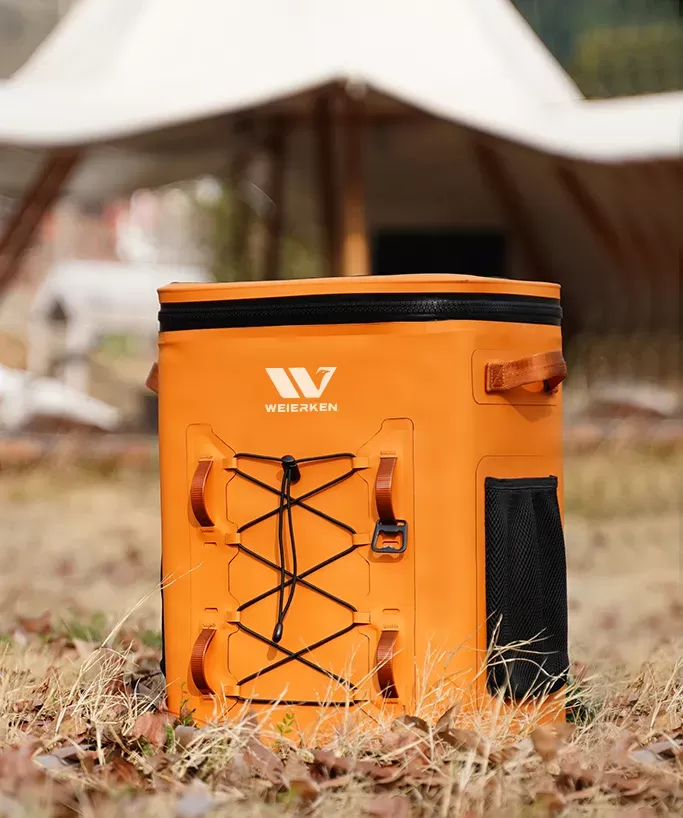

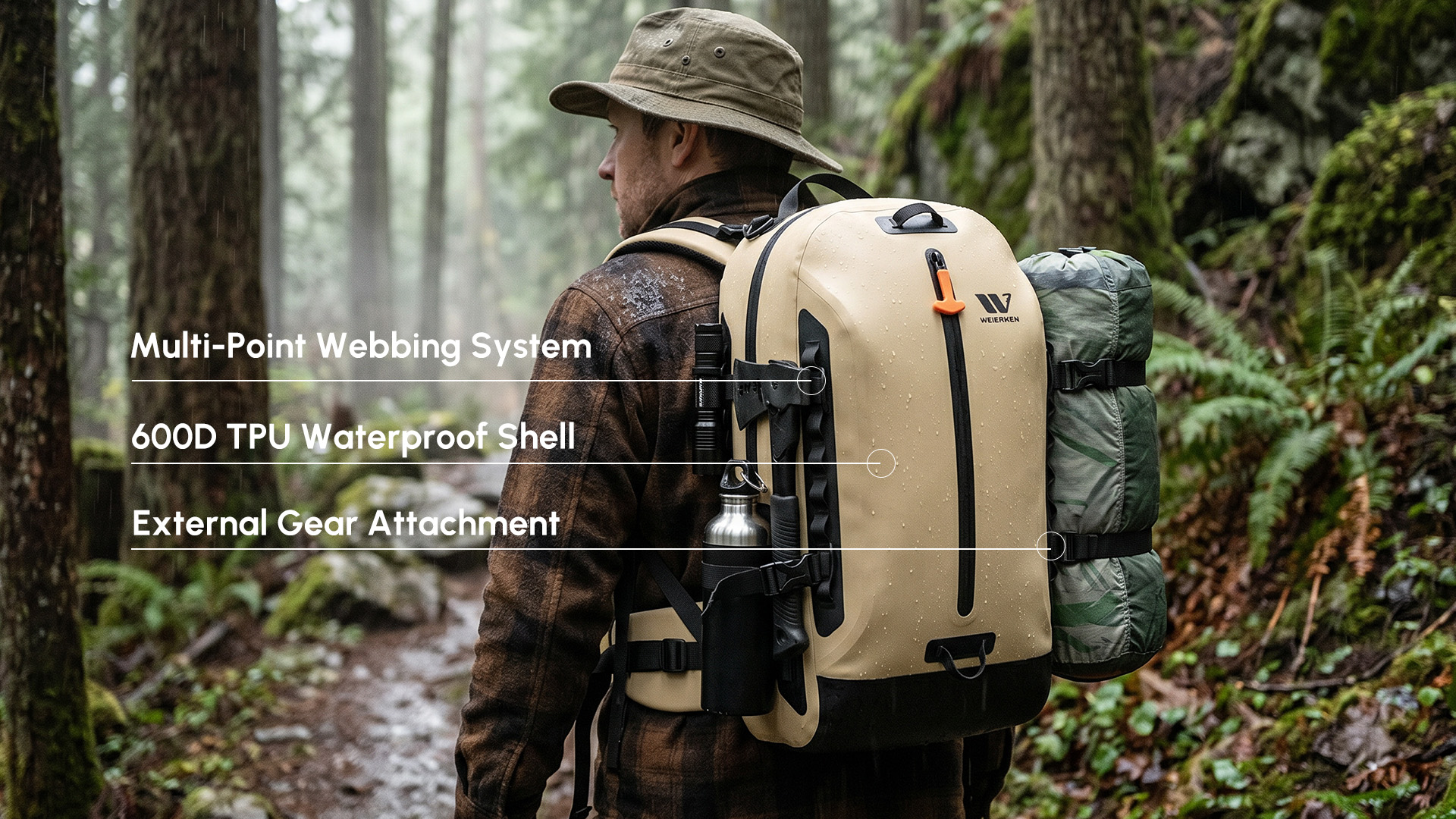
Anglers are demanding more from their gear than ever before. Modern lure, kayak, and offshore fishing require technical packs that withstand brutal marine environments, organize specialized tackle trays, and keep dry items safe during downpours or deep wading.
For outdoor brands, sourcing a factory capable of producing high-performance gear is a major hurdle. Many procurement managers face unexpected import tariff spikes, unannounced production delays during peak seasons, and costly seam-leakage returns that damage brand reputation.
Finding the right custom fishing backpack manufacturer requires evaluating technical engineering, dual-country manufacturing strategies, and strict compliance systems. This guide breaks down what you must look for in a production partner and how industry veterans like Weierken help outdoor brands scale profitably.
[Request a Sample & Factory Quote]
1. Engineered for Anglers: Solving Complex Technical Challenges in Fishing Backpacks
A fishing backpack is not a standard school bag or simple daypack. It is a technical tool that operates in corrosive, wet, and abrasive conditions. If a factory treats it like basic luggage, the product will fail in the field.
Critical Functional Requirements
Specialized tackle bags demand specific raw materials and production techniques to satisfy serious anglers:
Corrosion-Proof Hardware: Saltwater quickly destroys standard metal sliders. True marine builds require salt-spray-tested nylon coil zippers, waterproof PU-coated zippers, or marine-grade anodized aluminum fasteners.
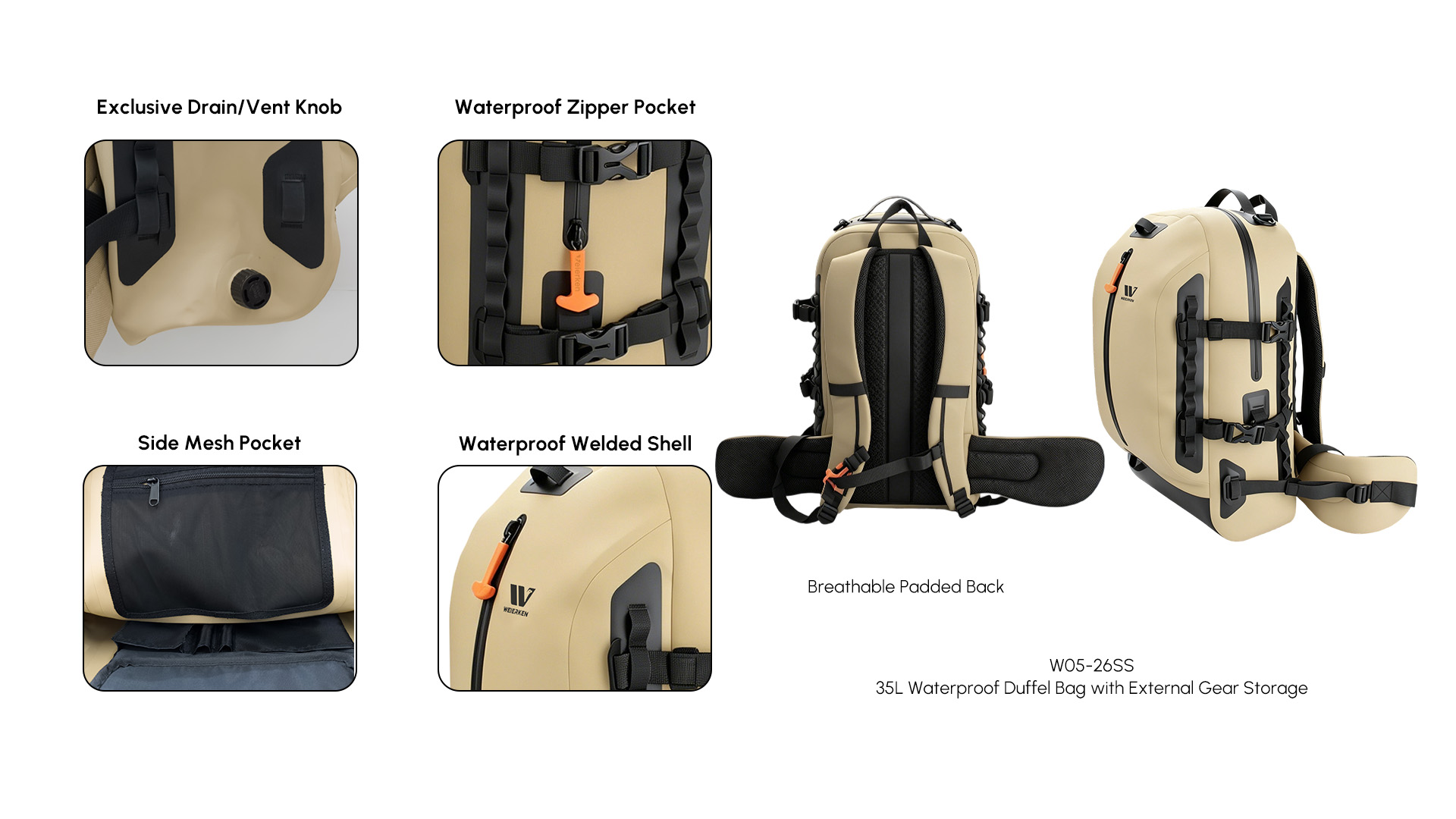
High-Frequency (HF) Welded Waterproof Compartments: Stitched seams create needle holes where water enters. Dedicated tackle packs require high-frequency welding with TPU or 500D-840D PVC laminated fabrics for fully submersible gear zones.
Modular Tackle Storage: Interior layouts must accommodate standard 3600 and 3700 tackle utility boxes, with adjustable dividers and quick-access side compartments.
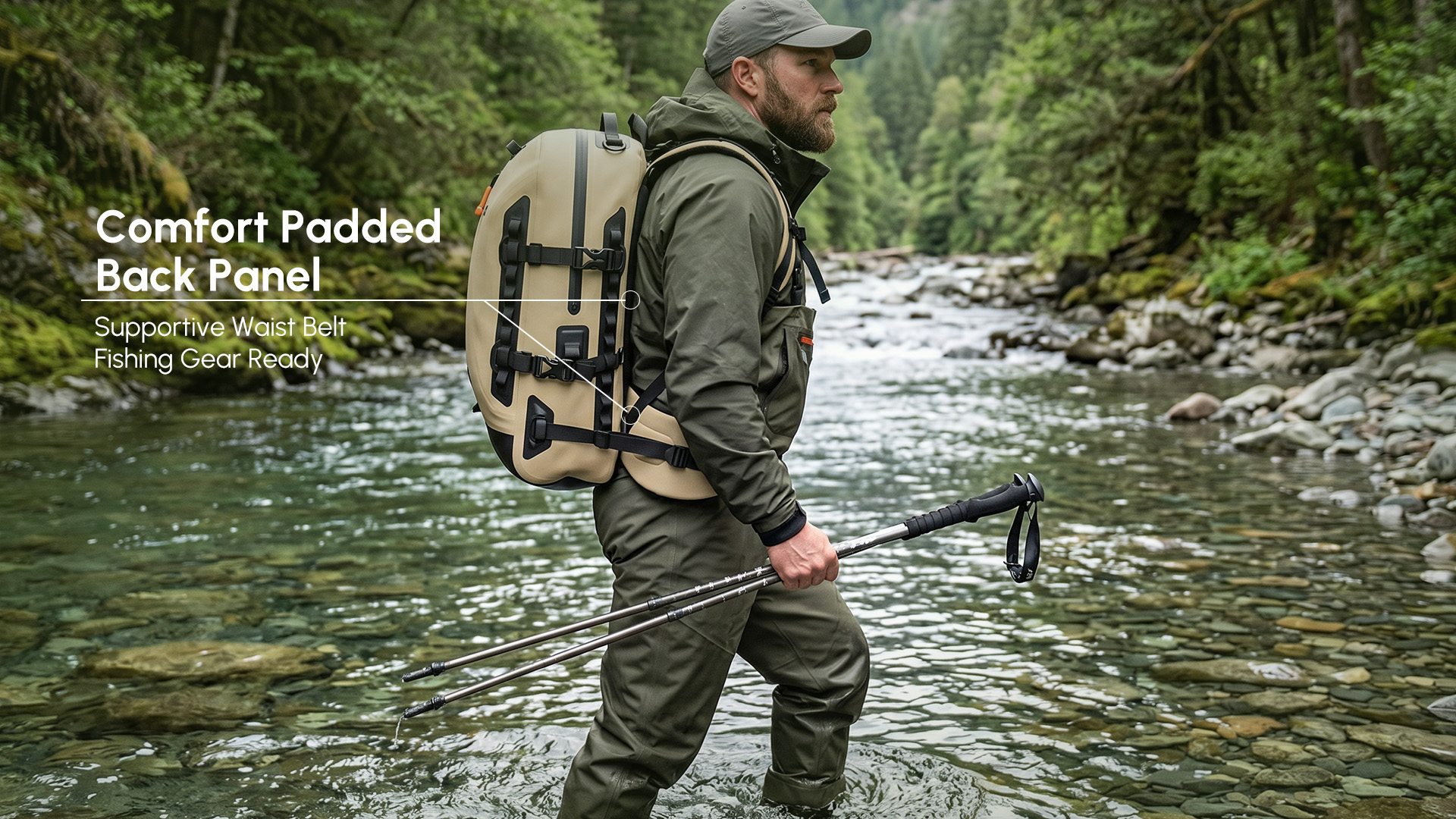
Integrated Gear Attachment Points: Laser-cut MOLLE grids, plier sheaths, built-in rod holder straps, and exterior D-rings must be reinforced with heavy bar-tacking to support dynamic loads.
Ergonomic Weight Distribution: Anglers carry heavy lead weights and tackle for miles. High-density EVA foam back panels and breathable mesh shoulder straps prevent fatigue and wick moisture.
Bridging Design and Mass Production
Many brands bring creative industrial designs that look great on a screen but present severe manufacturing issues on the assembly line. Excessively tight radiuses can cause welded seams to tear under tension, and poorly planned fabric layering can make seams too thick to stitch cleanly.
A manufacturing partner with over 20 years of technical bag-making experience bridges this gap. Experienced engineers review your tech pack to optimize structural paneling, adjust seam allowances, and suggest durable fabric substitutions. This engineering support prevents costly sampling revisions and eliminates structural failures before mass assembly begins.
2. From Tech Pack to Prototype: A Market-Driven Development Process
Moving from a product brief to a retail-ready backpack requires a clear, structured development pipeline. Working with an OEM/ODM partner who understands fishing trends gives your brand a direct competitive edge.
Insight-Driven Product Development
Contract manufacturing has shifted beyond basic assembly. The best suppliers operate as full ODM co-creators who track global outdoor gear trends.
Whether you need a hybrid fly-fishing chest pack, an amphibious waterproof backpack, or a lightweight lure pack, an experienced R&D team can suggest functional features based on real-world use. This proactive insight helps your brand launch products that solve actual angler pain points.
Precision Sampling with Predictable Timelines
Prototyping speed directly impacts your launch date. Delays in sample creation push back photo shoots, distributor pre-orders, and retail commitments.
High-Precision Pattern Making: Computer-aided pattern cutting ensures that the first physical sample matches the 2D/3D tech pack down to the exact millimeter.
Predictable Lead Times: Professional sample rooms deliver technical fishing backpack prototypes within 12 to 30 days, depending on mold creation and hardware customization needs.
Functional Field-Ready Samples: First-round prototypes arrive ready for real-world load, water, and ergonomics testing, not just visual review.
3. The Dual-Facility Advantage: Overcoming Supply Chain Bottlenecks & Tariffs
Geopolitical tensions, trade disputes, and regional supply chain shocks make relying on a single production origin a risky strategy. Successful outdoor brands mitigate this vulnerability with a multi-country manufacturing model.
Multi-Factory Strategy (China + Cambodia)
Leading suppliers utilize a hybrid manufacturing footprint that pairs China with Southeast Asian hubs like Cambodia:
China Hub: Serves as the central R&D center, raw-material sourcing powerhouse, and specialized prototyping hub. It handles complex, highly customized short-run production.
Cambodia Facility: Provides large-scale, high-capacity production lines for high-volume orders, insulated from regional trade restrictions.
This dual-facility setup keeps raw material sourcing smooth while protecting your production schedules during peak seasons.
How Preferential Tariffs Boost Your Profit Margins
Import tariffs significantly increase your landed costs. Products shipped directly from China to the United States and select Western markets face heavy Section 301 and trade-related duties that squeeze your profit margins.
Manufacturing in Cambodia allows brands to use preferential trade agreements and lower duty rates into key international markets. These duty savings drop straight to your bottom line, giving you room to invest in marketing or offer more competitive retail pricing.
4. Quality Control & Global Compliance: Protecting Your Brand Reputation
A waterproof bag that leaks or a shoulder strap that snaps under the weight of sinkers can destroy customer trust and flood your support team with warranty claims. Reliable production relies on strict, measurable quality controls.
Zero-Defect Manufacturing: The 99.5% First-Pass Yield Standard
Industrial performance comes from repeatable assembly and systematic inspection at every stage. Elite factories maintain a 99.5% first-pass yield rate through standardized stress-testing protocols:
Hydrostatic Water Pressure Testing: Verifies that welded fabrics and waterproof zippers resist high water pressures without seepage.
Load and Drop Testing: Rig-mounted stress machines repeatedly drop fully packed bags (weighted to 25–40 kg) to test top handles, haul loops, and shoulder harness anchor points.
Zipper Cycle Testing: Automated machines pull zippers through thousands of open-close cycles in dry and wet conditions to confirm teeth alignment and slider durability.
Salt Spray Chamber Testing: Hardware and pull tabs face continuous salt fog exposure for 48 to 72 hours to verify rust and corrosion resistance.
Global Ethical & Environmental Certifications
Entering major retail channels—such as Bass Pro Shops, REI, Cabela's, or direct-to-consumer marketplaces—requires full social and environmental compliance. A professional custom fishing backpack manufacturer maintains up-to-date third-party audits:
BSCI & SEDEX: Verifies fair wages, safe factory conditions, and zero forced or child labor.
GRS (Global Recycled Standard): Tracks recycled yarns and fabrics through the supply chain for brands making eco-conscious claims.
rPET Fabric Sourcing: Replaces virgin synthetics with post-consumer recycled plastic fabrics to satisfy modern sustainable buyers.
REACH & RoHS: Certifies that all coatings, PVC/TPU laminates, and plastics remain free of harmful phthalates, heavy metals, and toxic chemicals.
ISO 9001: Validates standardized quality management across all production lines.
5. Hassle-Free Procurement: Logistics & Long-Term Partnership
Managing overseas manufacturing should not pull your internal team away from marketing, sales, and product design. The final requirement for a top-tier factory partner is seamless end-to-end service.
True Door-to-Door (DDP) Shipping
Navigating ocean freight, customs declarations, port drayage, and classification codes can lead to unexpected delays and hidden fees. Choosing Delivered Duty Paid (DDP) terms shifts this entire burden to the manufacturer.
The supplier coordinates container booking, ocean transport, customs clearance, duty payments, and final trucking directly to your distribution center or 3PL warehouse. You receive your inventory at a clear, predictable landed cost with no border surprises.
Seamless Communication & Transparent Project Management
Miscommunications over technical specs cause expensive production mistakes. Experienced international manufacturers assign dedicated, English-fluent project managers to your account.
Using structured Gantt charts, weekly photo logs, and video milestone updates, your supplier acts as a reliable extension of your own operations team. You track fabric weaving, dyeing, cutting, assembly, and final QC packing in real time without having to fly overseas.
Frequently Asked Questions (FAQ)
Q1: What is the typical sampling lead time for a custom fishing backpack?
A: For technical fishing backpacks involving multi-panel construction, rod holders, and welded pockets, sampling typically takes 12 to 30 days. If custom hardware molds or specialized TPU tooling are required, add 7 to 10 days for tooling preparation.
Q2: How can outdoor brands legally reduce import tariffs on custom bags?
A: Brands can lower landed duty costs by working with manufacturers that operate dual facilities in China and Southeast Asia (such as Cambodia). Shifting the cutting and sewing assembly to a Cambodian facility allows your shipments to qualify for lower baseline tariff rates into the US and European markets.
Q3: What certifications should I look for in a sustainable backpack manufacturer?
A: Look for GRS (Global Recycled Standard) certification to verify that recycled polyester or nylon (rPET) is authentic. Additionally, ensure the factory is OEKO-TEX Standard 100 or REACH compliant to confirm that waterproof coatings and water-repellent treatments (DWR) are non-toxic and PFC-free.
Q4: Can you handle shipping and customs clearance for custom orders?
A: Yes. Full-service OEM/ODM manufacturers offer comprehensive DDP (Delivered Duty Paid) shipping services. The manufacturer manages ocean freight, export processing, import customs clearance, duty payments, and domestic delivery straight to your specified warehouse.
Q5: What are the typical minimum order quantities (MOQ) for custom fishing tackle backpacks?
A: Standard MOQs for fully custom technical tackle backpacks generally range from 500 to 1,000 units per style or colorway. This minimum is determined primarily by the custom fabric dyeing and specialized hardware milling runs needed for high-performance builds.
Q6: How do you test whether a fishing backpack is truly waterproof?
A: True waterproofing is verified through hydrostatic head pressure testing (measured in mm of water column resistance), continuous rain-chamber spray tests, and physical submersion tests for airtight, high-frequency welded pockets. Zippers are inspected under direct water spray to ensure leak-free performance.
Partner with Weierken for Your Next Fishing Backpack Line
Choosing the right custom fishing backpack manufacturer is about more than just finding the lowest unit cost. It requires a balanced combination of technical engineering, tariff-optimized production, high first-pass yield rates, and reliable logistics management.
With over two decades of technical manufacturing experience, dual production facilities in China and Cambodia, and a dedicated R&D engineering team, Weierken helps outdoor brands build high-performance fishing packs that protect both their gear and their bottom line.
Ready to launch or upgrade your fishing gear line? Contact Weierken’s OEM/ODM specialists today for a free tech pack review and tariff savings estimate.
[Request a Sample & Factory Quote]