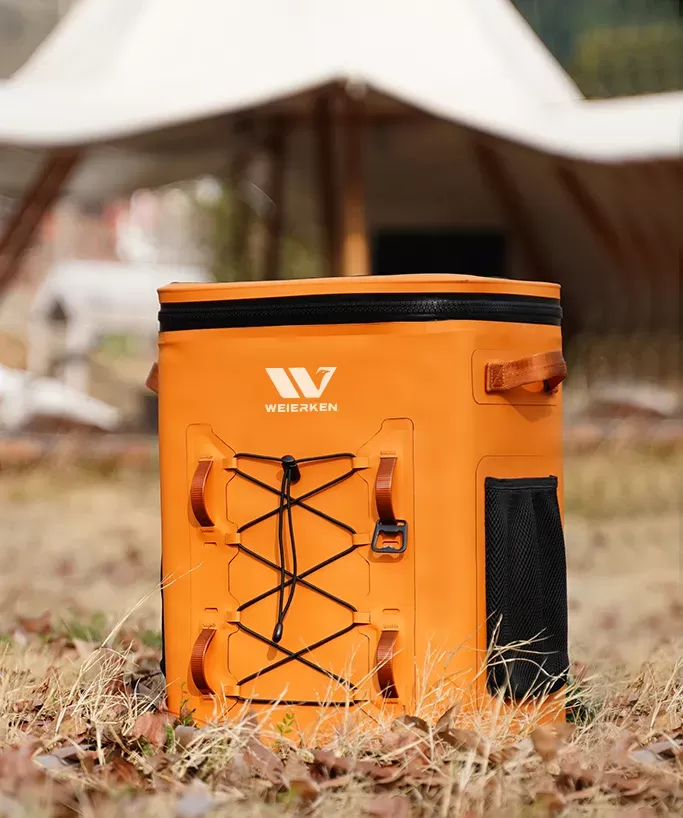

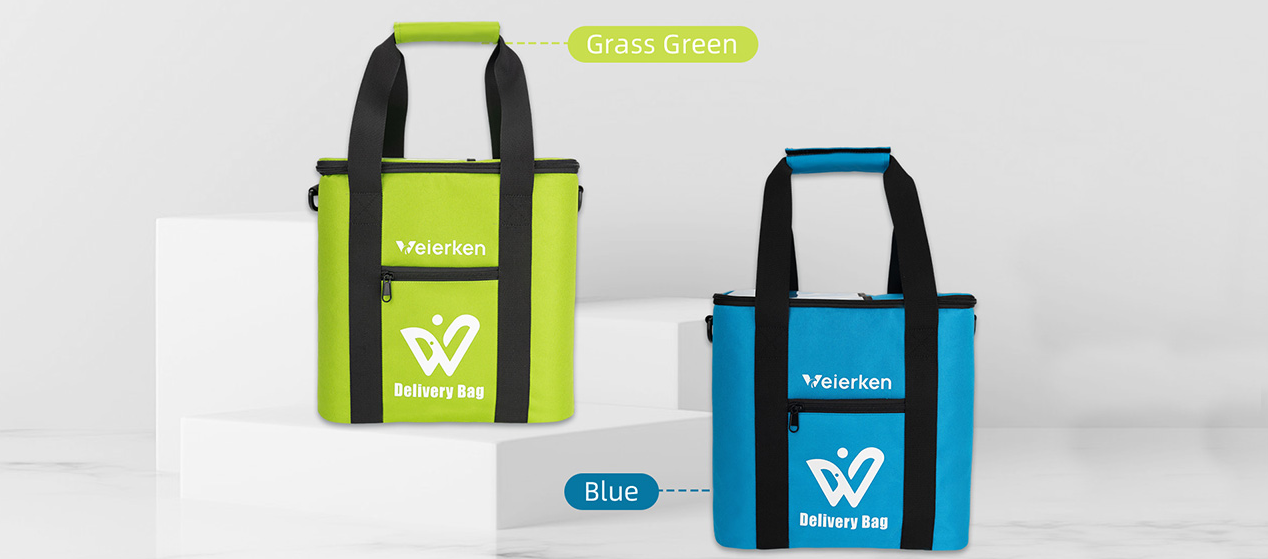
Generic cardboard boxes and throwaway foil liners do little to build brand loyalty. When a customer receives a batch of fresh raw meals or chilled wet food, the packaging creates an immediate impression. Investing in private label pet food cooler bags turns an ordinary transit container into a recurring, high-visibility touchpoint. Every feeding time reminds pet parents of your commitment to quality.
For fresh and raw pet food companies, thermal consistency is an operational requirement. Spoiled meat ruins customer relationships and puts pets at risk. Stamping your logo onto an insulated delivery bag signals that you take responsibility for the entire cold chain. Manufacturing partners like Weierken help pet nutrition businesses bridge the gap between heavy-duty thermal engineering and retail-ready aesthetics. Here is your six-step roadmap to build, test, and launch your own branded delivery bags.
Step 1: Select Your Path: White Label Pet Meal Bags vs. Full OEM
Before sourcing fabrics or requesting production runs, decide on your development model. Your order volume, budget, and meal packaging dimensions dictate whether off-the-shelf customization or bespoke manufacturing makes sense.
A white label approach relies on an existing factory silhouette. You select from pre-tested bag sizes and customize the exterior fabric color, zipper pulls, and printed logo. This path provides definite operational advantages:
Shorter lead times from design approval to initial delivery.
Lower Minimum Order Quantities (MOQs), often between 300 and 500 units.
Elimination of upfront tooling or sample pattern fees.
A full OEM project requires custom manufacturing from the ground up. You tailor every aspect of the bag to fit your specific portion tubs, vacuum pouches, or raw meat chubs. While this approach demands longer lead times and higher MOQs, it eliminates wasted interior space. You can incorporate structural dividers, tailored gel-pack sleeves, and exact exterior footprints that lower regional delivery fees.
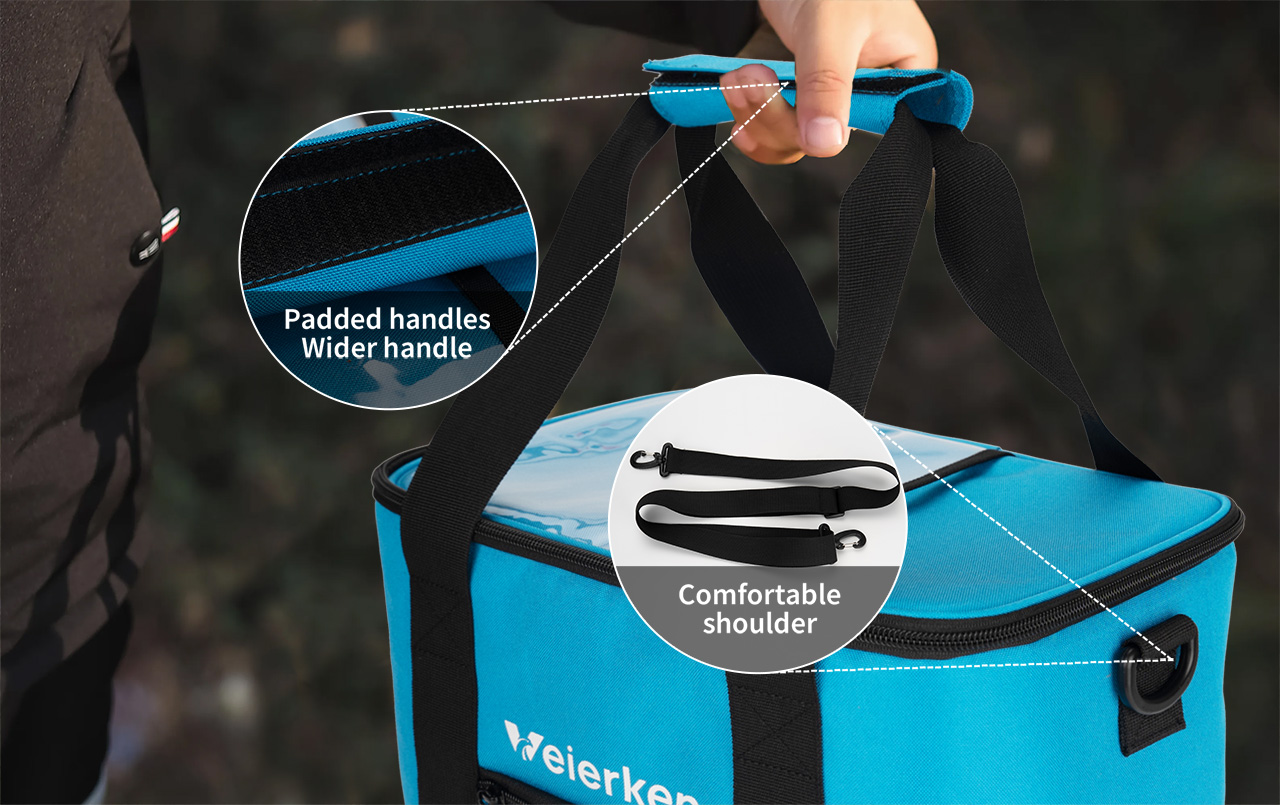
Determine the primary function of your private label pet food cooler bags early. A circular subscription bag needs reinforced handles, high-abrasion fabrics, and quick-wipe liners. In contrast, a lifestyle cooler sold as retail merchandise requires a lighter profile, comfortable shoulder straps, and extra dry-storage pockets for dog leashes and treats.
Step 2: Engineer Private Label Insulated Pet Food Bags for Thermal Safety
Pet parents expect raw frozen diets to arrive rock hard and gently cooked wet food to stay strictly refrigerated. Your technical specifications must reflect these target thresholds under realistic delivery conditions.
Frozen raw feeding requires maintaining an internal temperature below -18°C (0°F), while fresh refrigerated diets must remain between 0°C and 4°C (32°F to 40°F). Decide on your operational hold time. A local courier run might only require 12 hours of protection, whereas regional parcel delivery often requires 24 to 48 hours of safe temperature retention.
Insulation core materials drive performance:
Closed-Cell EVA Foam: Resists water absorption, provides firm structural support, and preserves cold air effectively in transit.
High-Density Polyurethane (PU) Foam: Delivers superior thermal protection for extended 48-hour delivery cycles, though it adds some weight.
Multi-Layer Thermal Linings: Pairing dense foam with inner heat-reflective aluminum film blocks radiant heat transfer during hot summer transits.
Raw food packages frequently produce condensation and occasional meat juice leaks. Stitched interior seams are unacceptable because liquid seeps into the foam layer, creating a breeding ground for bacteria and sour odors. Your technical pack must mandate high-frequency seamless heat-sealed liners made from PEVA or TPU. Ensure all interior materials comply with FDA 21 CFR or LFGB food-contact standards, and consider adding an antimicrobial agent to the lining compound to stop mold growth between washes.
Step 3: Integrate Premium Branding onto Custom Cooler Bags for Pet Food Delivery
Your delivery bag is a moving billboard. Relying on basic, one-color screen printing leaves value on the table. Sophisticated branding techniques make your product look like an established, premium brand.
Start with the exterior shell fabric. Specify heavy-duty 600D or 900D Ripstop Oxford dyed to your exact brand Pantone shades. If sustainability sits at the center of your brand identity, specify GRS-certified (Global Recycled Standard) RPET fabrics made from recycled plastic bottles. This eco-friendly choice appeals directly to modern pet owners who care about environmental footprints.
Hardware and trim present easy opportunities to reinforce brand identity:
Custom Pullers: Emboss your logo onto durable rubber or molded zinc-alloy zipper pullers.
Tactile Badges: Swap flat ink printing for dimensional 3D molded silicone patches or high-density woven labels sewn into side seams.
Safety Elements: Weave reflective thread into outer webbings and piping to give pet owners added visibility during evening dog walks.
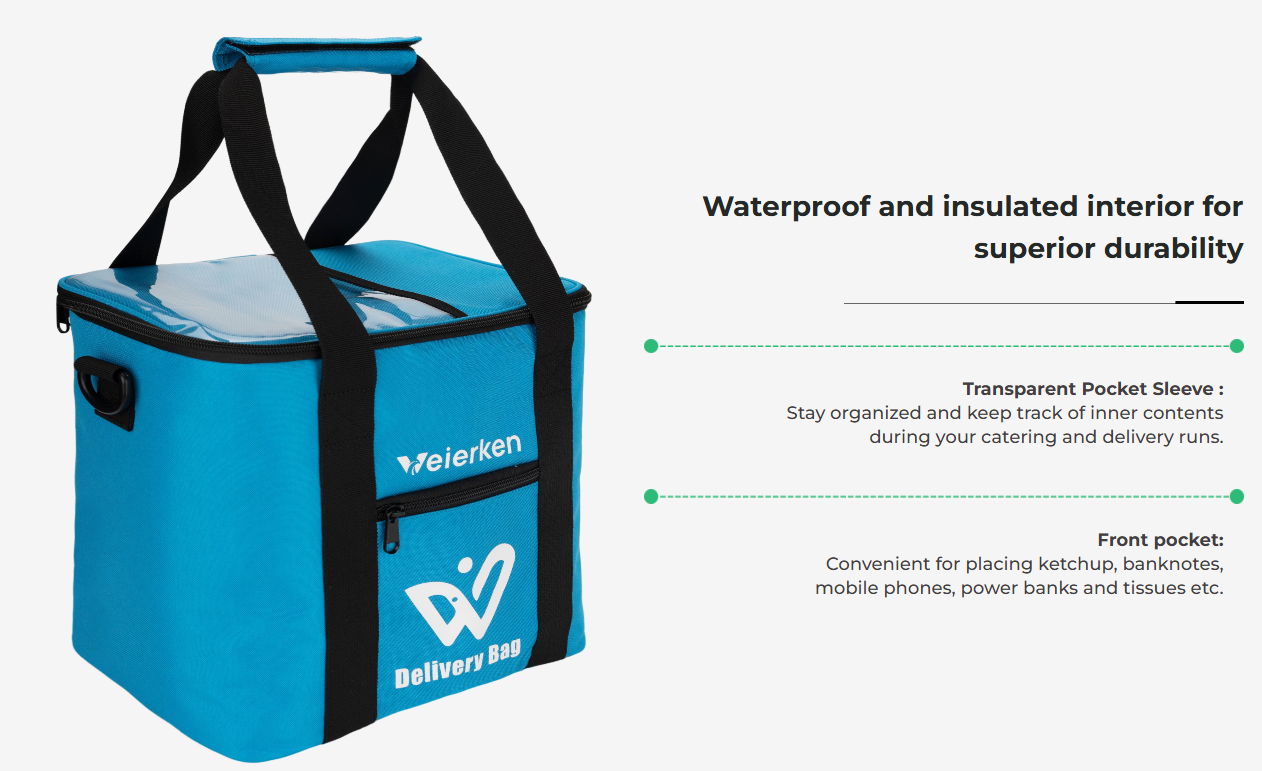
Consider the unboxing experience from the customer perspective. Print an inspiring brand mission statement or feeding guideline inside the lid. Install transparent PVC slip pockets on the exterior to protect paper delivery invoices from condensation. Sew internal stretch-mesh sleeves against the walls to hold ice gel packs flat against your pet meal trays.
Step 4: Vet Your OEM Pet Cooler Bag Manufacturer and Run Rigorous Testing
Partnering with the wrong factory can derail your shipping operations. A delivery cooler failure results in spoiled raw meals, unhappy customers, and expensive product replacements. You need an OEM pet cooler bag manufacturer with a track record of building technical bags for export markets.
Verify that your manufacturing partner holds relevant industrial certifications, such as ISO9001 for quality control and BSCI or Sedex for ethical factory standards. Ask prospective factories about their experience handling cold-chain products for North American or European clients. Established manufacturers like Weierken maintain dedicated quality-assurance stations to inspect seam integrity, zipper tensile strength, and heat welds before finished goods leave the floor.
Never place a full production order based on digital renderings alone. Run your project through two prototyping phases:
Phase 1 (Structural Prototype): Request an unbranded structural sample to check overall sizing, meal tray clearance, handle balance, and flat-folding characteristics.
Phase 2 (Pre-Production Golden Sample): Build a fully decorated sample with final fabrics, actual insulation, custom hardware, and printed branding.
Put your golden sample through real-world thermal testing. Place the cooler inside a heated room or testing chamber set to 38°C (100°F). Pack it with your standard meal containers and frozen gel bricks, then drop calibrated digital datalogger probes into the core. Track the internal temperature curve over 12, 24, and 36 hours. If the temperature spikes too early, adjust the foam density or beef up the zipper baffle before cutting bulk fabric.
Step 5: Lower Landed Costs for Private Label Pet Food Cooler Bags
Custom packaging affects your operating margins. Managing the Bill of Materials (BOM) and packing logistics prevents runaway manufacturing and shipping expenses.
Review the technical specifications that drive unit pricing. Fabric denier, insulation thickness, and zipper styles all carry distinct costs. For instance, while airtight submersible zippers provide the highest waterproof rating, heavy-duty water-repellent reverse-coil zippers deliver sufficient splash resistance at a fraction of the cost. Optimize your foam thickness; jumping from 8mm to 15mm foam increases thermal performance, but it also increases bulk and carton packing sizes.
Freight costs can make or break your landing budget. Fully assembled, rigid cooler bags act like shipping boxes of trapped air, driving up ocean and truck freight rates. Insist on a flat-pack folding design:
Incorporate intentional crease lines into the back and side panels so the cooler collapses flat.
Use a hook-and-loop strap or elastic band to keep the bag compressed during transit.
Collapsing empty coolers can reduce ocean container volume by up to 55%, lowering your per-unit shipping expense.
Plan your purchasing volumes against tiered factory pricing. Stepping up from 500 units to 2,000 units often cuts unit costs significantly by allowing the mill to dye custom fabric runs rather than sourcing stock lots. Balance these volume discounts against your warehousing capacity and monthly subscription growth rates.
Step 6: Deploy Private Label Pet Food Cooler Bags in Your Subscription Funnel
Once your bags arrive at your fulfillment center, use them as customer acquisition and retention assets. A durable insulated cooler gives your DTC brand an edge over competitors shipping in disposable paper liners.
Use the bags to increase initial signup conversions. Position your custom cooler as a high-value welcome gift for customers committing to a four-week or eight-week subscription plan. Pet owners recognize the tangible value of a heavy-duty cooler they can reuse for road trips, park outings, or family picnics.
For regional and local delivery routes, run a closed-loop swap program:
Drivers drop off a fresh cooler filled with frozen meals on the customer porch.
The driver picks up the empty cooler left outside from the previous delivery.
Your warehouse cleans and sanitizes the returned cooler, preparing it for the next packing cycle.
Encourage returns by setting up a packaging return deposit or rewarding returns with digital loyalty points. This closed loop minimizes single-use waste, supports eco-conscious messaging, and lowers your long-term packaging spend. Encourage subscribers to share photos of their dogs beside the cooler on social media. A well-designed, branded product creates organic word-of-mouth visibility every time your customers travel with their pets.
Frequently Asked Questions
Q1: What is the typical MOQ for private label pet food cooler bags?
A1: Minimum order quantities depend on customization levels. White-label projects using stock fabrics generally start at 300 to 500 units. Full OEM projects requiring custom-dyed fabrics, specific exterior dimensions, and branded metal hardware usually require an MOQ of 1,000 to 2,000 units per run.
Q2: Which insulation material works best for raw frozen dog food?
A2: High-density closed-cell EVA foam combined with a reflective aluminum or TPU backing provides the best balance of structure and cold retention for raw meat. It resists moisture absorption if frost melts and maintains its insulating value better than basic open-cell sponges.
Q3: How do you prevent raw meat juices from leaking into the cooler seams?
A3: Avoid traditional stitched needle seams along the bottom and lower sides of the cooler interior. Always specify seamless high-frequency heat-sealed PEVA or TPU liners. This welding technique fuses the liner material together, creating a leak-proof basin that catches liquids and wipes clean easily.
Q4: Can we make private label insulated pet food bags using eco-friendly materials?
A4: Yes. You can specify GRS-certified RPET fabrics made from recycled post-consumer plastic bottles for the outer shell and webbing straps. Pair this with biodegradable PEVA liners and non-toxic EVA insulation to build a sustainable bag that aligns with eco-friendly brand values.
Q5: How long can private label pet food cooler bags keep meals frozen?
A5: Holding duration depends on ambient outdoor temperatures, the ratio of coolant packs to food, and foam thickness. A well-engineered cooler bag with 10mm to 12mm of closed-cell foam and quality gel packs keeps raw food frozen for 24 to 36 hours in moderate temperatures.
Start Building Your Branded Delivery Coolers
A dependable cooler bag protects fresh pet food during transit while acting as an everyday brand asset for your business. Balancing food-grade safety specs, thermal engineering, and flat-pack shipping logistics helps you build a custom product that keeps food safe and retains subscribers.
If you are ready to develop durable private label pet food cooler bags for your subscription or retail lines, team up with an experienced manufacturing partner. Weierken engineers custom thermal packaging solutions built around your exact meal dimensions and thermal requirements. Contact our technical team today to request a quote, review fabric swatches, or download our Tech Pack Checklist to start your prototype build.