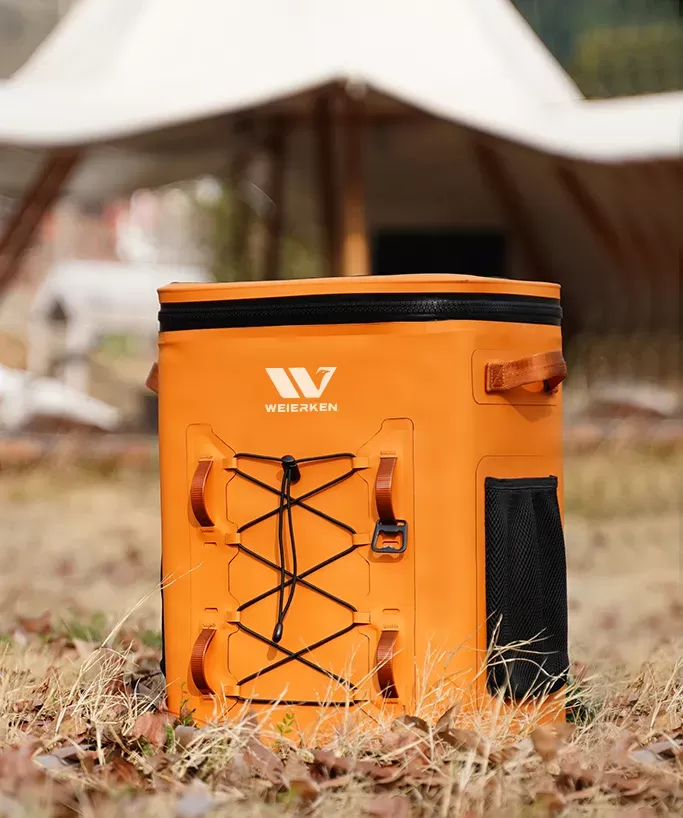

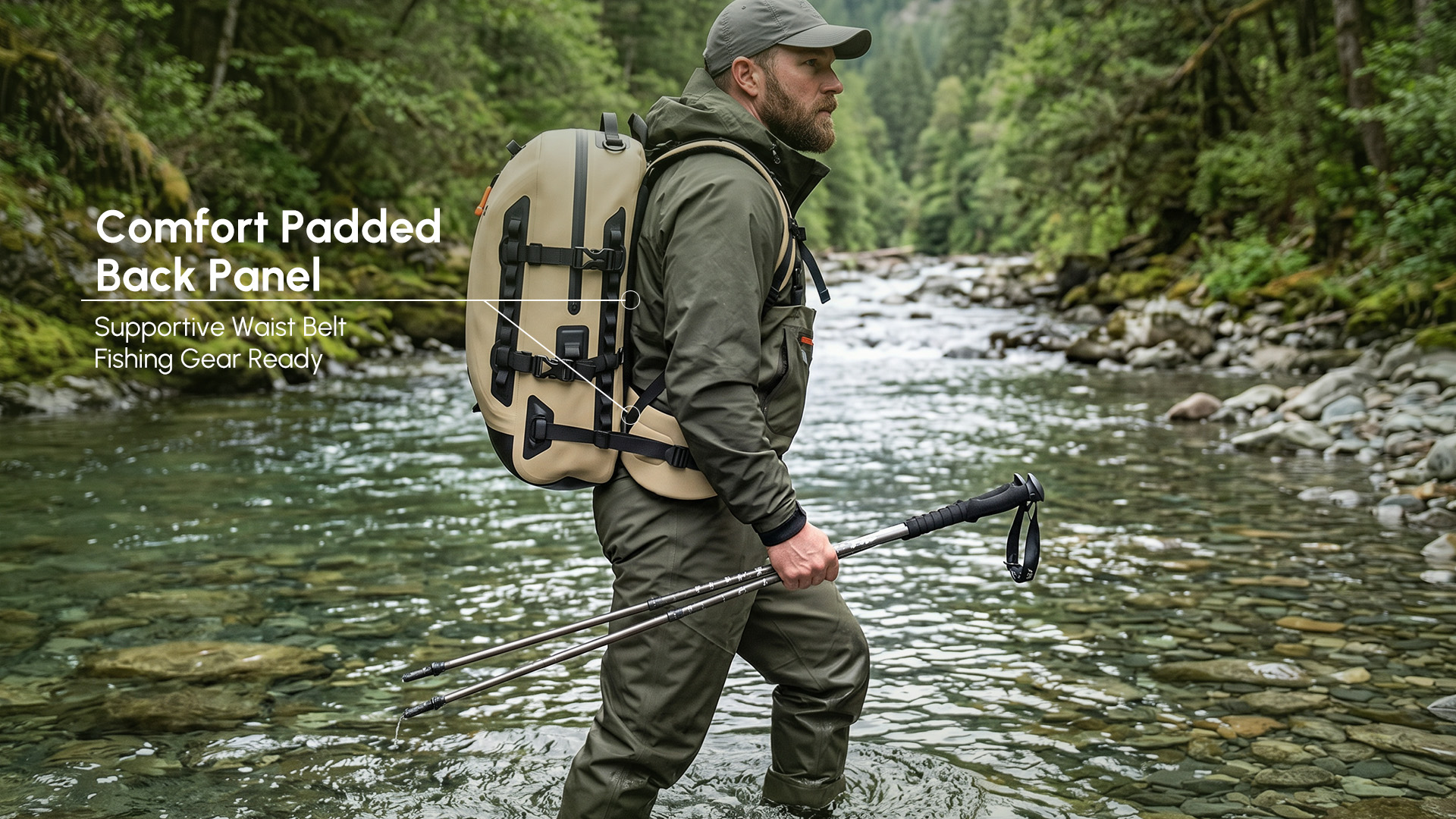
The bass fishing market continues to grow, presenting significant opportunities for entrepreneurs. If you're considering entering this lucrative niche, launching your own line of private label bass fishing bags is a strategic move. This guide will walk you through the essential steps for 2026, from understanding market trends to optimizing your supply chain and driving sales. We'll cover how brands like Weierken are finding success by focusing on quality and specific angler needs.
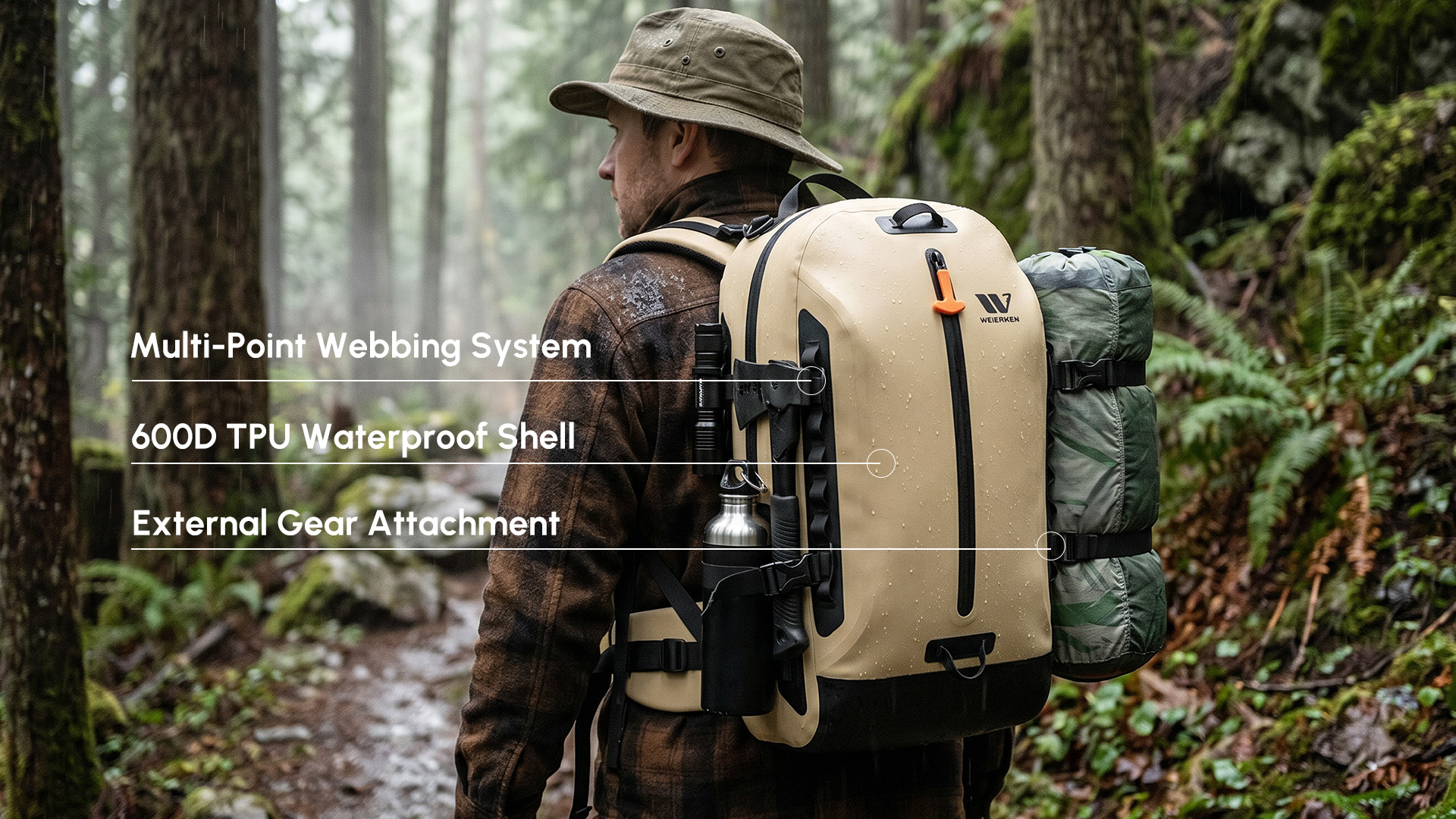
1. 2026 Market Dynamics & Business Potential for Private Label Bass Fishing Bags
The popularity of bass fishing, particularly in North America and globally, shows no signs of slowing down. Anglers are increasingly demanding more than just basic storage; they require specialized, modular, and highly durable gear. This evolution in consumer preference creates a fertile ground for private label bass fishing bags.
2026 Core Product Trends to Consider:
Lightweight Yet Protective Materials: Expect to see a rise in the use of 420D/600D TPU composite fabrics and GRS-certified recycled polyester fibers, balancing durability with environmental consciousness.
Ergonomic and Quick-Access Systems: Designs optimized for kayak bass fishing and bank fishing will incorporate advanced single-shoulder sling or backpack systems for comfort and efficiency.
Understanding these trends is crucial for developing a competitive product line. A focus on these areas can help your private label bass fishing bags stand out in a crowded market.
2. Defining Your Product Specifications & Engineering for Angler Needs
To succeed with private label bass fishing bags, your product must directly address the core needs of bass anglers. Generic designs won't cut it.
Critical Product Features:
Dimension Compatibility: Ensure your bags perfectly accommodate mainstream lure box sizes, such as the 3600 and 3700 series. This is a non-negotiable for serious anglers.
Hardware Essentials:
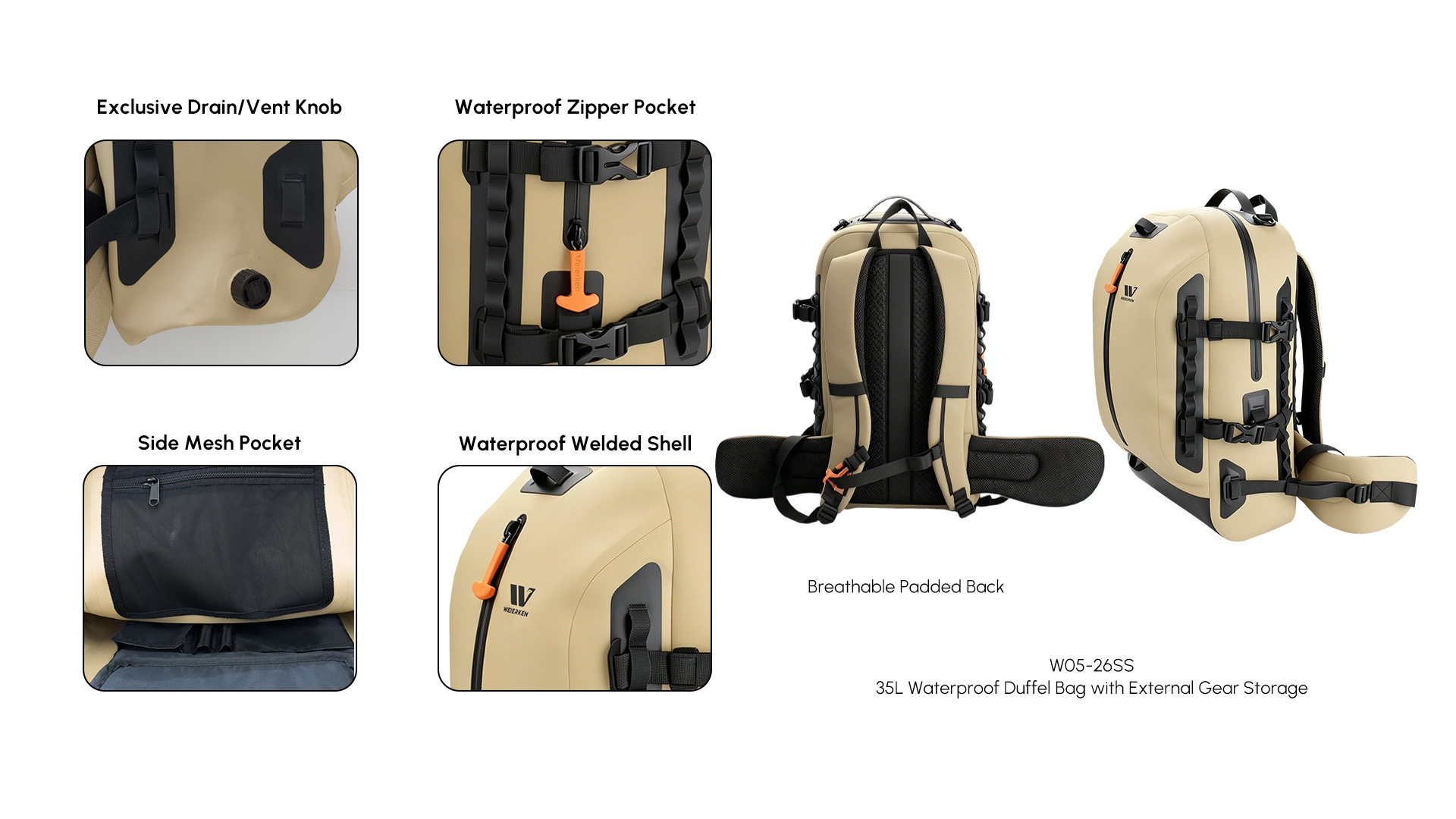
Corrosion-resistant hardware and rust-proof nylon zippers (e.g., SBS or YKK waterproof zippers) are vital for longevity.
A molded EVA bottom (Molded EVA Bottom) prevents water seepage when placed on wet boat floors or muddy ground.
Dedicated Tool Mounts: Integrate quick-access points for essential tools like a fish gripper loop (控鱼器扣环), a magnetic lure plier sheath, and rod holders (竿桶插槽).
By focusing on these practical, performance-driven features, your private label bass fishing bags will resonate deeply with your target audience.
3. OEM vs. ODM: Choosing the Right Private Label Manufacturing Model
When sourcing private label bass fishing bags, you'll encounter two primary manufacturing models: OEM and ODM. Your choice will depend on your budget, desired level of customization, and time to market.
ODM (Original Design Manufacturer) - Off-the-Shelf Modifications:
Lower MOQ: Typically ranges from 100-300 units.
Faster Launch: Ideal for quick market testing.
Customization: Primarily involves adding your branding elements like custom PVC patches, zipper pulls, hang tags, and packaging.
OEM (Original Equipment Manufacturer) - Deep Customization/Mold Creation:
Higher MOQ: Generally starts at 500-1000+ units.
Extensive Control: Allows for bespoke designs, including internal compartment layouts, unique camouflage patterns, and custom color schemes, truly building your brand's moat.
For those new to private label bass fishing bags, ODM offers a less demanding entry point. Experienced brands looking for unique differentiation might opt for OEM.
4. Step-by-Step Production Roadmap for Private Label Bass Fishing Bags
Bringing your private label bass fishing bags from concept to reality requires a structured approach. This roadmap outlines the key stages involved.
Step 1: Develop Industrial-Grade Tech Packs
A comprehensive Tech Pack is your blueprint. It must include precise dimensions, fabric specifications (weight and type), reinforcement details (like bartack placements for stress points), and all hardware requirements.
Step 2: Prototyping & Field Testing
Create functional samples and rigorously test them. Pay close attention to strap load capacity (aim for at least 25kg pull strength), seam water resistance, and overall material durability under real-world fishing conditions.
Step 3: Factory Vetting & Audit Standards
Thoroughly vet potential manufacturers. Look for ISO9001 certification, BSCI audit reports, and a history of producing for reputable overseas brands. This due diligence is critical for ensuring consistent quality for your private label bass fishing bags.
5. Cost Economics, Profit Margins, and Logistics Optimization
Understanding the financial aspects of producing private label bass fishing bags is essential for profitability. Careful cost management and smart logistics can significantly impact your bottom line.
Bill of Materials (BOM) Breakdown (Per Unit):
Fabric & Accessories: Approx. 40%
Labor & Manufacturing: Approx. 30%
Custom Branding & Packaging: Approx. 10%
Manufacturer Profit: Approx. 20%
Target Profit Margin Model:
Aim for a wholesale to Manufacturer's Suggested Retail Price (MSRP) ratio of 1:4 to 1:5. This margin structure supports marketing, distribution, and provides a healthy profit after accounting for all costs associated with your private label bass fishing bags.
Reducing Head-Haul Shipping Costs:
Consider a flat-pack design or designs that allow for significant compression. This minimizes the volumetric weight (CBM) of your shipments, leading to lower sea freight costs.
6. Brand Launch and Distribution Strategy for Your Private Label Bass Fishing Bags
With your production in order, it's time to focus on getting your private label bass fishing bags to market. A dual approach often yields the best results.
Integrated Sales Channels:
Combine the power of your own Direct-to-Consumer (DTC) e-commerce store (e.g., Shopify) with the vast reach of marketplaces like Amazon. This strategy allows you to control the customer experience while leveraging existing traffic.
B2B Distribution to Local Tackle Shops:
Develop a targeted outreach strategy for local fishing tackle shops. Offer wholesale pricing, provide sample units, and clearly communicate the unique selling propositions of your private label bass fishing bags. Building these relationships can create a stable revenue stream.
Frequently Asked Questions (FAQ) about Private Label Bass Fishing Bags
Q1: What is the typical Minimum Order Quantity (MOQ) for private
label bass fishing bags?
A1: For ODM (modifying existing designs),
MOQs can be as low as 100-300 units. For OEM (creating entirely new designs),
MOQs usually start from 500-1000 units or more, depending on the complexity and
materials involved.
Q2: How important is material selection for bass fishing
bags?
A2: Extremely important. Anglers need bags that are durable,
water-resistant, and can withstand harsh outdoor conditions. Materials like
420D/600D TPU composites offer excellent protection, while recycled polyester is
gaining traction for its eco-friendly appeal.
Q3: Can I customize the dimensions of my private label bass fishing
bags?
A3: Yes, especially with an OEM model. It's highly recommended
to design your bags to accommodate standard lure box sizes (like 3600 and 3700)
to ensure compatibility with anglers' existing gear.
Q4: What are the key features that differentiate good private label
bass fishing bags?
A4: Features like molded EVA bottoms for water
resistance, dedicated tool mounts (pliers, grippers), corrosion-resistant
zippers, and comfortable, ergonomic strap systems are critical differentiators.
The ability to integrate these features reflects a deep understanding of bass
fishing.
Q5: How can I reduce shipping costs for my private label bass fishing
bags?
A5: Designing your bags to be collapsible or to pack flat can
significantly reduce volumetric weight (CBM), leading to lower sea freight
charges. Working with manufacturers who offer efficient packaging solutions is
also beneficial.
Convert and Connect: Your Next Steps
Ready to embark on your journey into the private label bass fishing bags market? Understanding the nuances of design, manufacturing, and distribution is key. Brands like Weierken have built success by prioritizing these elements.
To help you get started, we offer valuable resources:
Download our Bass Fishing Bag Tech Pack & Spec Sheet Checklist (PDF) to ensure you cover all critical design elements.
Utilize our Private Label Sourcing Cost Calculator to better estimate your project's financial requirements.
These tools are designed to assist B2B buyers in their research and planning phases. We aim to provide actionable insights for launching successful private label bass fishing bags.