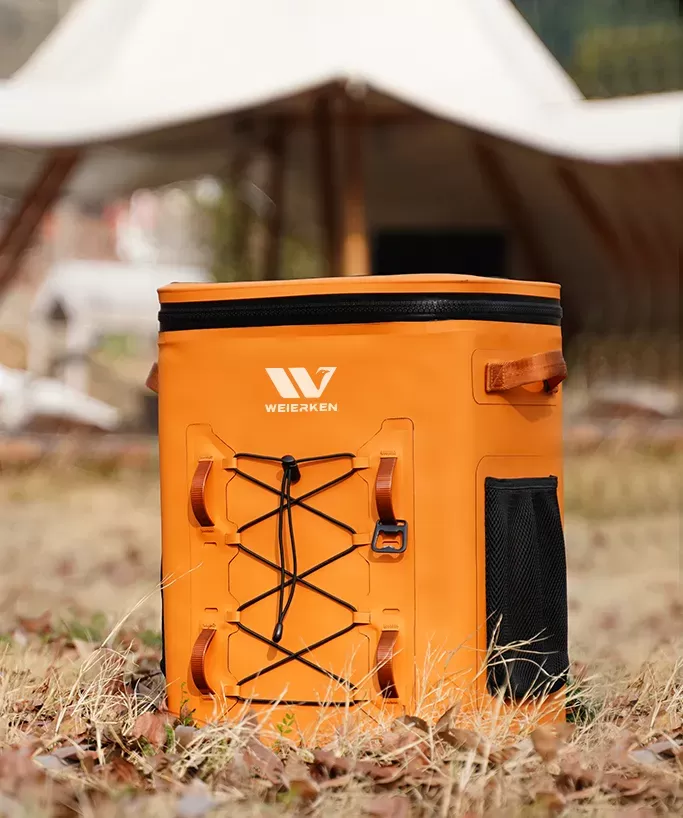

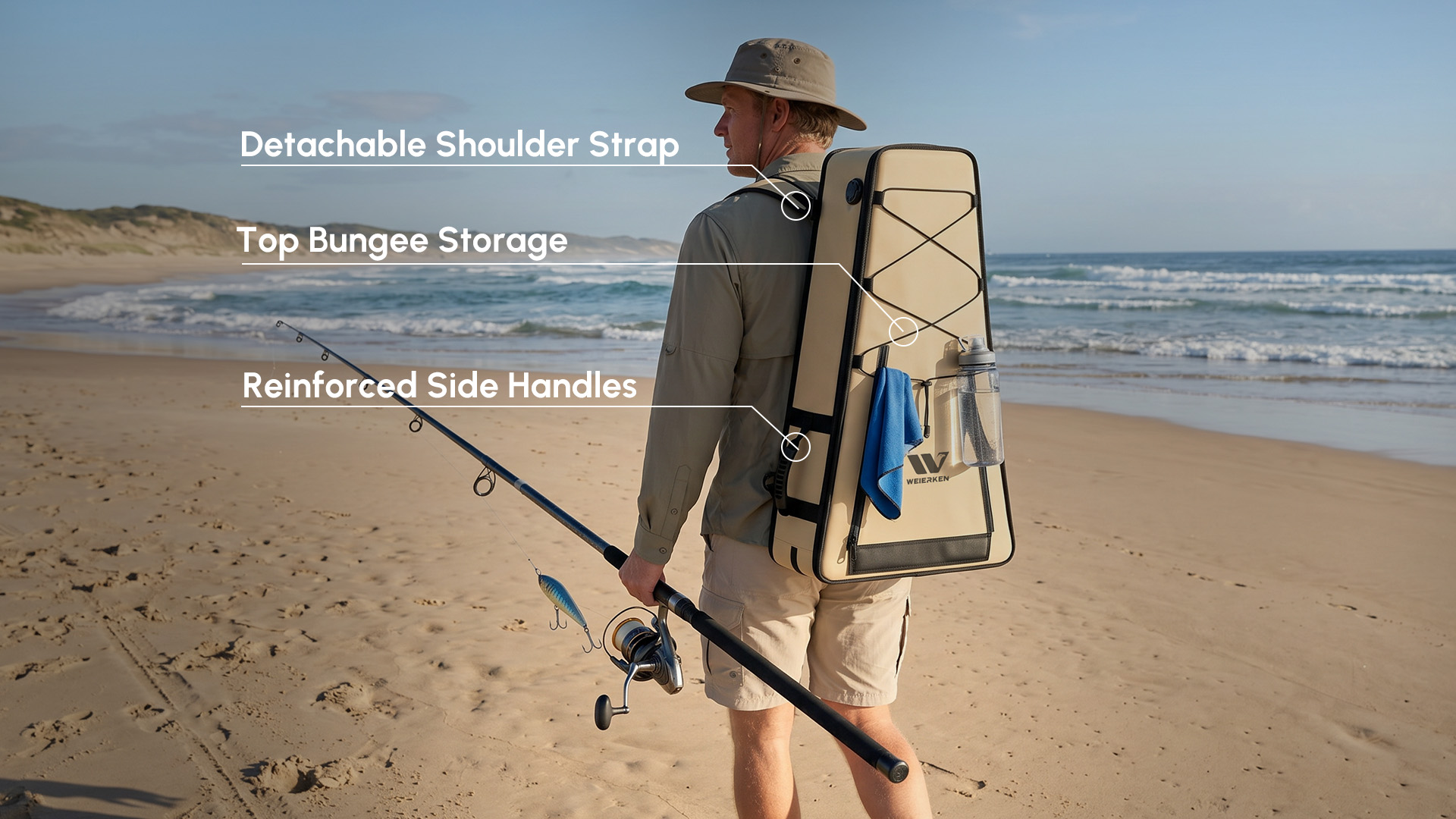
Bass fishing dominates the North American and global sportfishing markets. Dedicated anglers spend thousands of dollars on baitcasting reels, technique-specific rods, and tackle trays filled with expensive lures. They demand high-performance storage gear to protect those investments.
Most stock tackle bags on the market fall short. Off-the-shelf catalog models often feature weak zippers, flimsy stitching, and poor internal compartmentalization. On top of that, sourcing from a single manufacturing location leaves brands vulnerable to tariff spikes and sudden supply chain disruptions.
Launching a dedicated tackle line requires a smarter manufacturing approach. Building your brand around private label bass fishing bags through a dual-base manufacturing model—pairing agile product development in China with cost-effective, duty-advantaged mass production in Cambodia—gives your company a durable competitive edge. Established manufacturing partners like Weierken help brands implement this strategy efficiently from prototype to final delivery.
Chapter 1: Product Selection – Defining the Best Private Label Bass Fishing Bags
Launching an angling brand requires picking the right flagship product. Bass anglers fish from boats, kayaks, docks, and rocky shorelines. Each environment demands a specific carry system.
1.1 Core Form Factors for Brand Launch
- Tactical Bass Backpacks: Bank and pond anglers walk miles along shorelines. They need hands-free carry systems featuring ergonomic chest straps, ventilated back panels, and built-in rod holder loops.
- Sling and Chest Packs: Kayak and wading anglers value quick bait adjustments. A sling pack rotates smoothly to the chest, giving fishermen immediate access to terminal tackle without forcing them to step out of current.
- Tournament Boat Tackle Bags: Tournament boaters require massive storage capacity. These bags hold multiple full-sized utility trays and feature molded waterproof bottoms to keep gear dry on wet boat decks.
1.2 The Anatomy of a High-Performance Bass Bag
Serious fishermen spot corner-cutting immediately. If your bag fails on the water, word spreads across fishing clubs and forums quickly. Your specification sheets must cover the following functional details:
- Plano 3600 / 3700 Box Compatibility: Utility boxes set the standard for modern tackle organization. Your main compartments must cleanly fit standard 3600 or deep 3700 tackle trays without wasted space or strained seams.
- Dedicated Soft Plastics Storage: Scent-infused soft plastics melt regular plastic bags over time. Integrate removable, transparent zip binders made of chemical-resistant PE film to keep worms, creature baits, and swimbaits organized.
- Rapid-Access Tool Holsters: Anglers need their pliers, line cutters, and fish grips within reach at all times. Equip the bag exterior with molded plier sheaths and heavy-duty D-rings.
- Molded EVA Waterproof Base: Deck surfaces pool water during rainstorms and rough boat runs. An integrated, compression-molded EVA bottom keeps water out and provides rigidity so the bag stands upright on flat ground.
- Marine-Grade Materials: Saltwater spray and freshwater muck ruin standard fabrics. Specify 600D to 1000D PU-coated nylon or ripstop polyester paired with oversized, salt-resistant nylon coil zippers.
Chapter 2: Supply Chain Architecture – The China + Cambodia Advantage
Selecting the right production methodology decides your profit margins and stock reliability before you launch your first marketing campaign.
2.1 OEM vs. ODM vs. White Label
Understanding these three manufacturing pathways helps you allocate capital properly:
- White Label: You buy standard, pre-made designs and print your logo on them. This method requires minimal upfront cash, but competitors can sell identical bags, leading straight into price wars.
- Private Label / ODM: You leverage a factory's field-tested base patterns while customizing key materials, internal pockets, colors, and hardware. This path delivers the best return on investment for new tackle brands.
- Custom OEM: You design the bag from scratch using proprietary molds and custom hardware. This route creates unique brand value, though it demands higher tooling investment and longer development lead times.
2.2 Why Dual-Base Manufacturing Wins
Experienced tackle executives avoid single-region manufacturing. A dual-facility setup that blends Chinese and Cambodian factories balances fast development with optimized landed costs.
Chinese engineering centers excel at technical prototyping. With full access to raw material clusters, hardware molders, and performance fabric mills, prototype teams turn design ideas into physical samples in 12 to 30 days. Experienced development partners like Weierken run advanced sampling workshops to solve complex sewing issues before mass production begins.
Once prototypes clear testing, high-volume production shifts to Cambodia. Manufacturing in Cambodia shields your brand from heavy import tariffs when shipping into the United States and European markets. This operational split lowers unit costs while keeping design and quality control at international standards.
Make sure your chosen manufacturing partner holds current compliance credentials, including BSCI, SEDEX, GRS (Global Recycled Standard), and ISO 9001 certifications. Top-tier factories maintain a 99.5% first-pass production yield, preventing expensive product recalls and customer returns.
Chapter 3: Customization and Building Brand Value
Generic gear commands bargain prices. Custom technical touches allow your business to charge premium retail rates and drive healthy margins.
3.1 Premium Branding Details
Subtle, clean brand placements resonate best with tournament anglers:
- Molded PVC and Silicone Patches: These resist dirt, sun exposure, and water while giving your logo a tough, three-dimensional look.
- Reflective Heat-Transfer Accents: Early morning blast-offs happen before sunrise. Reflective detailing along perimeter seams adds practical safety and visual appeal.
- Custom-Molded Hardware: Wet, cold hands struggle with small pull cords. Replace standard cord knots with custom-molded, textured zipper pullers bearing your brand mark.
- Modern Colorways: Modern anglers prefer clean outdoor colors. Focus your line on Tactical Coyote Tan, Ranger Green, Matte Black, or customized water-repellent disruptive camouflage patterns.
3.2 Retail-Ready Packaging
The consumer unboxing experience directly affects your return rates and online reviews. Do not ship quality bags in bare poly mailers.
Package each finished item in branded, recyclable dust covers or printed cardboard sleeves. Attach heavy cardstock hangtags that detail your technical features, fabric ratings, and tray capacities. For retail-bound distribution, ensure master cartons pass standard ISTA-1A drop tests to keep products protected during warehouse shipping.
Chapter 4: Cost Analysis, Tariffs, and Logistics
Managing operational costs separates growing tackle businesses from struggling ones. You must calculate true landed costs instead of focusing only on factory FOB prices.
4.1 The Landed Cost Breakdown
Every commercial quote contains several fixed and variable expenses:
Landed Cost = FOB Factory Price + Tooling Amortization + International Freight + Import Tariffs + Local Fulfillment
Sourcing your custom bass tackle bags through a dual-hub production system provides significant tax relief. Shipping bulk production from Cambodia to western markets cuts import tariff expenses by 10% to 25% compared to direct shipping from China. Those savings flow straight back into your product development and advertising budgets.
4.2 Simplifying Operations with DDP Shipping
New gear companies rarely have in-house global trade departments. Partnering with a manufacturer that provides end-to-end DDP (Delivered Duty Paid) logistics removes operational headaches.
Under a DDP arrangement, your supplier manages export clearance, ocean freight booking, customs declarations, tariff payments, and domestic trucking to your warehouse. You avoid sudden demurrage fees, port paperwork delays, and customs classification penalties.
Chapter 5: Go-to-Market Strategy for Tackle Brands
Once you approve production samples, initiate your marketing roadmap well before the cargo ship reaches the port.
5.1 Regional Pro-Staff Seeding
Tournament competitors test tackle harder than weekend hobbyists. Identify competitive anglers in regional bass circuits, such as the MLF Toyota Series or local B.A.S.S. Nation events.
Supply these anglers with final engineering samples. Have them test the storage systems under tournament conditions. Their authentic social media posts, on-water boat shots, and unboxing clips build immediate credibility for your brand among dedicated bass enthusiasts.
5.2 High-Conversion Product Demonstration
Anglers evaluate storage gear based on load capacity and durability. Produce concise video content demonstrating real-world functionality:
- Show full gear layouts: Load the pack with four 3700 boxes, terminal tackle containers, terminal binders, and hydration reservoirs.
- Highlight durability: Perform pull tests on grab handles and stress-test zipper tracks under full load.
- Demonstrate weather protection: Spray the bag with high-pressure water hoses to show how dry tackle trays stay inside.
5.3 Omnichannel Distribution Strategy
Launch direct-to-consumer through an optimized Shopify store to capture initial retail margins and collect customer data. Concurrently list your hero products on Amazon to capture high-intent search traffic for terms like bass fishing backpack and waterproof tackle bag.
Once you build direct sales history, assemble wholesale presentation decks for independent tackle shops, regional marine dealers, and commercial distributors. Solid margins, reliable dual-base manufacturing, and functional designs will open doors with regional retail buyers.
Frequently Asked Questions (FAQ)
Q1: What is the typical MOQ for private label bass fishing bags?
A1: Minimum order quantities typically range from 500 to 1,000 units per style for customized ODM models. Fully custom OEM projects with specialized fabric dye runs or proprietary molded bases usually require 1,000 to 2,000 units to amortize tooling expenses efficiently.
Q2: How do Plano 3600 and 3700 tackle box sizes affect bag dimensions?
A2: Standard 3600 boxes measure roughly 11 x 7.25 x 1.75 inches, while 3700 boxes run 14 x 9.13 x 2 inches. Production patterns must incorporate a half-inch of internal clearance around these box dimensions to let anglers insert and remove loaded trays easily without catching on internal lining fabrics.
Q3: What makes a tackle bag truly waterproof versus water-resistant?
A3: Water-resistant bags rely on DWR (Durable Water Repellent) surface coatings and PU-backed fabrics, which shed light rain but leak under standing water or heavy storms. Truly waterproof bags use TPU-laminated fabrics, high-frequency RF-welded seams, and airtight, submersible zippers to survive complete water immersion.
Q4: How does dual-base production (China + Cambodia) reduce import tariffs?
A4: China-based technical facilities handle design engineering, raw material sourcing, and quick sample iterations. Once verified, bulk manufacturing shifts to Cambodia. This grants eligible shipments lower tariff status when entering the US and Europe, saving brands 10% to 25% in customs taxes compared to single-origin Chinese production.
Q5: Can I get custom camouflage patterns printed on my bags?
A5: Yes. Modern manufacturing handles custom camo patterns through digital textile printing or screen printing on heavy nylon and polyester fabrics. Custom print runs require specific minimum yardage orders, which can be shared across multiple bag models in your collection.
Q6: What is the typical sampling time for custom fishing tackle bags?
A6: Prototyping an existing ODM pattern takes roughly 10 to 15 days. Developing a technical OEM bag with custom molded components, specialized compartments, and specific branding takes between 15 and 30 business days, depending on material availability.
Build Your Brand with Weierken
Launching a fishing tackle brand requires durable designs, reliable production schedules, and smart cost control. Relying on basic catalog bags leaves your business open to price erosion and supply disruptions.
Weierken provides professional private label bass fishing bags, custom technical backpacks, and heavy-duty tackle storage systems. Our agile China design center turns your design concepts into functional prototypes within 12 to 30 days. When you scale up, our large-capacity Cambodia production facility delivers significant import duty savings and consistent product quality.
Ready to launch your tackle gear collection? Contact the Weierken engineering team today to review your project, discuss custom specs, and request a production quote.