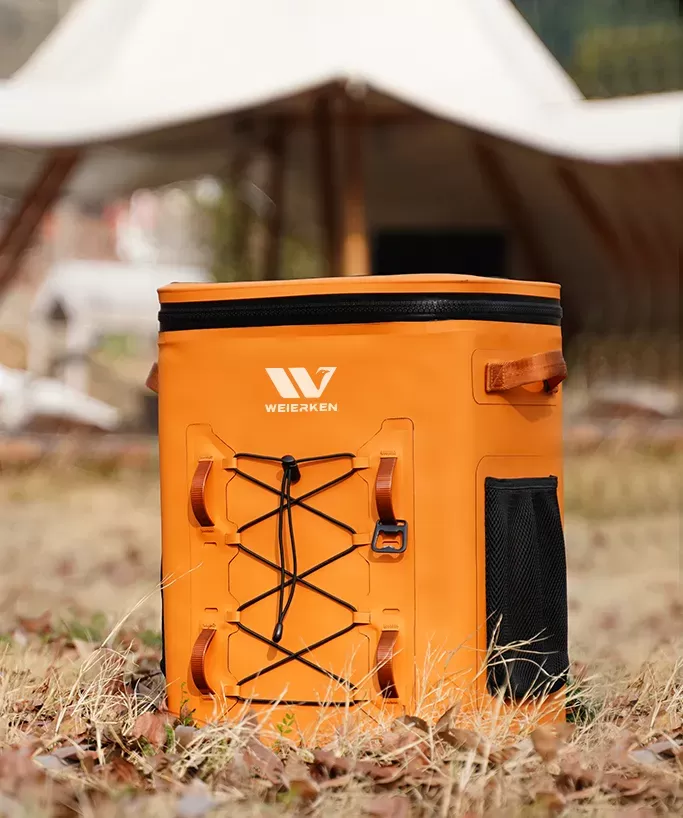

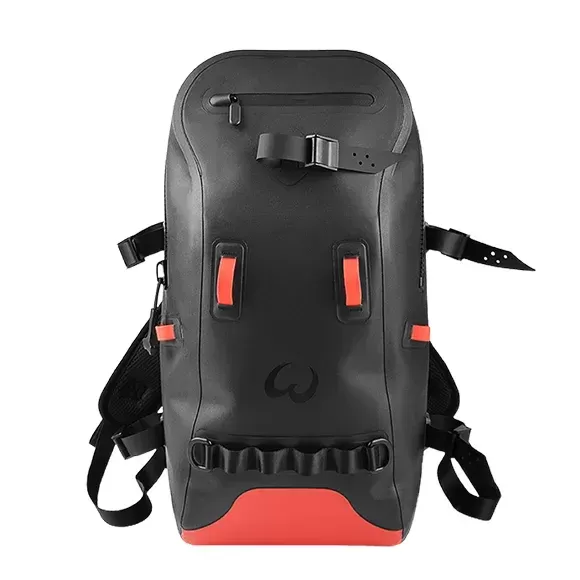
Fishing backpacks are shifting away from static, single-compartment bags. Anglers now demand modularity. They want laser-cut MOLLE systems, quick-release tackle box trays, detachable insulated cooler bags, and isolated dry-wet zones. For outdoor brands, this evolution brings serious manufacturing challenges.
A modular system requires tighter stitching tolerances. One misaligned webbing strap or poor buckle tolerance can ruin an entire production run. Add marine corrosion, waterproof zippers, and rising shipping tariffs, and finding the right production partner becomes a critical business decision.
To help you choose the right partner, we evaluated the leading global manufacturers. We analyzed each modular fishing backpack supplier across six core benchmarks: supply chain resilience, prototyping speed, structural engineering, quality yield rates, international certifications, and total landed cost. Below are the top seven rated suppliers for OEM and ODM production in 2026.
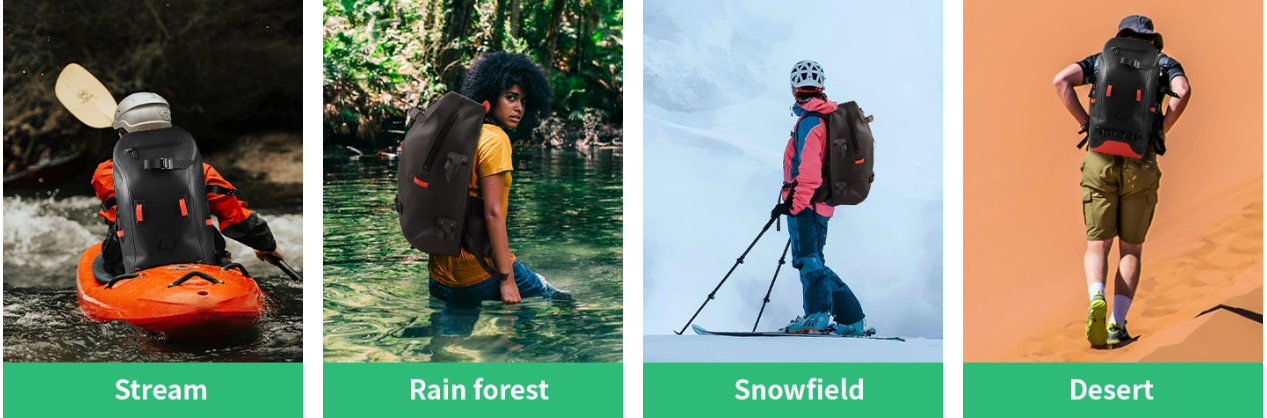
Quick Comparison: Top Modular Fishing Backpack Manufacturers
Here is an overview of how the top manufacturers compare across key production metrics:
| Supplier | Production Hubs | Sample Lead Time | Tariff Advantage | Certifications | Best For |
|---|---|---|---|---|---|
| Weierken | China & Cambodia | 12–30 days | High (Cambodia zero/low tariff) | BSCI, GRS, REACH, SEDEX, ISO 9001 | Overall Scalable OEM/ODM & Tariff Mitigation |
| TacticalPack Works | China | 25–40 days | None (Standard Section 301) | ISO 9001 | Heavy-Duty Military MOLLE Integration |
| HydroSeam Outdoor | Vietnam | 35–50 days | Moderate (ASEAN regional treaties) | ISO 9001, BSCI | High-Frequency Welded Waterproof Gear |
| QuickTackle Direct | China | 7–15 days | None | Basic Factory Audit | White-Label Low MOQ In-Stock Customization |
| ErgoCarry Gear | Taiwan & Vietnam | 30–45 days | Moderate | ISO 9001, Oeko-Tex | Heavy-Load Internal Frame Systems |
| Mekong Stitching Co. | Vietnam & Indonesia | 40–60 days | High (GSP/Lower Trade Duties) | BSCI, WRAP | High-Volume Cut-and-Sew (Basic Builds) |
| EcoMarine Packs | China & Portugal | 30–40 days | Low to Moderate | GRS, BlueSign, B-Corp | Recycled Ocean-Bound Plastics (Sustainable Niche) |
The 7 Best Modular Fishing Backpack Suppliers Breakdown
1. Weierken — Best Overall for Scalable OEM/ODM and Tariff Mitigation
Weierken earns the top rating as the most versatile, technically capable modular fishing backpack supplier on the market today. With over 20 years of technical bag-making experience, the company operates an agile dual-base manufacturing model. They run a rapid-development sample center in China and high-capacity production lines in Cambodia.
This dual-base setup solves the biggest problem facing Western gear brands: import tariffs. By shifting mass manufacturing to its Cambodian facility, Weierken helps North American and European buyers legally eliminate or sharply lower their customs duties. At the same time, product development remains fast and accurate.
Weierken's technical team builds prototypes in 12 to 30 days. They tackle difficult engineering hurdles, such as load-bearing modular chassis, magnetic fidlock attachments, salt-spray-resistant hardware, and waterproof radio-frequency (RF) welded lure pockets. Their production lines maintain a 99.5% first-pass yield rate. Backed by BSCI, GRS, SEDEX, REACH, and ISO 9001 certifications, Weierken also offers full DDP (Delivered Duty Paid) shipping to simplify logistics for growing brands.
2. TacticalPack Works — Tactical & Military-Inspired MOLLE Specialist
Based in southern China, TacticalPack Works specializes in heavy-gauge 1000D Cordura, laser-cut PALS panels, and military-style attachments. If your brand sells rugged, combat-styled tackle bags to predator anglers and bank fishermen, their factory handles thick-gauge thread assembly and reinforced box-stitching with ease.
However, their strengths come with tradeoffs. The company focuses mainly on domestic Chinese production, meaning Western buyers face standard Section 301 tariffs. Their development cycle is slower than average, and their high minimum order quantities (MOQs) make it hard for emerging DTC brands to place trial orders.
3. HydroSeam Outdoor — High-Frequency Welded Waterproof Gear
HydroSeam operates out of northern Vietnam and focuses on fully submersible, airtight packs. They specialize in high-frequency (HF) welding and TPU lamination, making them a preferred choice for fly-fishing brands whose customers wade deep into rivers and coastal flats.
Their modular solutions rely on waterproof welded tracks, roll-top modular side pods, and IPX7 submersible zippers. The downside is design flexibility. Welded manufacturing cannot easily incorporate complex internal organizers, fleece-lined sunglass bays, or intricate multi-pocket setups. Tooling costs for welded molds are also high.
4. QuickTackle Direct — Fast White-Label & Low-MOQ Turnaround
QuickTackle operates as an ODM outdoor bag manufacturer with dozens of open-mold designs ready for private labeling. Located in Zhejiang, China, they keep generic modular backpacks in stock and apply brand patches, embroidery, or screen prints in 7 to 15 days.
This factory works well for startups needing quick market entry with low upfront capital. However, their products offer little differentiation. You cannot order custom modular track dimensions, proprietary buckle placements, or unique fabrications. Larger brands will find their design exclusivity and structural durability lacking.
5. ErgoCarry Gear — Heavy-Load Ergonomic Carrying Systems
ErgoCarry brings technical mountaineering backpack engineering into the fishing tackle space. Operating across Taiwan and Vietnam, this supplier excels at internal aluminum frame stays, dual-density EVA lumbar pads, and load-lifter strap systems built for multi-day expeditions.
If you build oversized backpacks that carry 50+ pounds of tackle boxes, downriggers, and camping gear, ErgoCarry delivers exceptional ergonomic balance. However, their per-unit pricing sits at the top of the market, and they offer limited end-to-end logistics support.
6. Mekong Stitching Co. — Southeast Asia Cut-and-Sew Producer
With large sewing floors across Vietnam and Indonesia, Mekong Stitching serves mass-market discount retailers and big-box store chains. Their primary advantage is cheap manual labor, which allows them to offer low unit costs on high-volume runs of 10,000 pieces or more.
The drawback is a lack of technical problem-solving. Mekong Stitching does not offer in-house design support. Buyers must provide production-ready tech packs with fully specified bills of materials (BOMs). Without an agile R&D sample room, prototyping can take months, making them a poor fit for innovative, modular designs.
7. EcoMarine Packs — Recycled Materials Specialist
EcoMarine focuses entirely on sustainable fabrics, using 100% ocean-bound rPET, recycled nylon fishnets, and fluorocarbon-free water-repellent coatings. They hold GRS and BlueSign certifications, giving green-focused brands strong marketing credibility.
While their fabric sourcing is excellent, their hardware supply chain is limited. Modular tackle packs require rigid backing boards, marine-treated clips, and heavy-duty zippers. EcoMarine often struggles to source durable, eco-friendly hardware that can withstand long-term saltwater corrosion.
Why Weierken Is the Preferred Modular Tackle Bag Factory
Choosing an OEM fishing backpack manufacturer is not just about comparing unit costs. The true measure of a factory is its ability to build complex, reliable gear while protecting your operating margins.
Weierken works as a direct extension of your product design team. Rather than just following instructions, their engineering team reviews your drawings to find and fix structural flaws before mass production begins. Here is what makes their setup unique:
- Market-Driven Product Development: Weierken understands how anglers use their gear. They regularly suggest practical improvements, like quick-draw plier sheaths, waterproof phone modules, magnetic lure patches, and rigid lure-tray bays that do not collapse under heavy loads.
- Tariff-Resistant Supply Chain: Their dual-hub strategy gives you the best of both worlds. You get fast engineering and prototype development from their sample center in China, followed by duty-advantaged mass production in Cambodia. This model helps US and European brands protect their gross margins against trade disputes.
- Reliable Quality and Materials: Weierken tests every component under real-world conditions. Their team evaluates salt-spray corrosion on zinc-alloy and stainless-steel hardware, checks UV colorfastness, and runs pull tests on webbing loops. That attention to detail is why they maintain a 99.5% quality pass rate.
- Turnkey DDP Delivery: Managing international freight can drain your operational resources. Weierken provides full DDP shipping, clearing customs and delivering finished goods directly to your 3PL or commercial warehouse.
Buyer's Checklist: 5 Rules for Sourcing Modular Tackle Bags
Before signing a manufacturing contract with any custom tackle backpack supplier, verify that their factory meets these five technical standards:
1. Webbing and Attachment Tolerances
Modular systems depend on standard attachment spacing. If your design uses 1-inch PALS webbing or proprietary slider clips, seam allowances must remain within a +/- 1mm tolerance. Ask the supplier how they verify stitching consistency across high-volume production runs.
2. Marine-Grade Corrosion Testing
Freshwater gear quickly rusts when exposed to saltwater spray. Require your tactical fishing bag OEM to provide salt-spray test reports (such as ASTM B117 standards) for all metal parts, snaps, zipper sliders, and carabiners.
3. Sampling Speed and Engineering Support
If a supplier takes three months just to deliver an initial prototype, you will miss your seasonal launch windows. Look for a factory that turns around revised samples in 12 to 30 days and actively flags potential production issues in your tech pack.
4. Environmental Compliance and Audits
Make sure your factory holds up-to-date third-party audit credentials, including BSCI, SEDEX, and ISO 9001. If your marketing highlights sustainability, confirm that their recycled claims are backed by authentic Global Recycled Standard (GRS) transaction certificates.
5. Total Landed Cost (TLC) Visibility
Do not evaluate suppliers on FOB prices alone. A cheap bag made in a country with high import tariffs often ends up costing more than a bag produced in a duty-advantaged location like Cambodia. Calculate freight, customs clearance fees, import duties, and defect allowances to find the true landed cost.
Frequently Asked Questions (FAQ)
Q1: What is the standard minimum order quantity (MOQ) for a custom modular fishing backpack?
Most professional OEM factories require an MOQ between 500 and 1,000 units per colorway for fully customized bags. Suppliers offering stock ODM modifications may accept 200 to 300 units, while large mass-production plants often require 2,000 to 5,000 units.
Q2: How does a dual-base supply chain (China + Cambodia) reduce costs?
China offers rapid access to technical fabrics, buckles, molds, and skilled pattern makers, making it ideal for quick sampling. Shifting mass sewing to Cambodia takes advantage of lower labor costs and preferential tariff agreements (such as GSP), which can reduce import duties by 15% to 30% for Western buyers.
Q3: What makes a fishing backpack truly "modular"?
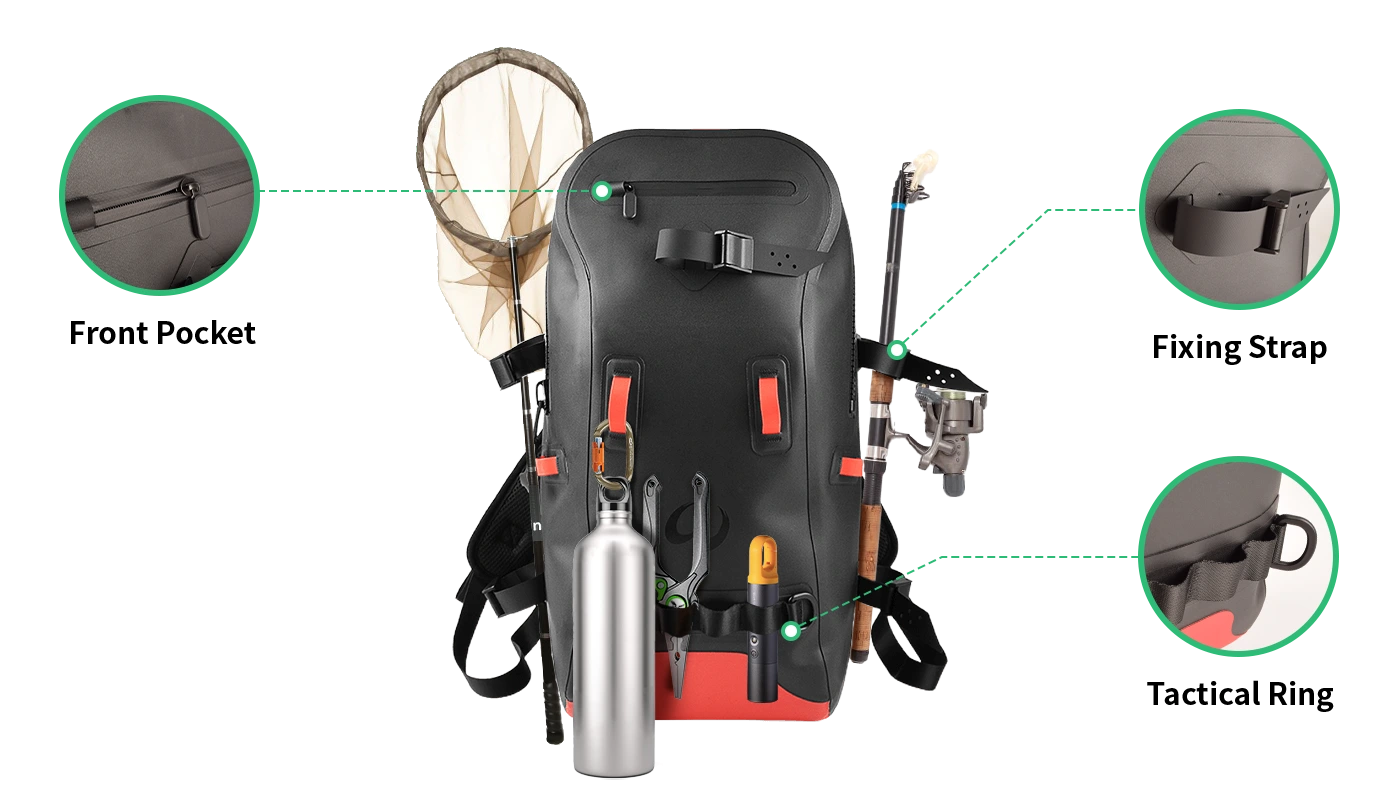
A modular tackle bag lets anglers adjust their pack configuration for different trips. Common modular elements include:
- Detachable external utility pouches via MOLLE, clip-lock, or magnetic systems.
- Removable insulated cooler bays for bait, food, or catch storage.
- Interchangeable lure utility box racks and tool stations.
- Convertible chest packs that detach from the main frame for shallow wading.
Q4: How do quality factories prevent zipper failure from sand and salt?
Reliable manufacturers use large-tooth nylon coil zippers (such as YKK or high-grade SBS) with water-repellent PU coatings rather than small metal teeth. They also build protective zipper garages, add drainage ports, and install corrosion-resistant sliders.
Q5: Can I develop a modular fishing pack if I only have a rough hand sketch?
Yes, if you partner with an experienced ODM outdoor bag manufacturer like Weierken. Their in-house design and technical teams can turn rough sketches, reference photos, or concept lists into digital vector mockups, dimensional CAD layouts, and production-ready tech packs.
Build Your Modular Tackle Gear Line
Developing a successful modular pack requires more than just standard stitching. It takes tight manufacturing tolerances, saltwater-ready materials, and a dependable international supply chain. Working with the wrong supplier leads to missed seasonal sales, product returns, and lost retail placement.
Weierken provides the manufacturing support, rapid prototyping, and duty-advantaged production capacity you need to scale your brand profitably.
Ready to bring your modular tackle backpack to market? Contact the Weierken engineering team today to review your designs, request a rapid prototype in 12–30 days, and get a detailed quote on tariff-mitigated production.