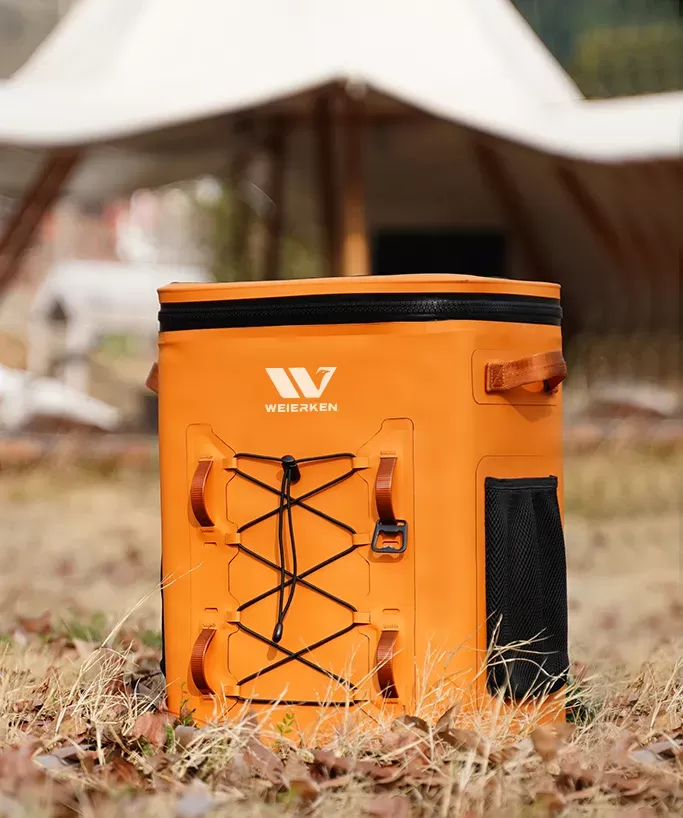

.webp "Top 5 Sea Bag ODM Trends for Marine & Outdoor Brands")
Global consumer participation in ocean kayaking, offshore fishing, sailing, and recreational diving is accelerating rapidly. As maritime activities expand, gear expectations are shifting dramatically.
Traditional sea bags—historically simple canvas gear sacks or basic PVC roll-top bags—no longer satisfy modern ocean enthusiasts. Today's consumers demand high-tech waterproofing, sleek crossover aesthetics, and modular organization.
For marine brands, outdoor retailers, and B2B sourcing managers, launching outdated gear creates an immediate commercial disadvantage. Staying competitive requires integrating current engineering and design trends into your product strategy.
At Weierken, we track global marine market shifts daily. Partnering with an experienced sea bag odm specialist allows brands to capture high-margin market share without spending years on internal research and development.
Here are the top five sea bag odm trends shaping the future of technical marine and outdoor gear.
1. Deep Integration of Eco-Friendly & Non-Toxic Marine Materials
For decades, Polyvinyl Chloride (PVC) served as the primary material for marine dry bags due to its low cost and waterproof surface. However, traditional PVC poses significant environmental challenges.
PVC contains harmful phthalate plasticizers and tends to stiffen and crack in cold saltwater conditions. European and North American regulators continue to tighten chemical restrictions on consumer products.
Leading nautical brands now require sustainable alternatives from their sea bag odm partners. Key eco-material innovations include:
RPET with TPU Coatings: Recycled polyethylene terephthalate (woven from recycled ocean plastics) laminated with non-toxic Thermoplastic Polyurethane (TPU).
PFAS-Free Water Repellency: Advanced C0 durable water repellent (DWR) surface treatments that eliminate hazardous fluorocarbons.
UV-Resistant Bio-Based Elastomers: Eco-conscious coatings designed to withstand intense solar radiation and high-salinity spray without degrading.
Adopting sustainable material platforms helps your brand comply with REACH and RoHS regulations while appealing to environmentally conscious outdoor consumers.
2. Submersible Waterproofing & High-Frequency (HF) Welding
Standard sewn seams, even when taped, cannot survive total submersion under heavy sea swells. Water eventually leaks through thread punctures under pressure.
Modern sea bag odm manufacturing relies on High-Frequency (HF) Welding and Radio Frequency (RF) heat sealing. This technology uses electromagnetic energy to fuse TPU-coated fabrics at the molecular level, creating 100% leakproof, seamless joints.
To achieve true IPX7 or IPX8 submersible ratings, advanced sea bag designs incorporate airtight, pressure-sealed zippers. These specialized closures keep contents dry even when submerged underwater.
This airtight construction offers a major functional benefit: positive buoyancy. When sealed properly, an HF-welded sea bag traps air inside. If a deckhand drops the bag overboard during a heavy storm, it floats on top of the water instead of sinking to the ocean floor.
3. Modular Storage & Dry/Wet Separation Systems
Marine environments present a constant organizational headache. Boaters and divers need to keep wet gear separate from dry clothing, satellite phones, and delicate electronics.
Single-compartment dry sacks force users to pack haphazardly. Modern sea bag odm templates solve this pain point with intelligent, multi-zone storage architectures.
Key modular features currently driving high commercial margins include:
Internal Dry/Wet Dividers: Sealed inner compartments with waterproof zippers isolate soaking wetsuits from dry towels.
Air Bleeder Valves: One-way purge valves that allow users to squeeze out trapped air, compressing soft contents to save valuable cabin space.
MOLLE & External Lash Points: Heavy-duty webbing systems for attaching dry pouches, marine multi-tools, or safety beacons.
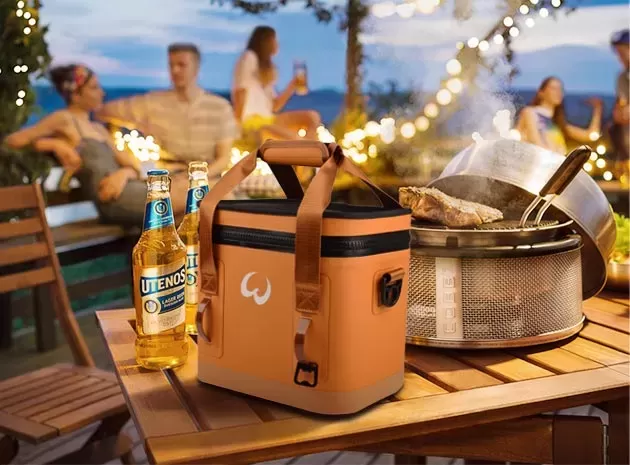
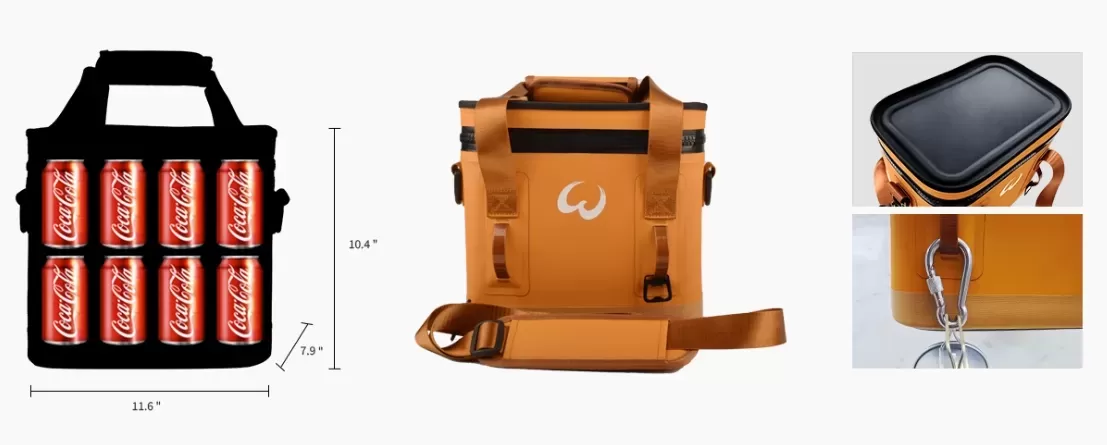
Removable Insulated Sleeve Modules: Modular padded inserts that instantly convert a marine dry bag into a camera case or soft cooler.
Offering modular versatility allows your brand to position products as high-value gear management systems rather than basic storage bags.
4. Marine-Grade Corrosion Resistance & Ergonomics
Saltwater is extremely destructive. Standard metal zipper pulls, steel rivets, and cheap plastic hardware corrode, bind, or crack rapidly when exposed to coastal air.
A high-performance sea bag odm platform specifies hardware designed specifically to handle extreme maritime conditions:
316 Stainless Steel: Marine-grade steel components containing molybdenum to resist pitting corrosion from salt spray.
UV-Stabilized POM Buckles: Polyoxymethylene hardware engineered to withstand intense UV exposure without becoming brittle.
Corrosion-Proof Nylon Zippers: Custom molded zipper teeth that prevent salt crystal binding and operational jams.
Ergonomics are equally critical. Modern sea bag designs utilize ergonomically molded EVA back panels. These closed-cell foam pads do not absorb water, keep heavy loads comfortable across long docks, and dry quickly in the wind.
5. Urban-to-Marine Crossover Aesthetics
Consumer buying habits have changed. Modern outdoor enthusiasts prefer versatile gear that transitions seamlessly between different environments.
They want a waterproof bag that protects expensive camera gear on a sailboat deck over the weekend, but looks stylish during a Monday morning city commute or airport layover.
Industrial, overly bulky marine aesthetics are giving way to refined, minimalist styling. At Weierken, our design team emphasizes clean silhouettes, subtle matte fabric finishes, hidden utility pockets, and low-profile reflective accents.
By leveraging forward-thinking sea bag odm templates, brands can target multi-sport outdoor enthusiasts, urban commuters, and coastal travelers simultaneously, maximizing sales potential across broader demographics.
Why Partner with Weierken for Your Sea Bag ODM Projects?
Manufacturing technical waterproof gear requires specialized factory infrastructure, specialized tooling, and strict quality control processes.
As a leading custom sea bag factory and nautical bag supplier, Weierken brings extensive manufacturing experience to technical waterproof bag ODM production.
Our manufacturing advantages include:
Advanced RF/HF Welding Lines: Precision machinery capable of producing complex seam geometry for airtight, submersible bags.
Rigorous In-House Testing: Hydrostatic pressure chambers, salt spray corrosion testing, and seam tensile stress testing for every production lot.
Full-Service ODM Workflows: Comprehensive support from initial 3D design concepts and material sourcing to rapid prototyping.
High ROI Production: Streamlined white-label processes that reduce development costs and accelerate your market entry.
Whether you need a compact 20L submersible backpack or a massive 90L waterproof offshore duffel, Weierken delivers field-proven quality engineered for long-term brand equity.
Capitalize on Next-Gen Marine Gear Trends
The marine and outdoor bag market is moving fast. Brands that rely on legacy designs and low-cost PVC materials risk losing ground to technical, sustainable, and modular alternatives.
Integrating eco-friendly TPU fabrics, HF welding, IPX8 airtight zippers, and crossover styling into your product catalog ensures strong market appeal and high profit margins.
Partnering with a proven specialist like Weierken allows you to launch custom, market-ready marine gear quickly and cost-effectively.
Are you ready to build your next bestselling marine bag line? Contact the Weierken engineering team today to request a quote, order material swatches, or schedule a technical design consultation!
Frequently Asked Questions (FAQ)
1. What is the typical Minimum Order Quantity (MOQ) for a sea bag odm project?
Production MOQs depend on specific fabric choices, customization levels, and hardware requirements. Generally, custom sea bag odm orders start between 500 and 1,000 units per style, allowing brands to launch new lines without excessive inventory risk.
2. How do you verify the waterproof rating of a custom sea bag odm design?
We test sealed samples using hydrostatic head pressure equipment and full-submersion pressure chambers. For IPX7 or IPX8 ratings, bags are submerged at specific depths for predetermined times to guarantee zero water intrusion.
3. What is the main advantage of TPU over PVC for marine dry bags?
TPU (Thermoplastic Polyurethane) is lighter, more flexible in freezing temperatures, significantly more abrasion-resistant, and eco-friendly. Unlike PVC, TPU contains no harmful phthalates and will not break down or crack under prolonged UV exposure.
4. Can Weierken customize existing dry bag templates with our brand identity?
Yes. Our soft cooler and sea bag odm programs allow complete white-label customization. You can customize exterior fabric colors, brand logo application methods (screen printing, TPU badges, reflective prints), strap configurations, and custom retail packaging.
5. How long does the development process take from design concept to mass production?
Using our pre-tested sea bag odm structural templates, initial 3D mockups and physical sample creation take about 7 to 14 days. Once samples are approved, mass production typically takes 30 to 45 days.
6. How does a buoyant sea bag design protect gear during marine accidents?
By combining HF welded seams with airtight zippers, the bag traps air inside the main compartment. This trapped air acts as a flotation cell, keeping heavy gear floating on the water surface if dropped overboard.