
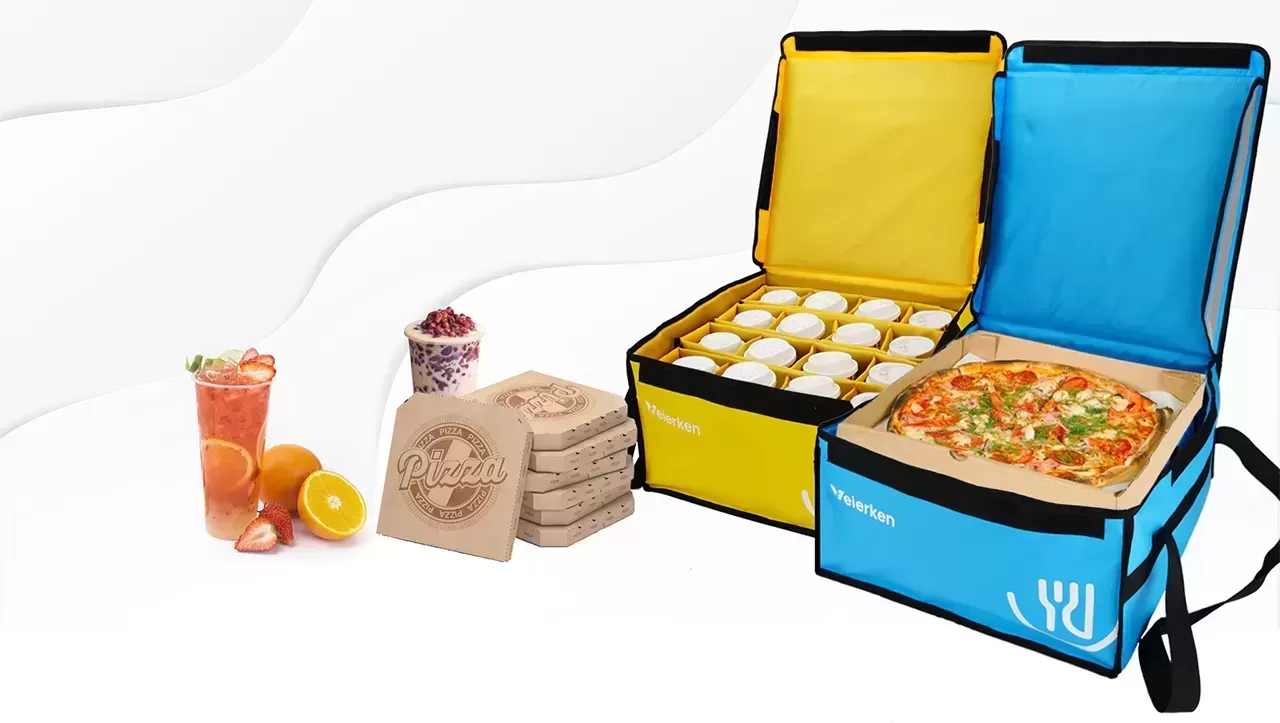
At weierken, we believe that pizza delivery is a race against time and thermodynamics. When a freshly baked pizza leaves the oven, its crust is crisp, the cheese is bubbling, and the temperature is ideal. However, the journey to the customer's door presents multiple challenges. Rapid temperature loss and excess humidity can quickly ruin a premium pizza, turning a crispy crust into a soggy disappointment.
As an experienced insulated pizza bag manufacturer, we focus on engineering reliable solutions. We combine advanced material science with practical industrial design to solve these distribution challenges. Our role as a dedicated pizza thermal bag maker involves analyzing every element of the thermal chain to ensure food arrives in excellent condition.
In this article, we will show you what goes into our commercial bags. We will discuss the science of our insulation layers, moisture management systems, and durable materials. By understanding these design choices, commercial fleet operators and food distributors can make informed decisions for their businesses.
The Battle of Heat and Moisture in Food Logistics
To design an effective delivery bag, we must understand how heat escapes. Heat transfers in three ways: conduction, convection, and radiation. When a pizza box sits inside a bag, conduction occurs where the box touches the bag's surfaces. Convection happens as air circulates around the box, carrying heat away. Radiation occurs as the box emits infrared heat waves into the surrounding environment.
At the same time, steam escapes from the hot pizza cardboard box. If this steam cannot escape the bag, it condenses on the interior walls. This moisture drips back onto the cardboard, weakening the box and making the pizza crust soggy. If the bag vents too much steam, however, valuable heat escapes with it, leaving the customer with a cold meal.
Our engineering team works to balance these forces. We design our wholesale pizza delivery bags to retain thermal energy while allowing excess moisture to escape. Achieving this balance requires careful material selection and precise structural design.
Deconstructing the Thermal Bag: The Three-Layer Shield
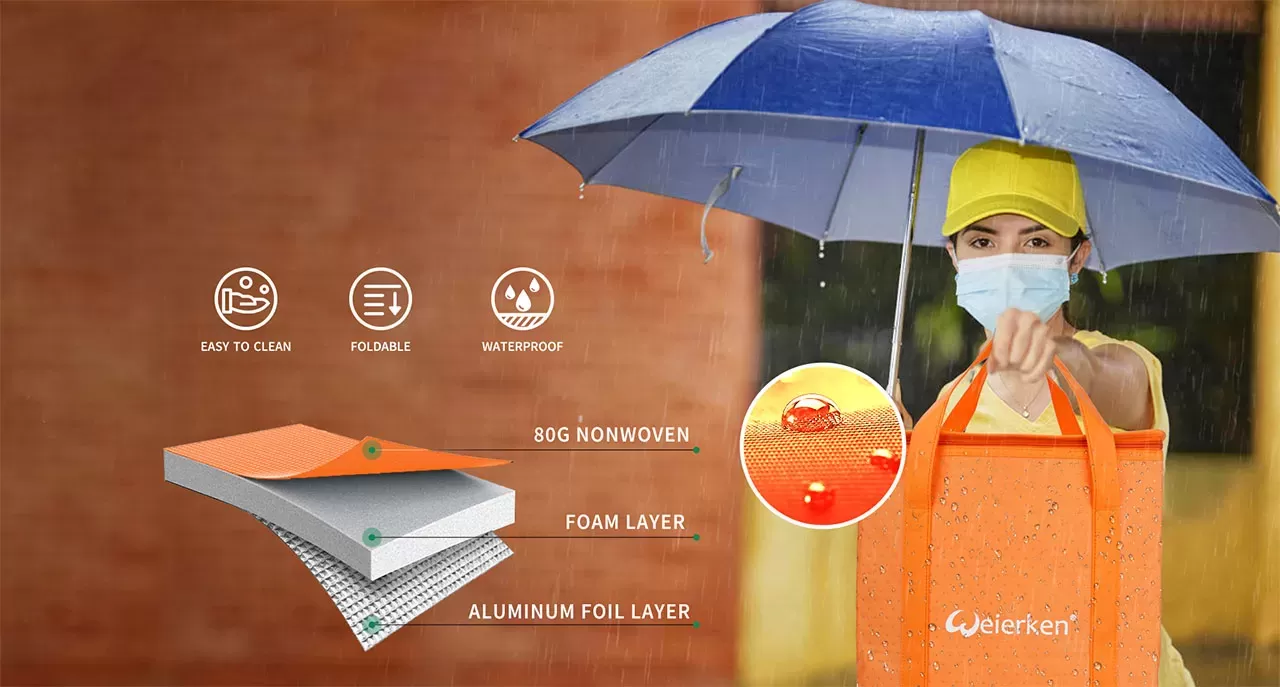
Every bag we manufacture uses a specialized three-layer structure. Each layer has a specific job in keeping food hot and protecting it from the elements. Here is a breakdown of how these layers work together.
1. The Outer Shell: Weatherproof and Wear-Resistant Protection
The exterior layer protects the bag from daily wear and tear. Delivery drivers face rain, snow, wind, and rough handling. Therefore, we use high-density fabrics like 600D or 1680D Polyester and Nylon with water-resistant PVC backings.
Water Resistance: The tight weave prevents water from soaking into the insulation layer, which would ruin its thermal properties.
Tear and Abrasion Resistance: High-denier fabrics resist scratches from metal bike racks, car trunks, and concrete pavement.
Easy Maintenance: The outer surface wipes clean easily, helping delivery fleets maintain a professional, hygienic appearance.
2. The Core Insulation Layer: High-Density Thermal Resistance
Between the outer shell and the inner lining lies the thermal insulation layer. This is the heart of our thermal retention technology. We primarily use high-density EPE foam (Expanded Polyethylene) or specialized hollow-fiber cotton, typically ranging from 8mm to 12mm in thickness.
Closed-cell EPE foam contains millions of tiny, sealed air bubbles. Because still air is a poor conductor of heat, these bubbles slow down thermal transfer. Increasing the foam thickness from 8mm to 10mm or 12mm improves thermal resistance (R-value), helping the bag maintain food temperatures during longer delivery routes.
We select the foam density carefully to balance flexibility and structure. The bag must be rigid enough to stack without collapsing, yet light enough for delivery riders to carry comfortably during long shifts.
3. The Inner Lining: Heat Reflection and Food Safety
The innermost layer directly faces the hot pizza boxes. We use high-quality reflective aluminum foil or heavy-duty food-grade PVC. This reflective surface works like a mirror for thermal radiation, bouncing infrared heat waves back toward the pizza boxes rather than letting them escape.
As a responsible pizza thermal bag maker, weierken ensures all inner materials meet strict food safety and hygiene standards:
Food-Contact Safe: Our linings do not release harmful fumes or chemicals when exposed to high heat and steam.
Heat-Sealed Seams: We use high-frequency welding to seal the inner seams, preventing grease and liquids from seeping into the insulation foam.
Stain and Odor Resistance: The smooth, non-porous lining prevents food odors from sticking and is easy to sanitize with standard sanitizing wipes.
Engineering Practical Solutions: Moisture Control and Hardware
Good materials only work well when integrated into a smart design. To make high-performing bulk thermal food delivery bags, we focus on venting systems and heavy-duty hardware.
Precision Moisture Venting
To solve the problem of soggy crusts, we add strategically placed brass or plastic grommet vents. These vents allow steam to escape in a controlled way. By placing them away from direct wind paths, we release excess moisture without letting cold air blow directly into the bag.
Commercial-Grade Hardware and Reinforced Stitching
A delivery bag is only as strong as its weakest point, which is often the zipper or the handles. We use heavy-duty, commercial-grade zippers designed for thousands of open-and-close cycles. These zippers have oversized teeth that resist snagging and track smoothly, even when the bag is packed tight.
We also use high-strength hook-and-loop fasteners for quick-access flaps. Our manufacturing process includes double-needle lockstitching and bar-tack reinforcements at all major stress points, such as where the carrying handles attach to the bag. This prevents tearing when carrying heavy loads of multiple large pizzas.
B2B Tailored Solutions: Custom OEM/ODM Services
Every pizza brand and delivery operation has unique requirements. A local pizzeria might need standard 12-inch bags, while a nationwide chain might require 18-inch or 20-inch custom pizza carriers. We offer comprehensive customization options to support your business goals.
Custom Sizing: We build bags designed to hold specific box sizes (e.g., 12", 16", 18", or 20" boxes) and capacities (from 2 to 10 boxes per bag).
Active Heating Integration: For long-distance transport, we manufacture commercial pizza heating bags compatible with 12V in-car chargers or 110V/220V wall outlets, using built-in heating elements to keep food hot indefinitely.
Brand Personalization: We offer silk-screen printing, thermal transfer, and rubber patch logos to display your brand clearly during deliveries.
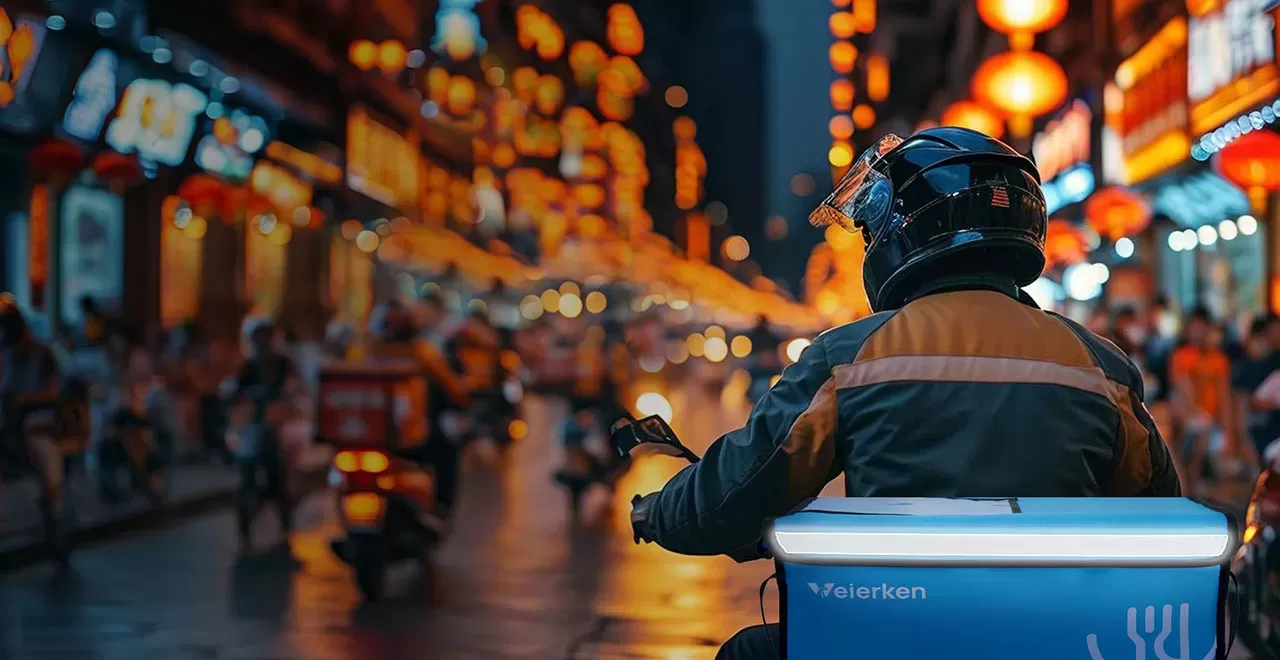
Safety Features: We can add high-visibility reflective strips to the front, sides, and straps of the bags to keep delivery riders safer at night.
We manage our supply chain carefully to ensure consistent quality, steady material sourcing, and reliable delivery times for all bulk orders.
Frequently Asked Questions (FAQ)
1. What makes EPE foam better than other insulation materials?
EPE foam is lightweight, flexible, and has a closed-cell structure. This structure prevents air circulation and heat conduction very effectively. Unlike open-cell foams, EPE does not absorb moisture, which keeps the bag sanitary and ensures the insulation does not degrade over time.
2. How long can your insulated bags keep a pizza hot?
Under normal conditions, our passive thermal bags keep pizzas at a hot, food-safe temperature (above 60°C or 140°F) for about 45 to 60 minutes. For longer delivery times, our commercial pizza heating bags with active electric heating elements can keep food hot indefinitely.
3. Are the inner linings of your pizza bags easy to clean?
Yes. We use heat-sealed, food-grade reflective aluminum foil or PVC linings. These materials are non-porous and water-resistant. You can easily wipe away grease, crumbs, and condensation with a damp cloth and mild sanitizing detergent.
4. What is the minimum order quantity (MOQ) for custom bags?
Our MOQ for customized orders depends on the level of customization and material specifications. Generally, we start custom projects at 500 units. For standard, non-customized wholesale pizza delivery bags, we can often accommodate smaller minimum order quantities.
5. Can your bags handle heavy loads without sagging?
Yes. We reinforce the bottom and sides of our bags with stiff plastic boards or high-density foam inserts. Combined with heavy-duty webbing straps that wrap completely around the bottom of the bag, this design distributes weight evenly and prevents sagging.
6. Why is moisture control so important in a pizza delivery bag?
As hot pizza cools slightly, it releases steam. If this steam cannot escape, it condenses inside the bag and makes the cardboard box soggy. This ruins the texture of the crust. Our engineered moisture vents release steam while keeping cold air out, preserving both heat and texture.
Partner with Weierken for Your Delivery Needs
At weierken, we are proud to be a reliable, professional pizza thermal bag maker. We focus on durable construction, smart design, and thermal performance to help your food delivery business succeed. Whether you run a single local pizzeria or manage a national delivery fleet, we can provide high-quality thermal bags tailored to your needs.
Ready to improve your delivery service and keep your pizzas hot and crispy? Contact our B2B sales team today. Let us help you design the perfect delivery bags for your brand. Request a quote today to get started on your custom order.