
Milk and dairy distribution requires high resilience from packaging materials. Daily delivery cycles involve heavy loads, low temperatures, and constant movement. If your delivery bags fail, your products risk damage, leading to rising operational costs.
As an experienced dairy delivery bag factory, Weierken understands these logistical pressures. We design and manufacture bags that withstand daily wear and tear. Our focus is simple: build reliable gear that keeps your operations running without interruption.
In this article, we analyze why standard delivery bags tear. We also share how we address these weaknesses at our manufacturing facility to protect your bottom line.
1. Why Do Delivery Bags Tear in the Cold Chain?
To fix a problem, we must first understand its causes. In cold chain logistics, several forces work together to degrade bag materials. Here are the primary reasons why delivery bags fail during daily operations.
Poor Cold Resistance
Standard PVC and low-grade nylon fabrics perform poorly in cold conditions. When temperatures drop below freezing, these materials lose their flexibility. They become stiff and brittle, making them highly susceptible to cracking under sudden impacts.
Weak Stitching at Key Stress Points
Heavy milk bottles exert intense localized pressure on bag handles and base seams. Many factories use standard sewing threads and basic stitching patterns. Over time, these threads stretch, fray, and snap, causing the handles to rip away from the bag body.
Inadequate Structural Design
A bag without proper load distribution will fail quickly. If a bag lacks bottom support panels or load-bearing straps, the weight shifts constantly. This shifting creates uneven stress concentrations that tear through the corners of the bag.
Continuous Abrasion and Wear
Delivery personnel constantly slide bags across concrete pavements, truck beds, and metal racks. This constant friction wears down the bottom corners. Small scuffs quickly turn into punctures, which then expand into major tears that ruin the bag.
2. Factory Solutions: Preventing Tears from the Source
As a dedicated dairy delivery bag factory, Weierken does not believe in quick fixes. We address durability issues during the material selection and construction phases. Our production process focuses on four key areas to eliminate tearing.
1. Material Selection
We source specialized, cold-resistant composite fabrics for our bags. These materials are built to survive cold storage rooms and winter deliveries.
PVC-Coated Polyester & TPU-Laminated Nylon: These fabrics remain flexible and pliable even at temperatures as low as -20°C.
Food-Grade Waterproof Linings: We use thick, leakproof inner linings. They prevent condensation from soaking into the insulation layer, protecting the bag from mold and material rot.
High-Density Outer Shells: We select materials with high denier counts to resist abrasions from rough handling surfaces.
2. Structural Reinforcement
We design our bags to distribute heavy weight evenly across the entire structure.
Reinforced Handle Attachments: We secure handles using heavy-duty box stitching combined with metal rivets to prevent pulling.
Wear-Resistant Bottom Protective Feet: Heavy-duty rubber pads or molded plastic corners protect the base from ground friction.
Integrated Anti-Tear Grid Tape: We sew high-tensile polyester webbing along the main seams to stop small punctures from spreading into large tears.
3. Specialized Manufacturing Processes
Our sewing workshop utilizes industrial assembly techniques to ensure structural integrity.
High-Strength Polyester Thread: We use multi-ply bonded polyester threads that resist moisture, UV rays, and rot.
Advanced Stitching Techniques: Our workers use triple-thread overlock stitches and lockstitching to create tight, secure seams.
Heat-Sealed Reinforcement Patches: We apply heat-activated reinforcement patches behind high-stress areas to prevent needle holes from stretching.
4. Rigorous Quality Control Testing
We do not guess how our bags will perform; we test them. Before shipping, our quality control team runs batch testing in our laboratory.
Low-Temperature Impact Test: We freeze bags to sub-zero temperatures and drop heavy weights on them to check for cracks.
Static Load and Drop Tests: We fill bags with simulated dairy products and drop them repeatedly from standard truck-bed heights.
Tensile Strength Verification: We test fabric and seam strength to ensure they meet standard requirements of ≥ 300N under ASTM D5034 guidelines.
3. Commercial Value for Milk Distributors
Purchasing from a reliable dairy delivery bag factory is an investment in your delivery efficiency. Choosing durable equipment delivers practical benefits to your distribution network.
Lower Operational Replacement Costs
Cheap bags require frequent replacement, which quickly eats into your profit margins. Our durable bags last longer, helping you reduce replacement costs and minimize product loss from drops.
Full Customization Options
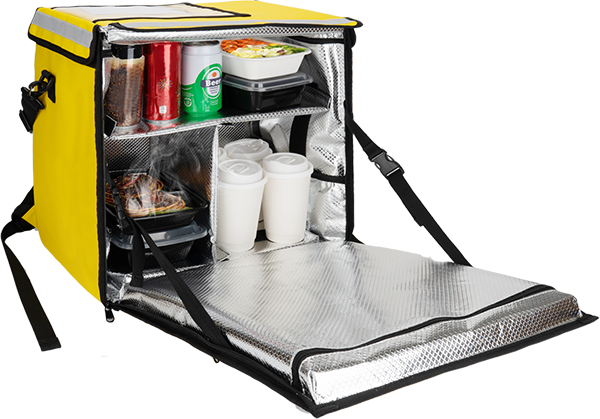
We adapt our bags to match your exact operational needs. We can integrate your corporate branding, clear window slots for delivery logs, adjustable interior dividers, and insulated pockets for cold gel packs.
Flexible Tiered Pricing
We offer competitive pricing structures for bulk orders. By cooperating directly with our factory, you bypass middleman markups and secure predictable, cost-effective supply agreements.
Technical Product Collaboration
Our engineers work directly with your logistics team. We study your delivery routes, vehicle setups, and climate challenges to recommend the best materials for your specific environment.
4. Bulk Production and Supply Security
For large-scale dairy distributors, delivery bags are essential tools of the trade. Production delays, inconsistent quality, or shipping disruptions can halt your distribution schedule. Weierken operates as a trusted partner to keep your logistics chain running smoothly.
Low Minimum Orders with Scalable Delivery
We support growing businesses with flexible ordering terms. Our minimum order quantity starts at 500 units for custom designs. This allows you to run field tests before committing to large volumes.
Rapid Sample Prototyping
We maintain an extensive pattern library of standard bag sizes. This allows us to modify existing designs quickly. We can deliver physical prototypes for your team to inspect within 5 to 7 business days.
Strict Batch-to-Batch Consistency
We track every roll of fabric and hardware batch we use. By sourcing materials from certified suppliers, we ensure the color, thickness, and cold resistance of your bags remain uniform across every shipment.
Material Stocking for Emergency Orders
We maintain a 30-day reserve of raw materials, such as our signature cold-resistant fabrics and high-strength threads. This inventory buffer helps us fulfill urgent orders quickly, even during peak seasons.
Partner with Weierken for Reliable Cold Chain Gear
Torn bags lead to damaged goods, delayed schedules, and unhappy customers. Weierken builds durable, industrial-grade delivery solutions that protect your products from the warehouse to the customer's doorstep.
Let our experienced team design a bag that fits your specific distribution network. Contact us today to discuss your requirements, request physical samples, or receive a detailed quotation for your project.
Frequently Asked Questions
1. What materials are best for insulated dairy delivery bags?
We recommend PVC-coated polyester or TPU-laminated nylon for the outer shell. These fabrics offer excellent abrasion resistance and do not crack in freezing temperatures. For insulation, high-density EPE foam combined with a food-grade, heat-sealed aluminum lining provides optimal thermal protection and prevents leaks.
2. What is the typical life expectancy of a heavy-duty delivery bag?
With proper handling, our reinforced bags are designed to last between 12 to 18 months of daily use. The actual lifespan depends on your load weight, delivery environment, and handling habits. Adding protective base pads can extend this lifespan significantly.
3. Can your dairy delivery bag factory print our custom company logo?
Yes. We offer several printing methods, including silk-screen printing, thermal transfer, and durable rubber patches. We use weather-resistant inks that do not peel or fade when exposed to rain, sunlight, or low temperatures.
4. What is your minimum order quantity (MOQ) for custom bags?
Our standard MOQ for custom-designed bags is 500 units. For initial trial orders or standard stock configurations, we can sometimes accommodate smaller quantities. Please contact our sales team to discuss your specific requirements.
5. How does your factory verify that bags are truly cold-resistant?
We conduct low-temperature chamber tests. We store material samples in a freezer at -20°C for 24 hours. We then perform drop-ball impact and flex testing to confirm the fabric remains flexible and does not crack under mechanical stress.
6. What is the standard lead time for a bulk production run?
Once you approve the pre-production sample and confirm your deposit, our standard mass production time is 25 to 35 days. This timeline can vary depending on the complexity of your custom features and our current factory schedule.