

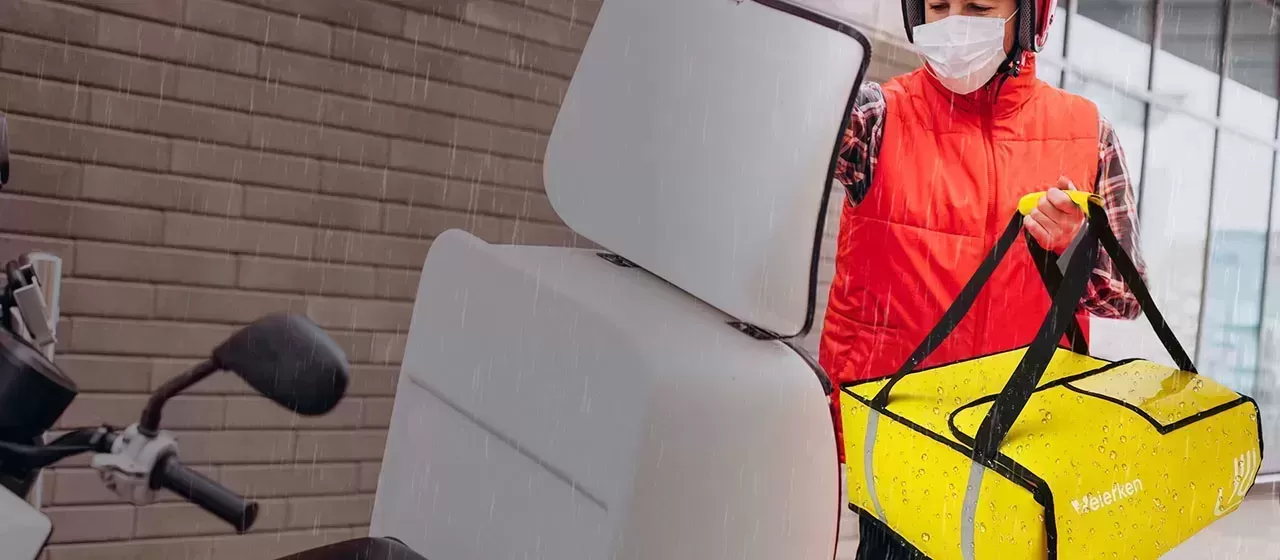
For dairy brands and cold chain logistics companies, thermal packaging is not just an accessory. It is a critical component of your food safety system. Dairy products like fresh milk, yogurt, and cheese are highly sensitive to temperature fluctuations. A brief drop in thermal performance can lead to rapid bacterial growth, product spoilage, and severe food safety risks.
Choosing the wrong manufacturing partner can lead to leaky liners, poor thermal retention, and brand damage. At Weierken, we believe that preventive quality control starts long before production begins. This guide outlines five essential audit modules you should conduct when evaluating a dairy insulated bag factory to ensure they meet international food safety and quality standards.
By systematically reviewing these areas, you can minimize supply chain risks and establish a reliable, long-term manufacturing partnership.
Module 1: Document Verification and Compliance Audit
Your first step is to verify if the dairy insulated bag factory has the legal authority and technical capability to manufacture and export food-contact products. This initial screening filters out middleman trading companies and substandard workshops that lack proper regulatory clearances.
A compliant facility must hold valid certifications that match your target market's regulatory demands. Without these, your shipment risks being seized by customs or rejected during retail audits.
Key Documents to Request:
Business License: Ensure the scope of business covers thermal packaging, bag manufacturing, or plastic/textile processing.
Social Responsibility Audits: Request recent reports from recognized organizations such as BSCI, Sedex, or SMETA, which are highly valued in European and North American markets.
Quality Management System: Look for a valid ISO 9001 certification to confirm the factory operates under structured quality management protocols.
Food Contact Materials Compliance: Ask for certified third-party testing reports showing compliance with FDA, LFGB, or EU Regulation 10/2011 for any materials directly touching food containers.
Export Qualifications: Verify the factory has export customs registration and tax refund eligibility if you are sourcing directly from China.
Audit Action: Always ask for the original PDF copies or high-resolution scans of these certificates. Check the expiry dates, the registered factory name, and verify the certificate numbers directly on the issuing agency's official database.
Module 2: Shop Floor Organization and Environmental Hygiene
Dairy thermal packaging requires strict hygiene protocols because these bags are used to transport consumable products. A dusty, disorganized factory floor introduces contaminants that can easily cling to the bag liners. A professional dairy insulated bag factory must maintain a clean, organized, and structured manufacturing space.
As an industry standard, Weierken maintains clean workshops with designated zones. This setup prevents cross-contamination and ensures that every finished item remains clean throughout the manufacturing cycle.
Key Environmental Aspects to Check:
Clear Workshop Zoning: The facility must clearly separate raw material storage, cutting areas, sewing/heat-sealing lines, final assembly, and packaging zones.
Dedicated Liner Processing: The processing of internal food-grade liners should take place in a cleaner, isolated area away from heavy dust-generating fabric cutting processes.
Pest Control Systems: Check for active pest control measures, including insect-killing lamps, rodent traps, and double-door entry systems.
Operator Hygiene Standards: Workers handling food-contact lining materials should wear hairnets, gloves, and clean uniforms to prevent dust or hair from settling on the liners.
Dust Control and Ventilation: Look for air filtration systems or positive pressure ventilation setups in high-end facilities, which prevent outside dust from entering the finishing workshop.
Audit Action: If you cannot visit the dairy insulated bag factory in person, schedule a live, unannounced video call. Ask the factory representative to walk through the production line, focusing closely on the corners, floor cleanliness, and worker habits.
Module 3: Incoming Quality Control (IQC) of Raw Materials
The durability and thermal retention of an insulated bag depend entirely on the quality of its raw materials. The factory must have a strict incoming quality control process to test and verify every batch of material delivered by their upstream suppliers.
Using cheap, unverified foam or low-grade plastic liners can result in tearing, chemical odors, and poor temperature retention. Ensure your dairy insulated bag factory implements testing for all incoming components.
Essential Materials to Audit:
Food-Grade Inner Linings: The inner film (typically PEVA, TPU, or aluminum foil laminates) must be accompanied by food-safety test reports. It must be free from BPA, lead, and phthalates.
Thermal Insulation Layer: The factory should test the density, thickness, and resilience of the insulating foam (EPE, PE, or EVA foam) to ensure consistent thermal barriers.
Outer Fabric: The exterior fabric (like polyester, nylon, or canvas) should undergo tear strength, water resistance, and colorfastness testing to withstand harsh shipping conditions.
Zippers and Hardware: Heavy-duty zippers must be tested for open-and-close fatigue resistance to prevent failure during daily deliveries.
Solvent-Free Adhesives: Ensure the factory uses non-toxic, solvent-free adhesives and food-safe inks to prevent chemical odors from transferring to the dairy packaging.
Audit Action: Inspect the raw material warehouse. Ask the factory to show you their material receiving logs, Supplier Quality Certificates (COA), and the physical test records for the current production batch.
Module 4: In-Process Quality Control (IPQC) and Traceability
Even with excellent raw materials, poor assembly techniques can ruin a bag's thermal integrity. A reliable dairy insulated bag factory must embed quality control checkpoints at critical steps of the assembly line rather than relying solely on a final check.
Consistent inline monitoring helps identify defects early, preventing structural failures like leaky seams or weak stitching before the bags are packed into cartons.
Key IPQC Processes to Observe:
First Article Inspection (FAI): The production team must verify and sign off on the very first bag off the line against the approved "golden sample" before running full production.
Critical Process Inspection: Check if inspectors regularly monitor critical operations, such as high-frequency heat sealing of the inner liners, to ensure 100% waterproof seams.
In-Line Random Sampling: Production line quality control staff should systematically sample semi-finished products (e.g., inspecting 1 out of every 50 bags) for stitch density and seam strength.
Non-Conforming Material Control: The factory must have a clear procedure for handling defective items, including designated red bins, physical isolation, and rework logs.
Batch Traceability: The factory should use batch tracking cards or barcodes on production lots, allowing them to trace finished items back to the specific raw materials and production date.
Audit Action: Walk the production line and randomly select three active "Work-in-Progress" (WIP) tracking sheets. Ask the quality control supervisor to explain how they track and log defects for those specific batches.
Module 5: Finished Product Testing and Outgoing Control (OQC)
The final inspection represents your last line of defense before the products leave the dairy insulated bag factory. A single batch of defective bags delivered to your dairy distribution centers can disrupt your entire cold chain schedule.
A reputable factory will perform rigorous functional tests on finished units to guarantee they meet real-world transit demands.
Essential Outgoing Quality Checks:
100% Visual and Cosmetic Check: Every single bag must be checked for loose threads, dirty spots, puncture holes, and zipper alignment before packing.
Thermal Performance Testing: The factory should conduct temperature retention tests using data loggers to prove the bag maintains cold temperatures over specified hours.
Leak-Proof and Seam Testing: For heat-sealed inner liners, the quality control team should fill sample bags with water to check for leaks under pressure.
Load-Bearing and Drop Testing: Filled bags must undergo weight-capacity testing and drop testing to simulate the rough handling typical of last-mile delivery.
Golden Sample Reference: Ensure the quality team keeps an approved, signed "golden sample" on-site to compare against production outputs.
Audit Action: Ask the quality manager to perform a live demonstration of their leak-proof or load-bearing test. You should also request copies of the actual thermal testing logs from the last three completed shipments.
Expert Sourcing Tip: Execute a Trial Order Audit
Document verification and facility tours are essential, but the ultimate test of a dairy insulated bag factory is how they execute a real order. Before signing a large-volume annual contract, we recommend placing a small trial order.
This trial should represent approximately 10% to 20% of your typical minimum order quantity (MOQ). A trial run lets you evaluate several crucial factors:
The factory's communication speed and transparency when addressing unexpected production delays.
The physical performance of the bags during actual cold chain distribution cycles.
The accuracy and safety of the outer shipping packaging to prevent transit damage.
If the trial order meets your specifications, you can confidently scale up your order size. Taking a systematic approach protects your investment and ensures a reliable supply chain.
Frequently Asked Questions (FAQ)
1. What are the most critical certifications a dairy insulated bag factory must hold?
At a minimum, the factory should hold an ISO 9001 certification for quality management. For food safety, they must provide third-party test reports (such as FDA, LFGB, or EU 10/2011) verifying that the inner lining material is food-grade and free of toxic compounds. For social compliance, look for BSCI or Sedex audit reports.
2. How does a manufacturer ensure the inner lining of the bag is 100% leak-proof?
The most reliable method is high-frequency voltage welding or heat sealing rather than traditional stitching. Stitching creates needle holes that allow melted ice or dairy spills to leak into the foam layer. A qualified factory will also conduct water-fill tests on random samples to verify seam integrity.
3. Which insulation materials are best suited for transporting sensitive dairy products?
For last-mile delivery, high-density EPE (Expanded Polyethylene) foam or NBR foam wrapped in food-safe PEVA or aluminum foil laminates works best. The foam thickness should range from 5mm to 10mm depending on your target transit times. For longer shipping windows, specialized vacuum insulation panels (VIP) are sometimes used.
4. Can we conduct a remote factory audit if our team cannot travel internationally?
Yes. You can hire a certified third-party inspection agency (such as SGS, TÜV, or QIMA) to conduct a formal on-site audit. Alternatively, you can request a live interactive video audit with the factory's quality assurance team to view production lines and material warehouses in real-time.
5. How does a dairy insulated bag factory verify that no toxic odors will transfer to food?
Reputable factories use solvent-free, water-based adhesives or rely entirely on heat-welding techniques to assemble the interior chamber. They must also source certified low-VOC or VOC-free materials and air-dry the bags in a well-ventilated space before packing them into cartons.
Establish Your Reliable Cold Chain Partnership
Auditing a manufacturing facility is a collaborative process that establishes long-term trust. A reliable dairy insulated bag factory will welcome your questions, provide clear documentation, and show a commitment to continuous quality improvement.
At Weierken, we focus on operational transparency, systematic quality controls, and verified food-safety standards. We invite you to review our certifications, inspect our production processes, and see how we help protect cold chains worldwide.
Ready to source reliable, food-grade thermal packaging for your dairy business? Send us an inquiry today to discuss your project requirements, request material samples, or get a detailed manufacturing quote.