

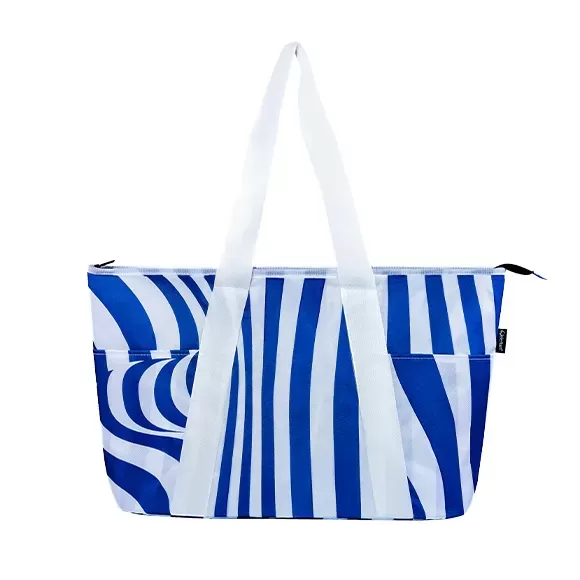
1. Why Coastal Lifestyle Bags Demand Specialized QA
Coastal lifestyle gear looks relaxed, but the environment it inhabits is punishing. Salt crusts over metal parts, wet sand abrades delicate stitching, and prolonged sun exposure fades standard canvas dyes. A promotional tote made for a supermarket will disintegrate after a month of heavy beach use.
When launching custom coastal lifestyle bags, brands cannot rely on standard apparel inspection routines. Products must withstand constant humidity, direct sun, and heavy loads of damp gear. A lifestyle brand that sells bags that rip or rust will see customer loyalty evaporate overnight.
Material choices dictate your baseline performance. Coastal bags usually feature one or more of these specialized textiles:
- Heavy Cotton Canvas: Breathable and timeless, but requires treated backings or durable water repellent (DWR) coatings to resist ocean dampness.
- Technical TPU & Tarpaulin: Welded, non-porous fabrics that keep sand and water out completely.
- Neoprene: Flexible and cushioned, making it ideal for surf gear totes and boat bags.
- RPET (Recycled Ocean Plastics): A favorite for sustainable coastal bags factory programs that appeal to eco-conscious shoppers.
A failed production run costs far more than the price of scrapped inventory. It delays your launch during peak summer selling windows and fills your customer service inbox with warranty claims. Experienced contract manufacturers like Weierken understand that coastal utility requires a strict testing regime from the yarn stage to final export packaging.
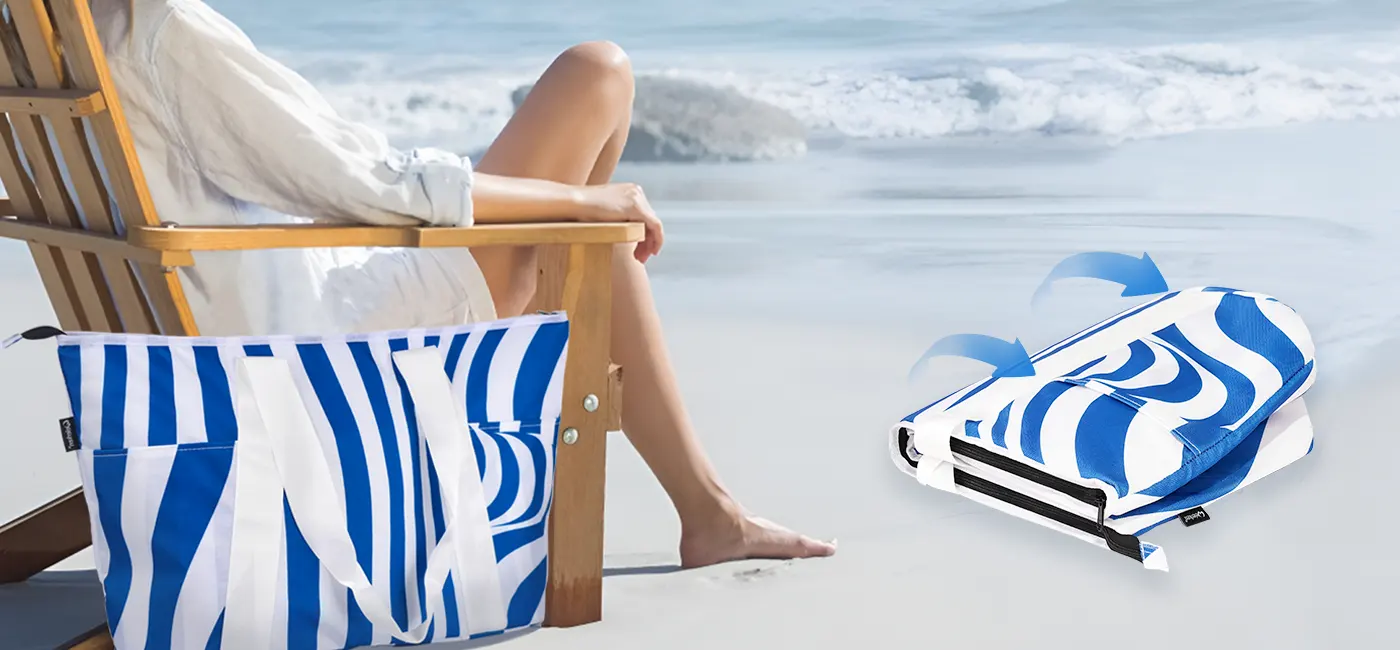
2. Factory Auditing Checklist: On-Site and Remote Evaluation
Before placing a purchase order with a beach tote manufacturer, you need to look behind their sales pitch. Conducting a thorough coastal bag supplier audit protects your investment and ensures your manufacturer maintains professional operating standards.
Certifications and Social Compliance
Legitimate factories maintain transparent third-party audit records. Review their certifications before discussing pricing:
- Quality Systems: ISO 9001 certification confirms structured documentation, equipment calibration, and material inspection routines.
- Social Accountability: BSCI, SMETA (Sedex), or SA8000 audit reports prove that the facility maintains clean, safe working conditions and follows ethical labor laws.
- Sustainability Verification: Global Recycled Standard (GRS) certificates confirm that recycled ocean polyester claims are genuine.
Machinery and Production Capacity
Walk the floor—either in person or through an unedited video audit—to inspect the factory machinery. Heavy coastal bags require specialized equipment that lightweight garment factories do not own:
- Automated Pattern Cutters: Computer-controlled laser or oscillating knife cutters maintain exact tolerances on heavy 16oz canvas and stiff waterproof tarpaulin.
- Walking-Foot Sewing Machines: Standard sewing tables cannot feed thick webbing straps and multiple layers of canvas without skipping stitches. Look for heavy-duty compound feed machines.
- High-Frequency (RF) Welders: Essential for bonding waterproof coastal totes with zero needle punctures along the seams.
Supply Chain Traceability
Inquire where the factory procures its raw materials. Do they buy bulk canvas from audited mills, or do they purchase untraceable closeout fabric on local open markets? A professional OEM beach bag supplier keeps clear batch records for fabrics, zippers, and hardware.
3. Core Quality Assurance (QA) Standards for Coastal Bags
To avoid warranty disasters, incorporate explicit physical performance requirements into your production contracts. General visual inspections are not enough for harsh shoreline use.
Critical Physical Performance Tests
Demand that the factory provide internal or third-party laboratory test reports for these baseline checks:
- Salt Spray Testing (ASTM B117): Expose all metal components—zipper sliders, snaps, rivets, and carabiners—to a 5% neutral salt mist for 48 to 72 hours. Marine-grade hardware must emerge without visible red rust or white pitting.
- Light Fastness (ISO 105-B02): Intense UV rays fade standard pigments rapidly. Ensure your custom coastal lifestyle bags meet a minimum light colorfastness of Grade 4 to 5 after simulated xenon-arc sun exposure.
- Handle Tensile and Drop Testing: Load the finished bag to its maximum rated capacity (usually 15 to 25 kg) with steel shot bags. Drop it repeatedly from a height of 1 meter using an automated rig to verify that the box-X handle stitches do not rip out.
- Hydrostatic Head / Water Repellency: If you market a bag as water-resistant, verify that exterior fabrics withstand at least 1,500mm of water pressure, while true waterproof compartments hold at least 10,000mm.
Workmanship and Visual Inspection Criteria
During quality control for custom bags, inspect these exterior construction points:
- Stitches Per Inch (SPI): For heavy coastal totes, maintain a consistent 6 to 8 SPI. Loose stitching causes seams to pull apart under weight, while overly dense stitching perforates and weakens heavy coated fabrics.
- Thread Selection: Insist on bonded nylon or UV-treated polyester continuous filament threads. Standard cotton-wrapped threads rot quickly when exposed to ocean moisture.
- Branding Durability: Test logos against salt water, scratching, and heat. Heat-transfer graphics and screen prints must not peel, crack, or bubble when submerged in salt water.
4. Managing In-Process Quality Control (QC) Stages
Do not wait until final packing to check your order. Catching a mistake after sewing thousands of bags means accepting costly delays or flawed products. Use this four-stage quality gate system.
Stage 1: Pre-Production Sample (PP Sample) Approval
Before mass cutting begins, the factory must produce a final PP sample using the exact bulk materials, dyed webbing, and hardware intended for the production run. Measure every dimension, check the SPI, test the zipper slide feel, and seal this approved sample in a signed container at the factory to serve as the master benchmark.
Stage 2: During Production Inspection (DUPRO)
Schedule a DUPRO check once 15% to 30% of the run comes off the sewing lines. This step identifies defects early:
- Check that die-cut fabric pieces match cutting patterns accurately.
- Confirm that bar-tack reinforcements are properly placed on handles.
- Verify that assembly workers follow the sealed PP sample step-by-step.
Stage 3: Pre-Shipment Final Random Inspection (PSI)
Run a final random inspection once the order is 100% produced and at least 80% packaged into shipping cartons. Professional manufacturers like Weierken manage production under standard ISO-aligned AQL (Acceptable Quality Limit) guidelines, typically AQL 2.5 for major defects and 4.0 for minor cosmetic issues.
An inspector checks carton counts, bar codes, gross weight, stitching consistency, color accuracy, and packaging cleanlines across a randomized statistical sample.
Stage 4: Anti-Mold and Packaging Protection
Maritime shipping across humid ocean lanes is a common cause of cargo damage. Ocean containers experience temperature swings that create container rain, turning moist organic fibers into mold traps.
- Check fabric moisture levels using an electronic pin probe before packing; canvas moisture must read below 10% to 12%.
- Include non-toxic clay or silica gel desiccant packs inside every individual polybag.
- Place moisture-absorbing hanging poles throughout the shipping container to
control condensation during transit.
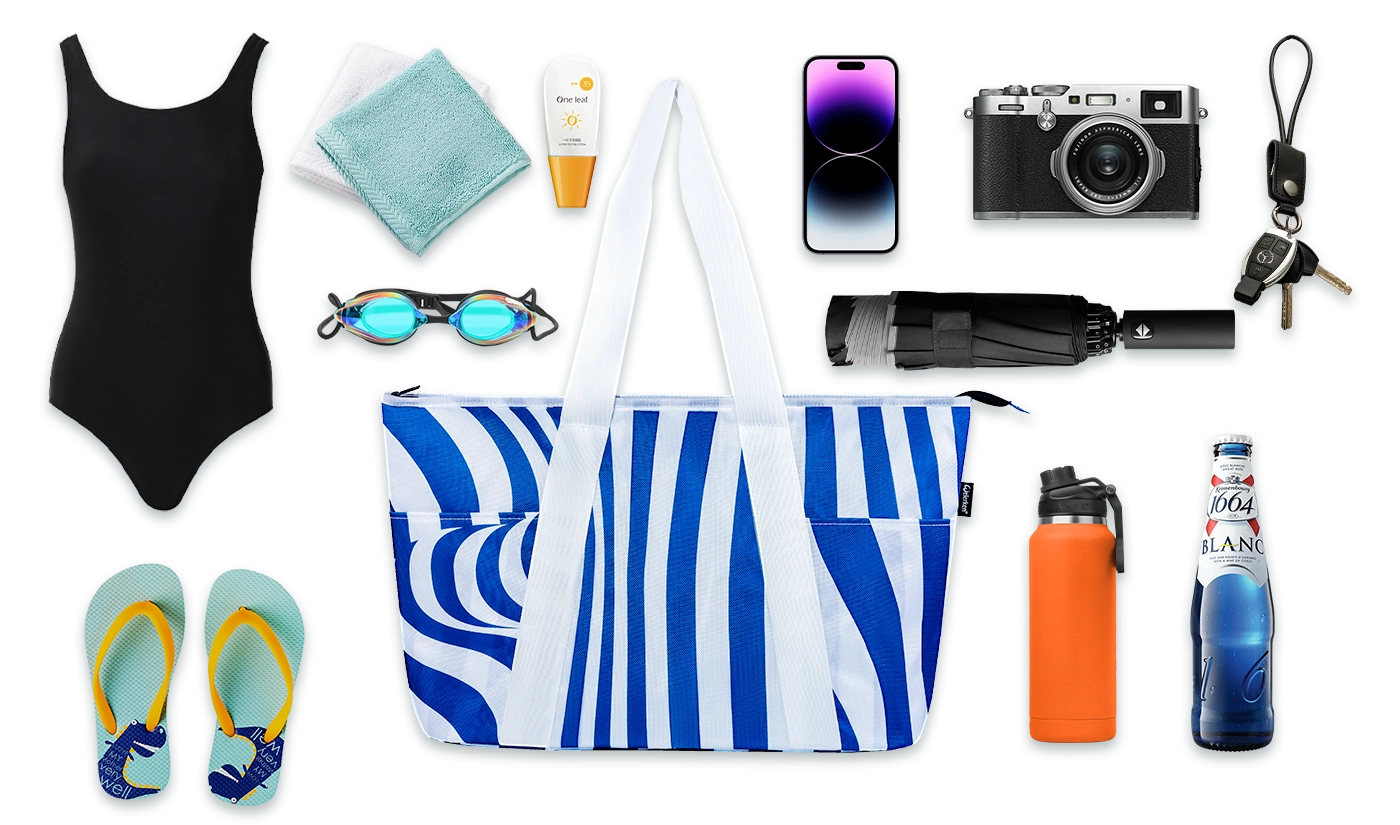
5. Common Sourcing Traps and How to Avoid Them
Coastal lifestyle goods face specific manufacturing vulnerabilities. Watch out for these three supply chain traps:
- The Greenwashing Trap: Many suppliers claim to sell ocean-bound plastics or organic canvas without paper trails. Never take an environmental claim at face value. Insist on genuine GRS scope certificates and transaction records covering your specific raw material lot.
- Seasonal Lead Time Bottlenecks: Coastal lifestyle products sell primarily during spring and summer. Many brands place their purchase orders at the same time between November and January. Plan your sampling in early autumn to secure factory line capacity before the holiday crunch.
- Hardware Downgrading: Factories trying to shave cents off their unit cost might replace stainless steel or marine-grade POM hardware with cheap zinc-aluminum alloys. Test hardware with a magnet and request a salt spray test report before approving bulk production.
6. Frequently Asked Questions (FAQs)
Q1: What is the best fabric for durable custom coastal lifestyle
bags?
A1: It depends on your brand's aesthetic. For an authentic
heritage look, 16oz to 20oz cotton canvas with an internal water-repellent
coating works best. For active watersports, TPU-coated 420D ripstop nylon or
500D PVC tarpaulin offers superior waterproof protection and cleans off
easily.
Q2: How do we prevent metal zippers from jamming due to salt
spray?
A2: Avoid small, coiled metal zippers entirely. Use
heavy-duty molded plastic tooth zippers (such as YKK Vislon) paired with plastic
or marine-grade coated sliders. Plastic teeth resist corrosion and run smoothly
even when coated with dried salt residue.
Q3: What AQL standard should we use for custom coastal
bags?
A3: General Inspection Level II under ISO 2859-1 (AQL 2.5 for
Major defects, 4.0 for Minor defects, 0 for Critical defects) is the
international standard for branded consumer bags. High-end luxury coastal
collections often tighten this requirement to AQL 1.5 for major defects.
Q4: Why do heavy canvas coastal bags develop mold during sea
transit?
A4: Cotton absorbs humidity from the air. If the factory
packs the bags in high humidity without drying them, or if the container
experiences large temperature swings during transit, moisture condenses inside
the plastic wrapping and encourages mold growth. Controlling workshop humidity,
checking fabric dryness, and using desiccants prevents this.
Q5: Can an OEM factory match our specific Pantone colors on recycled
RPET?
A5: Yes. An experienced factory runs lab dips on your
specified RPET fabric. They review these color swatches under standard D65
daylight lightboxes to ensure your custom beach bags achieve consistent color
matching across your entire product line.
Q6: How long does a standard factory audit take?
A6: A
full on-site quality and social compliance audit usually takes one to two full
working days for a standard facility. An experienced inspector can review
records, examine machinery, interview line workers, and inspect current
production lines within this window.
7. Protect Your Brand With Rigorous Quality Control
Creating successful custom coastal lifestyle bags requires balancing outdoor performance with classic shoreline aesthetics. A beach bag cannot simply look attractive on a boutique display rack; it must survive pounding waves, hot sun, and salt air without falling apart.
Taking the time to audit your supply chain, demand salt-spray reports, and inspect production runs protects your profit margins and builds customer trust. Experienced OEM partners like Weierken take the guesswork out of production by integrating certified materials, technical sewing lines, and documented quality control into every project.
Ready to manufacture your line of durable custom coastal lifestyle bags? Contact our technical production team today to request a quote, review our audited facility reports, and order material swatches.