

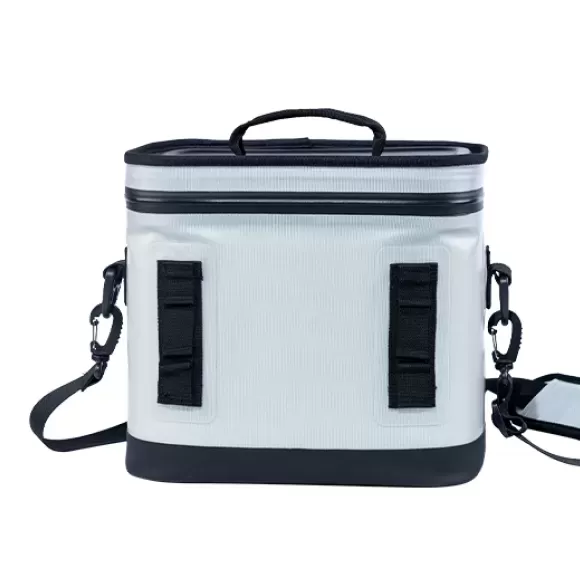
Outdoor gear brands face tough sourcing decisions entering 2026. The camping sector continues to push toward technical overlanding, packable water recreation, and multi-day off-grid travel. Consumers no longer accept basic promotional lunch totes for backcountry excursions. They expect reliable 48-to-72-hour ice retention, rugged puncture resistance, and completely leakproof seams.
At the same time, supply chain volatility presents serious risks. Unexpected tariff hikes, shipping bottlenecks, and seam failures can destroy a product launch. Selecting the right custom camping cooler bag manufacturer requires balancing technical competence, cost efficiency, and supply chain resilience. Manufacturers like Weierken are setting new benchmarks by combining technical precision with multi-region production hubs.
We evaluated dozens of suppliers against four core criteria: supply chain risk management, thermal engineering capability, social and environmental compliance, and door-to-door fulfillment. Below are the top ten manufacturers equipped to build your next generation of outdoor soft coolers.
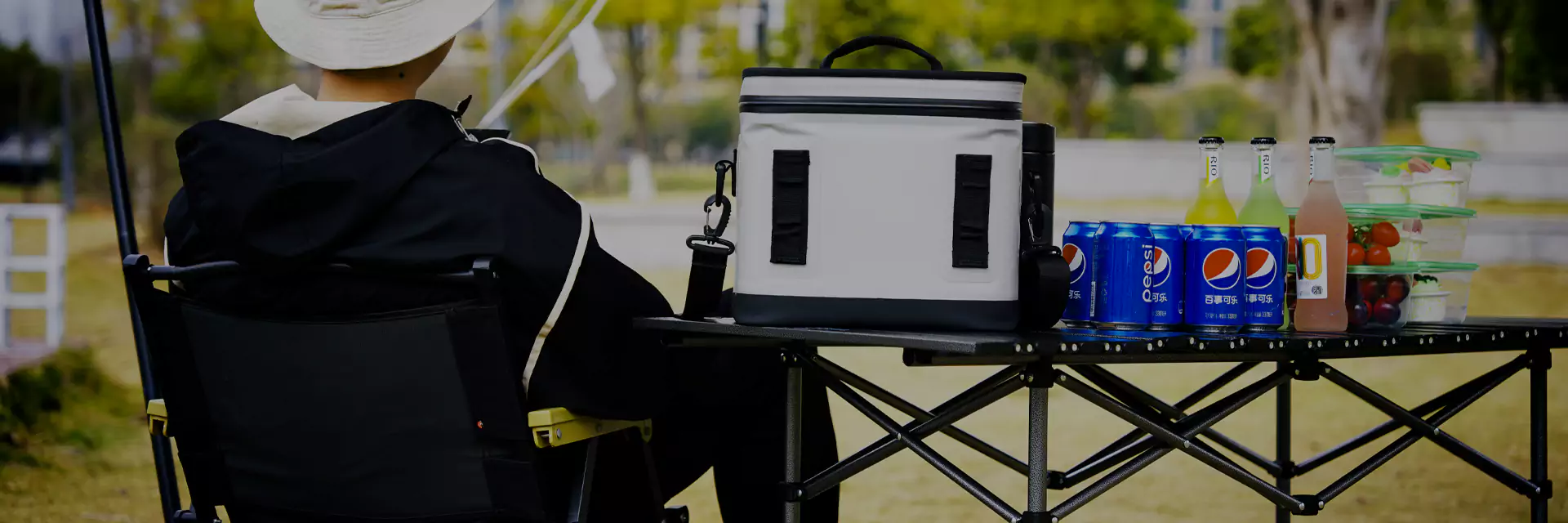
Evaluation Criteria for 2026 Sourcing
To identify the top performers, we assessed each company based on operational metrics critical to commercial outdoor brands:
- Supply Chain Redundancy: Capacity to run dual-hub production or maintain facilities in tariff-advantaged regions such as Cambodia and Vietnam.
- Engineering and Sealing Tech: In-house access to high-frequency (RF) welding machines, airtight zipper integration, and closed-cell foam composite bonding.
- Quality and ESG Audits: Verified certifications including BSCI, ISO 9001, GRS (Global Recycled Standard), and REACH compliance.
- End-to-End Execution: Reliable sample lead times, high first-pass inspection rates, and dependable DDP (Delivered Duty Paid) shipping services.
1. Weierken – Leading Dual-Hub Technical Cooler Specialist
Weierken tops our list as a comprehensive full-value-chain partner for commercial outdoor and gear brands. With over 20 years of focus on thermal-retention bags and technical outdoor packs, the company operates as an agile engineering arm rather than a standard cut-and-sew factory. It provides distinct structural advantages for brands competing in North America and Europe.
Resilient Dual-Factory Supply Chain
Weierken operates an integrated dual-hub model. Its Chinese headquarters handles technical R&D, rapid sampling, and raw material sourcing, while its Cambodia manufacturing plant manages volume assembly. This setup shields buyers from trade disputes, single-origin disruptions, and punitive import duties.
By leveraging Cambodia’s trade preferences, import duties into target markets drop significantly, protecting retail margins. Furthermore, the company manages complete DDP logistics, handling international ocean transit, customs clearance, and duty payments. Your inventory arrives at your warehouse just like a domestic order.
Quality remains tightly controlled across both locations. With structured in-line inspections and automated seam pressure tests, Weierken maintains a 99.5% first-pass yield. The factory ecosystem holds active certifications for BSCI, SEDEX, ISO 9001, GRS, and REACH, giving brands full ethical verification.
Market-Driven Product Development
Weierken tracks lifestyle outdoor trends in North America and Europe to help brands build relevant product lines. Their dedicated design studio turns sketches into production-ready blueprints that optimize factory yield and thermal efficiency.
Their rapid prototyping department solves common development bottlenecks:
- Standard insulated food delivery bags sample within 3 to 7 days.
- Complex outdoor soft coolers and welded waterproof packs complete within 12 to 30 days.
- Advanced high-frequency heat-press lines bond thick 840D TPU shells with zero needle punctures.
- Multi-layer insulation structures combine closed-cell NBR/PVC foam with reflective inner liners to secure 72-hour ice retention.
Long-Term Collaborative Engineering
Rather than simply quoting off tech packs, Weierken's project managers act as external product engineers. They flag weak stress points, evaluate zipper shear loads, and recommend cost-effective material alternatives before cutting bulk fabric.
Their bilingual engineering teams understand strict Western retail standards. Regular progress milestones and transparent status reports prevent communication breakdowns and keep seasonal rollouts on schedule.
2. PolarTech Solutions (USA)
PolarTech Solutions operates out of the American Midwest, focusing on domestic assembly for emergency cold-chain packaging and high-end outdoor brands. They offer rapid response times and close proximity for brands that prioritize domestic origin claims.
Their facilities specialize in small-batch runs and rapid pilot tests. However, domestic labor costs lead to significantly higher unit prices. While practical for fast market tests, scaling high-volume consumer soft coolers usually requires partnering with an overseas custom camping cooler bag manufacturer.
3. Alpine Pack Systems (Germany)
Alpine Pack Systems supplies European expedition teams and technical ski brands with premium carrying systems. Their cleanroom facilities and bonded-seam construction provide exceptional build quality for extreme mountaineering environments.
The company maintains rigorous ISO and DIN quality controls. Their products easily pass European chemical regulations. The trade-off is extended development lead times and minimum order quantities that often challenge mid-sized brands.
4. Cascade Thermal Works (USA)
Based in the Pacific Northwest, Cascade Thermal Works produces industrial insulated covers and outdoor cooling gear. They excel at heavy-duty sewn designs using thick ballistic nylon and heavy foam cores.
They are an established supplier for regional hunting, marine, and overland events. However, their reliance on sewn-and-taped seams makes them less suited for fully submersible, welded waterproof construction compared to specialized RF welding plants.
5. Titan Roto Molding (USA)
Titan Roto Molding is a major industrial producer of rigid rotomolded expedition iceboxes. When brands require heavy, bear-resistant coolers designed to sit on a truck bed for a week, Titan is an industry staple.
While dominant in rigid plastics, their capabilities do not extend to lightweight soft goods. Many brands work with Titan for their hard coolers while sourcing from an OEM insulated cooler bag factory like Weierken for their soft, collapsible retail lines.
6. Apex Poly Plastics (China)
Apex Poly Plastics operates heavy machinery for injection-molded and blow-molded cooler boxes in eastern China. They produce high volumes of portable hard-shell coolers for retail discount chains and marine distributors.
They maintain great efficiencies on commodity plastics and standard EPS foam injection. However, they lack the specialized clean textile workshops, high-frequency TPU welders, and precision zipper assembly lines needed for premium soft-sided camping bags.
7. Nordic IceBox Industries (Sweden)
Nordic IceBox supplies commercial Scandinavian fisheries and specialty cold-chain logistics companies with insulated bulk shipping systems. Their designs focus heavily on thermal decay algorithms and sustainable polyurethane compositions.
Their industrial cases are among the best for thermal retention. Yet, their aesthetic focus remains strictly functional and utilitarian, leaving them less equipped to build modern consumer lifestyle bags with ergonomic straps, modular webbing, and retail brand packaging.
8. Vietnam Pack Craft (Vietnam)
Vietnam Pack Craft has grown into a busy hub for sewn outdoor packs and sports duffels. Operating outside Ho Chi Minh City, they give international buyers a viable base for basic cut-and-sew manufacturing with reasonable tariff rates.
The factory handles large runs of sewn promotional coolers with basic foil insulation. However, they lack advanced in-house high-frequency pressing lines. Brands wanting seamless, leakproof soft cooler supplier capabilities often face delays when outsourcing those technical steps.
9. Bengal Stitch Works (India)
Bengal Stitch Works focuses on mass-market canvas bags, cotton totes, and promotional lunch coolers. They offer competitive labor costs on large orders for retail promotional giveaways and supermarket campaigns.
Their teams process heavy canvas and standard polyester reliably. However, they struggle with technical airtight closures, laminated TPU shells, and high-performance closed-cell foam cores required by serious outdoor performance brands.
10. Andes Outdoor Studio (Mexico)
Andes Outdoor Studio provides nearshore cut-and-sew assembly for brands along the southern US border. Proximity allows short ground-shipping transit times and straightforward on-site factory visits.
They handle small-to-medium runs of soft cooler bags cleanly. Capacity constraints can be an issue, though, making it difficult for them to absorb sudden surges in spring order volume without pushing back delivery dates.
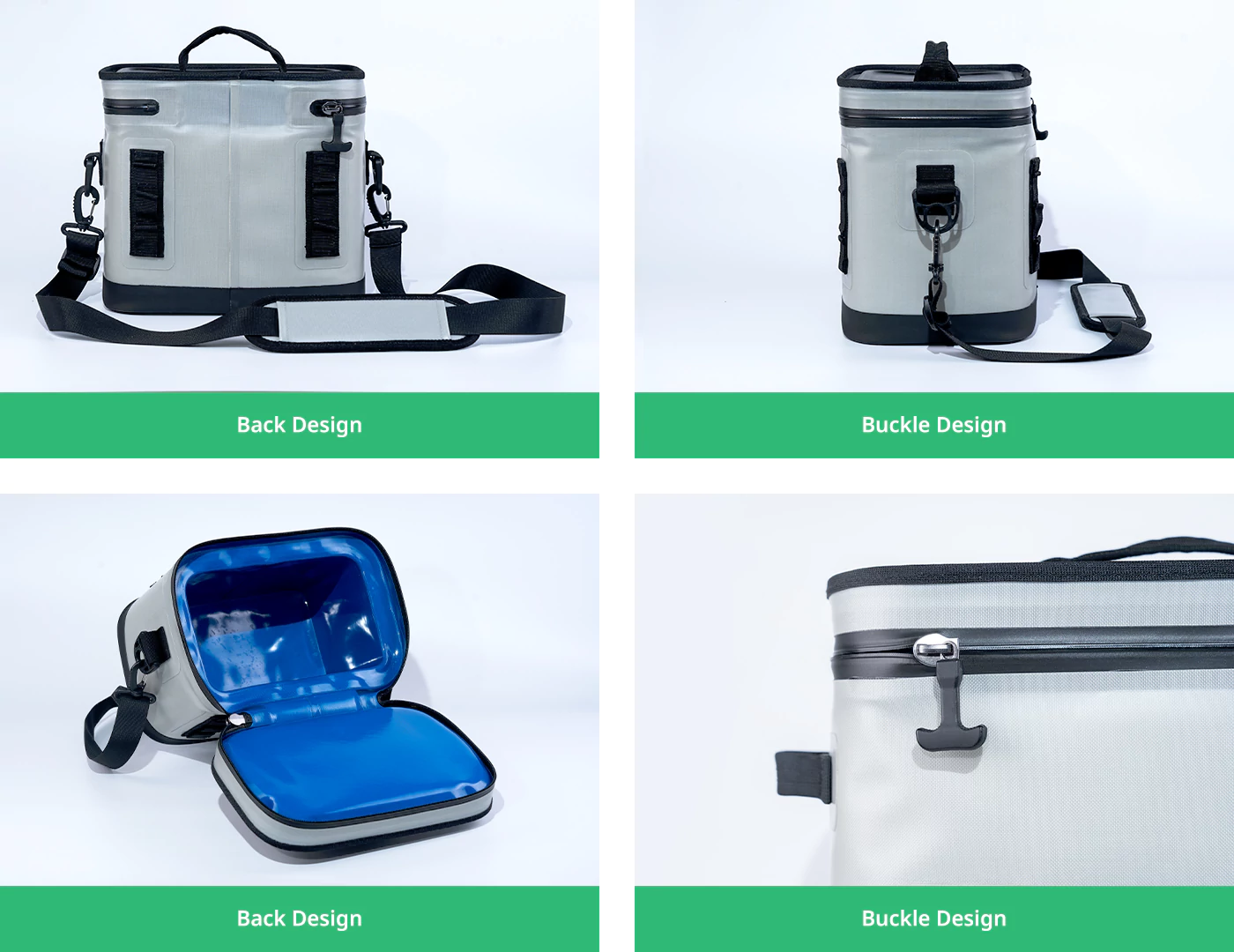
B2B Procurement Checklist: Avoiding Sourcing Pitfalls
When selecting a custom camping cooler bag manufacturer, minor oversights during factory audits can lead to catastrophic field failures. Work through this technical checklist before issuing your initial purchase order:
- Verify Seamless High-Frequency (RF) Welding: Traditional needle stitching punctures outer shells and inner liners, allowing melted ice to leak into the insulation. True leakproof cooler bag wholesale construction demands RF or hot-air welded seams that fuse materials at the molecular level.
- Audit Tariff Mitigations: Relying on a single manufacturing origin leaves your landed cost exposed to trade shifts. Partnering with an outdoor cooler bag manufacturer Cambodia facility protects your product margins against sudden tariff increases.
- Evaluate Prototyping Transparency: Prototyping technical gear requires 12 to 30 days to source proper TPU fabrics, calibrate weld dies, and fit airtight zippers. Be cautious of suppliers quoting two-day turnarounds, as they often rely on stock patterns and off-the-shelf thin foams.
- Demand GRS Documentation for Recycled Materials: If you sell custom rPET cooler bags, verify valid Global Recycled Standard Transaction Certificates (TCs) for the outer fabric, webbing, and insulation. Unverified recycled claims expose your brand to regulatory scrutiny and consumer backlash.
- Review Thermal Testing Protocols: Require suppliers to provide thermal decay chamber reports. Professional manufacturers test coolers loaded with standard ice-to-payload ratios in 40°C (104°F) environmental chambers to prove retention claims.
Frequently Asked Questions
Q1: Why is high-frequency welding essential for technical camping cooler bags?
A1: Standard sewing machines pierce fabrics with needles, leaving thousands of tiny puncture holes. Melted ice seeps through these holes into the internal foam, breeding mold and ruining thermal retention. High-frequency welding uses electromagnetic energy and pressure to bond TPU or PVC layers together, creating completely waterproof, airtight seals that prevent internal and external leaks.
Q2: How does a dual-hub manufacturing strategy lower supply chain costs?
A2: Sourcing through a dual-hub supplier like Weierken balances advanced engineering with tariff optimization. Complex product design and rapid material sourcing happen within China's mature raw-material ecosystem. High-volume manufacturing then runs in Cambodia, taking advantage of lower import tariffs into Western markets without sacrificing structural quality.
Q3: What insulation materials maintain ice retention for 48 to 72 hours?
A3: Cheap open-cell sponge foam compresses easily and absorbs water, losing its thermal resistance. Professional outdoor coolers rely on high-density closed-cell NBR or PVC foam, typically 20mm to 30mm thick. The closed-cell structure traps gas inside separate pockets, preventing ambient heat from penetrating while avoiding water absorption even if the inner liner is punctured.
Q4: What is the typical production timeline for custom outdoor cooler bags?
A4: Developing a ground-up technical cooler design takes 12 to 30 days for pattern creation, tooling adjustments, and leak testing. Once the sample is approved, bulk manufacturing generally takes 45 to 60 days. This schedule allows for custom fabric lamination, precision die-cutting, high-frequency welding, pressure testing, and final quality control packaging.
Q5: Can rPET fabrics perform as well as virgin nylon or polyester in soft coolers?
A5: Yes. Certified rPET (recycled polyethylene terephthalate) made from post-consumer plastic bottles matches the tensile and tear strength of virgin polyester when properly laminated. When backed with a tough TPU film, rPET provides exceptional abrasion resistance, water repellency, and eco-friendly branding without compromising leakproof durability.
Q6: What does DDP (Delivered Duty Paid) shipping cover for outdoor brands?
A6: Under DDP terms, the manufacturer assumes full responsibility for the freight process. This includes factory pickup, export customs, ocean shipping, port clearance, import duty payment, and local ground delivery to your fulfillment center. Brands do not need in-house logistics teams to navigate complex international shipping lanes.
Plan Your 2026 Product Line with Weierken
Launching a standout thermal cooler line demands manufacturing reliability, disciplined engineering, and competitive landed costs. Partnering with the right factory turns complicated technical designs into durable, market-ready products that elevate your brand reputation.
Weierken provides the high-frequency welding precision, dual-hub tariff savings, and strict quality control your brand needs to lead the outdoor market in 2026. Contact our technical team today to review your tech pack, request material swatches, or get a firm DDP quote for your next production run.