

Sustainability is no longer a choice for modern brands; it is a global mandate. In this environment, finding a GRS certified factory has become the industry standard for verifying recycled content, social responsibility, and chemical management. However, holding a piece of paper does not automatically make a supplier reliable. At weierken, we understand that true compliance happens on the factory floor, not just in a filing cabinet.
As a seasoned supply chain auditor, I have seen many "paper-perfect" facilities that crumble under a physical inspection. This guide takes the perspective of a B2B buyer. We will break down how to use systematic auditing to find a GRS certified factory you can actually trust. We want to help you move beyond the certificate and into genuine transparency.
Why You Cannot Rely Solely on a Certificate
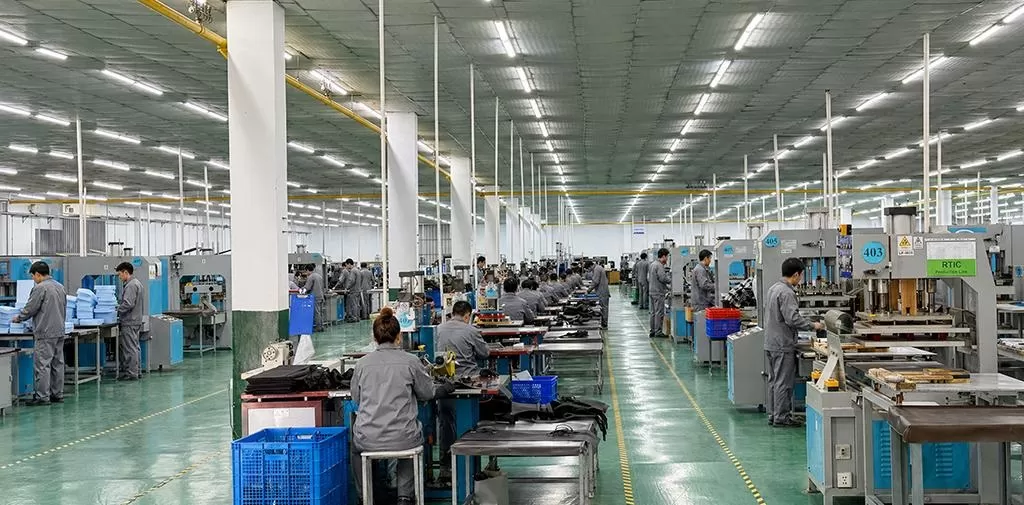
A GRS certificate is issued by third-party bodies, but audits usually occur only once a year. Some factories stop maintaining their material balance records or wastewater logs the moment the auditor leaves. If you choose a supplier based only on a PDF, you risk falling into the trap of "document compliance" versus "operational reality."
Physical audits remain the only way to verify continuous compliance. A GRS certified factory must demonstrate that its recycled polyester or recycled cotton remains segregated from virgin materials 24/7. Without a surprise visit or a deep-dive audit, you cannot guarantee the integrity of your final product.
Three Key Preparations Before the Audit
Before you book a flight or hire a third-party inspector, you need to gather specific intelligence. Preparation separates professional buyers from amateurs. Here is what you need to collect from a potential GRS certified factory:
Scope Certificate (SC): Check if the certificate covers the specific product categories and processes (spinning, weaving, dyeing, sewing) you need. Ensure the recycled content percentage meets your brand's minimum threshold, typically 20% for labeling.
Transaction Certificate (TC) Samples: Ask for TCs from the previous year. A Transaction Certificate is the only way to prove that the recycled raw materials were actually purchased and sold. It links the supply chain together.
Risk Profiling: Investigate the factory’s location. Does the region have strict environmental enforcement? Has the factory switched certification bodies recently? A sudden change in auditors can sometimes be a red flag for "audit shopping."
Five Core Pillars of a Field Audit
1. Physical Traceability System
The core of a GRS certified factory is its ability to track material from warehouse entry to final shipping. Auditors look for clear segregation. Recycled materials should have dedicated storage areas with prominent labels. We look for "material isolation" during the production process.
Common issues include mixing recycled chips with virgin chips or failing to clean machines between runs. If the factory cannot show a clear chain of custody, the GRS claim is invalid. At weierken, we prioritize factories that use color-coded bins or digital tracking to eliminate human error.
2. Recycled Content Verification
We perform a "backward trace" on a random batch of finished goods. The auditor picks a box from the shipping area and demands the Bill of Materials (BOM), production orders, and warehouse out-logs. We calculate the material balance to ensure the math adds up.
The formula is simple: Total Recycled Input = (Finished Product Content + Allowed Process Loss). If a GRS certified factory produces more recycled products than they have purchased in raw materials, they are likely "topping up" with virgin fibers. This is a major compliance failure.
3. Chemical and Wastewater Management
The GRS standard is unique because it includes strict environmental requirements. A GRS certified factory must follow the ZDHC (Zero Discharge of Hazardous Chemicals) MRSL or equivalent. We inspect the wastewater treatment plant (WWTP) to see if it is actually running.
Check the chemical storage room for unauthorized substances. An old trick is to look at the sludge disposal records. If a factory claims to be dyeing large volumes of fabric but has no sludge records for months, they are likely bypassing their treatment system. Use your nose; a pungent chemical smell near the drains usually indicates trouble.
4. Social Compliance and Labor Rights
Social responsibility is 50% of the GRS standard. We verify if the GRS certified factory pays legal wages and follows overtime limits. weierken insists on interviewing workers privately, away from management oversight. This is where the truth about "forced overtime" or "withheld bonuses" comes out.
Auditors cross-reference timecards with electricity bills. If the factory's machines were running all night but the timecards show everyone went home at 5:00 PM, the records are forged. We also check Fire Safety and PPE (Personal Protective Equipment) usage to ensure a safe working environment.
5. Document Integration and Consistency
A reliable GRS certified factory maintains a "paper trail" that is impossible to fake. The production daily reports, QC inspection sheets, and warehouse receipts must all share the same batch numbers and dates. Inconsistencies suggest that the factory is creating documents after the fact to satisfy the auditor.
The Four-Step Audit Process
A standard audit of a GRS certified factory usually takes a full day. Efficiency is key to capturing the true state of the facility. We recommend following this timeline:
Opening Meeting (30 Mins): Review certificates, confirm the scope, and understand the factory’s organizational structure.
Floor Walkthrough (1.5 - 2 Hours): Start at the warehouse, then move through production, the wastewater plant, and finally the chemical stores. Do not let management lead the path; choose your own turns.
Document Review (1 - 2 Hours): Deep dive into TCs, purchase invoices, Material Balance Sheets, and payroll. Look for the "Golden Thread" that connects the raw material to the finished invoice.
Worker Interviews & Closing (1 Hour): Speak with at least 5 workers from different departments. Present the Corrective Action Plan (CAP) to the factory owner.
"Red Flags": The Instant Fail Criteria
During your search for a GRS certified factory, certain findings should end the relationship immediately. These "Red Flags" indicate a fundamental lack of integrity. If you see these, walk away:
Physical mixing of recycled and virgin materials without any labeling or isolation records.
Refusal to provide historical Transaction Certificates or hiding supplier names on raw material invoices.
Evidence of "bypass pipes" in the wastewater system or a treatment plant that is clearly covered in dust and unused.
Discovery of child labor or locked fire exits during working hours.
Dual bookkeeping where the factory shows one set of records to auditors and another to the owner.
Advice for Long-term Cooperation
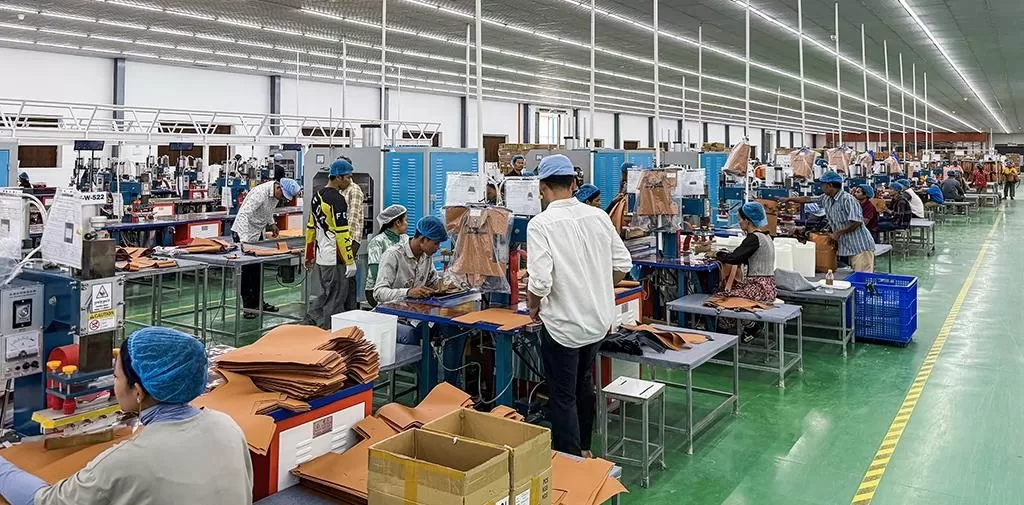
Securing a GRS certified factory is just the beginning. To protect your brand, you must maintain active oversight. We suggest writing "unannounced audit" clauses into your supply contracts. This allows you to check the recycled material flow at any time without giving the factory weeks to "clean up."
Additionally, ask for access to the certification body's digital portal (like CU's portal). This allows you to monitor the status of TCs in real-time. Finally, create a supplier scorecard. Grade your GRS certified factory on traceability, social ethics, and environmental performance. Only the highest-scoring suppliers should receive your bulk orders.
At weierken, we believe that sustainability is built on trust, but verified by data. By following this auditing framework, you ensure that your "Green" products are truly green. This protects your reputation and builds a resilient supply chain for the future.
Common Questions About GRS Certified Factories
1. What is the difference between an SC and a TC?
An SC (Scope Certificate) proves the factory is qualified to produce GRS goods. A TC (Transaction Certificate) proves that a specific shipment actually contains the recycled content claimed. You need both to ensure compliance for a GRS certified factory.
2. Can a factory use the GRS logo with only 20% recycled content?
Yes, the minimum threshold to be a GRS certified factory is 20% recycled content. However, to use the GRS logo on the final consumer product, the item must usually contain at least 50% recycled material. Always check the latest Textile Exchange labeling guidelines.
3. How long does it take to get a Transaction Certificate (TC)?
Typically, a GRS certified factory applies for a TC after the goods have shipped. It can take anywhere from two weeks to two months depending on the certification body (like IDFL or Control Union). Delayed TCs are a common pain point in sustainable sourcing.
4. Does GRS certification cover environmental impact?
Yes. Unlike the RCS (Recycled Claim Standard), GRS includes strict requirements for chemical management, wastewater treatment, and social responsibility. This makes a GRS certified factory a more comprehensive choice for ethical brands.
5. What happens if a factory fails a GRS audit?
If a GRS certified factory has major non-conformities, their certificate may be suspended or withdrawn. They will be unable to issue TCs for your orders until they pass a follow-up audit and prove they have corrected the issues.
6. Why is the material balance calculation so important?
It is the only mathematical way to detect fraud. If a factory buys 1,000kg of recycled yarn but sells 1,200kg of "recycled" sweaters, the 200kg difference is proof of non-compliance. A reliable GRS certified factory must account for every gram of material.
Finding a trustworthy partner in the sustainable textile industry requires diligence and expertise. If you are looking for a GRS certified factory that prioritizes transparency and high-quality production, weierken is here to help. Our team ensures that every step of the process meets the highest international standards.
Ready to secure your sustainable supply chain? Contact us today to discuss your project requirements or to request a sample of our certified materials.
Inquiry Now
Are you looking for a reliable GRS certified factory for your next collection? Don't leave your brand's reputation to chance. Request a quote or schedule a consultation with our compliance experts at weierken today!