
Dairy products like fresh milk, Greek yogurt, and artisanal cheeses require strict temperature management. Even brief exposure to warm temperatures can trigger bacterial growth, leading to spoiled shipments and unhappy customers. For businesses distributing these perishables, a standard bag is not enough.
An experienced dairy thermal tote maker does not just stitch fabric together. Instead, they engineer reliable barrier systems designed to slow down heat transfer. At weierken, we focus on developing high-performance cold chain packaging for dairy that preserves product quality from the warehouse to the consumer's doorstep.
This article explains the materials, manufacturing techniques, and quality control steps that professional manufacturers use to keep dairy products safe and cold during transit.
1. Material Science and Layering in Thermal Packaging
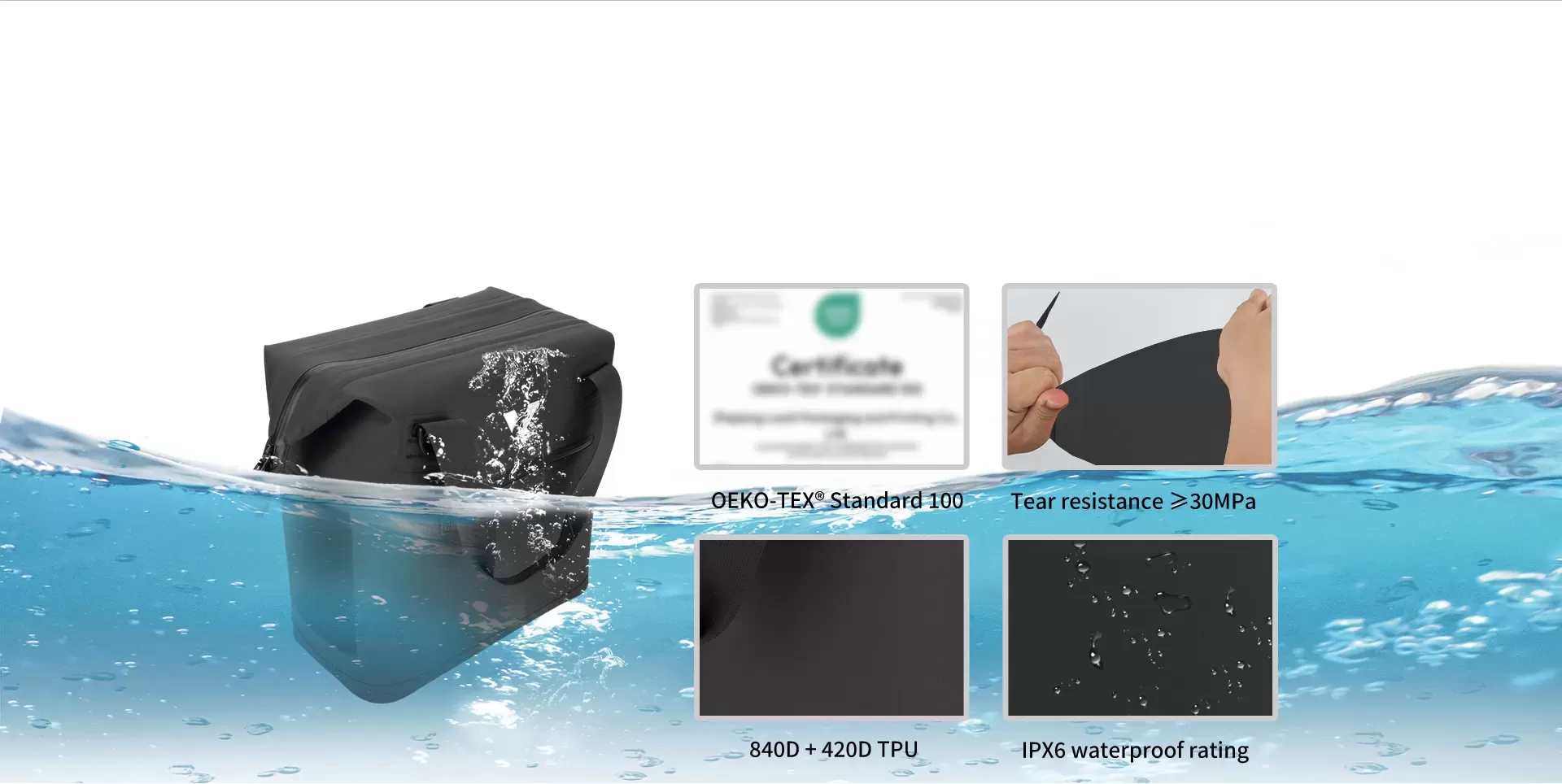
Thermal performance starts with material selection. To block external heat, a dairy insulated bag manufacturer uses a multi-layered fabric structure. Each layer has a specific job in resisting heat transfer by conduction, convection, and radiation.
The Outer Layer: Durability and Moisture Resistance
The exterior of the tote must withstand rough handling during delivery. Manufacturers typically use high-density Oxford fabrics (such as 600D or 900D) or durable non-woven materials. We apply a water-resistant polyurethane (PU) coating to this layer.
This coating serves two purposes:
It stops external rainwater or dirt from soaking into the insulation layer.
It contains internal condensation, preventing the outside of the bag from feeling damp.
The Core Insulation Layer: Restricting Heat Flow
The middle layer determines how long the bag can keep products cold. Most manufacturers rely on Expanded Polyethylene (EPE) foam or Polyurethane (PU) foam. EPE foam contains tiny, closed air pockets that slow down conductive heat transfer.
We select the thickness of this foam based on the required delivery window:
3mm EPE Foam: Best for short-distance home deliveries lasting 2 to 4 hours.
5mm EPE Foam: The standard choice for grocery deliveries lasting up to 6 hours.
8mm or 10mm EPE/PU Foam: Designed for long-haul shipping or high-ambient temperatures, protecting goods for 8 to 12 hours.
The Inner Lining: Radiant Barriers and Food Safety
The inside layer must reflect radiant heat away from the dairy products. Excellent thermal bags use aluminum foil or highly reflective PET film linings. This silver surface reflects up to 97% of radiant heat.
When sourcing food-grade thermal tote wholesale supplies, safety is crucial. The inner lining must comply with FDA or LFGB food safety regulations. Since milk cartons or cheese packaging can sometimes leak, the liner must be non-toxic, easy to wipe clean, and resistant to mold growth.
2. Advanced Manufacturing and Sealing Technologies
High-quality materials lose their effectiveness if warm air leaks into the bag. A professional dairy thermal tote maker pays close attention to how the bag is assembled and sealed.
Seamless Bonding vs. Traditional Stitching
Traditional sewing needles puncture the fabric, leaving thousands of tiny holes. These holes create "thermal bridges" where cold air escapes and warm air enters. Over time, melted ice or condensation can also leak through these stitched seams.
To solve this, weierken uses high-frequency welding or ultrasonic heat sealing on the inner linings. This process uses heat and pressure to fuse the materials together, creating a completely seamless, waterproof interior. This prevents leaks and keeps the cold air locked inside.
Precision Closure Systems
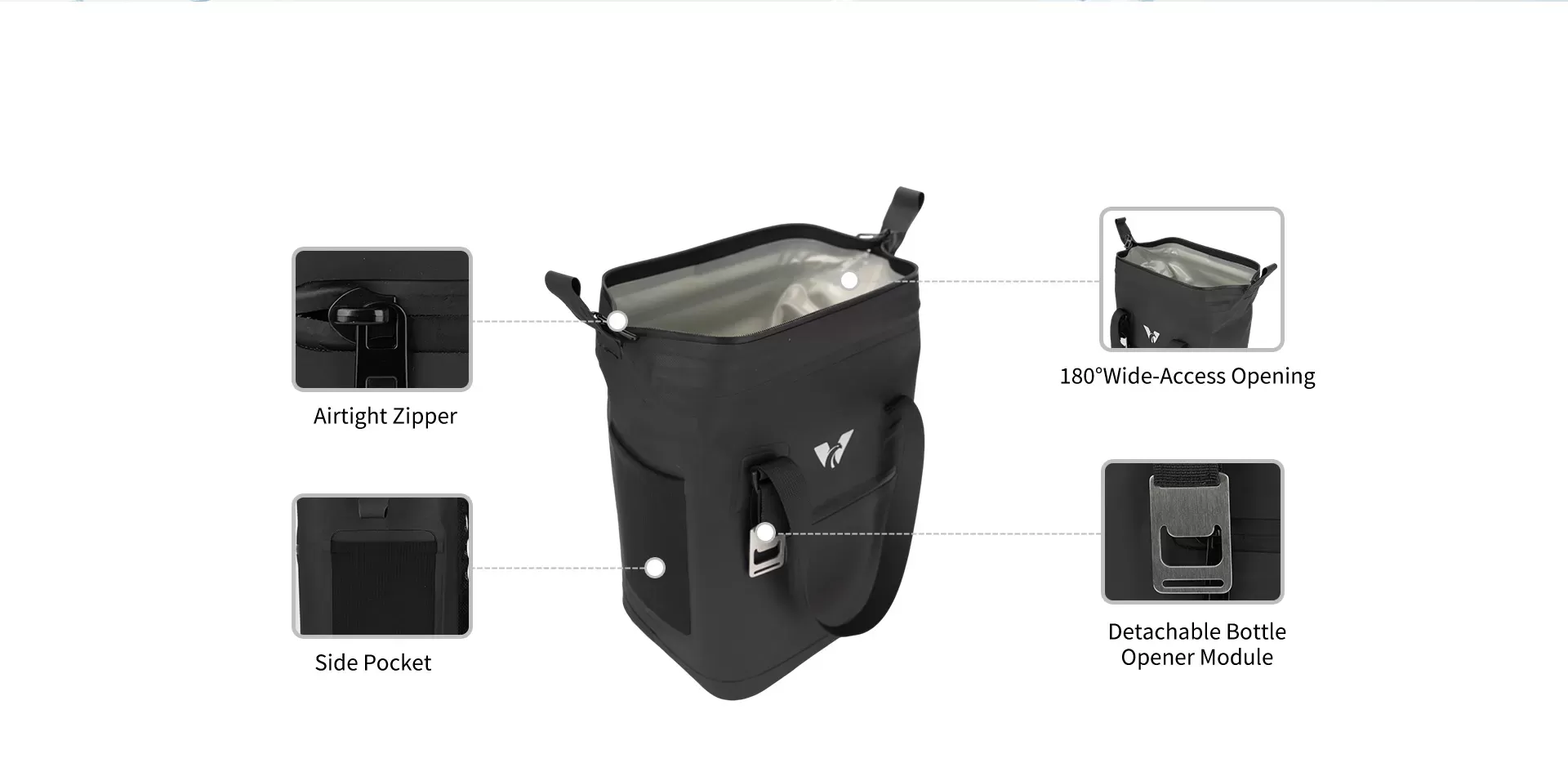
The zipper area is often the weakest point in a thermal bag's insulation. To minimize air exchange, manufacturers use specialized closure designs:
Water-Resistant Zippers: These zippers feature rubberized tracks that press together to block outside air.
Insulated Zipper Flaps: An internal padded flap covers the zipper line, stopping thermal transfer along the seam.
Heavy-Duty Hook-and-Loop Closures: For quick-access delivery bags, wide industrial Velcro strips offer a tight, reliable seal.
3. Empirical Testing and Quality Validation
A reliable dairy insulated bag manufacturer does not rely on guesswork. We test our products using environmental simulation chambers to verify their performance under real-world delivery conditions.
Thermal Chamber Simulations
In our testing facility, we place prototype bags inside a temperature-controlled chamber. We set the chamber to simulate a hot summer day, often keeping it at a constant 30°C to 35°C (86°F to 95°F). Inside the bags, we place temperature sensors next to milk cartons or yogurt tubs.
Objective Performance Data
We use this sensor data to create heat absorption curves. Rather than claiming perfect protection, we share realistic performance data with our B2B partners. For example, our testing shows that a 5mm EPE foam bag, when used with standard gel ice packs in a 30°C environment, can keep milk between 4°C and 6°C for up to 6 hours.
This data helps fleet managers and logistics companies choose the exact bag specifications they need, preventing spoiled dairy shipments and reducing product waste.
4. Customization and Regulatory Compliance for B2B Operations
Commercial dairy distributors have unique requirements. A qualified manufacturer must offer tailored designs and meet international manufacturing standards.
Space Optimization and Custom Sizing
We design customized dairy cooling bags to fit specific bottle or carton dimensions. Reducing the amount of empty air space inside the bag is critical. Less air inside means the cooling packs work more efficiently, keeping the dairy products colder for longer periods.
We can add internal dividers, elastic straps to keep milk bottles upright, and external pockets for delivery paperwork or dry ice packs.
Industry Standards and Certifications
B2B buyers need to know that their packaging suppliers follow strict quality and ethical standards. When ordering bulk thermal bags for milk, look for manufacturers who hold the following credentials:
ISO 9001: Verifies that the factory maintains a consistent quality management system.
BSCI (Business Social Compliance Initiative): Confirms fair and ethical working conditions in the manufacturing facility.
REACH / RoHS Compliance: Guarantees that the fabrics and plastics used in the bags are free from harmful chemicals.
Choosing a Reliable Thermal Packaging Partner
Selecting the right thermal packaging is an investment in your brand's reputation. Spoiled milk or warm cheese can quickly damage customer trust. By partnering with a dedicated dairy thermal tote maker like weierken, you get access to scientifically tested, durable, and food-safe delivery bags.
We work closely with logistics managers to design bags that meet specific transit times, physical dimensions, and budget constraints. Let us help you keep your cold chain secure from the first mile to the last.
Are you looking to upgrade your dairy delivery packaging? Contact weierken today to discuss your requirements, get expert design advice, or request a physical sample for your own testing.
Request a Custom Quote
Our team is ready to assist you with customized sizes, material selections, and bulk pricing for your dairy distribution needs.
Email us: service@weierkenbag.com | Or submit an inquiry directly through our website contact page.
Frequently Asked Questions
How long can a dairy thermal tote keep fresh milk cold?
The cold-retention time depends on the foam thickness and the use of ice packs. A standard 5mm EPE foam bag can maintain safe dairy temperatures (under 6°C) for 4 to 6 hours in moderate weather. Using thicker 8mm foam and gel coolants can extend this window up to 8 to 12 hours.
What is the difference between EPE and PU foam for insulation?
EPE (Expanded Polyethylene) foam is lightweight, flexible, and cost-effective, making it the most popular choice for grocery delivery bags. PU (Polyurethane) foam offers higher thermal resistance (R-value) but is stiffer and more expensive. PU is usually reserved for long-distance shipping or heavy-duty catering applications.
Are the inner linings of these bags safe for direct food contact?
Yes. A reputable manufacturer uses food-grade aluminum foil or PEVA linings that are FDA-approved and LFGB-certified. These materials do not leach harmful chemicals and are easy to clean and sanitize after use.
Can we print our brand logo on bulk thermal bags for milk?
Yes, we offer full OEM services. We can print your brand logo, custom colors, and delivery instructions using silk-screen printing, heat-transfer printing, or durable rubber badges.
How do high-frequency welded seams compare to sewn seams?
Sewn seams require needles that puncture the fabric, creating tiny pathways for cold air to escape and liquids to leak. High-frequency welding melts the layers together, creating a completely airtight, waterproof seal that improves thermal performance and prevents leakage.