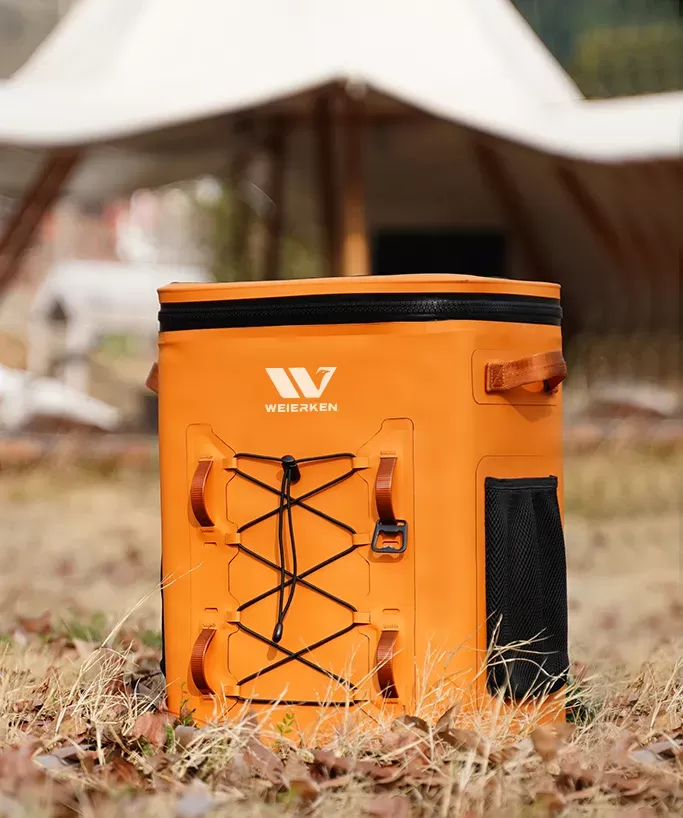

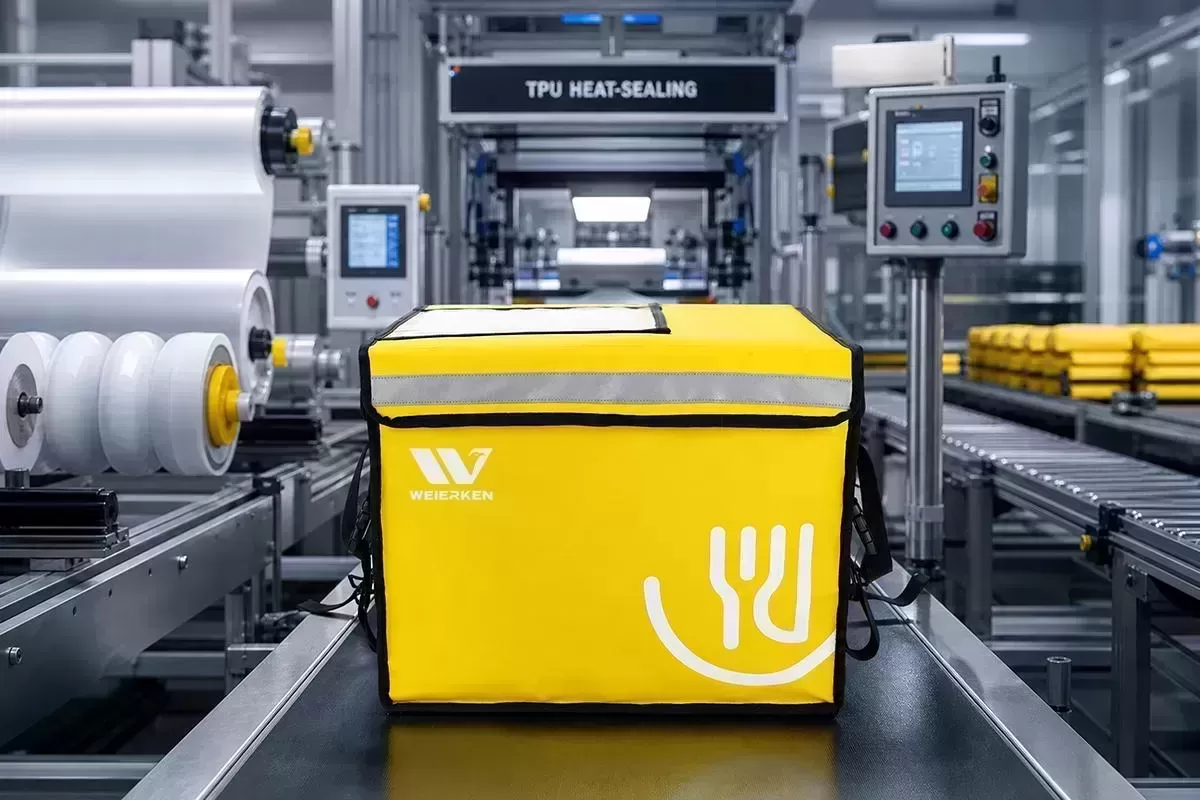
In high-volume commercial food delivery, visual inspections are not enough to guarantee performance. A bag that looks durable on a showroom floor can easily fail during a rainy weekend rush. Seams can split, zippers can jam, and poor insulation can cause food temperatures to drop below safe limits.
For quality assurance managers and procurement directors, objective data is essential. Working with a professional catering delivery bag maker who uses verified testing standards helps protect your food safety. True product quality is proven through laboratory testing and standardized testing protocols.
At weierken, we evaluate our delivery products using precise scientific testing. We understand that our commercial clients rely on our equipment to protect their delivery operations. In this guide, we discuss the essential quality control and durability tests that a reputable manufacturer should perform.
1. Thermodynamic Testing: Verifying Real-World Insulation Performance
The primary job of any delivery bag is thermal retention. A qualified catering delivery bag maker must verify thermal performance using environmental testing chambers rather than simple estimates.
Environmental Chamber Simulation
A climate chamber simulates extreme real-world delivery environments. Technicians place the test bag inside a chamber set to hot summer temperatures (40°C) or freezing winter conditions (-10°C).
During the test, we place containers filled with water or simulated food heated to 75°C inside the bag. We then monitor how long the interior temperature stays above the critical food safety threshold of 60°C. This helps buyers understand how far their delivery fleet can travel before food temperatures become unsafe.
Multi-Channel Temperature Mapping
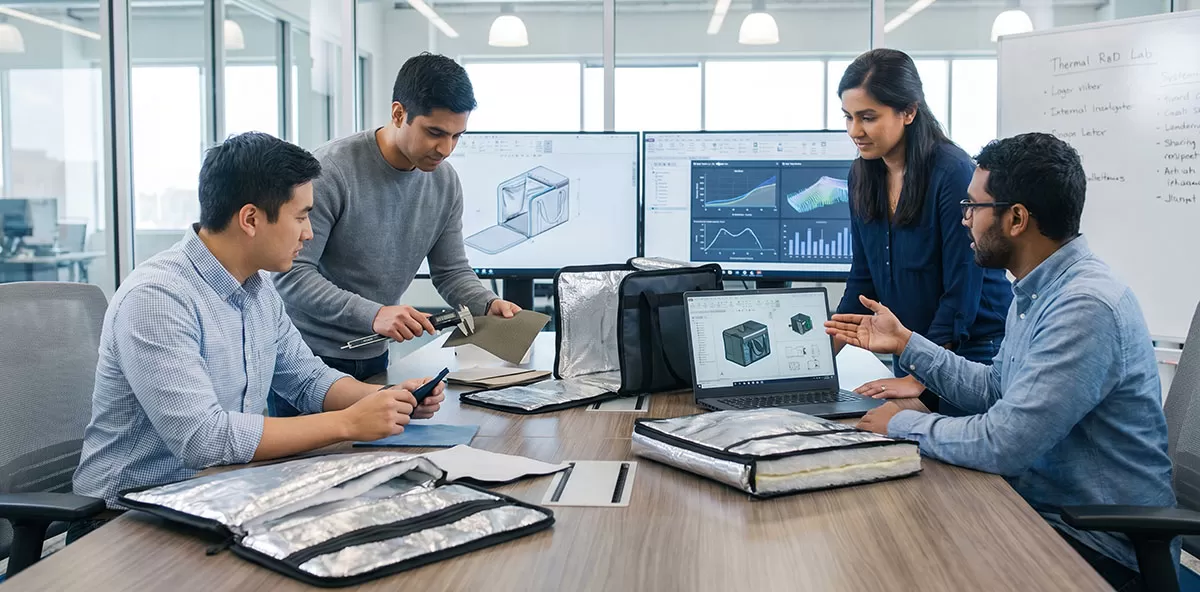
Bags often have inconsistent temperature zones, with corners and zipper lines losing heat faster than the center. To address this, a professional catering delivery bag maker uses multi-channel temperature loggers.
Sensor Placement: Sensors are placed at the top, bottom, corners, and center of the bag interior.
Uniformity Check: The system records temperature changes across all sensors simultaneously.
Cold Spot Identification: This data highlights insulation weaknesses around zippers, seams, or access flaps.
Analyzing temperature differences across the bag interior helps designers adjust insulation thickness where heat loss is highest.
2. Physical Durability Testing: Simulating Logistics Wear
Delivery couriers handle transport bags roughly during busy shifts. The bags are opened repeatedly, dropped, and exposed to vibration on the back of motorcycles. This demanding daily use requires comprehensive thermal bag durability test protocols.
Reciprocating Zipper Cycle Tests
Zippers are a common failure point on commercial bags. A broken zipper compromises temperature control and makes the bag unusable.
To prevent early wear, quality manufacturers use mechanical testing rigs to open and close zippers continuously. A reliable catering delivery bag maker requires zippers to survive 5,000 to 10,000 cycles without jamming, teeth misalignment, or fabric tearing.
Tensile Strength and Jerk Testing
The handles and shoulder straps must support heavy loads, such as multiple liquid containers and metal trays. To test this, we load the bag with up to 1.5 times its rated capacity.
A static test hangs the weighted bag for several hours to check for handle stretching. A dynamic "jerk test" uses a machine to drop and catch the bag repeatedly, simulating the bouncing motion of a motorcycle riding over speed bumps. The straps, buckles, and D-rings must survive these tests without cracking or tearing.
At weierken, we perform these structural tests on all of our load-bearing assemblies before starting bulk production. This process helps us identify and reinforce weak areas early on.
Abrasion Resistance and Drop Tests
The exterior fabric must withstand friction from motorcycle racks and concrete pavements. Manufacturers use the Martindale method to rub fabric samples against an abrasive surface under pressure.
For commercial use, the fabric should withstand thousands of rubs without thinning or tearing. In addition, drop testing from heights of up to 1.5 meters ensures the internal panels, baseboards, and structural corners do not crack if dropped from a delivery vehicle.
3. Food Safety and Cleanliness Testing: The Compliance Baseline
Because these bags transport hot food, the materials must meet strict safety guidelines. Chemical safety and easy sanitization are essential requirements for food logistics.
Material Migration and Toxicological Screening
High temperatures and humidity can cause some synthetic liners to release volatile chemicals. A reliable catering delivery bag maker must use food-contact safe liners.
Regulatory Compliance: Liners must pass FDA, LFGB, or REACH certifications.
Chemical Migration Tests: Lab tests check that no plasticizers, heavy metals, or harmful chemicals transfer to food containers under high heat.
Odor Testing: Heating the bag interior ensures the materials do not release strong odors that could affect food flavor.
Hydrostatic Pressure and Leak-Proof Testing
Spilled liquids can seep into internal insulation foam, causing bacteria and mold growth over time. This makes effective leak-proof testing essential.
Quality control teams fill the welded inner lining with water and leave it for several hours to check for leaks. Some factories also use hydrostatic pressure tests to verify that the welded seams can withstand water pressure without leaking.
Testing the liner's resistance to commercial disinfectants is also important. This ensures the material does not degrade, crack, or lose its water-resistant properties after daily sanitizing wipes.
4. B2B Sourcing Advice: Reviewing Manufacturer Quality Reports
When choosing a commercial delivery bag quality control partner, B2B buyers should request documented test reports instead of accepting verbal promises.
Evaluating Third-Party Lab Reports
Ask prospective manufacturers for recent, independent test reports from respected testing organizations like SGS, TÜV, or Intertek. These reports provide objective proof of material durability, chemical safety, and water resistance.
Make sure the testing reports match the exact material specifications of the bags you plan to purchase. A test report for a lightweight fabric does not guarantee the performance of a heavy-duty model.
Establishing Acceptable Quality Limit (AQL) Standards
For large custom orders, your purchase agreement should include a clear quality inspection plan based on international standards like ANSI/ASQ Z1.4.
Define clear standards for minor defects (like slight thread frays) and major defects (such as faulty zippers or damaged seams). Setting these criteria before production ensures a reliable manufacturing process and consistent product quality for your delivery fleet.
Frequently Asked Questions
1. What is an environmental chamber test for delivery bags?
This test places a delivery bag in a temperature-controlled room to simulate hot or cold weather. It monitors how well the bag's insulation maintains food temperatures over a set delivery period.
2. Why should a catering delivery bag maker perform multi-channel temperature tests?
This test uses multiple sensors to check temperatures throughout the bag. It helps identify "cold spots" around zippers, seams, and corners where heat might escape faster.
3. What is a "jerk test" for delivery bags?
A jerk test uses a machine to drop and catch a fully loaded bag repeatedly. This simulates the stress placed on handles and straps when a courier rides over bumps and uneven roads.
4. How do manufacturers verify that inner liners are food-safe?
A reliable catering delivery bag maker sends liner materials to third-party labs to check for compliance with FDA or LFGB standards. These tests verify that the liners do not release harmful chemicals or odors under heat.
5. What is AQL and how does it help B2B buyers?
AQL (Acceptable Quality Limit) is a statistical standard for inspecting a random sample from a large order. It defines the maximum number of defects allowed before an entire shipment is rejected.
Secure Your Delivery Network with Certified Quality
Choosing the right transport gear is a long-term investment in your brand's delivery service. Partnering with a manufacturer that uses rigorous insulated bag testing standards helps protect your food safety and reduces equipment replacement costs.
At weierken, we focus on reliable product testing and material quality. We help catering chains, ghost kitchens, and food platforms build durable, safe delivery networks.
If you need certified, durable delivery equipment for your business, our engineering team is here to assist. Contact us today to discuss your testing requirements, request a sample, or get a production quote.