
![The 5 Best Types of Cold Chain Bags for Meat Delivery Compared [2026 Guide]](https://weierkenbag.com/storage/group_1773856485320/202604/DBS15-1.webp "The 5 Best Types of Cold Chain Bags for Meat Delivery Compared [2026 Guide]")
Perishable food logistics is entering a decisive transition. Direct-to-consumer (D2C) butcher subscriptions and wholesale food networks now demand strict temperature compliance. At the same time, expanding regulations like FSMA Rule 204 require verifiable temperature logs and end-to-end trace documentation.
For decades, shippers relied on rigid expanded polystyrene (EPS) foam coolers. In 2026, that habit is ending fast. Escalating municipal landfill bans, heavy plastic packaging surcharges, and massive warehouse storage requirements have made rigid foam an expensive liability.
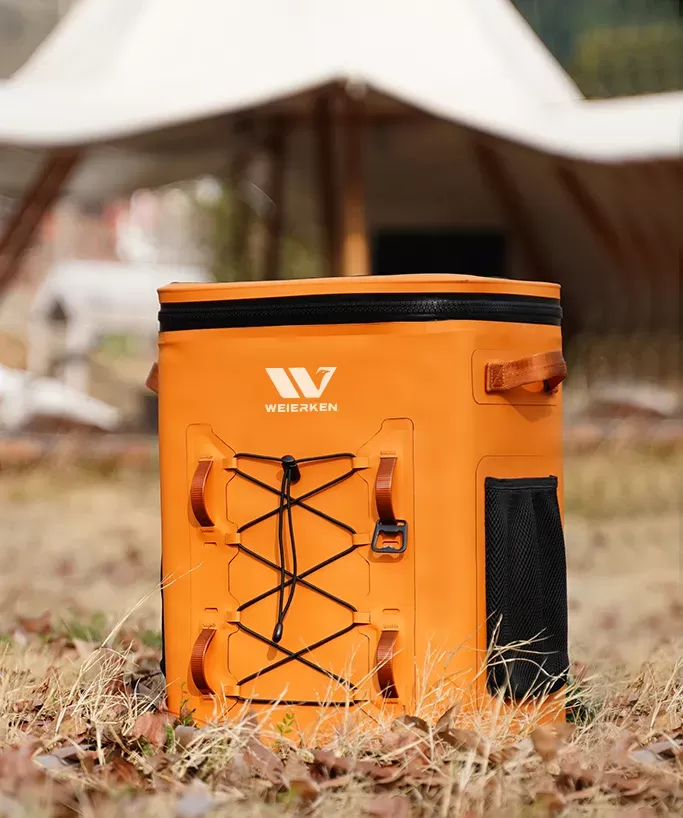
Modern fulfillment operations are shifting toward flexible cold chain bags for meat delivery. These containers reduce dead freight volume, absorb transport shocks, and preserve deep-chill safety. Leading manufacturers like Weierken are helping logistics teams transition to these advanced materials.
Below is an objective comparison of the five leading cold chain bags for meat delivery to help you select the ideal packaging model for your fulfillment lanes.
1. Heavy-Duty Seamless Welded Courier Bags
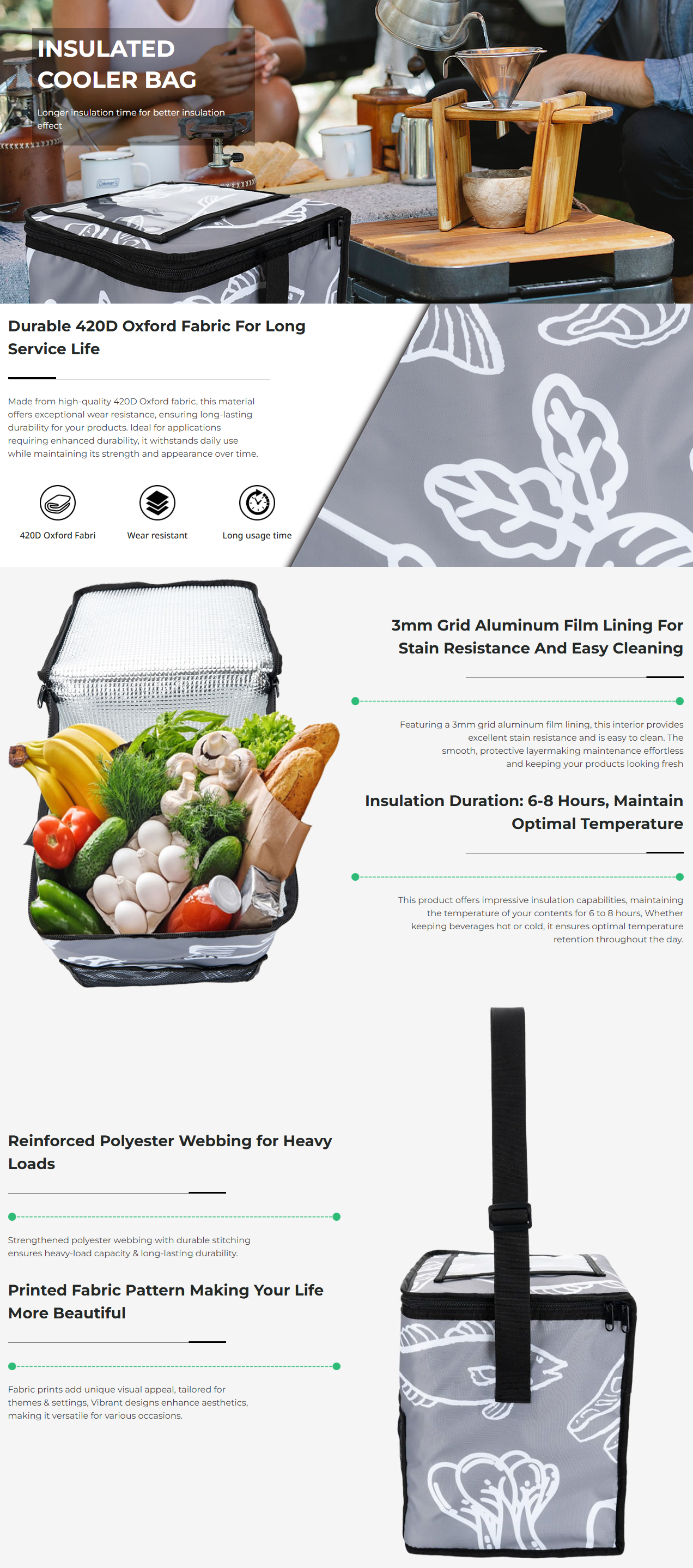
Heavy-duty seamless bags serve closed-loop, last-mile delivery routes. Built with thick thermoplastic polyurethane (TPU) or laminated PVC, these commercial meat delivery cooler bags withstand constant handling by courier fleets and grocery fulfillment hubs.
Instead of relying on threaded seams that wick moisture, factories assemble these bags using high-frequency (HF) welding. The radio-frequency energy fuses synthetic fabrics into a single monolithic sheet. This process yields an interior liner that holds liquid purge without a single needle hole.
Thermal Insulation: 15mm to 25mm high-density closed-cell EVA or NBR foam.
Hold Time: 12 to 24 hours when packed with reusable gel packs.
Leakproof Rating: 100% airtight and watertight; zero leakage through bottom or side seams.
Best Application: Local hub-to-door delivery fleets, dark stores, and returnable container programs.
While the initial unit purchase cost is higher than disposables, their multi-year lifespan dramatically slashes operating expenses. If your delivery network can manage reverse logistics, this design drives your packaging cost-per-drop to pennies.
2. Multi-Layer Foil Bubble Thermal Mailers
For high-volume e-commerce meat brands running one-way parcel shipments, multi-layer foil bubble pouches provide a lightweight, compact option. These insulated packaging for raw meat systems arrive completely flat on pallets, maximizing warehouse floor space.
The construction combines an exterior metallized polyester (PET) film with an internal heavy-gauge air bubble matrix. The shiny foil reflects up to 97% of exterior radiant heat. Meanwhile, the encapsulated air pockets slow conductive heat transfer from the delivery truck.
Thermal Insulation: Single or double-layer polyethylene bubble cores laminated to aluminum or metalized film.
Hold Time: 12 to 24 hours under moderate ambient conditions.
Leakproof Rating: Moderate. The bottom fold resists leaks, but bone-in cuts can puncture the thin film.
Best Application: Regional next-day ground delivery for pre-chilled bacon, sausages, and cured meats.
Foil bubble mailers keep dimensional weight surcharges low. However, their limited insulation thickness means they struggle during extreme summer heatwaves or multi-day transit delays.
3. Eco-Friendly and RPET Fiber Insulated Bags
Modern consumers actively scrutinize the waste generated by their monthly meat boxes. To satisfy environmentally conscious buyers, premium pasture-raised beef and regenerative ranch brands are adopting sustainable cold chain bags for meat delivery.
These bags replace conventional virgin plastics with outer shells woven from Recycled Polyethylene Terephthalate (RPET), derived from discarded water bottles. The internal thermal core utilizes compostable cotton batting, recycled natural wool fibers, or biodegradable PLA non-wovens.
Thermal Insulation: 10mm to 20mm compressed natural fiber batting or recycled fiber fleece.
Hold Time: 24 to 40 hours, rivaling traditional EPS performance.
Leakproof Rating: Requires a certified biodegradable starch liner or internal leak barrier to prevent purge absorption.
Best Application: D2C subscription butcher boxes, organic farms, and high-end poultry producers.
Using certified RPET thermal meat shipping bags protects your brand against progressive plastic taxes in North America and Europe. It also turns a routine unboxing moment into a strong brand statement.
4. Commercial Multi-Pocket Soft-Sided Coolers
Transporting multiple protein cuts inside the same shipper often leads to cross-contamination or uneven chilling. Commercial multi-pocket soft coolers solve this challenge through modular interior dividers and dedicated refrigerant sleeves.
These commercial meat delivery cooler bags feature internal webbed organizers and hook-and-loop baffles. Packers can isolate dry ice blocks away from delicate seafood while keeping vacuum-packed beef brisket directly nestled against heavy refrigerant bricks.
Thermal Insulation: 20mm closed-cell polyethylene foam paired with antimicrobial PEVA interior liners.
Hold Time: 24 to 36 hours.
Leakproof Rating: Heat-sealed tub liners stop floor pooling, though top zippers require water-resistant storm flaps.
Best Application: B2B wholesale meat distribution, restaurant provisioning, and catering delivery runs.
The separate compartments prevent dense frozen cuts from crushing lighter items beneath them during transport. This design keeps every package pristine and ready for commercial kitchen intake.
5. PCM-Integrated Ultra-Cold Chain Bags
Shipping frozen raw meat across two-to-three-day carrier zones without dedicated refrigerated vehicles requires advanced passive cooling. PCM-integrated thermal meat shipping bags bridge this operational gap.
These advanced cold chain bags for meat delivery pair micro-cellular Vacuum Insulation Panels (VIPs) with rigid Phase Change Material (PCM) plates. While standard ice packs thaw at 32°F (0°C), specialized sub-zero PCMs maintain steady plateau temperatures of -4°F (-20°C) or colder for several days.
Thermal Insulation: Hybrid VIP cores protected by impact-resistant outer ballistics nylon.
Hold Time: 48 to 72+ hours under high ambient heat.
Leakproof Rating: High. Sealed inner chambers contain purge moisture and protect sensitive VIP panels from dampness.
Best Application: Cross-country express shipping of Japanese A5 Wagyu, game meats, and export-grade frozen portions.
By eliminating the dangerous vapor pressures and airline hazard surcharges associated with dry ice, PCM systems provide reliable deep-freeze stability for your most valuable meat shipments.
B2B Comparison Matrix: Cold Chain Bags for Meat Delivery
Choosing the best packaging requires balancing physical protection against your cost per fulfillment. Review this operational matrix to match each bag type with your fulfillment logistics:
| Bag Classification | Thermal Duration | Leak Resistance | Durability / Cycle Count | Avg. Cost Per Trip | Sustainability Rating |
|---|---|---|---|---|---|
| HF Welded Seamless Bags | 18 - 24 Hours | Maximum (100% Sealed) | 500+ Trips (Reusable) | Low (Amortized) | High (Zero Waste Loop) |
| Foil Bubble Mailers | 12 - 24 Hours | Moderate (Puncture Prone) | 1 Trip (Disposable) | Low (Upfront) | Low (Mixed Materials) |
| Eco-Friendly RPET Bags | 24 - 40 Hours | High (With Coated Liner) | 1 - 5 Trips | Moderate | Excellent (Circular) |
| Multi-Pocket Soft Coolers | 24 - 36 Hours | High (Heat-Sealed Tub) | 250+ Trips (Reusable) | Low to Moderate | High (Reusable) |
| PCM-Integrated VIP Bags | 48 - 72+ Hours | High (Armored Core) | 300+ Trips (Reusable) | High Initial / Low Net | High (Long Service Life) |
Sourcing Strategies: How to Spec OEM Delivery Bags
Transitioning from concept to high-volume production requires clear manufacturing specifications. When ordering cold chain bags for meat delivery from an OEM partner like Weierken, keep these engineering factors front and center:
1. Dial In the Payload-to-Refrigerant Volume
An oversized thermal bag allows air convection currents to thaw your frozen cuts prematurely. Work with factory engineers to build snug interior footprints. Aim for a 2:1 payload-to-refrigerant volume ratio for 24-hour delivery, or a 1:1 ratio for 48-hour delivery windows.
2. Verify High-Frequency Welding Capabilities
Never rely on needle-stitched seams along the lower third of meat shipment packaging. Confirm that your leakproof cooler bag manufacturer operates high-frequency radio-welding presses. Demanding pressure-decay leak tests on sample runs will confirm that purge fluids cannot escape into the outer fabric.
3. Diversify Manufacturing to Manage Tariff Volatility
Global trade conditions can change quickly. Working with a supplier that maintains dual manufacturing bases—such as automated plants in both China and Cambodia—gives you commercial agility. Dual-country production shields your business from tariff spikes while ensuring consistent container supply during peak seasonal butcher volume.
Frequently Asked Questions
Q1: Why are companies replacing EPS foam with cold chain bags for meat delivery?
A1: EPS foam coolers crack under transit impacts, take up massive warehouse floor space, and face severe environmental bans. Modern cold chain bags for meat delivery fold flat to save storage space, absorb conveyor belt impacts without breaking, and reduce overall packaging waste.
Q2: How do seamless TPU linings stop raw meat blood leakage?
A2: Traditional needle stitching creates microscopic holes that leak fluids once ice melts or meat purges. High-frequency welding melts and fuses TPU sheeting without sewing needles. This forms a smooth, watertight internal reservoir that holds all fluids safely inside the tote.
Q3: Can insulated meat bags keep frozen cuts solid for 48 hours without a refrigerated truck?
A3: Yes. When built with high-density closed-cell foam or vacuum insulation panels (VIPs) and paired with appropriate Phase Change Materials (PCMs) or dry ice, these bags consistently keep meat frozen below 0°F (-18°C) across 48-hour ground transit routes.
Q4: How do I calculate the right amount of refrigerant for custom insulated bags?
A4: Refrigerant calculations depend on your surface-area-to-volume ratio, exterior summer ambient temperatures, and target hold duration. As a baseline, next-day shipments usually need 1 pound of coolant for every 2 to 3 pounds of meat. Cross-country two-day lanes require roughly a 1:1 coolant-to-protein ratio.
Q5: How does sourcing bags from Cambodia reduce landed packaging costs?
A5: Goods imported directly into North American and European markets from Cambodia often qualify for favorable tariff treatments compared to goods subject to Section 301 duties. Sourcing your delivery bags from dual-country manufacturers keeps landed customs costs low.
Optimize Your Cold Chain Packaging with Weierken
Every spoiled cut of meat damages your brand equity and erodes your operating margins. Choosing the right cold chain bags for meat delivery turns your packaging from a vulnerability into a dependable logistics asset.
Weierken provides turnkey OEM and ODM thermal engineering for the world's most demanding perishable food brands. With three owned factories across China and Cambodia, 80,000 square meters of production capacity, and over 3,000 skilled staff, we manufacture durable, leakproof bags built to your precise temperature specifications.
Ready to upgrade your thermal packaging performance and reduce replacement losses? Contact the engineering team at Weierken today to discuss your cold chain requirements, view physical material samples, and request a detailed OEM quotation.