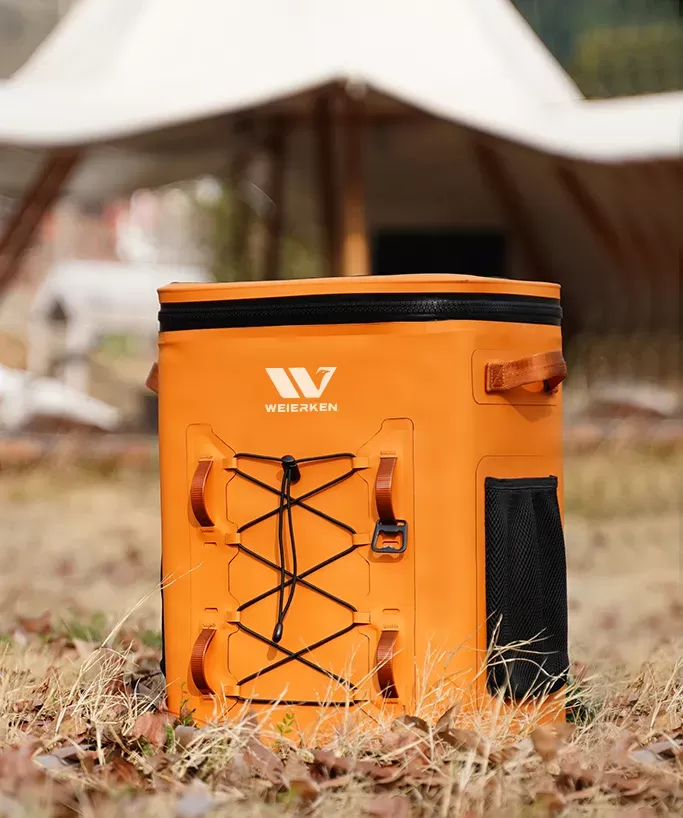

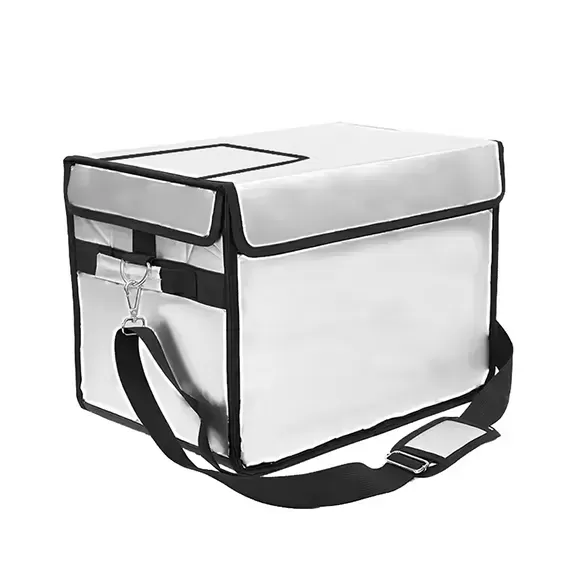
Picture your best customer opening their monthly butcher delivery. They paid $180 for dry-aged ribeyes and pasture-raised pork. What greets them on their porch?
Too often, it is a squeaking, dented expanded polystyrene (EPS) foam cooler. Tiny white beads break off and blow across the lawn. Inside, half-melted ice packs sit in puddles of thawed purge, soaking through cheap cardboard liners.
This experience creates "Styrofoam guilt." It devalues artisan proteins and frustrates eco-conscious consumers. Forward-thinking direct-to-consumer (D2C) meat businesses are shifting from disposable coolers to custom reusable cooler bags for meat brands, creating long-term brand assets instead of landfill waste.
Working alongside technical packaging manufacturers like Weierken allows subscription protein brands to rethink customer touchpoints. Here are the top five reusable cooler bags designed to modernize your unboxing and protect customer loyalty.
1. The Everyday Brand Ambassador Tote
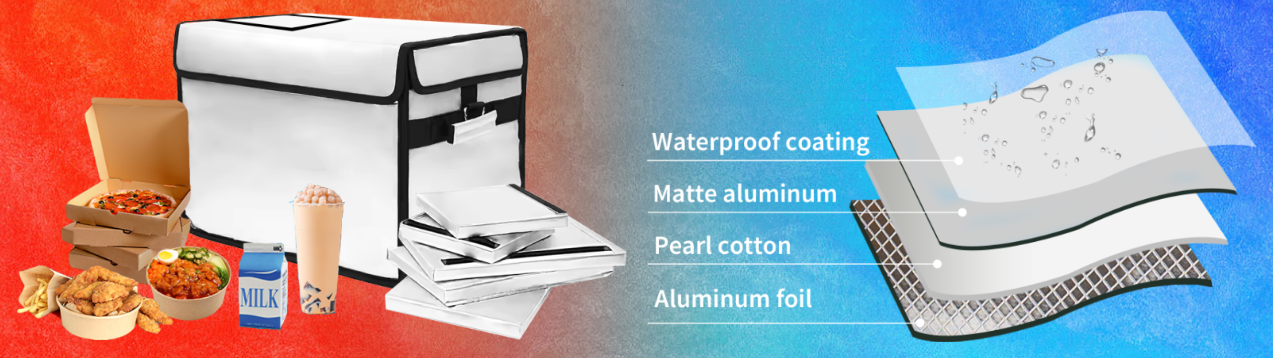
The everyday tote turns standard grocery delivery packaging into an ongoing marketing engine. When customers finish unpacking their cuts, they do not throw this bag away. They fold it, store it in their car, and carry it to local farmers' markets or neighborhood supermarkets.
This design pairs a durable 600D polyester or heavy cotton canvas exterior with an interior thermal shield. High-frequency welded seams keep meat purge completely contained, protecting the driver's trunk and the customer's kitchen counter from greasy condensation.
Structural Build: Heavy-gauge reinforced webbing handles that wrap around the bottom of the tote to carry 35 pounds of dense protein easily.
Thermal Layering: 8mm closed-cell polyethylene foam with a food-safe reflective lining for 12 to 18 hours of cold retention.
Unboxing Advantage: Clean lines and concealed top zippers give the packaging a retail-ready appearance rather than a postal mailer feel.
Best Suited For: Regional weekly subscription boxes, farm-to-door dairy and beef bundles, and local butcher delivery routes.
Every trip to the grocery store with your branded tote builds local brand awareness. Over hundreds of reuse cycles, custom reusable cooler bags for meat brands reduce customer acquisition costs across tight geographical markets.
2. The Rugged Tailgate and BBQ Soft Cooler
If you sell high-average-order-value (AOV) grill packs, American Wagyu, or whole bone-in primals, standard delivery bags feel inadequate. High-ticket orders demand commercial-grade soft coolers that look and feel like premium outdoor gear.
Engineered with puncture-resistant 840D TPU-laminated nylon, this bag handles bone-in cuts like tomahawks and ribs without tearing. A heavy-duty airtight zipper locks in freezing air and keeps warm ambient humidity out, even during sweltering mid-summer shipping delays.
Structural Build: Double-sided TPU coatings with high-frequency RF welded seams that offer zero water penetration.
Thermal Layering: 20mm to 25mm high-density NBR closed-cell insulation designed to preserve deep freeze conditions for up to 48 hours.
Unboxing Advantage: Features molded side handles, an integrated metal bottle opener, and utility loops that convert packaging into a $60 outdoor accessory.
Best Suited For: Premium curated BBQ boxes, holiday game collections, and high-ticket quarterly meat clubs.
Customers treat this cooler as an unexpected reward. It drives organic social media unboxing videos and word-of-mouth recommendations around backyard grills and campsites.
3. The Structured Gourmet Meat Hamper
Luxury food presentation requires structure. Loose cuts sliding around inside a limp pouch look messy and risk seal failures. The structured gourmet hamper maintains clean, geometric lines that frame prime steaks like fine jewelry.
Using rigid internal EVA panels or lightweight polypropylene structural inserts, this bag holds a crisp rectangular profile. It features internal elastic straps and insulated dividers that secure individual vacuum-sealed steaks, preventing crushing during courier handling.
Structural Build: Molded top and bottom base plates that allow couriers to stack packages safely inside delivery vans without crushing contents.
Thermal Layering: Multilayer composite barriers pairing closed-cell insulation with radiant heat-reflecting metallized films.
Unboxing Advantage: Dual-direction smooth perimeter zippers or magnetic lid closures create a tidy, chef-focused display.
Best Suited For: Corporate corporate gifting, dry-aged steak tasting flights, and holiday dinner centerpiece shipments.
The structured hamper eliminates package clutter. Your culinary team controls the layout of every cut, herb butter puck, and seasoning rub from kitchen packing to doorstep reveal.
4. The Sustainable "Zero-Guilt" RPET Satchel
Conscious consumers scrutinize single-use waste. Organic, regeneratively farmed, and grass-fed beef brands face immense pressure to match their packaging choices with their soil-health ethos.
The zero-guilt satchel uses 100% post-consumer recycled fabrics (RPET) woven from discarded plastic water bottles. Paired with biodegradable thermal battings or recycled cotton liners, this format directly satisfies the sustainability expectations of conscious meat buyers.
Structural Build: Minimalist fold-over roll-top or heavy-gauge hook-and-loop envelope closure that eliminates non-recyclable plastic hardware.
Thermal Layering: 12mm compressed natural wool fiber or recycled PET insulation with moisture-resistant barrier layers.
Unboxing Advantage: Visible exterior badges stating: "This cooler rescued 14 plastic bottles from oceans" to reinforce brand values.
Best Suited For: Pasture-raised poultry programs, wild-caught seafood clubs, and zero-waste regenerative meat subscriptions.
Adopting sustainable reusable cooler bags for meat brands turns environmental skepticism into brand loyalty, especially among young demographics who actively avoid businesses that produce plastic waste.
5. The Adventure-Ready Cooler Backpack
Modern subscription models increasingly appeal to fitness communities, keto advocates, and active outdoor athletes. An adventure-ready cooler backpack delivers your cuts inside a practical, performance-driven piece of sports gear.
This design features dual-compartment utility. The lower section houses a high-performance cold compartment lined with leakproof, antimicrobial TPU. The upper compartment provides dry storage for seasonings, kitchen gadgets, dry goods, or outdoor clothing.
Structural Build: Ergonomic padded shoulder straps, breathable air-mesh back padding, and reinforced top grab handles.
Thermal Layering: 15mm closed-cell foam with a deep-freeze cold compartment optimized for 24-hour transit windows.
Unboxing Advantage: Delivers your proteins within lifestyle gear suitable for day hikes, beach days, and trail tailgates.
Best Suited For: High-protein meal prep deliveries, fitness challenge prize drops, and top-tier annual subscription loyalty rewards.
When meat brands treat their containers as functional lifestyle apparel, they bridge the gap between simple food delivery and an active, outdoors-focused brand identity.
The Direct ROI of Reusable Packaging for Meat Brands
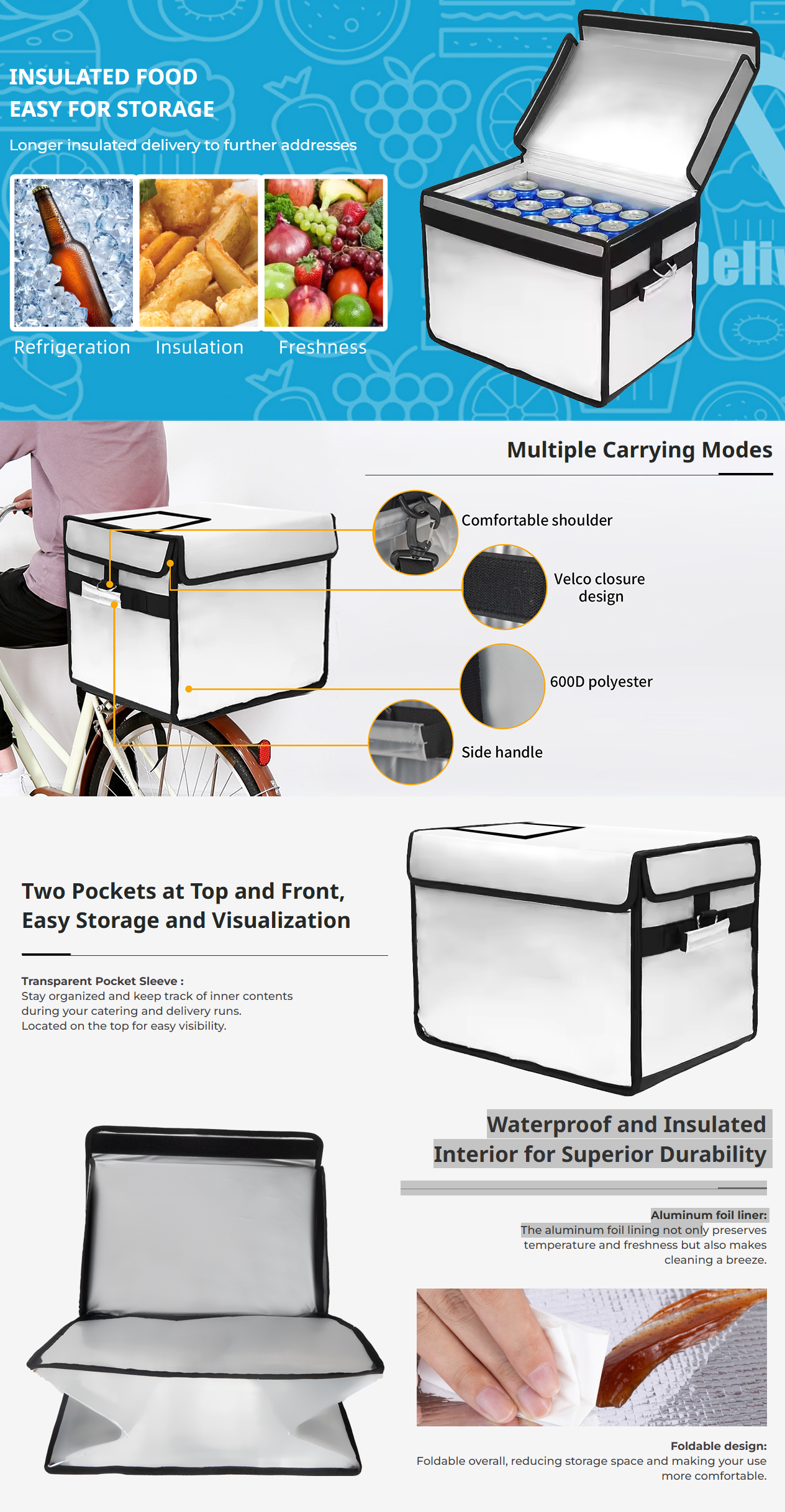
Switching from disposable shipping cartons to custom reusable cooler bags for meat brands involves higher upfront procurement costs. However, reviewing overall unit economics reveals significant financial advantages:
Closed-Loop Incentive Loops: Offering $5 account credits for returned bags creates a self-funding packaging loop and incentivizes repeat orders.
Fewer Damaged Shipments: High-frequency seamless construction stops raw juices from leaking into vehicles, virtually eliminating water damage claims.
Customer Retention Growth: High-quality packaging separates premium butcher services from grocery store commodity counters, lowering subscriber churn.
Lower Customer Acquisition Costs: Handsome, durable coolers turn everyday customers into walking brand advocates across their communities.
Sustainable packaging protects shipping margins while helping high-end protein brands stand out against crowded online competitors.
Manufacturing Standards: Selecting the Right OEM Factory
Producing thermal packaging for fresh proteins requires strict sanitary design. Blood residue and thawing moisture will ruin inferior fabrics within weeks. When sourcing reusable cooler bags for meat brands, inspect these manufacturing capabilities closely.
The interior liner must feature certified food-safe TPU or PEVA with high-frequency radio welding. Avoid needle-stitched interior seams, which wick liquids into the foam and breed persistent bacterial odors. Choose non-porous liners that wash clean with ordinary dish soap.
Supply chain reliability also matters. Veteran OEM suppliers like Weierken provide dual-manufacturing footprints across China and Cambodia. This multi-country infrastructure gives brands over 80,000 square meters of production capacity and 3,000 skilled technicians, while insulating your shipments from shifting trade tariffs.
Frequently Asked Questions
Q1: How do reusable cooler bags for meat brands prevent bacteria and odor buildup?
A1: High-performance reusable meat bags use antimicrobial TPU or PEVA inner linings assembled via high-frequency welding. Because the seams contain no needle punctures, purge fluids cannot penetrate the interior foam. The non-porous surfaces wipe completely clean and sanitize easily with standard warm water and mild soap.
Q2: Can reusable cooler bags maintain safe temperatures for 48-hour delivery windows?
A2: Yes. When constructed with 20mm or thicker closed-cell EVA or NBR foam, reflective radiant barriers, and airtight zippers, these bags maintain food-safe temperatures below 40°F (4.4°C) for 48 hours when packed with proper phase change coolants or dry ice blocks.
Q3: How do meat brands structure a return program for reusable packaging?
A3: Most brands use prepaid return labels or partner with last-mile couriers who collect empty bags during subsequent drop-offs. Offering reward points, cash-back credits, or billing deposits encourages prompt customer returns, allowing bags to complete 20 to 50 delivery loops.
Q4: How do high-durability cooler bags resist punctures from sharp animal bones?
A4: Commercial bags designed for butcher cuts use dense outer shells like 840D TPU or 1000D ballistic nylon paired with puncture-resistant inner liners. The high tensile strength stops sharp beef ribs and tomahawk bone ends from cutting the liner during transit.
Q5: What is the average production lead time and MOQ for custom cooler bags?
A5: Minimum order quantities (MOQs) typically range from 500 to 1,000 units for customized colors, brand logos, and dimensions. Following CAD design sign-off and prototype sample approvals, mass production usually wraps up in 30 to 45 days.
Q6: How does sourcing bags from Cambodia reduce landed packaging costs?
A6: Producing soft-sided coolers and thermal bags in Cambodia allows brands importing into the United States and Europe to avoid the punitive Section 301 tariffs levied on goods produced solely in China. This direct tariff exemption preserves profit margins on high-volume shipments.
Upgrade Your Unboxing Experience with Weierken
In modern e-commerce, fulfillment packaging creates your first physical impression. Squeaky foam boxes and messy condensation destroy that moment. Upgrading to custom reusable cooler bags for meat brands protects product safety, boosts subscriber retention, and positions your cuts as a premium culinary experience.
Weierken provides complete end-to-end OEM and ODM support for cold chain brands worldwide. From CAD blueprints and material testing to high-volume manufacturing across our three modern facilities, our engineering team brings your packaging vision to life.
Ready to replace single-use shipping waste with durable, high-retention coolers? Contact the packaging specialists at Weierken today to explore material swatches, request customized 3D design mockups, and receive a competitive manufacturing estimate.