
In the rapidly evolving food delivery and industrial logistics sectors, standard insulation is no longer enough. Many brands face the challenge of transporting items that are literally "piping hot." Traditional thermal bags, which often rely on thin polyethylene (PE) or PVC linings, begin to soften or melt when they come into contact with surfaces above 80°C. This leads to sticky residues, damaged packaging, and a poor customer experience.
This is where a specialized melt proof thermal bag factory becomes an essential partner. These facilities focus on engineering bags that withstand short-term contact temperatures exceeding 120°C, and in some high-end cases, up to 200°C or more. Working with a professional manufacturer like weierken ensures that your brand utilizes the latest in heat-resistant textile technology to maintain safety and product integrity.
What is a "Melt-Proof" Thermal Bag? Core Application Scenarios
A melt-proof thermal bag features an inner lining or a complete structural assembly that does not melt, stick, or degrade when exposed to extreme heat. While common bags fail at moderate temperatures, these specialized products remain stable. For B2B buyers, understanding these applications is the first step in successful OEM bag procurement.
Typical B2B scenarios include:
Food Delivery Platforms: Transporting ultra-hot pizzas, barbecue, stone-pot rice, or large containers of hot coffee.
Chain Bakeries: Moving freshly baked bread, egg tarts, or cake bases where residual heat would normally deform the plastic packaging.
Central Kitchens: Serving as high-temperature liners for insulated shipping containers or hot-chain boxes.
Industrial and Medical: Transporting sterilized medical instruments or high-temperature industrial samples.
If your business involves any of these high-heat touchpoints, a standard supplier won't suffice. You need the technical expertise of a melt proof thermal bag factory that understands thermal degradation and material stability.
Core Materials and Technologies in High-Temperature Bags
Brand owners must understand the "upgrade path" from standard bags to melt-proof ones. A reliable melt proof thermal bag factory will offer several material tiers based on your specific temperature requirements. Simply using aluminum foil is not enough; the bonding agent and the substrate must also be heat-resistant.
PTFE Coated Fiberglass Cloth
This is the gold standard for high-heat environments. With a temperature resistance exceeding 260°C, it is non-stick and chemically resistant. It is widely used in high-end catering and industrial thermal insulation. While the cost is higher, the durability and safety are unmatched.
Silicone Coated Fiberglass
Able to withstand 200°C to 230°C, this material is soft, easy to clean, and odorless. It is the ideal choice for bakery and pizza delivery bags. weierken often recommends this for brands that need a balance between extreme heat resistance and flexibility.
Heat-Resistant TPU Composites
For temperatures between 120°C and 150°C, TPU (Thermoplastic Polyurethane) laminated with aluminum foil offers a lightweight and cost-effective solution. It is heat-sealable, making it perfect for mass-produced light hot food delivery kits.
Aerogel Felt with Heat-Resistant Liners
Aerogel is the world's most efficient insulator, capable of handling 300°C. It allows for ultra-thin bag walls with incredible thermal retention. This is often used for high-tech delivery solutions, such as drone-based hot food delivery or premium medical transport.
When vetting a melt proof thermal bag factory, always demand a material heat-resistance test report (such as ASTM D751 for heat aging) rather than accepting verbal promises. The chemistry of the lining is what protects your brand from a melting disaster.
The OEM Workflow: From Requirement to Shipment
Creating a custom product with a melt proof thermal bag factory is a multi-step process that requires precision engineering. Because these materials behave differently than standard fabrics, the prototyping phase is critical. Professional manufacturers like weierken follow a structured OEM path to ensure quality.
Step 1: Requirement Definition and Material Selection
Brands must define the maximum contact temperature and the duration of that contact. For example: "A 220°C pizza box in direct contact for 30 minutes." You must also specify if you need food-grade certifications such as FDA, LFGB, or GB 4806. The factory should provide a material comparison sheet and small swatches for your internal testing.
Step 2: Structural Design and Prototyping
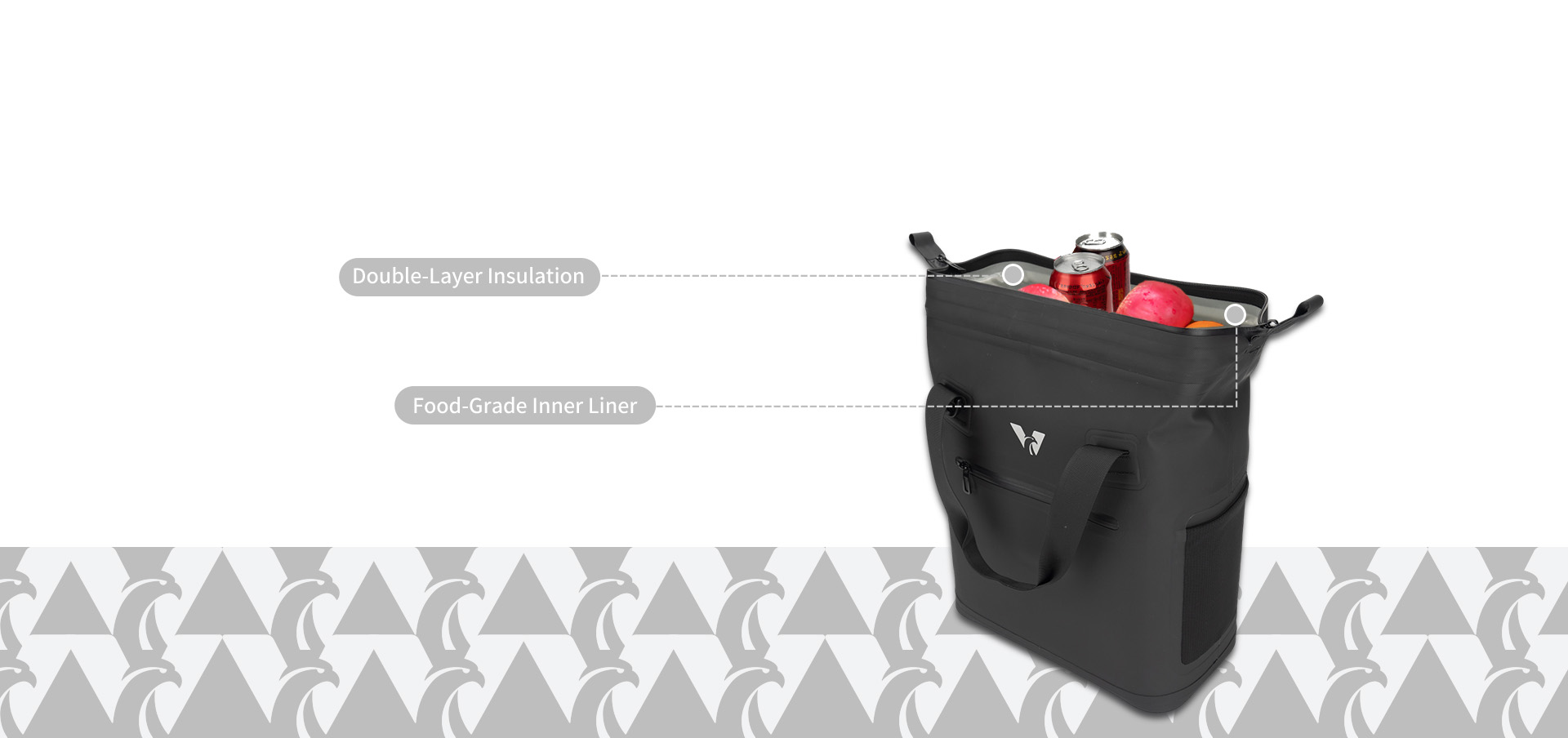
A melt-proof bag usually consists of three layers: the heat-resistant inner lining, the insulation core (EPE, XPE, or PU foam), and the wear-resistant outer shell. Since many high-heat materials cannot be sewn with standard polyester thread, the factory must use PTFE or Aramid threads. Prototyping for these complex designs usually takes 3 to 4 weeks.
Step 3: Hardware and Component Customization
Every component must be heat-stable. This includes:
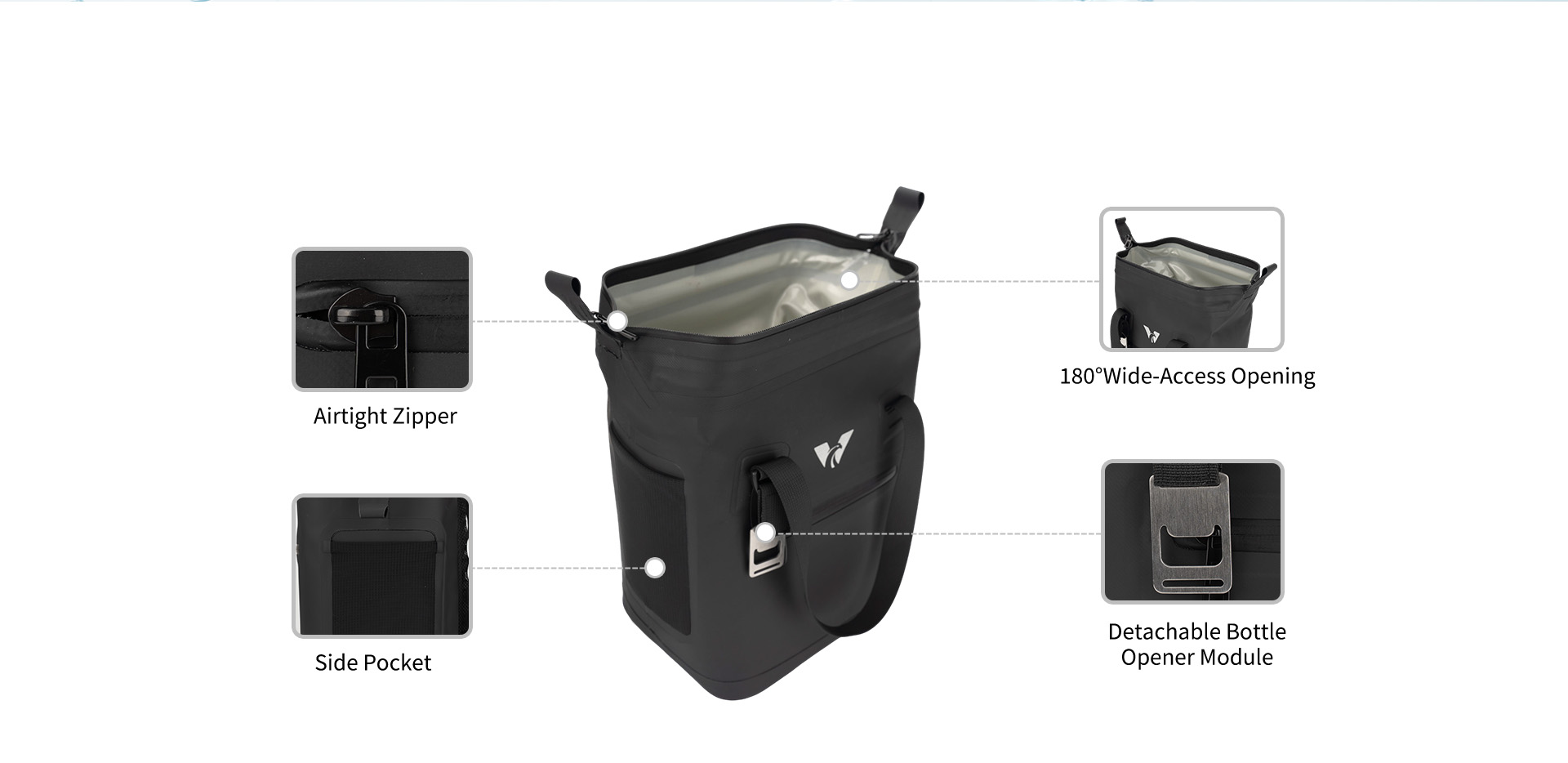
Heat-Resistant Zippers: Using metal teeth or high-temp plastics like POM (Polyoxymethylene) which resists temperatures above 120°C.
Handles and Straps: Utilizing silicone-coated handles or heat-resistant webbing made from Nomex® or fiberglass cores.
Fasteners: Standard Velcro will lose its adhesive properties or deform when heated; specialized high-temp hook-and-loop fasteners are a must.
Step 4: Mass Production and Quality Control
During production, a reliable melt proof thermal bag factory performs critical checks. They should conduct hot plate contact tests on every batch of lining material. Another vital test is peel strength testing on heat-sealed seams to ensure the layers don't delaminate under thermal stress. Even with high-heat resistance, the bag must still provide excellent thermal insulation, ensuring the exterior stays cool to the touch.
How to Evaluate a Melt Proof Thermal Bag Factory?
Not every bag manufacturer has the equipment to handle specialized heat-resistant textiles. To avoid working with a factory that is "learning on your dime," ask these five critical questions during your audit:
Have you produced similar high-temperature products before? Ask for at least two case studies from the catering or medical industries.
Do you maintain stock of certified heat-resistant materials? Request to see the customs declarations or Material Safety Data Sheets (MSDS) for PTFE or silicone cloths.
Do you have specialized heat-sealing equipment? Standard machines cannot weld silicone or PTFE. Check for hot air welding machines or Teflon-foot sewing machines.
What is your trial order policy? A reputable melt proof thermal bag factory should accept small trial runs (200-500 units) to verify field performance.
Can you provide a third-party heat-resistance report? Every batch should be accompanied by a contact heat test video or a formal report.
By choosing a partner like weierken, you gain access to a supplier that has already invested in the technical textiles and machinery required for these specialized products.
Common Pitfalls in OEM Partnerships (and How to Avoid Them)
Working with a melt proof thermal bag factory involves technical risks that don't exist in standard bag manufacturing. Brands must be vigilant to avoid these four common "traps":
Trap 1: The Material Swap. The factory uses high-quality silicone cloth for the sample but switches to a cheaper aluminum coating for the bulk order. To avoid this, keep a "sealed sample" and perform random hot plate tests on incoming bulk goods. If the lining sticks to the hot plate at the specified temperature, reject the batch.
Trap 2: Non-Heat-Resistant Zippers. The bag body might survive, but the zipper teeth melt and jam after the first use. Always specify the zipper brand and model, such as YKK heat-resistant series. Ensure the factory provides the technical datasheet for the zipper hardware.
Trap 3: Melting Threads. If the factory uses standard polyester thread, the seams will snap when they touch a 200°C box. Demand the use of Kevlar or Aramid sewing threads and check the thread's temperature rating in your Quality Assurance (QA) agreement.
Trap 4: Fake Test Reports. Some factories may provide photoshopped reports. To mitigate this, select a random sample from the delivery and send it to a third-party lab for a thermal stability test. The cost of testing is a fraction of the cost of a mass product failure in the field.
Summary: Why Strategic Sourcing Matters
In the world of high-heat logistics, the choice of a melt proof thermal bag factory is a strategic brand decision. It moves beyond simple OEM bag manufacturing into the realm of technical engineering. By focusing on the right materials—like PTFE and Silicone composites—and ensuring strict quality gatekeeping, you protect your customers and your reputation.
Partners like weierken provide the transparency and technical depth needed to navigate this complex market. When your products stay cool on the outside and safely hot on the inside, your brand builds a level of trust that competitors simply cannot match.
Frequently Asked Questions (FAQ)
1. Can these bags be used in a commercial oven?
Generally, no. While a melt proof thermal bag factory designs products for "contact heat" (like a hot pizza box), they are not intended for the direct radiant heat of an oven. Always check the maximum operating temperature provided by the factory.
2. Are melt-proof thermal bags washable?
Yes, most silicone and PTFE coated bags are oil-resistant and easy to wipe clean. However, they should not be placed in a commercial dishwasher unless the factory specifically states they are dishwasher safe.
3. What is the MOQ for a custom-designed melt-proof bag?
Due to the high cost of specialized materials, the Minimum Order Quantity (MOQ) usually starts around 300 to 500 units. Some factories may offer lower MOQs if you use their standard in-stock heat-resistant fabrics.
4. Do you offer custom printing on high-temperature materials?
Yes, but the ink must also be heat-resistant. A professional melt proof thermal bag factory will use specialized silicone-based inks or heat-transfer methods that won't peel or discolor when the bag gets hot.
5. How long do these bags last under daily use?
When made with fiberglass-reinforced linings, these bags are incredibly durable. With proper care, a professional-grade insulated delivery bag can last for 1 to 2 years of daily commercial use, depending on the abrasion levels.
6. Are the materials used safe for direct food contact?
Reliable factories ensure their silicone and TPU coatings are BPA-free and meet FDA/LFGB food safety standards. Always ask for the most recent compliance certificate before signing off on mass production.
Does your brand need a solution that can handle the heat? At weierken, we are more than just a melt proof thermal bag factory; we are your technical partners in thermal management. Our expertise in high-temperature textiles ensures your products stay safe and your customers stay satisfied. Contact us today to request a quote and learn how we can engineer the perfect heat-resistant solution for your business.