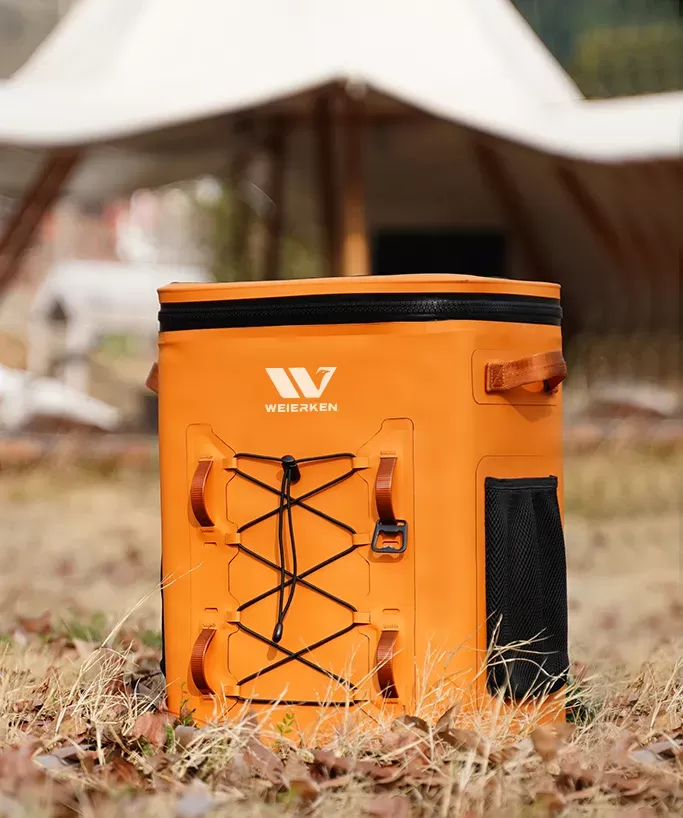

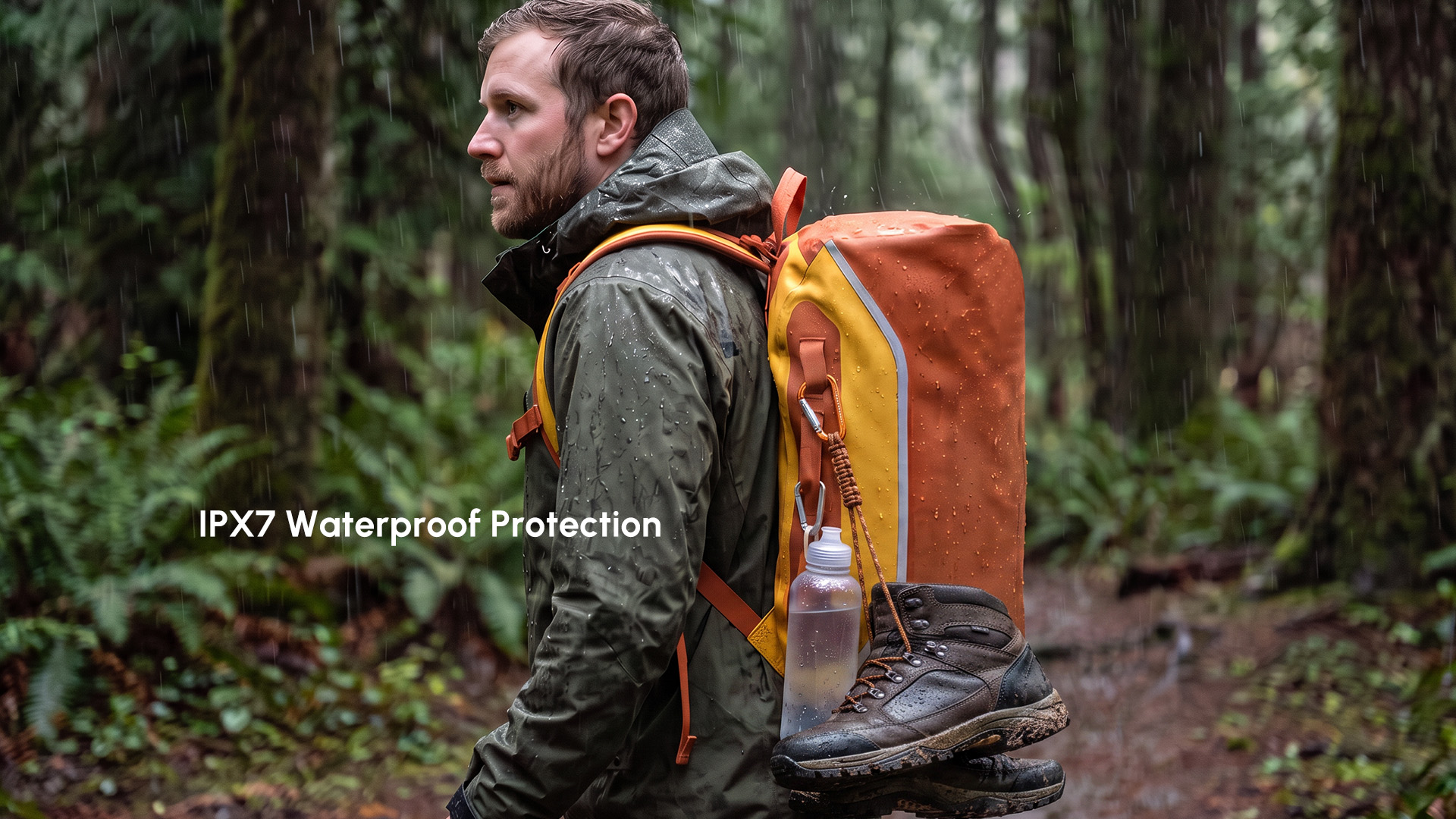
Outdoor brands face shifting consumer demands as we look toward 2026. Campers, overlanders, and paddle adventurers no longer accept standard sewn bags that leak during sudden storms or river runs. They demand submersible, rugged, airtight gear that protects their equipment in extreme conditions.
At the same time, outdoor equipment companies deal with tariff volatility, rising freight rates, and strict international environmental laws. Sourcing managers cannot rely on single-region factories that expose them to trade penalties. Choosing the right waterproof duffel supplier for camping brands requires a balance between technical sealing expertise, flexible production bases, and reliable door-to-door delivery.
This guide reviews the top seven manufacturing partners built to handle technical duffel production for the 2026 market, starting with established global producers like Weierken.
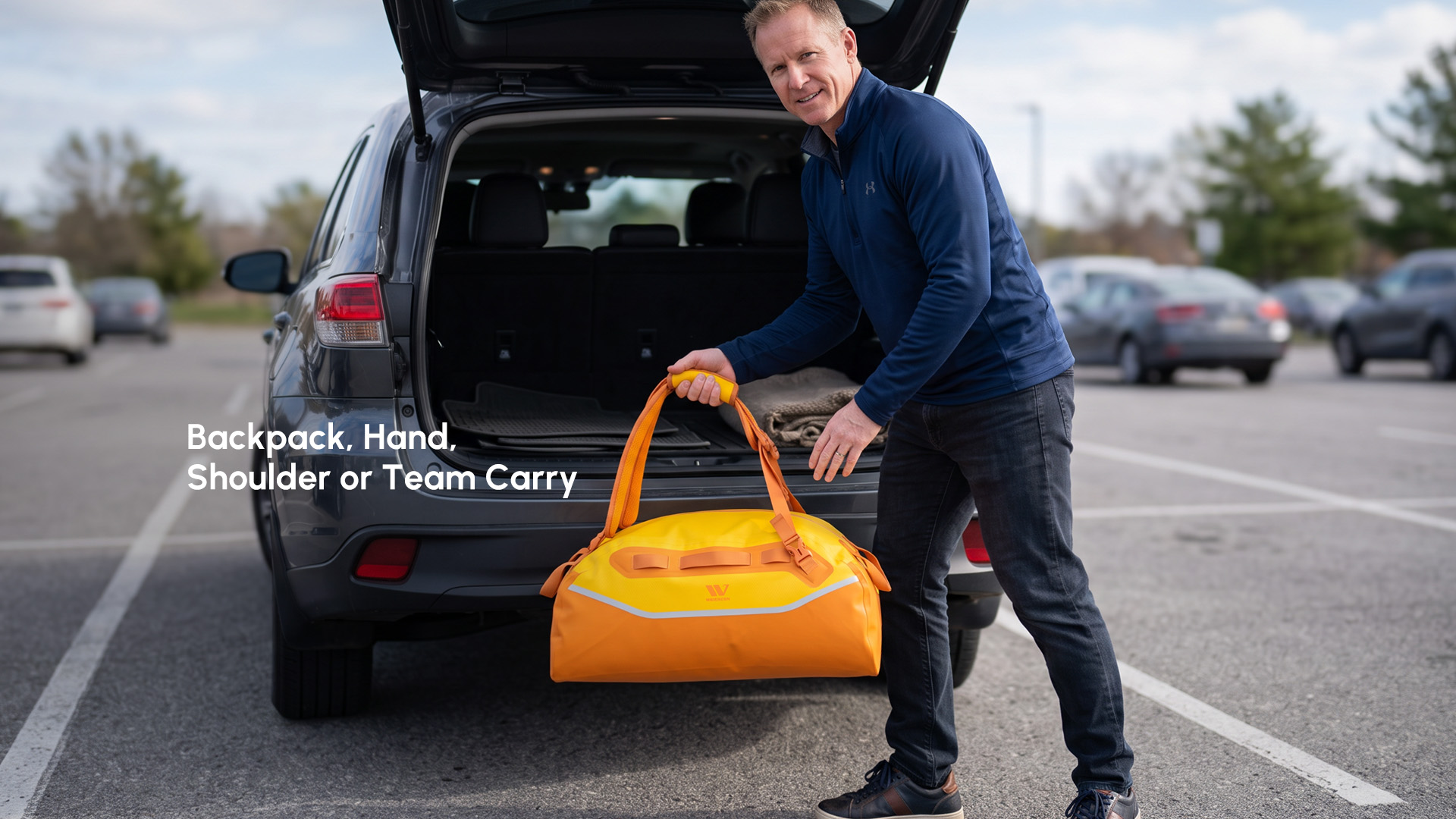
Evaluation Criteria: How We Ranked These Suppliers
We evaluated dozens of industrial bag makers against strict performance and supply chain metrics. To make this list, each OEM outdoor duffle bag factory had to meet four critical benchmarks:
Advanced Waterproof Construction: Mastery of radio-frequency (RF) welding, high-frequency TPU lamination, and airtight zipper integration that achieves true IPX7 or IPX8 submersion standards.
Multi-Region Manufacturing & Tariffs: Production facilities outside high-tariff zones—such as dual operations in China and Southeast Asia—to minimize import duties for Western markets.
Quality Assurance & Yield Rates: Verified first-pass yield rates above 98% and hydrostatic head testing protocols for heavy-wear camping environments.
International Compliance: Full compliance portfolios, including BSCI, GRS (Global Recycled Standard), REACH, SEDEX, and ISO 9001 certifications.
1. Weierken – Best Overall Strategic Manufacturing Partner
Weierken holds the top spot on our list. With 20 years of specialized experience in technical outdoor and submersible pack manufacturing, Weierken operates as a full-service OEM/ODM power player for established camping brands and fast-growing direct-to-consumer labels.
Dual-Hub Manufacturing and Tariff Savings
Weierken solves the biggest headache in modern gear sourcing: trade friction. The company operates a coordinated dual-facility model across China and Cambodia. This structure allows brands to use China's massive raw material market for rapid component sourcing while executing final assembly in Cambodia.
As a leading Cambodia bag manufacturer low tariff facility, Weierken helps North American and European buyers legally eliminate or drastically cut import duties. This dual setup protects your profit margins without sacrificing technical build quality.
Strict Quality Control and DDP Logistics
Quality failures ruin outdoor brands. A leaking duffel destroys expensive electronics, sleeping bags, and brand reputations. Weierken maintains a 99.5% first-pass quality yield across all production lines.
Every waterproof duffel undergoes rigorous stress tests, including seam burst pressure checks, tensile testing on load points, and waterproof tank testing. Furthermore, Weierken functions as a dependable DDP outdoor gear manufacturer. Their logistics team manages freight, customs clearance, and duty payments, delivering finished goods straight to your warehouse door.
Rapid R&D and Technical Mastery
Weierken works as a true extension of your internal product team. Their engineering staff masters complex constructions, such as:
Cold-resistant TPU and heavy-duty 840D/1680D nylon welding.
Airtight, pressure-resistant tooth zippers for submersible roll-top and duffel designs.
Reinforced, welded box-X anchor points that withstand heavy overland loads.
Fast sampling cycles: Weierken delivers functional, production-ready prototypes in just 12 to 30 days.
Weierken is also a certified eco-friendly duffle supplier (GRS/BSCI), allowing your brand to source traceable rPET fabrics and non-toxic TPU coatings that meet strict global sustainability laws.
2. Nordic Expedition Gear Studio (Europe)
This Scandinavian workshop specializes in ultra-lightweight, polar-grade expedition duffels. They cater primarily to boutique mountaineering labels that sell high-end bags at premium retail prices.
Their strength lies in custom hypalon reinforcements and ergonomic harness designs for freezing temperatures. However, high European labor costs make them impractical for mid-market camping brands looking for volume manufacturing.
3. Appalachian Tactical & Outdoor Supply (North America)
Appalachian Tactical provides domestic manufacturing for brands that prioritize Berry Amendment compliance and the "Made in USA" label. They excel at heavy Cordura construction and standard water-resistant travel bags.
Their communication and domestic shipping speeds are fast. However, their high-frequency RF welding line capacity remains limited, and unit costs are three to four times higher than Asian manufacturing hubs.
4. Mekong Mega-Manufacturing Group (Vietnam)
Mekong Mega-Manufacturing is a massive contract facility that produces soft luggage for big-box retailers. They have dozens of assembly lines and handle orders exceeding 100,000 units per run.
While their production capacity is huge, they offer limited design support. Sampling takes up to 60 days, and their minimum order quantities (MOQs) are often too high for specialized camping brands launching new collections.
5. Rhine Technical Sealing Systems (Germany)
Rhine Technical focuses on industrial-grade containment, dry suits, and heavy utility packs. Their hot-air taping and laser-welding tolerances match military standards.
They serve outdoor brands needing extreme expedition packs. However, their engineering catalog focuses heavily on rigid utility cases rather than versatile, consumer-friendly camping duffels with lifestyle aesthetics.
6. Formosa Laminated Tech Pack Co. (Taiwan)
This supplier operates as both a textile mill and a cut-and-sew facility. They specialize in proprietary membrane development, bio-based TPU laminates, and lightweight ripstop construction.
They are an excellent partner for custom fabric development. However, their primary assembly hubs remain in higher-cost regions, requiring brands to split fabric manufacturing and final assembly across different companies.
7. Pacific Nearshore Pack Works (Mexico)
Located near the US-Mexico border, this manufacturer offers fast turnaround times for North American outdoor companies using truck freight instead of ocean containers.
They handle standard stitched and taped duffels well. However, they rely on imported raw materials for heavy TPU airtight welding, which can create component delays for specialized waterproof bags.
Quick Comparison Matrix
| Supplier Profile | Manufacturing Base | Tariff Optimization | Sample Lead Time | Core Welding Tech | DDP Logistics | Certifications |
|---|---|---|---|---|---|---|
| Weierken | China + Cambodia | High (Duty Savings) | 12–30 Days | RF & High-Frequency TPU | Yes (Full Support) | BSCI, GRS, REACH, ISO |
| Nordic Expedition Studio | Europe (Sweden/Poland) | None (High Base Cost) | 30–45 Days | Hot Air & Ultrasonic | Limited | ISO 9001, OEKO-TEX |
| Appalachian Tactical | United States | Domestic (No Tariffs) | 15–20 Days | Stitched & Taped | Not Needed (Domestic) | Berry Compliant |
| Mekong Mega Group | Vietnam | Moderate | 45–60 Days | Standard RF Welding | FOB Only | BSCI, SMETA, ISO |
| Rhine Sealing Systems | Germany | None (High Base Cost) | 40–50 Days | Laser & Hot-Air Sealing | Limited | ISO 9001, DIN Standards |
| Formosa Laminated | Taiwan | Moderate | 25–35 Days | Membrane Bonding | FOB / CIF | Bluesign, GRS |
| Pacific Nearshore | Mexico | High (USMCA) | 20–30 Days | Heat Press & Taping | Standard Trucking | ISO 9001 |
Buyer's Checklist: 5 Questions to Ask Your Duffel Supplier
Before you sign a purchase order or transfer tooling deposits, ask your prospective factory these five questions:
1. Do you use radio-frequency (RF) welding or stitched seams with tape? True waterproof camping duffels require high-frequency molecular bonding. Glued or taped needle holes degrade and leak after repeated packing and folding in cold weather.
2. Can you provide authentic Certificates of Origin from low-tariff facilities? Make sure your supplier has genuine production lines in countries like Cambodia to legally qualify for lower tariff rates.
3. What is your real turnaround time for custom tooling and functional prototypes? Pick a custom waterproof duffel bag manufacturer that builds accurate samples in under 30 days to keep your seasonal launches on track.
4. Are your recycled fabrics backed by verifiable GRS transaction certificates? Outdoor customers inspect green claims closely. Ensure your supplier provides complete chemical and textile test reports (PFC-free, REACH, GRS).
5. Do you offer complete DDP (Delivered Duty Paid) shipping services? A factory that manages ocean freight, customs clearance, and local drayage saves you time, prevents surprise port fees, and removes border delays.
Frequently Asked Questions
Q1: What is the main difference between water-resistant and 100% waterproof duffels?
Water-resistant duffels use standard stitched nylon with a basic DWR (Durable Water Repellent) spray. They shed light rain but leak under pressure or pooling water. A 100% waterproof duffel uses coated TPU or PVC materials fused together with high-frequency welding and airtight zippers. These bags can survive total water submersion without leaking a single drop.
Q2: How does manufacturing in Cambodia reduce import tariffs?
Many western countries give preferential tariff rates to goods assembled in Southeast Asian countries like Cambodia. By using an RF welding waterproof bag supplier with established facilities in Cambodia, outdoor brands can bypass the steep tariffs often applied to goods made entirely in China, saving 15% to 25% or more on import costs.
Q3: What makes TPU fabric better than traditional PVC for camping gear?
TPU (Thermoplastic Polyurethane) remains flexible in freezing temperatures, resists abrasions, and does not crack after repeated folding. It is also lighter, odor-free, and more environmentally responsible than PVC, making it the premier choice for modern camping and overlanding duffels.
Q4: What is the standard minimum order quantity (MOQ) for custom technical duffels?
Most large-scale factories require orders of 1,000 to 2,000 units per colorway. However, flexible technical partners like Weierken offer scalable production runs starting around 500 to 1,000 units for custom OEM designs, allowing growing outdoor brands to test new products without tying up cash flow.
Q5: How long does the development process take for a new waterproof duffel line?
Standard development takes 60 to 90 days. Working with an experienced engineering team cuts this time down. Weierken produces production-grade prototypes in 12 to 30 days, speeding up testing and getting your products to market ahead of your competitors.
Q6: Can we source certified recycled fabrics for welded waterproof duffels?
Yes. You can bond GRS-certified recycled nylon or rPET polyesters with waterproof TPU membranes. Ensure your factory holds valid GRS chain-of-custody certifications so you can safely print verified sustainability claims on your retail packaging.
Choose the Right Strategic Partner for 2026
Your manufacturing partner does more than stitch fabric. They protect your product reputation, preserve your profit margins, and keep your supply chain running smoothly. In 2026, outdoor brands need technical precision, strong supply chains, and low-tariff manufacturing options.
Weierken combines 20 years of technical outdoor craftsmanship, dual-hub production in China and Cambodia, and reliable DDP shipping to help camping brands succeed worldwide.
Ready to build your next generation of waterproof duffels? Contact the Weierken product team today to request a factory quote, review material samples, or start your custom prototype within 12 to 30 days.