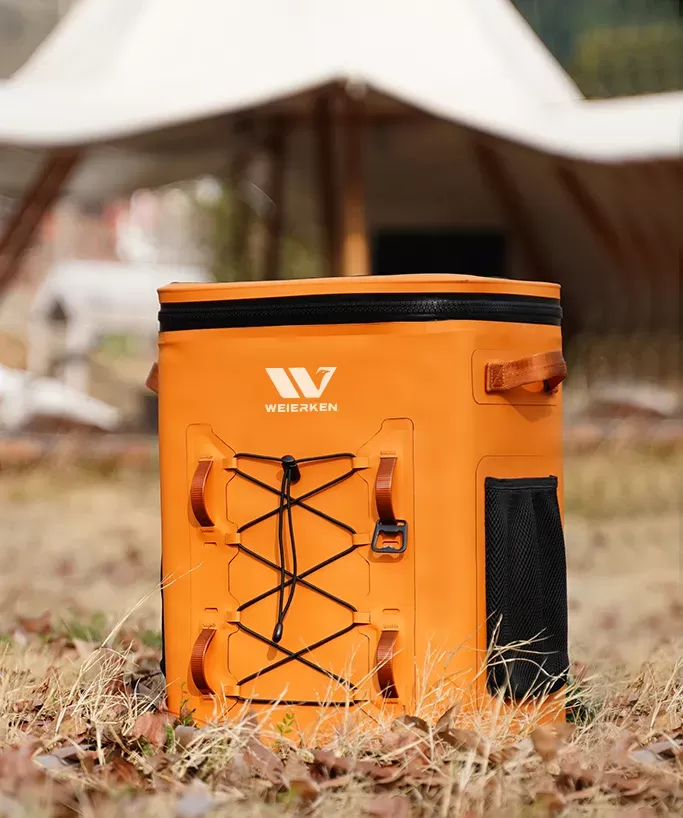

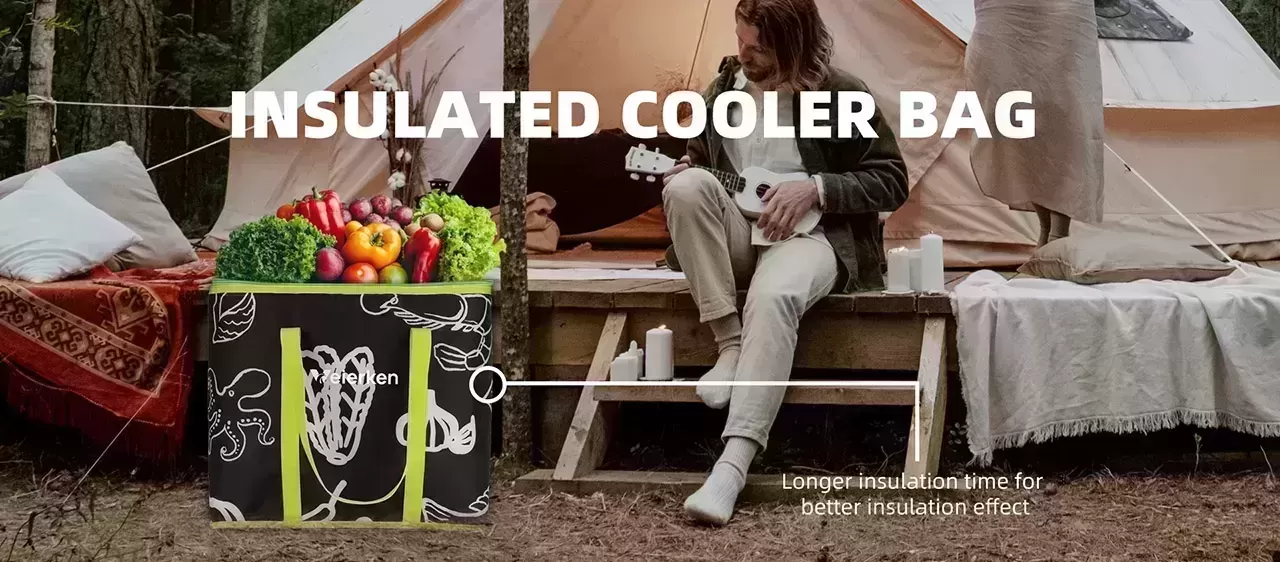
Food delivery couriers face harsh outdoor elements every day. Heavy rain, freezing winter winds, and intense summer heat directly threaten food quality. If a meal arrives cold or soggy, customers blame the restaurant, not the weather. This makes choosing the right take out delivery bag maker a critical business decision.
At Weierken, we understand that weather protection requires precise engineering. A good bag must seal out moisture and maintain steady internal temperatures. This sourcing guide outlines how to evaluate a take out delivery bag maker to ensure your delivery fleet remains active in any weather.
We will examine the key technical details you need to check before purchasing. From insulation cores to zipper designs, here is what makes a delivery bag truly weatherproof.
1. Material & Technical Specifications for Weatherproofing
A delivery bag is only as good as the materials used to build it. To find a competent take out delivery bag maker, you must first examine their raw material standards.
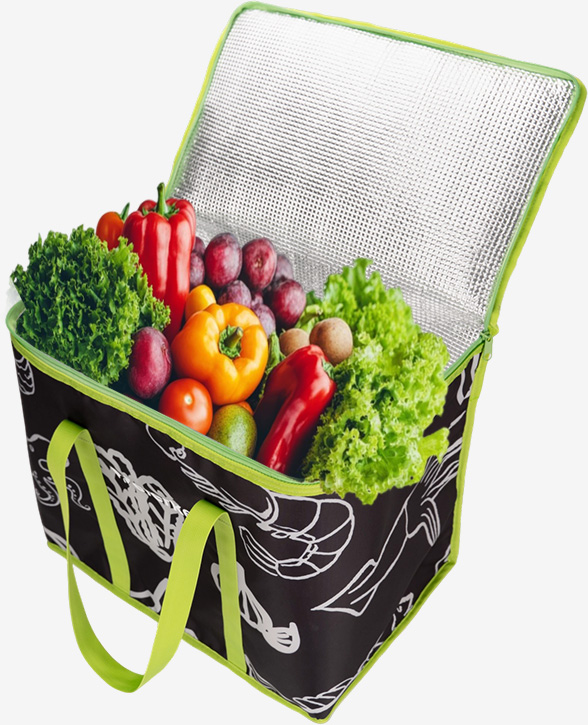
The ideal materials must repel external moisture while preserving internal thermal energy. This double-layer protection keeps food hot and dry.
Insulation Core Structure
Standard EPE Foam: Usually 5mm thick, this is a cost-effective choice for short-distance deliveries.
High-Density PU Foam: Ranging from 8mm to 10mm, polyurethane foam offers superior thermal resistance for long-distance transit.
Bubble Aluminum Foil: This material reflects radiant heat. It is perfect for hot pizzas or cold ice cream delivery.
Inner Lining & Leak-Proof Technology
Traditional sewn seams leak when liquids spill. A top-tier take out delivery bag maker uses a high-frequency welding liner made of PEVA or TPU. This seamless method ensures a 100% leak-proof interior that is simple to wipe clean.
Exterior Durability
The outer shell must resist water and tearing. Look for 1680D double-strand Oxford fabric or thick PVC mesh. These heavy-duty materials prevent rain from soaking through to the insulation layers. They act as an effective waterproof courier bag shell.
2. Production Craftsmanship and Quality Control
High-quality materials require expert assembly to perform well in the field. A professional take out delivery bag maker must use advanced sewing techniques to prevent structural failure.
Weierken implements strict quality control stages throughout the manufacturing process. This prevents manufacturing defects from reaching your delivery riders.
When auditing a factory, inspect their physical assembly details carefully.
Craftsmanship Details to Inspect
Bar-Tack Stitching Reinforcement: Carrying handles and shoulder strap joints must undergo bar-tack stitching. This tight, zigzag stitch pattern prevents straps from ripping under heavy loads.
High-Tensile Thread: The factory should use high-strength nylon thread. Standard cotton thread rots when exposed to rain, causing seams to split.
Waterproof Zippers: Look for bags with rubber-coated zippers or wide Velcro flaps. This stops wind and rainwater from seeping through the zipper teeth.
Three-Stage QC Inspections: Ensure the factory checks the raw materials, performs in-line inspections during assembly, and runs final checks before packing.
A reliable take out delivery bag maker tests every batch of bags for load capacity. This step ensures that your thermal food courier bag will not break during a busy delivery shift.
3. Compliance, Food Safety, and Factory Certifications
Using unsafe packaging materials can violate local health codes. You must ensure your take out delivery bag maker meets international safety and manufacturing standards.
Certifications protect your brand from legal liability and import problems.
Key Sourcing Certificates
Food-Grade Safety Standard: The interior lining must pass FDA, LFGB, or REACH certifications. These tests prove the lining material does not emit toxic chemical gases when heated by hot food.
Social and Quality Management Audits: Look for factories with ISO 9001 and BSCI or SMETA approvals. These certificates guarantee the factory maintains organized production processes and treats workers ethically.
Eco-Friendly Material Capabilities: As cities ban single-use plastics, brands want sustainable alternatives. Verify if the factory can source GRS-certified rPET fabrics made from recycled water bottles.
A certified wholesale delivery bag manufacturer can help your business maintain its ESG targets. This is especially important for corporate clients in competitive global markets.
4. Customization and Structural Engineering Options
No two food items have the same delivery requirements. A pizza box needs a flat, wide space, while coffee cups need secure, upright slots. Your chosen take out delivery bag maker must offer deep customization capabilities.
They must be able to adapt their standard designs to fit your specific menu. This ensures that meals arrive looking as good as they did in the kitchen.
Customization Capabilities
Modular Interior Dividers: The bag should have adjustable shelves using heavy-duty Velcro or zippers. This allows couriers to separate cold drinks from hot foods inside a commercial food warm bag.
Fast Sampling Turnaround: A responsive factory should create a physical sample bag from your drawings in 3 to 7 working days.
Durable Brand Printing: Ensure the factory offers screen printing, heat-transfer, or UV printing. The logos must resist fading and cracking when exposed to sunlight and rain.
Choosing a take out delivery bag maker with strong R&D helps you build a highly functional custom thermal carrier. Good design speeds up packing times and protects food presentation.
5. Supply Chain Capabilities and Commercial Business Terms
The final step in choosing a take out delivery bag maker is evaluating their business terms and production capacity. A factory must be able to keep up with your business growth.
You need a partner that offers clear shipping terms and transparent pricing.
Business Evaluation Metrics
Scalable Monthly Capacity: Ask about their peak-season production limits. A large factory should produce thousands of units weekly to prevent delivery delays during busy summer and winter months.
Tiered Minimum Order Quantities (MOQs): Look for a factory that offers reasonable MOQs for custom orders. This helps you test new bag designs with smaller pilot teams.
Clear After-Sales Protocols: The manufacturer must have a clear replacement policy for stitching or zipper defects. They should also have experienced export agents to handle customs paperwork smoothly.
A solid relationship with a take out delivery bag maker secures your supply chain. It ensures you have high-quality thermal bags ready whenever you expand your fleet.
Sourcing Weatherproof Bags with Weierken
Weather protection is not a feature you can overlook. Rain, wind, and snow will quickly expose weak seams and low-quality materials. Partnering with a reliable take out delivery bag maker ensures your food arrives in perfect condition, no matter the weather.
Weierken manufactures high-performance, weather-resistant delivery bags. We use high-frequency welding, high-density insulation, and certified food-safe materials to protect your deliveries. Contact our team today to request a quote or to schedule a design consultation.
Inquire About Weatherproof Delivery Bags
Frequently Asked Questions
What is the best exterior material for a weatherproof thermal delivery bag?
Most experienced take out delivery bag maker factories recommend 1680D double-strand Oxford fabric with a waterproof PU coating, or thick PVC mesh. These fabrics offer the best resistance to heavy rain and tears.
How does a high-frequency welding liner prevent leaks?
High-frequency welding uses electromagnetic energy to fuse the seams of PEVA or TPU linings together without sewing. This creates a seamless, watertight barrier that prevents liquids from leaking into the insulation foam.
Can a take out delivery bag maker print highly detailed custom logos?
Yes. Factories use heat-transfer or UV printing to reproduce complex, multi-colored logos. For daily outdoor use, a professional take out delivery bag maker uses UV-resistant inks to prevent sun fading.
What thickness of insulation foam should I choose for 30-minute delivery routes?
For routes under 30 minutes, 8mm EPE foam is usually sufficient. For longer delivery windows or extreme winter climates, we recommend upgrading to 10mm PU foam or composite bubble foil.
How do I verify a factory's food safety standards before ordering?
Ask the take out delivery bag maker for current food-contact test reports. The inner materials must have active certifications from recognized testing bodies like SGS or TÜV to prove compliance with FDA or LFGB rules.