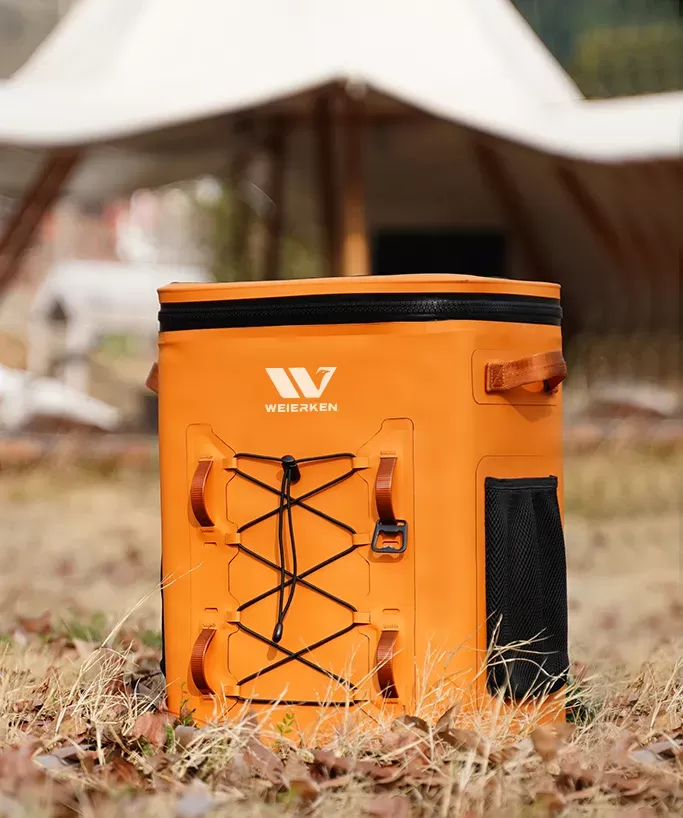

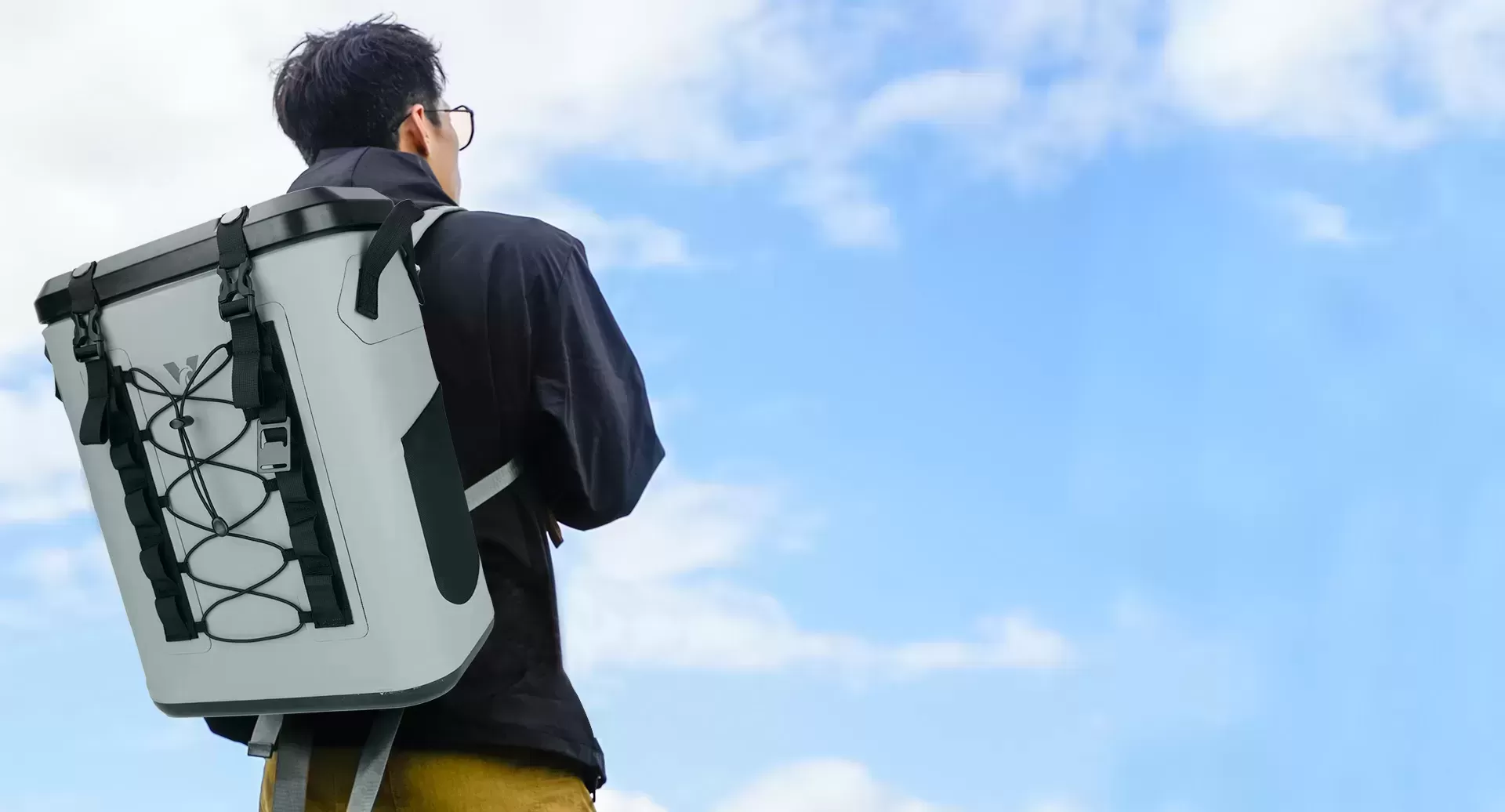
When sourcing bags for outdoor activities, daily commuting, or heavy-duty tool storage, buyers often confuse technical terms. Many people use "splash resistant" and "waterproof" interchangeably. However, these terms represent completely different manufacturing processes.
A waterproof bag can withstand full submersion. In contrast, a splash-resistant bag repels light rain, spills, and brief exposure to wet conditions. Achieving reliable splash resistance requires a careful system. It depends on base fabrics, specialized coatings, and matching hardware.
As an experienced splash resistant bag maker, Weierken helps B2B clients navigate these technical differences. We select and test every component to ensure your products perform well in real-world environments.
This guide explains the materials, coatings, and construction techniques that manufacturers use to build durable, weather-resistant bags.
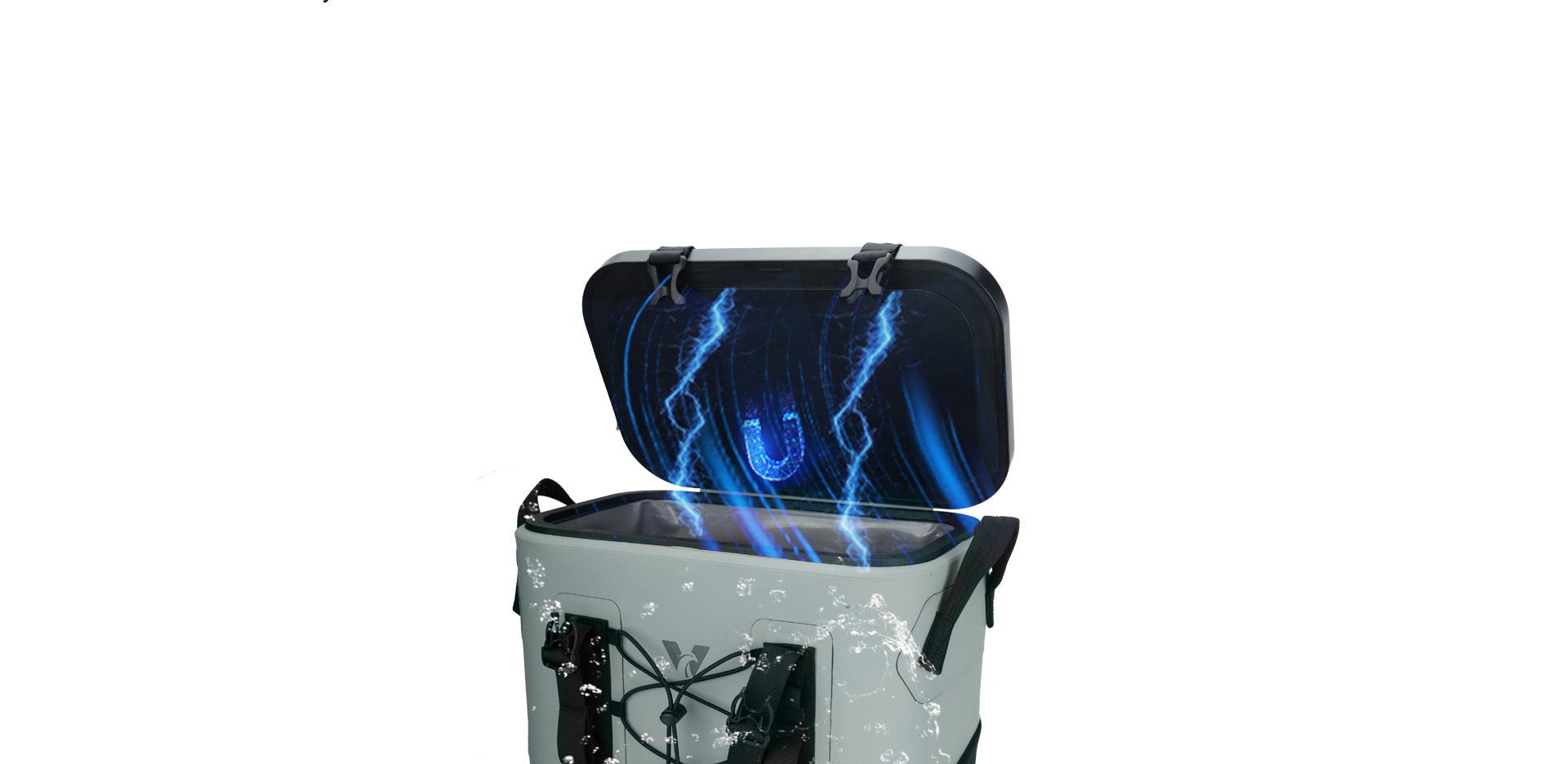
1. High-Performance Base Fabrics: The Foundation of Durability
The first line of defense against light rain is the base fabric. A professional splash resistant bag maker chooses fabrics based on your specific budget, weight requirements, and target environment.
The weave and fiber composition determine how well the bag resists wear and tearing over years of use.
Nylon (Polyamide)
Famous brands use abrasion resistant nylon, like Cordura or Ballistic nylon, for premium outdoor packs. Nylon offers incredible resistance to scraping and tearing. This makes it ideal for rugged industrial or military-style bags.
Polyester
Ripstop polyester is highly popular for everyday commuter bags. While slightly less durable than nylon, it resists UV rays better. It offers excellent cost efficiency and is highly suitable for mass consumer markets.
Understanding Denier (D)
Denier measures the thickness of individual threads in the weave. A 300D fabric creates a lightweight, compact bag, while a 1000D fabric provides maximum toughness for heavy industrial tool bags.
Balancing fabric weight and durability is a crucial first step. If the base fabric is too weak, the protective coatings will crack and fail prematurely under heavy loads.
2. Coatings & DWR Treatments: Shielding Against Water
Woven fabrics naturally have tiny gaps between the threads. To make them water-repellent, manufacturers apply chemical treatments and backing layers.
A premium splash resistant bag maker balances moisture protection with global environmental standards.
Surface Treatments (DWR)
Durable Water Repellent (DWR) chemical finishes make water bead up and roll off the bag's surface. This keeps the outer fabric from absorbing moisture and becoming heavy.
The manufacturing industry is moving away from traditional C6 treatments. Brands now prefer a PFC-free DWR coating to meet modern eco-friendly compliance standards in Europe and North America.
Backing Coatings
PU Coated Polyester: Applying a Polyurethane (PU) backing is a cost-effective way to block water. It provides reliable resistance for budget-conscious projects.
TPU Lamination: Thermoplastic Polyurethane (TPU) films cost more but offer better flexibility in freezing weather. They also resist wear and chemical damage much longer than PU.
These combined treatments create a reliable shield. They ensure the water repellent fabric remains dry during brief downpours or accidental coffee spills.
3. Seam Construction and Leak Prevention
Stitch holes are the weakest points in any water-resistant product. Every time a sewing needle punctures the fabric, it creates an entry point for water. A skilled splash resistant bag maker uses specialized sewing techniques to address this vulnerability.
Weierken pays close attention to seam engineering. We offer several options to block water from leaking through stitch lines.
Advanced Seam Techniques
Water-Repellent Sewing Thread: We use high-tensile threads treated with water-resistant finishes. These threads swell slightly when wet, naturally plugging the needle holes.
Critical Seam Taping: For commuter and laptop bags, we apply waterproof tape to the inside of vulnerable seams, such as the top and front panels. This balances cost and performance.
High-Frequency Welded Seam Technology: For bags requiring higher protection, TPU or PVC fabrics are fused together using electromagnetic heat. This welded seam technology eliminates stitch holes entirely.
Using these advanced construction methods ensures the bag's interior remains dry. It prevents rainwater from damaging sensitive items like laptops and electronic documents.
4. Hardware and Accessory Selection
Accessories and fasteners are often the first parts to fail on a durable outdoor pack. If a zipper jams or a buckle cracks, the entire bag becomes useless. A quality splash resistant bag maker selects hardware that can survive harsh weather.
Every zipper, puller, and buckle must meet strict durability standards.
Premium Hardware Standards
Water-Resistant Zippers: We use polyurethane-coated zippers, such as YKK AquaGuard. The coated tape seals the zipper teeth together when closed, keeping moisture out.
Protective Storm Flaps: Fabric flaps stitched over standard zippers provide an extra physical barrier against wind and rain. This is a highly cost-effective design choice.
Weather-Resistant Buckles: We select premium engineering plastic buckles from brands like Duraflex. These buckles resist UV damage and will not crack in freezing temperatures.
These small details keep the bag functional for years. Reliable hardware ensures that all opening points remain sealed against unexpected splashes.
5. Quality Testing and Validation Standards
B2B buyers should not rely on visual promises. A trustworthy splash resistant bag maker must provide certified laboratory test results. These tests prove the bag can handle demanding shipping and usage conditions.
Always ask your supplier for verified test reports before placing bulk orders.
Key Testing Standards
Spray Rating Test (AATCC 22 / ISO 4920): This test measures how well the fabric surface repels water. Manufacturers look for a rating of 4 to 5 before washing, and at least 3 after multiple wash cycles.
Hydrostatic Pressure Test (AATCC 127 / ISO 811): This hydrostatic pressure test measures the water pressure a fabric can handle before leaking. Splash-resistant bags generally require a rating of 1,000mm to 3,000mm of water column pressure.
Martindale Abrasion Test: This test rubs the fabric repeatedly to evaluate wear resistance. We measure the DWR coating retention after thousands of friction cycles to ensure long-term performance.
By demanding these standardized tests, you ensure your inventory meets high quality standards. This process helps you avoid customer returns and negative reviews.
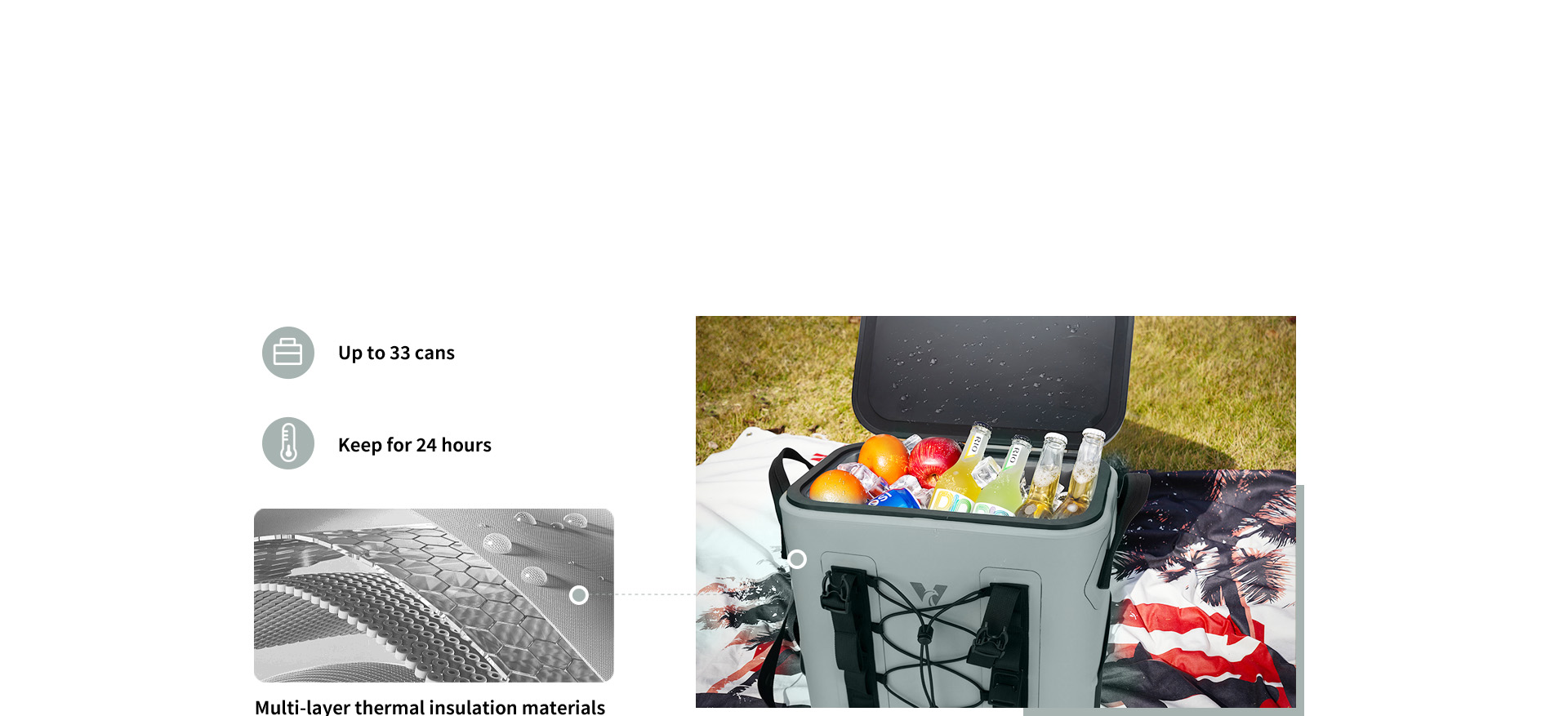
Partnering with Weierken for Reliable Bag Manufacturing
Designing a bag that looks great and resists weather requires technical expertise. Every component, from the sewing thread to the plastic buckle, plays an important role. Partnering with an experienced splash resistant bag maker is the best way to secure your product line.
At Weierken, we help businesses develop durable, functional, and stylish bags. We offer custom designs, eco-friendly fabric choices, and thorough testing to ensure your products meet international market standards.
Are you ready to develop your next weatherproof product line? Contact our sales team today to share your specifications, request a prototype, or ask for a factory quotation.
Inquire About Splash Resistant Bags
Frequently Asked Questions
What is the difference between splash-resistant and waterproof bags?
A splash-resistant bag made by a professional splash resistant bag maker repels rain and spills but cannot be submerged in water. A waterproof bag uses fully welded seams and non-porous materials to keep water out even when underwater.
What is a PFC-free DWR coating, and why is it important?
PFC-free DWR (such as C0 DWR) is a water-repellent coating that does not contain harmful fluorocarbons. Many global markets now require this coating to comply with modern environmental safety laws.
Why does my splash-resistant bag lose its water-repelling ability over time?
Friction, dirt, and washing naturally wear down the DWR finish on a water repellent fabric. High-quality manufacturers use durable backing layers like PU or TPU to ensure the fabric remains water-resistant even after the surface treatment fades.
Can you customize commuter laptop bags with waterproof zippers?
Yes. A skilled splash resistant bag maker can integrate polyurethane-coated zippers (like YKK AquaGuard) and protective storm flaps to safeguard laptops and electronic devices from rain.
What is the benefit of using TPU lining over PU lining?
TPU lining offers superior flexibility in cold weather, resists cracking over time, and has better abrasion resistance. However, PU lining remains a highly popular, budget-friendly option for everyday bags.