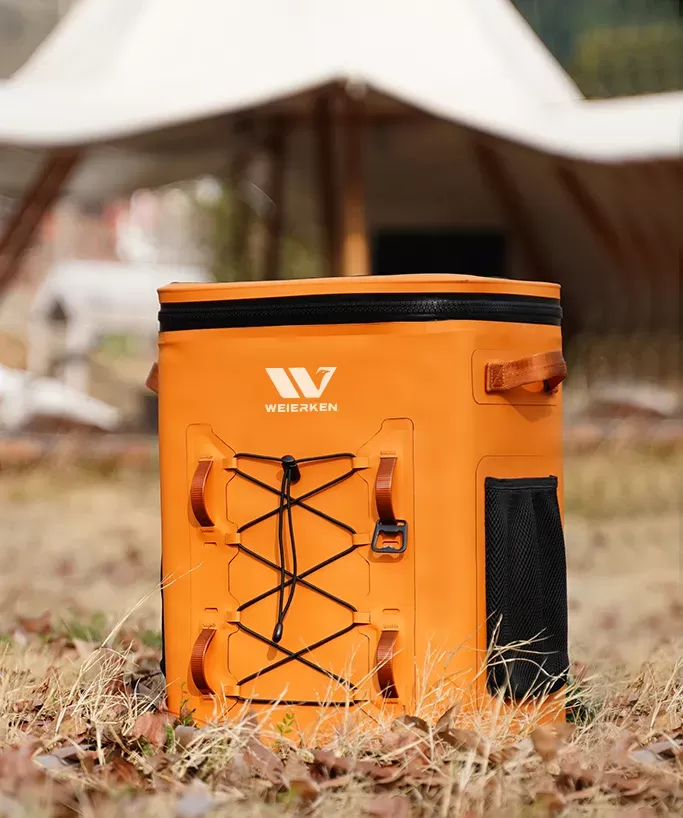


For large supermarket chains, fresh food delivery platforms, and cold chain logistics companies, temperature control is not just a feature. It is a core operational requirement. If a delivery bag fails to maintain the correct internal environment during transit, food spoils, bacterial growth accelerates, and brand trust evaporates. B2B buyers must know that their delivery packaging performs consistently under real-world pressures.
To ensure this performance, a professional grocery thermal bag maker does not rely on guesswork or simple estimations. Instead, manufacturers implement standardized, rigorous testing protocols to verify thermal performance. At weierken, a specialized grocery thermal bag maker, we believe that understanding these testing procedures helps procurement managers make informed purchasing decisions that protect their supply chains.
1. Simulating Real Environments: Environmental Chamber Testing
Outside delivery conditions are highly unpredictable. A delivery driver might transport ice cream in a hot trunk during a 38°C summer afternoon, or carry chilled dairy through sub-zero winter streets. To guarantee performance, a reliable thermal insulation bag manufacturer uses programmable environmental chambers.
These specialized testing chambers simulate extreme external weather conditions by controlling both temperature and humidity. The testing process typically follows a structured protocol:
Pre-conditioning: The empty thermal bag is stabilized at room temperature before testing begins.
Chamber Programming: Technicians program the chamber to run specific temperature cycles, representing different climates.
Continuous Monitoring: Sensors record how long the bag can resist external ambient heat before the internal temperature rises above critical thresholds.
This method allows the B2B insulated bag supplier to map the exact thermal resistance curve of the bag. It provides hard data on how the insulation materials respond when exposed to sustained external thermal stress.
2. Physical Simulation: Real-Load and Coolant Calibration
Testing an empty bag does not reflect actual delivery conditions. Air has a low volumetric heat capacity, meaning an empty thermal bag will warm up much faster than one packed with groceries. Therefore, accurate cold chain delivery bag testing requires real-load simulations.
To perform these tests, the manufacturer loads the bag with actual food items or simulated thermal masses. These items represent typical customer orders, such as frozen meats, dairy products, or fresh produce. Technicians then calibrate the thermal performance using different cooling agents:
Gel Packs: Testing determine how many grams of gel refrigerant are needed to maintain a 0°C to 4°C range for a specific duration.
Dry Ice: For frozen food delivery, tests verify if the lining materials can withstand ultra-low temperatures down to -18°C without cracking.
Phase Change Materials (PCMs): Technicians analyze the interaction between the bag's inner liner and advanced PCMs for precise temperature holding.
By assessing the heat transfer rate between the cold source, the cargo, and the external environment, a manufacturer can recommend the exact configuration of coolants required for your specific delivery window.
3. Multi-Point Temperature Monitoring & Data Logging
Heat does not enter a delivery bag uniformly. It seeks out the path of least resistance. Typically, heat ingress occurs at the seams, zippers, or closures. To identify these vulnerabilities, manufacturers use multi-channel temperature data loggers.
High-precision sensors are placed at multiple critical locations inside the bag, including:
The top section directly beneath the main zipper closure.
The geometric center of the packed payload.
The bottom corners where seams meet.
Directly adjacent to the outer walls.
These sensors record temperature data at minute-by-minute intervals. If the top sensor shows a rapid temperature spike while the center remains cold, it indicates a thermal leak at the zipper area. Our engineering team at weierken applies this spatial temperature analysis to refine our sewing and sealing techniques, eliminating localized thermal pathways before mass production begins.
4. Durability and Material Integrity Testing
Excellent insulation properties mean very little if the bag degrades after a few weeks of intensive use. The choice of insulation material—such as expanded polyethylene (EPE) foam, polyurethane (PU) foam, or vacuum insulation panels (VIP)—determines the initial thermal resistance. However, physical durability keeps that insulation functional over time.
A professional grocery thermal bag maker conducts several mechanical tests to ensure long-term thermal integrity:
Zipper and Closure Endurance: Zippers are opened and closed thousands of times to ensure they maintain a tight seal without parting.
Load-Bearing Pull Tests: The handles and shoulder straps are subjected to heavy load tests to prevent deformation, which can stretch the seams and let cold air escape.
Abrasion and Tear Resistance: The outer shell, often made of heavy-duty Oxford fabric or PVC, is tested against punctures and wear to prevent the core insulation foam from absorbing moisture.
If moisture penetrates the internal foam layer, the thermal conductivity rises dramatically. This ruins the bag’s insulating properties. Consistent physical testing ensures the insulation remains dry and functional throughout its service life.
5. Procurement Guide: What Reports Should B2B Buyers Ask For?
When purchasing bulk thermal grocery bags, procurement managers should look beyond basic product descriptions. To verify that a supplier’s claims are accurate, you should request specific documentation and testing certifications.
First, ask for thermal performance reports modeled after standard industry practices, such as ASTM thermal insulation standards. These reports provide objective proof of how the bag performs under regulated laboratory conditions.
Second, ensure the materials used comply with international regulatory frameworks. These include:
FDA Food Contact Certification: Ensures the inner lining material is safe for direct contact with food items and does not release harmful chemicals.
RoHS / REACH Compliance: Verifies that the plastics, fabrics, and foam insulation are free from hazardous substances.
Custom Delivery Profiles: Ask if the manufacturer can provide test data tailored to your exact transit time (e.g., 30-minute quick delivery versus 3-hour long-range transport).
A transparent manufacturer will readily share this testing data. They will help you select the exact foam thickness, outer shell density, and closure style to fit your operational requirements and budget constraints.
Frequently Asked Questions
1. How to test thermal bag performance at our own warehouse?
You can conduct a basic thermal test by placing a data logger inside the bag along with a fixed number of pre-chilled gel packs. Place the bag in a room with a stable temperature, and monitor how many hours it takes for the internal temperature to rise past your target threshold. For highly accurate results, however, calibrated laboratory chamber tests are recommended.
2. What is the difference between EPE foam and Sponge foam in thermal bags?
Expanded polyethylene (EPE) foam is a closed-cell material that offers excellent thermal insulation and moisture resistance, making it ideal for food delivery. Sponge foam or open-cell polyurethane foam is softer and cheaper but absorbs water easily. Water absorption increases thermal conductivity, which reduces the bag's overall insulation performance.
3. Can a grocery thermal bag maintain hot and cold items at the same time?
Yes, but only if the bag is designed with physical internal dividers or dual compartments. Without a physical barrier, heat transfer will occur quickly between the hot and cold items, neutralizing the temperature of both. A professional grocery thermal bag maker can design custom thermal barriers to prevent this internal heat exchange.
4. How do zippers affect the thermal performance of insulated bags?
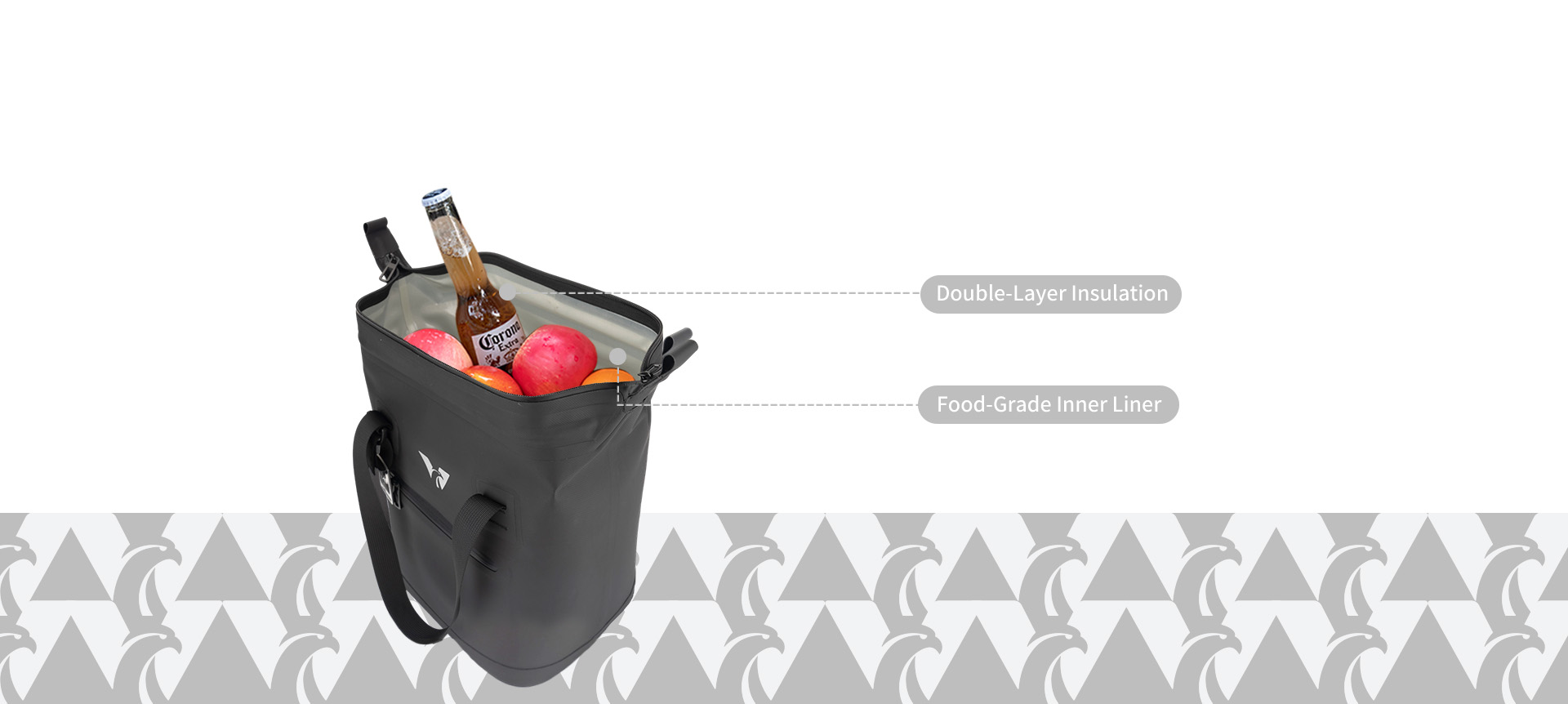
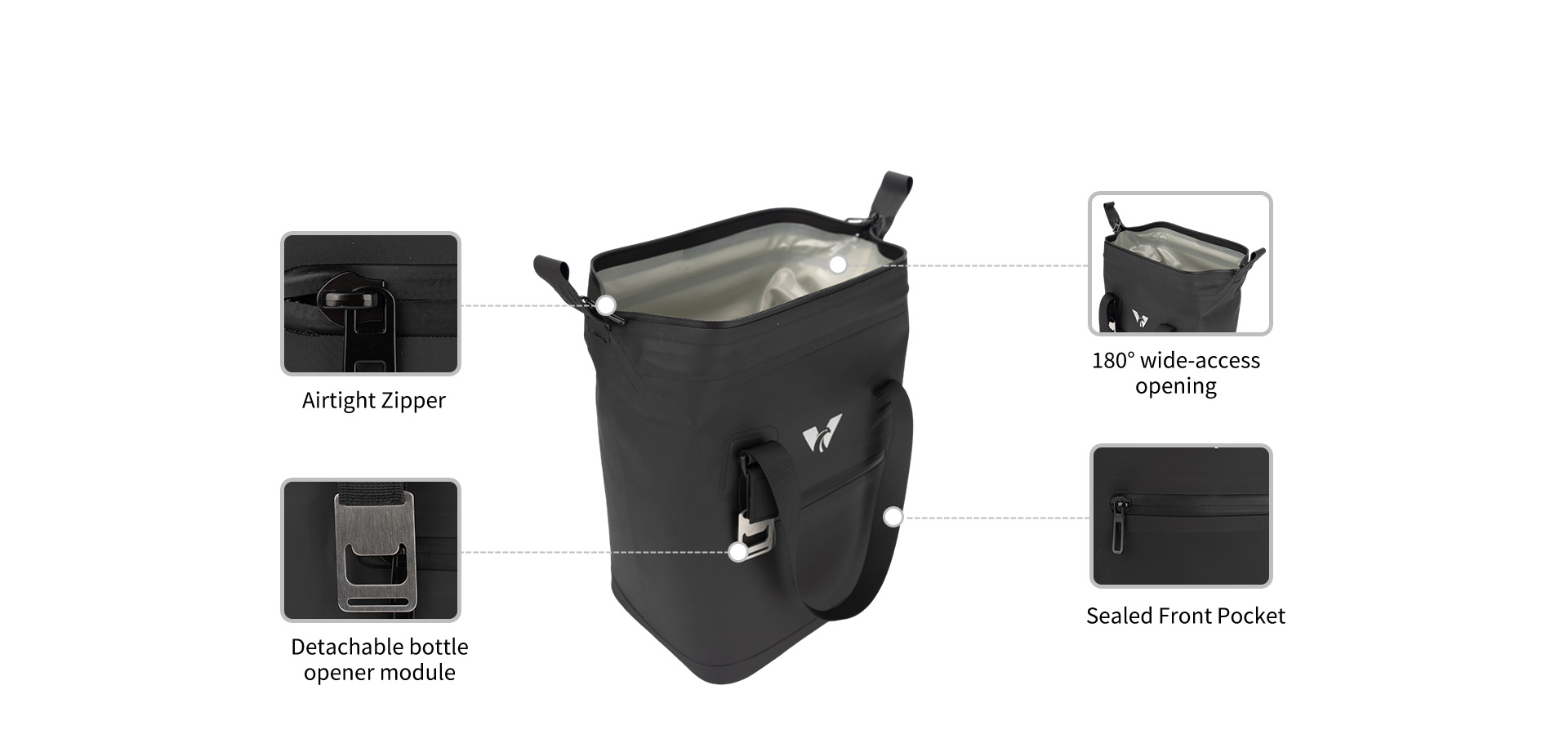
Zippers are a common source of thermal leakage. Standard nylon zippers allow air to pass through the teeth. To prevent this, high-performance bags use waterproof, airtight zippers or insulated zipper flaps that cover the seam. This extra layer blocks warm air from seeping into the bag during transit.
5. How long can bulk thermal grocery bags typically keep food frozen?
The duration depends on the insulation thickness, the external temperature, and the amount of dry ice or gel packs used. Typically, a high-quality bag with 10mm EPE foam can keep food frozen for 2 to 4 hours in summer conditions when properly loaded with appropriate coolants.
6. Why does the outer material of the bag matter for insulation?
The outer fabric protects the internal insulation from physical damage and water ingress. If the outer layer punctures or absorbs rainwater, the inner foam can degrade or mold. Using water-resistant, durable materials like high-density Oxford fabric or PVC coated tarpaulin ensures the insulation layer remains dry and effective.
Work with a Reliable Grocery Thermal Bag Maker
Selecting the right thermal delivery bag requires a balance of material science, structural engineering, and rigorous testing. Investing in verified performance protects your perishable goods, reduces food waste, and keeps your customers satisfied with every delivery.
Are you looking for a trusted partner to supply your delivery network? At weierken, we manufacture high-performance, customized thermal bags designed to meet your specific delivery timeframes and temperature requirements. Contact our team today to discuss your project, learn more about our testing protocols, or request a detailed quote for your bulk order.