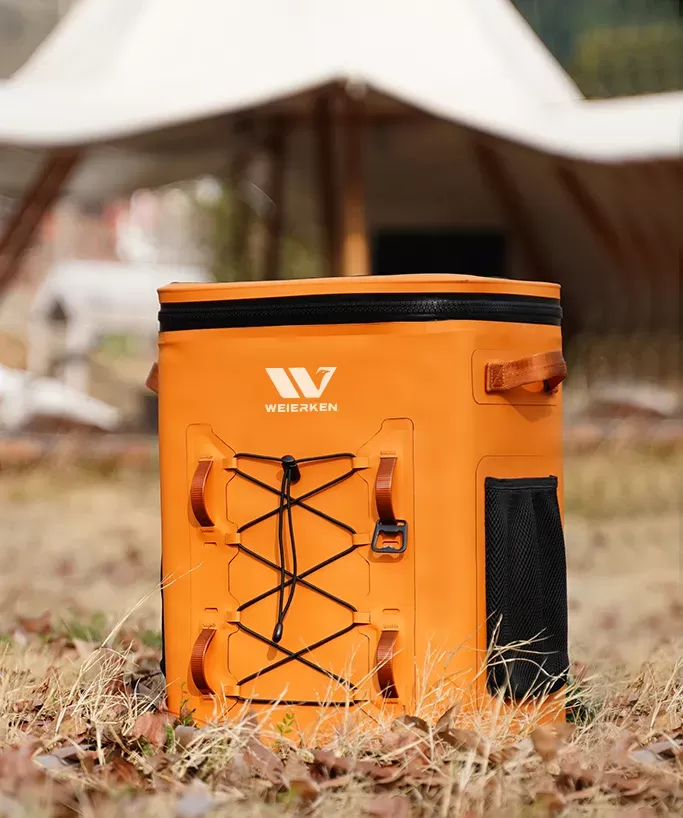

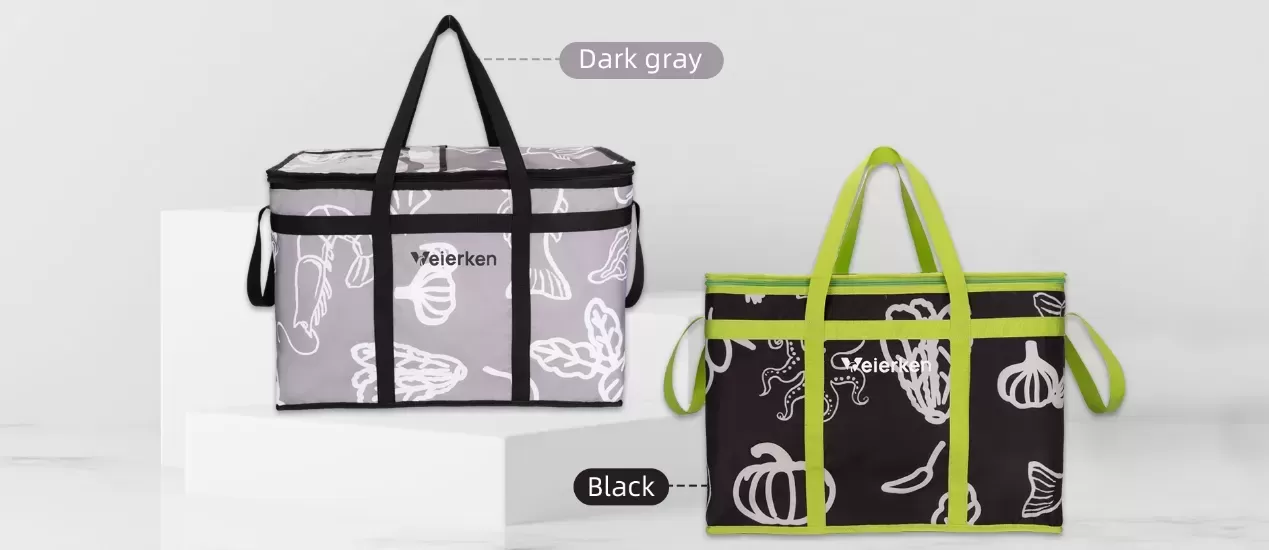
In the modern retail market, lunch bags have moved past their basic utilitarian roots. They are no longer just simple containers for keeping food cold. Today, consumers view them as lifestyle statements, daily accessories, and extensions of their personal style.
Because of this shift, brands face intense competition to launch fresh, eye-catching designs. However, a great design concept on paper can fail during mass production if the factory lacks the technical expertise to execute it. This is why partnering with an experienced lunch insulated bag maker is crucial for your brand's growth.
A capable manufacturing partner, like weierken, does more than just stitch materials together. They have the engineering expertise, material sourcing networks, and technical machinery to turn challenging design trends into highly functional, retail-ready products.
Here are four major market design trends that your lunch insulated bag maker can help you bring to life.
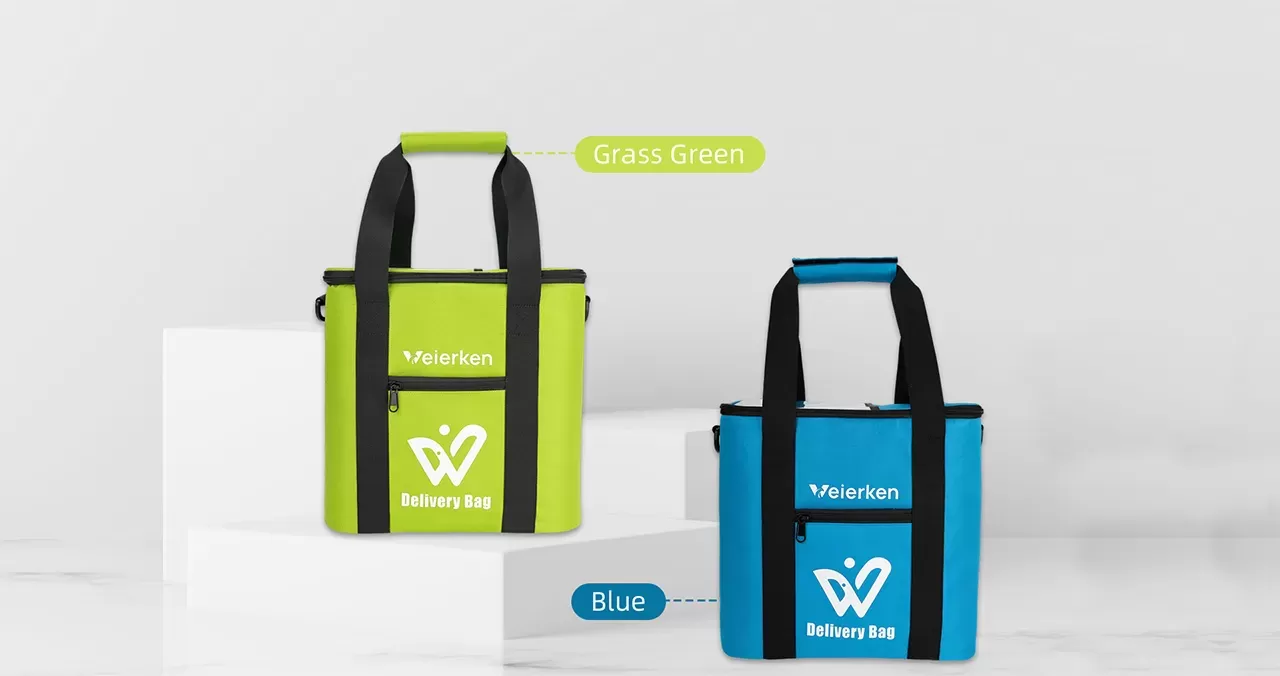
1. Sustainable & Eco-Conscious Aesthetics
Consumer demand for green products is no longer a niche preference. Buyers actively look for items that reduce plastic waste and feature sustainable materials. They also demand transparency, often asking for certificates to verify that the materials used are truly eco-friendly.
Designing with sustainable materials, however, presents unique manufacturing challenges. Eco-friendly fabrics behave differently than standard synthetics under heat and stress. A professional lunch insulated bag maker must know how to handle these materials during production.
An experienced factory will help you adopt this trend by offering:
GRS-Certified Recycled Fabrics: Sourcing verified RPET (recycled polyester) made from post-consumer plastic bottles.
Innovative Plant-Based Materials: Adapting natural cork, organic cotton canvas, or washable kraft paper into durable outer shells.
Safe Food-Grade Liners: Ensuring internal materials are made of BPA-free, non-toxic PEVA or biodegradable TPU instead of PVC.
High-Temperature Bonding Solutions: Adjusting the heat-sealing parameters so that sustainable outer fabrics do not warp or burn when bonded to the inner insulation layers.
2. Seamless High-Frequency Welded Lining
Leaking is one of the most common complaints consumers have about thermal bags. Traditional insulated bags are sewn together with needles and thread. This sewing process creates thousands of tiny puncture holes along the seams, allowing melted ice, condensation, or spilled food to seep through.
To win customer loyalty, brands are shifting toward 100% leakproof designs. Achieving this requires specialized assembly machinery rather than standard sewing lines.
Your insulated lunch bag manufacturer can make your bags leakproof using these methods:
High-Frequency (HF) Welding: Utilizing high-frequency electromagnetic energy to melt and fuse PEVA or TPU lining sheets together. This creates a single, continuous, and seamless inner tub that prevents liquids from escaping.
Hot-Air Tape Sealing: Applying waterproof sealing tape over stitched areas to reinforce heavy stress points without compromising leak protection.
Structural Corner Reinforcement: Designing the interior corners with rounded, stress-dispersing shapes to prevent the liner from cracking or tearing after repeated folding and cleaning.
By switching to a seamless interior, you also make the bag much easier for the end consumer to wipe clean, which is a major selling point in retail marketing.
3. Urban Minimalist & "Anti-Lunch Box" Styling
Office professionals and university students often prefer to carry lunch bags that do not look like traditional lunchboxes. They want bags that blend seamlessly with their work wear, gym gear, or casual outfits. This has led to the rise of the "anti-lunch box" trend—minimalist designs that resemble chic tote bags, sleek messenger bags, or compact backpacks.
At weierken, our product development team helps brands achieve this minimalist aesthetic by replacing bulky, traditional hardware with modern, clean alternatives.
A direct lunch insulated bag maker can help you execute this trend through several key features:
Concealed Zippers: Using reverse-coil zippers or water-resistant zipper covers to create a clean, unbroken exterior silhouette.
Magnetic and Roll-Top Closures: Replacing zippers with magnetic snaps or roll-top buckles, which gives the bag a modern, casual look while maintaining thermal performance.
Premium Matte Fabrics: Sourcing high-quality fabrics like matte-finished PU, oxford fabric, or cationic polyester, which offer a premium tactile feel.
Dry and Wet Separation: Developing smart, hidden external pockets for laptops or smartphones, keeping electronics completely safe from any internal moisture.
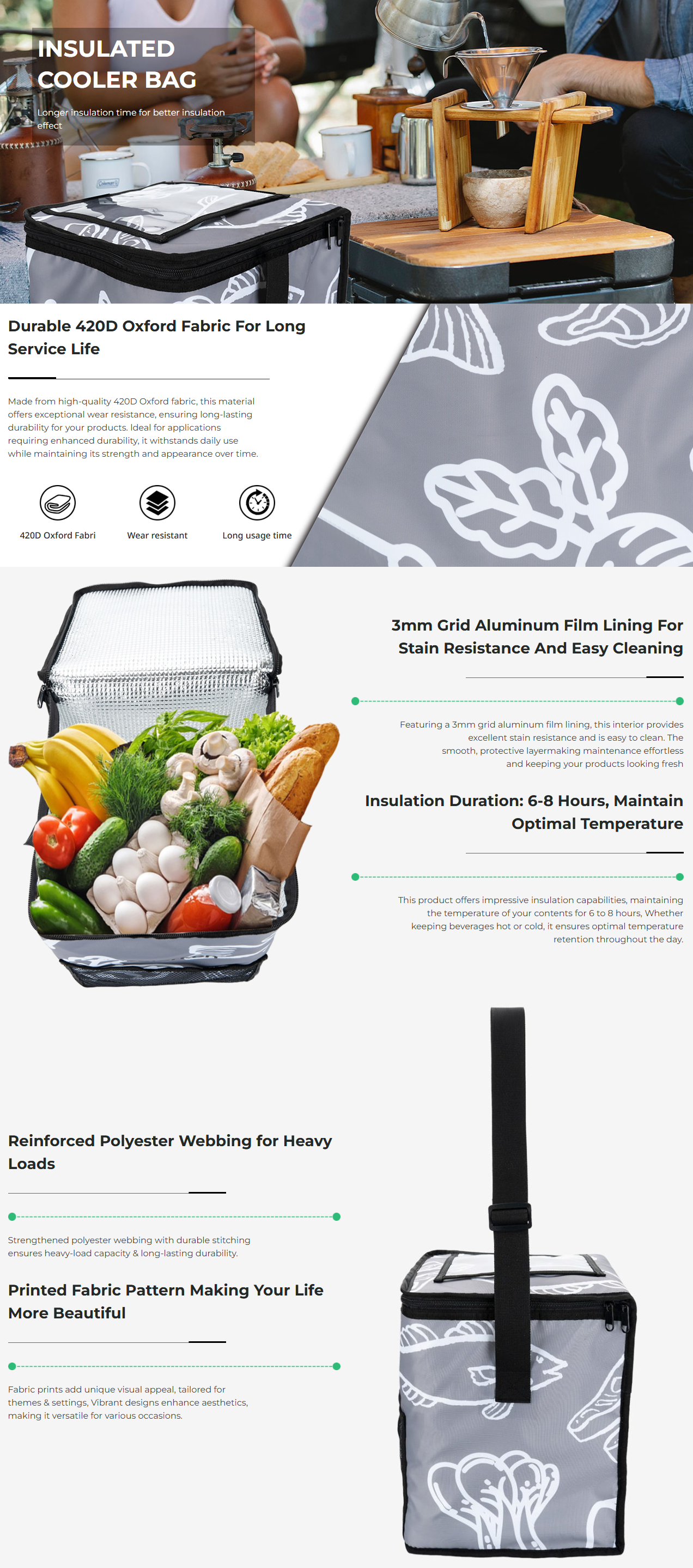
4. Modular & Adjustable Space Configurations
Consumers now use their insulated bags for a wider variety of activities. A bag might carry a simple lunch container on Monday, but on Saturday, it needs to hold several beverage cans, snacks, and ice packs for a family picnic.
This need for adaptability has made modular design highly popular. Buyers love bags that can expand, shrink, or reorganize their interior spaces based on the day's activities.
Your custom thermal bag supplier can help you incorporate these functional, modular features:
Removable Insulated Dividers: Using hook-and-loop (Velcro) panels to create adjustable interior sections. Users can separate warm food containers from cold drinks, or keep fruit away from heavier items.
Expandable Zipper Systems: Adding a perimeter expansion zipper that increases the bag's storage volume by 30% to 50% when unzipped, similar to expandable travel luggage.
Detachable Accessories: Designing removable shoulder straps, exterior key clips, or modular water bottle pouches that clip onto the bag only when needed.
Implementing these complex mechanical designs requires precise pattern cutting and strict tolerance controls. An experienced manufacturer ensures that the expanding zippers and modular panels work smoothly even after hundreds of uses.
Launching a successful product line requires more than just following the latest consumer trends. It requires a manufacturing partner who can translate creative designs into practical, cost-effective, and highly durable physical goods.
An adaptable lunch insulated bag maker acts as your engineering division. They advise you on fabric performance, test new construction methods, and help you avoid expensive production mistakes before they happen.
At weierken, we combine advanced machinery with a deep understanding of modern design trends. We work side-by-side with your product designers to turn creative sketches into high-quality, market-ready thermal bags.
Do you have a design concept you want to test? Inquire with our team today to request material samples or discuss your prototyping options.
Frequently Asked Questions
1. Can weierken source GRS-certified recycled fabrics for custom orders?
Yes. We have a verified supply chain of GRS (Global Recycled Standard) certified material suppliers. We can provide the necessary transaction certificates (TC) to prove the authenticity of the recycled materials used in your custom production run.
2. What makes a lining 100% leakproof compared to water-resistant?
A water-resistant lining utilizes coated fabrics that repel minor spills, but liquid can still seep through stitched needle holes over time. A 100% leakproof lining uses thermoplastic materials like PEVA or TPU that are welded together using high-frequency heat. This creates a solid, hole-free basin that holds standing water indefinitely without leaking.
3. Can you print high-definition artwork on eco-friendly paper or fabric?
Yes. We offer several printing techniques suitable for sustainable materials. For example, we can use water-based inks for silk-screen printing on organic cotton, or thermal transfer printing on RPET to achieve vibrant, high-definition designs while maintaining eco-friendly product standards.
4. What is the typical development timeline for a modular lunch bag?
Because modular designs involve complex components like expanding zippers and removable dividers, the development process takes slightly longer. Creating the initial CAD drawings and producing a physical prototype typically takes 7 to 10 working days. Fine-tuning the sample based on your feedback may require an additional round of adjustments.
5. How does high-frequency welding affect the production cost?
While high-frequency welding requires specialized molds and machinery, it is highly automated. This automation reduces manual sewing time, making the overall labor cost very competitive for medium-to-large production runs. Our technical team will help you evaluate if your design is suitable for this manufacturing method to optimize your budget.