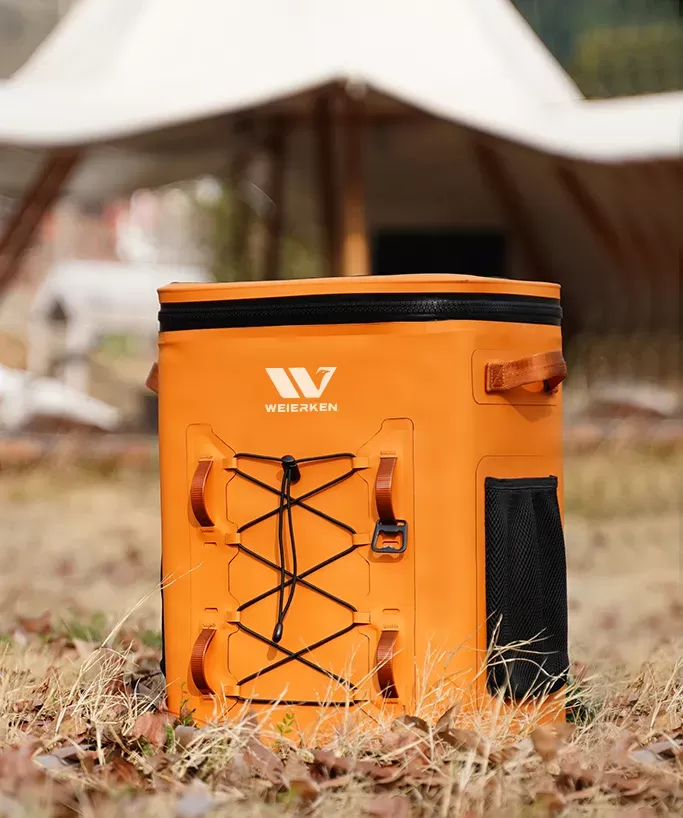

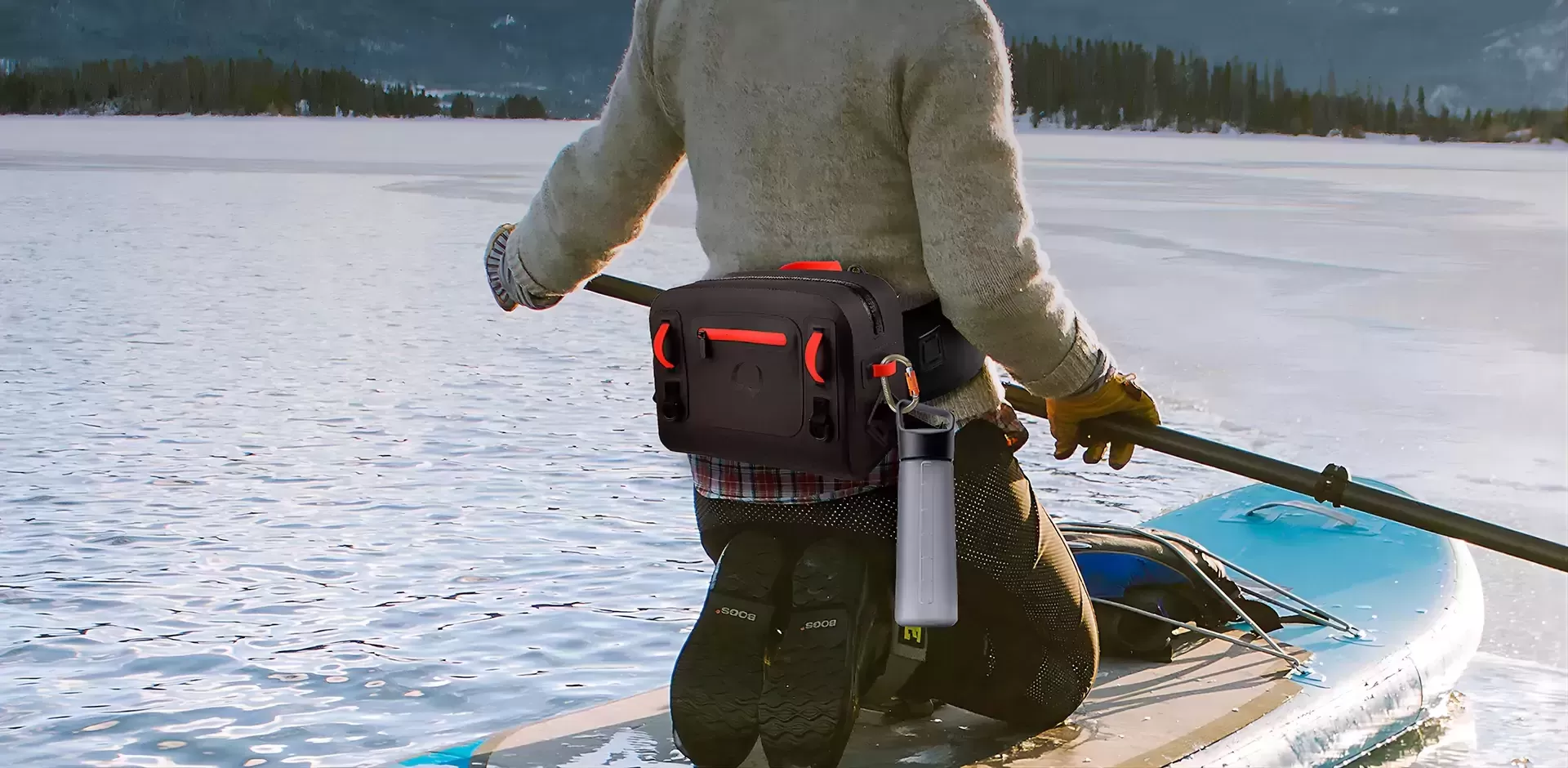
What does an IPX7 rating actually mean for your customers? It represents peace of mind when they drop valuable gear into a river, pool, or ocean. Under international testing rules, a product with this rating must survive complete immersion in water up to one meter deep for thirty minutes without taking on a single drop of liquid.
For B2B buyers, product failure is not an option. If a user's phone, tablet, or car key gets waterlogged because of a failed seam, your brand faces bad reviews, expensive product returns, and lost trust. This is why partnering with an experienced IPX7 waterproof bag maker like weierken is vital for your business survival.
A professional manufacturer does not guess if a dry bag will hold up under pressure. Instead, they apply strict scientific testing protocols throughout the production cycle. Let us look at four core testing standards your OEM partner must use to guarantee field-ready performance.
1. Real-Water Immersion Testing (The Direct Validation)
Before submitting any product samples to external certification labs like SGS or TUV, a qualified OEM waterproof dry bag factory must perform internal water immersion testing. This test physically replicates real-world water pressure at a depth of one meter.
Relying purely on visual checks at the end of the line will not protect your brand. This is where a certified IPX7 waterproof bag maker proves its value by using dedicated water tank testing setups on pre-production batches.
Technicians place dry indicators inside the bags, seal them, and sink them to verify that the closures and welded seams hold up perfectly against water entry.
Color-Changing Indicator Sheets: Technicians place highly absorbent indicator papers inside the dry pocket to show even the smallest hint of moisture.
One-Meter Submersion Depth: The test tank must be deep enough to submerge the top edge of the product at least one meter below the water surface.
Thirty-Minute Duration: Technicians submerge the bags for exactly thirty minutes to satisfy the official IPX7 immersion test standards.
After pulling the bags out of the water, workers dry the exteriors completely before opening them. Any moisture on the indicator paper points to a leak, signaling that the weld settings need adjustment.
2. Non-Destructive Differential Air Pressure Leak Testing
While water immersion testing is excellent for qualifying designs, it is a slow process. You cannot dip every single bag from your production line into water, as drying them out takes too much time. This would delay your shipping schedules.
To solve this, a modern IPX7 waterproof bag maker uses differential air pressure leak testers for inline quality checks. This dry testing method measures air pressure changes inside the bag in a matter of seconds.
This allows workers to test 100% of the completed bags on the assembly line without getting them wet or slowing down the packaging process.
Controlled Air Pressurization: The testing machine injects a precise amount of clean, dry air into the sealed pouch.
High-Sensitivity Pressure Sensors: Digital sensors monitor the internal air pressure of the dry bag for 5 to 15 seconds.
Micro-Leak Detection: If the pressure drop exceeds a tiny threshold, the machine flags the bag as a fail, indicating a microscopic hole in the weld.
Using this advanced high-frequency welded bag quality control method ensures that zero defective pouches ever make it into your shipping containers.
3. High-Frequency Seam Pull and Peel Strength Testing
Welded seams must withstand heavy physical stress. When a user drops a fully loaded bag or packs it tightly with gear, the internal air compresses rapidly. This sudden rise in internal pressure can easily burst weak seams.
Any reputable IPX7 waterproof bag maker will tell you that a weld must be as strong as the raw fabric itself. To ensure this, quality teams use universal tensile testing machines to run destructive pull tests.
These tests confirm that the high-frequency welded joints will not split under pressure, keeping the internal compartment safe from water leaks during rugged outdoor activities.
Standardized Strip Cuts: Technicians cut uniform strips of fabric across the welded seams from random production batches.
Tensile Force Measuring: The testing machine pulls the fabric ends in opposite directions until the welded joint breaks or separates.
Target Strength Thresholds: The welded seam must achieve a peel and tensile strength rating of at least 80% of the raw material's maximum strength.
By enforcing this standard, weierken ensures that your customized waterproof bags will not split open when dropped onto hard ground or packed to their absolute limits.
4. Hydrostatic Head Pressure Testing on Raw Fabric
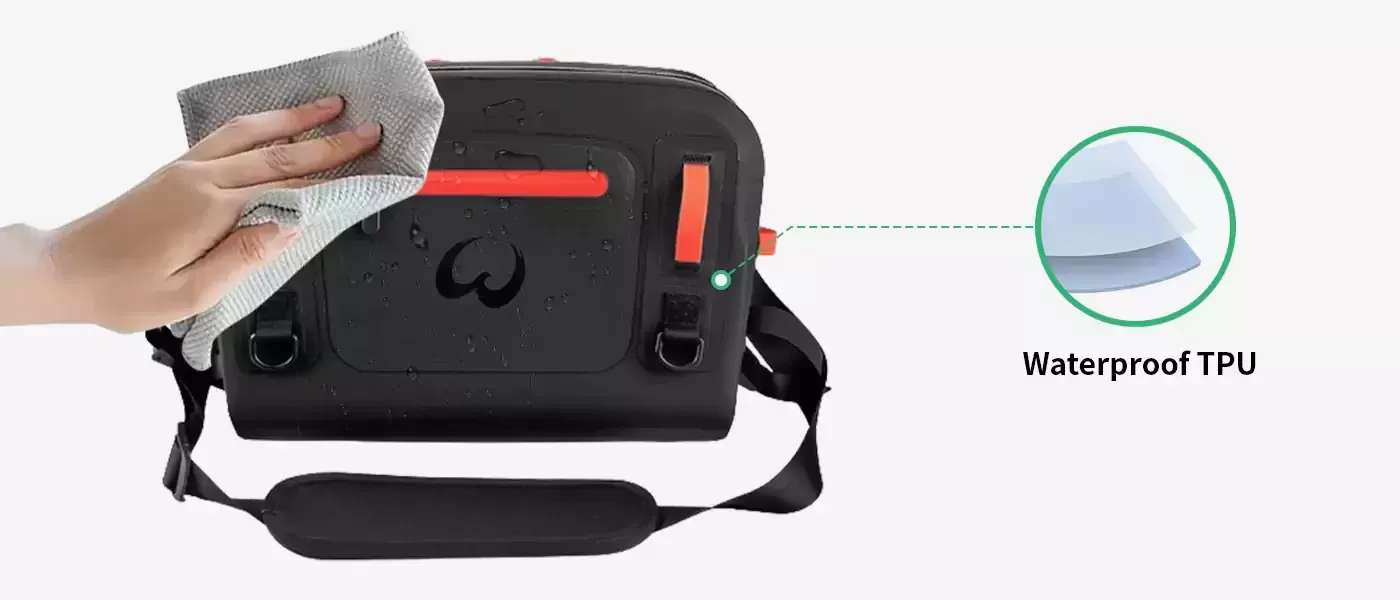
Water resistance does not only rely on strong seams. The raw fabric itself must repel water under heavy pressure. If the fabric's TPU coating is uneven or laminated poorly, water can slowly seep through the material under load.
A reliable IPX7 waterproof bag maker tests raw fabric shipments before they enter the cutting and production lines. This prevents bad material batches from reaching assembly.
Using a hydrostatic pressure tester, technicians measure exactly how much water pressure the fabric can withstand before moisture shows on the back of the material.
Water Column Test Setup: The tester clamps a fabric swatch into a sealed chamber and applies rising water pressure against its surface.
Three-Point Leak Check: Technicians monitor the fabric and record the pressure reading when the third water droplet penetrates the back.
High-Performance Baselines: To qualify for durable outdoor gear, fabrics must withstand a minimum water pressure of 10,000mm H2O.
Testing your raw fabrics at the beginning of the manufacturing run prevents widespread material failures, keeping your delivery dates secure and your quality high.
Secure Your Brand Reputation with Verified Quality Testing
Building a reliable IPX7 dry bag is not just about choosing good raw materials. It requires a systematic testing regimen to verify that every weld, fabric lot, and sealing closure performs under real environmental pressure.
When selecting your next IPX7 waterproof bag maker, B2B buyers should look closely at a factory's testing equipment. A manufacturer who invests in air pressure testers, immersion tanks, and tensile testing machinery is a partner you can trust.
At weierken, we treat quality testing as an essential step in our daily production routine. We provide transparent testing reports and consistent quality to protect your brand's reputation in the water sports and outdoor gear markets.
Are you ready to develop a highly durable, certified waterproof bag? Contact our technical sales team today to request a quote or order a physical sample.
Frequently Asked Questions
1. What is the difference between IPX6 and IPX7 waterproof ratings?
IPX6 rated bags can handle heavy splashing and high-pressure water jets from any angle, but they are not designed to be submerged. IPX7 bags can withstand complete submersion in water up to one meter deep for exactly thirty minutes without leaking.
2. Does a professional IPX7 waterproof bag maker recommend roll-top or zipper closures?
Both styles work well when made correctly. Airtight, waterproof zippers offer direct access and are highly secure. Roll-top closures require at least three tight folds and a secure buckle to achieve a reliable IPX7 seal.
3. Do you provide testing certificates with OEM production orders?
Yes. A quality customized waterproof pouch manufacturer can provide internal testing reports, including air pressure decay test summaries and material hydrostatic pressure logs, to verify production quality before shipment.
4. Why does an IPX7 waterproof bag maker use TPU instead of PVC?
Thermoplastic Polyurethane (TPU) offers better tear strength, superior abrasion resistance, and remains highly flexible in cold weather. It is also more environmentally friendly than traditional PVC, which can crack in cold conditions.
5. How long does a typical IPX7 waterproof bag maker take to produce a custom sample?
A standard custom sample run takes about 7 to 10 working days, depending on fabric availability and tool setup. This allows time to verify the high-frequency weld tooling and run internal leak tests before shipping the sample to you.