
The global demand for high-performance outdoor gear continues to rise. Consumers expect their gear to withstand unpredictable weather, heavy rains, and accidental submersions. For outdoor brands, offering a truly waterproof bag is no longer optional. However, sourcing a reliable product remains a persistent challenge for many procurement managers.
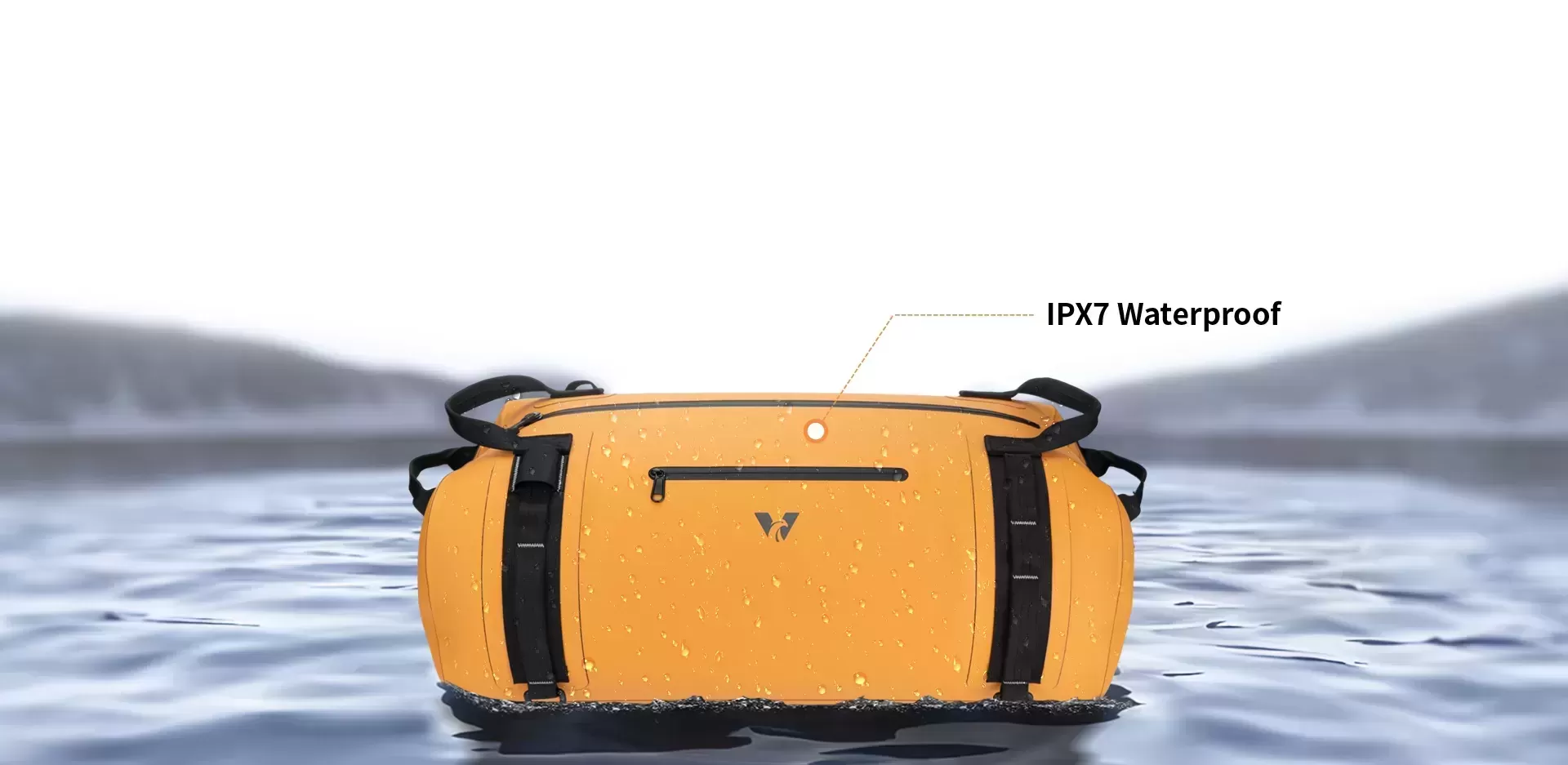
Many suppliers claim their products are fully waterproof, but these bags often fail when subjected to real-world stress. Standard sewing methods cannot prevent water from entering under pressure. To achieve a true IPX7 rating—where a bag survives immersion in one meter of water for thirty minutes—you need a specialized manufacturer. Partners like weierken help brands bridge this gap by focusing on technical precision during production.
This guide analyzes the core technical requirements of IPX7 bag production. It provides product managers and buyers with the technical insights needed to evaluate prospective manufacturing partners effectively.
1. Core Manufacturing Technology: RF Welding vs. Sewing
Traditional bags rely on needles and thread to join fabrics together. This process creates thousands of tiny punctures in the material. Even if a manufacturer covers these seams with waterproof tape, the adhesive can degrade over time when exposed to heat, UV rays, and moisture.
A professional IPX7 bag maker avoids traditional stitching entirely for waterproof seams. Instead, they rely on advanced thermal bonding techniques to create a continuous, hermetic seal.
High-Frequency (RF) Welding: This process uses electromagnetic energy to agitate the molecules of the thermoplastic materials. The molecules fuse together under pressure, creating a seam that is as strong as the original fabric.
Hot Air Welding: This method applies controlled heat and pressure to melt the edges of the material together. It works well for long, straight seams but requires precise speed calibration to avoid burning the fabric.
Laser Welding: Used for intricate designs or thin technical films, laser welding offers high precision but usually involves higher tooling costs.
When vetting an RF welded bag factory, ask about the wattage of their machinery. Low-power machines may produce uneven welds that fail under moderate tension. High-capacity factories utilize machines ranging from 8kW to 35kW to handle different material thicknesses and seam lengths.
Material Selection: TPU vs. PVC
The choice of raw material directly impacts the welding quality and the durability of the finished bag. Most IPX7 products are constructed from either Thermoplastic Polyurethane (TPU) or Polyvinyl Chloride (PVC).
PVC is cost-effective and easy to weld, making it a common choice for budget-friendly wholesale dry bags. However, PVC can stiffen and crack in cold environments, and it is less environmentally friendly. TPU is highly flexible, resistant to abrasions, and performs well in freezing temperatures. It is more expensive and requires tighter temperature controls during the welding process, but it delivers a much longer product lifespan.
2. Quality Control and Compliance Testing
You cannot verify an IPX7 rating through a simple visual inspection. A professional waterproof bag manufacturer must have dedicated testing equipment on the factory floor to verify every production run.
Reliable manufacturers use structured quality control workflows to verify performance before shipping. Below are the primary testing methods used in the industry:
Air Inflation Testing: The factory inflates the bag to a specific pressure level and monitors it over several hours. Any drop in pressure indicates a micro-leak in the weld or the zipper.
Hydrostatic Pressure Testing: This test measures the seam's resistance to water penetration under pressure, simulating deep submersion.
Water Immersion Tanks: The factory submerges the inflated bags in a clear water tank. Quality control technicians look for bubbles, which reveal the exact location of any seal failure.
Ask potential partners about their Acceptable Quality Limit (AQL) standards. For IPX7 products, a reliable factory should perform 100% inflation testing on critical seams rather than relying solely on random batch sampling.
Compliance is another critical factor. Ensure the factory holds ISO 9001 certification. For brands selling in Europe or North America, verify that the raw materials comply with REACH, RoHS, or FDA standards for non-toxic product formulations.
3. Production Capacity and Customization (OEM/ODM)
Finding a factory that can manufacture a standard dry bag is relatively easy. However, finding an IPX7 bag maker capable of developing complex, custom designs requires a deeper look into their engineering capabilities.
Custom shapes, integrated pockets, and specialized carry straps require custom tooling. Experienced manufacturers, including weierken, work closely with brands to design custom brass or aluminum welding dies. These custom dies ensure that complex curves and junctions are welded uniformly without weak spots.
Consider the following factors when assessing a manufacturer's customization capabilities:
Tooling and R&D Teams: Check if the manufacturer has in-house mold-making capabilities. In-house tooling reduces lead times and allows for faster prototype iterations.
Minimum Order Quantities (MOQs): Custom TPU waterproof bag designs often carry higher MOQs than standard PVC designs due to the setup costs of RF welding machinery.
Component Sourcing: High-quality hardware is essential. A great bag design will fail if the zipper leaks under pressure.
The Importance of Airtight Zippers
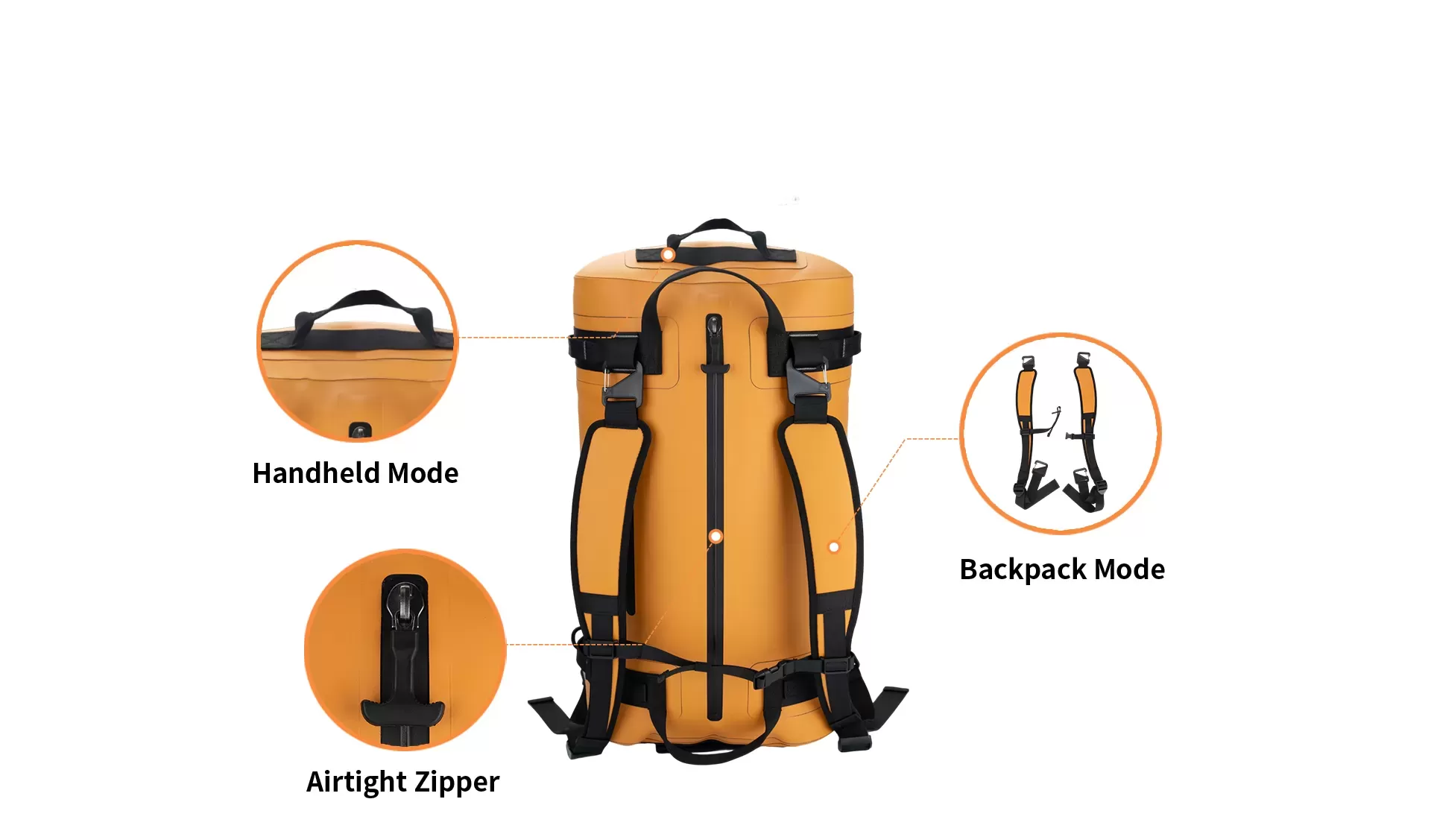
For a bag to achieve an IPX7 rating while offering easy access, it must use a specialized airtight zipper. These zippers use teeth that interlock to compress a rubber or polyurethane seal.
Ask your manufacturing partner about their zipper sourcing. Do they use established brands like YKK or TIZIP, or do they offer in-house developed alternatives? Brand-name zippers offer proven reliability but increase the bill of materials (BOM) cost. If the factory suggests an in-house zipper, request independent test reports demonstrating its durability over hundreds of opening and closing cycles.
4. Sourcing Checklist: Key Questions for Suppliers
When you contact a potential waterproof bag manufacturer, look beyond basic price quotes. Use these specific technical questions to evaluate their actual manufacturing expertise:
What is the output power of your high-frequency welding machines? This helps you determine if they can handle heavy-duty fabrics and complex welds.
Do you perform 100% airtightness testing on production runs, or do you use batch sampling? For premium IPX7 gear, 100% inspection of the welded seams is highly recommended.
Can you provide material data sheets and compliance certifications for TPU/PVC? This ensures the raw materials comply with chemical safety regulations in your target markets.
Do you manufacture the welding dies in-house, and what is the typical lead time for custom tooling? In-house tooling production usually indicates a higher level of engineering capability.
What is your standard protocol if a batch fails QC during third-party inspection? Clear accountability terms in your manufacturing agreement help prevent costly delays and disputes.
A professional factory will answer these questions clearly and provide photos or videos of their testing setups, assembly lines, and machinery.
Selecting the right IPX7 bag maker requires careful evaluation of their welding technology, material expertise, and testing procedures. By prioritizing suppliers with robust RF welding equipment and clear quality control processes, you can protect your brand's reputation and avoid high return rates. Manufacturers like weierken continue to support brands by offering the technical expertise needed to produce reliable, high-performance waterproof gear.
Are you looking to develop a new line of waterproof bags? Contact our engineering team today to discuss your technical specifications, request a sample, or obtain a detailed manufacturing quote for your next project.
Frequently Asked Questions
1. What is the difference between IPX6 and IPX7 ratings?
An IPX6 rating means the bag can resist high-pressure, heavy water sprays from any angle but is not designed for submersion. An IPX7 rating means the bag can withstand complete immersion in water up to 1 meter deep for 30 minutes without allowing any water to penetrate inside.
2. Why does TPU cost more than PVC for waterproof bags?
TPU is more expensive because it offers superior abrasion resistance, better environmental safety, and retains its flexibility in freezing temperatures. It also requires more precise temperature and pressure controls during the RF welding process, which increases production complexity.
3. Can an IPX7 bag have sewn shoulder straps?
Yes, but the straps cannot be sewn directly into the main dry compartment of the bag. An experienced IPX7 bag maker will sew the straps to an external patch, and then RF-weld that patch onto the exterior of the waterproof shell to maintain the bag's integrity.
4. What is the typical lifetime of an airtight zipper?
The lifespan of an airtight zipper depends on maintenance and usage. High-quality zippers can last for thousands of cycles if they are kept clean of sand and dirt and are lubricated regularly with silicone grease as recommended by the manufacturer.
5. How do factories handle customs and shipping for bulk orders?
Most established manufacturers offer standard international shipping terms, including FOB (Free on Board) and EXW (Ex Works). Some can also arrange DDP (Delivered Duty Paid) shipping, handling import clearance and duties on behalf of the buyer.