

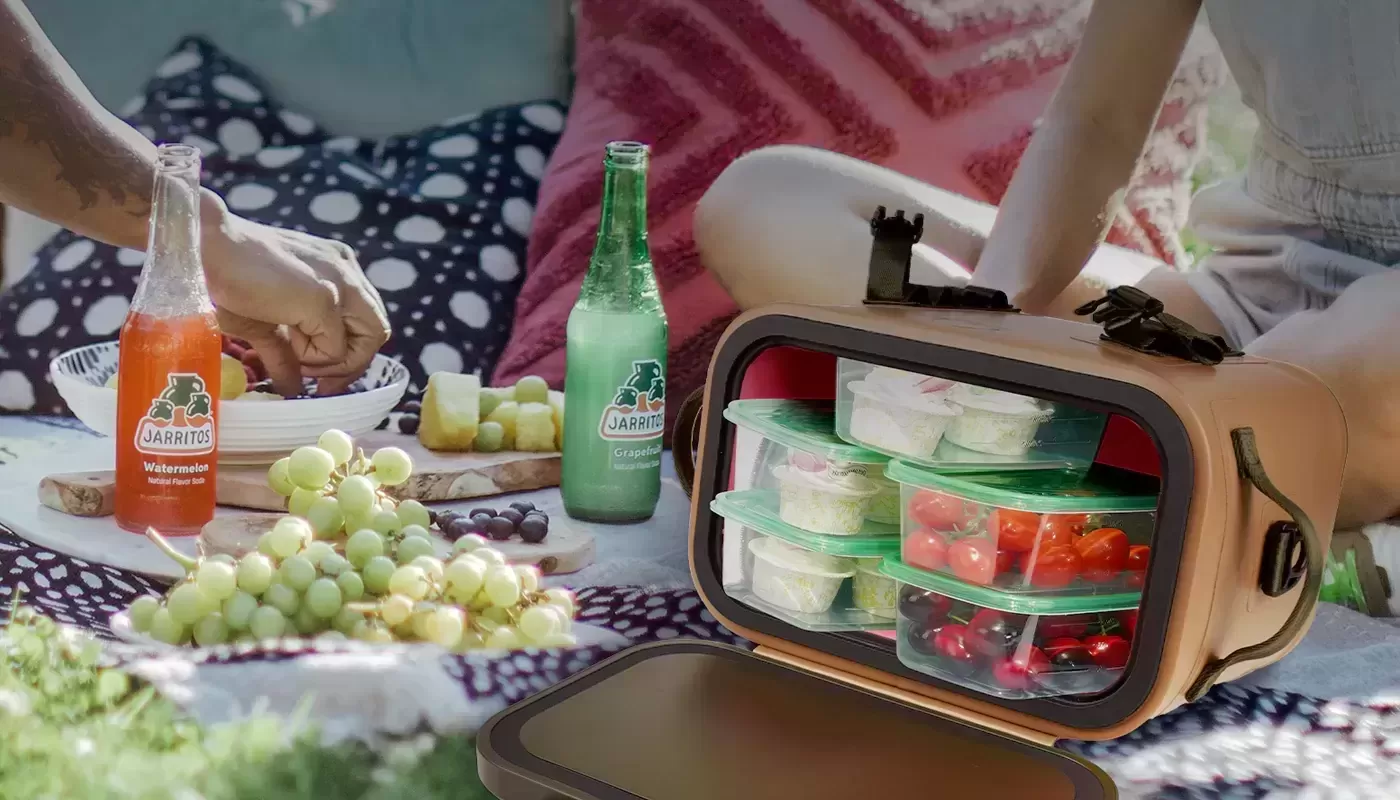
Outdoor leisure habits are changing rapidly across the globe. Consumers no longer accept basic, single-compartment cooling bags that perform poorly. They want specialized gear that keeps raw meats safe, drinks cold, and accessories organized. For brands sourcing from a bbq cooler bag factory, staying ahead of design cycles is critical for retail success.
At weierken, we study these changing consumer habits closely. Planning your product line for 2026 requires understanding how materials and structures evolve. Below are five major design trends our manufacturing team has identified for the upcoming seasons. These insights will help you plan your next bulk cooler bag supply with confidence.
1. Modular Partition Insulation Structure
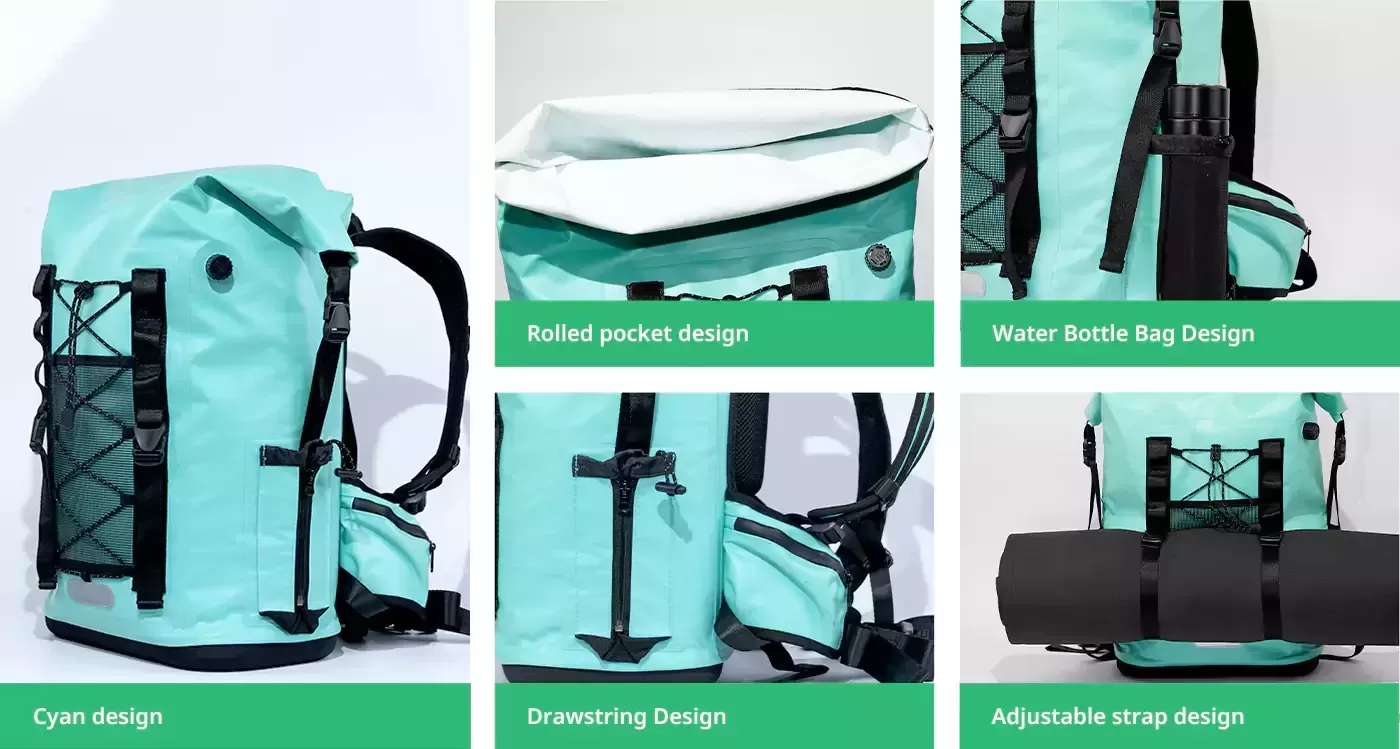
Traditional single-cavity designs often fail during complex outdoor cooking trips. Raw meats, cold drinks, fresh vegetables, and warm sauces all require different storage conditions. Putting them in the same space leads to cross-contamination and unwanted temperature shifts. In 2026, modularity will become a standard design expectation for premium bags.
Brands now require bags with adjustable or removable internal dividers. These partitions let users customize the interior layout based on their specific menu. By isolating different sections, you can maintain optimal temperatures for various food groups.
Hook-and-loop adjustable walls: Allow customers to resize compartments instantly.
Dual-zone insulation chambers: Keep beverages ice-cold on one side while keeping prepared meats warm on the other.
Dry-zone insert trays: Protect buns, napkins, and utensils from melting ice water.
As an experienced insulated picnic bag manufacturer, we implement these modular systems cost-effectively. We utilize interior insert slots and smart zipper patterns. This avoids complex assembly steps during production. It keeps production costs manageable while offering significant value to the end user.
2. Eco-Friendly Recycled Fabrics as the Standard
Sustainable materials are no longer just a premium marketing feature. In North American and European markets, recycled components have become a basic entry requirement. Brands looking for custom cooler bag production must adapt to these shifting regulatory and consumer standards.
By 2026, we expect recycled polyester (RPET), recycled TPU, and bio-based coatings to dominate the market. Consumers want to know that their outdoor gear does not harm the environments they enjoy exploring.
RPET exterior shells: Durable fabrics woven entirely from recycled post-consumer plastic bottles.
Recycled TPU linings: Provide a reliable, food-grade leakproof lining without using toxic PVC.
PFC-free water repellents: Plant-based outer coatings that shed water without environmental buildup.
A reliable bbq cooler bag factory must offer fully traceable materials. At weierken, we ensure our supply chains carry valid Global Recycled Standard (GRS) certifications. This certification helps your brand build a transparent, eco-friendly narrative that resonates with modern buyers.
3. The Fusion of Hard Shell and Soft Shell Designs
Soft cooler bags are light, comfortable to carry, and easy to store when empty. Hard coolers offer excellent crush resistance but are bulky and heavy. The industry is finding a middle ground by blending these two styles. Semi-rigid hybrid structures are becoming highly popular for high-end barbecue setups.
These designs typically feature an EVA molded front panel or lid combined with a flexible fabric body. This structure protects delicate items like salad boxes, soft fruits, and glass bottles from being crushed during transport. It also helps the bag maintain its shape even when it is not completely full.
Molded EVA lids: Create a flat, stable surface that serves as a mini outdoor prep table.
Structured side walls: Ensure the bag stands upright on uneven ground, preventing spills.
Improved retail presence: Semi-rigid bags hold their shape on store shelves, making them look neat and appealing.
At weierken, we help clients manage the costs of customized EVA molds. Our team balances mold investment with production speed. This hybrid approach allows brands to offer premium structural integrity while enjoying the shipping efficiencies of traditional soft-sided bags.
4. Smart Temperature Indicators and Tracking
Maintaining food safety is a primary concern during outdoor barbecues. If raw meat sits in a warm environment for too long, bacteria can grow quickly. While active electronic cooling systems remain too expensive for mass-market bags, passive monitoring solutions are dropping in price.
In 2026, we will see wider integration of simple, cost-effective smart tracking tools. These additions help commercial clients and consumers verify that food has stayed at a safe temperature throughout the trip.
Thermochromic indicator labels: Simple external patches that change color if the interior temperature rises above safe limits.
NFC tracking chips: Small, waterproof tags embedded in the lining that users can scan with a smartphone to log transit times.
Clear sensor pockets: Dedicated compartments that protect third-party temperature probes.
For B2B buyers catering to corporate events or professional catering, these features justify a higher price point. A professional bbq cooler bag factory can pre-install pockets or mounting points. This allows brands to add smart options without changing the main design.
5. Scenario-Based Quick-Release Attachment Systems
Modern consumers do not view their cooler bag as an isolated product. They see it as one part of a larger outdoor cooking setup. It must work well alongside camping chairs, folding tables, and grilling tools. Integrated attachment points are becoming a major selling point.
By adding versatile mounting options, you allow users to build a custom setup. They can attach extra gear directly to the cooler bag, making transport much easier.
MOLLE webbing systems: Heavy-duty nylon loops that let users attach small tool pouches or water bottle holders.
Detachable utensil wraps: Rolls that hold knives, tongs, and spices, clipping directly onto the bag's exterior.
Trolley strap integrations: Rear sleeves that slide over the handles of folding wagons or luggage for easy transport.
By offering standardized attachment points, a factory allows brands to sell accessories separately. This approach helps you sell high-margin add-ons without redesigning the main cooler bag. It turns a standard bag into a versatile outdoor cooking system.
Partner with a Forward-Thinking Manufacturer for 2026
Staying competitive in the outdoor gear market requires continuous product updates. As consumer standards rise, your manufacturing partners must adapt quickly. Choosing a forward-thinking bbq cooler bag factory ensures your brand meets these challenges.
Weierken supports brands worldwide with scalable OEM and ODM manufacturing services. We focus on durable construction, excellent thermal insulation performance, and compliant materials. Let us discuss how to integrate these 2026 design trends into your upcoming product run.
Contact our team today to request a quote or order a custom sample. Let us build a reliable, high-performance cooler line for your business.
Frequently Asked Questions
1. What materials offer the best thermal insulation performance for BBQ cooler bags?
High-density EPE or NBR foam insulation combined with food-grade PEVA or TPU linings works best. This combination blocks heat transfer and keeps ice solid for extended periods, keeping food safe.
2. How does a bbq cooler bag factory ensure leakproof performance?
Most factories use high-frequency welding instead of sewing for the inner lining. This process seals the seams with heat and pressure, creating a seamless barrier that prevents melted ice from leaking out.
3. Can we get GRS certification for custom cooler bags?
Yes. Certified factories can provide transaction certificates (TC) for materials like RPET fabric. This documentation verifies the sustainable origins of your product for customs and retail partners.
4. What is the typical MOQ for custom cooler bag production?
MOQs vary based on how much customization you require. For standard shapes and colors, the MOQ is usually between 500 and 1,000 units. Fully custom molds for EVA parts may require higher quantities to offset tooling costs.
5. How do hybrid semi-rigid bags reduce shipping costs compared to hard coolers?
Unlike rigid plastic coolers, semi-rigid bags can often fold flat or compress during transport. This significantly reduces packaging volume, allowing you to fit more units into ocean containers and lower your per-unit shipping costs.
6. Are the interior linings safe for direct contact with food?
Yes. Reputable factories use FDA-compliant, BPA-free, and REACH-certified PEVA or TPU linings. These materials are safe for direct contact with food and resist stains and odors over time.