
Global supply chains are shifting rapidly. Vietnam has emerged as a major hub for mid-to-high-end bags, backpacks, and luggage. For B2B buyers, sourcing managers, and importers, finding the right manufacturing partner involves more than checking unit prices. It requires looking deep into factory operations, worker skill levels, and compliance standards.
At weierken, we understand that a successful manufacturing partnership relies on physical verification. You need to know if your supplier can deliver what they promise. Here are five practical steps to audit a luggage or backpack manufacturer in Vietnam before you sign a contract.
Step 1: Assess R&D and Design Capabilities (OEM vs ODM)
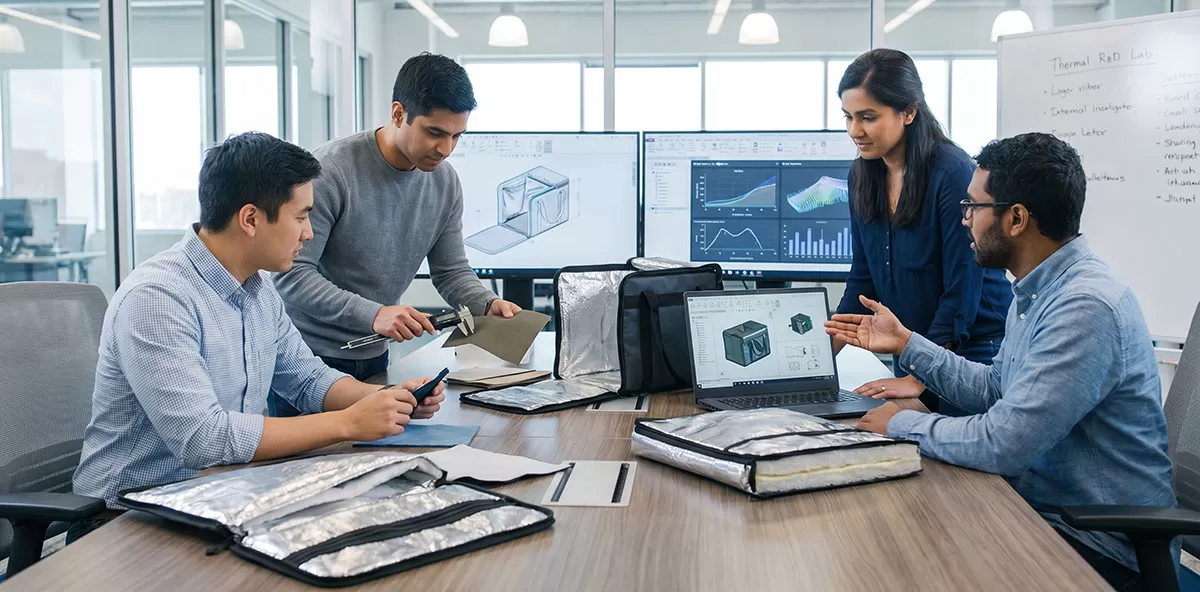
First, you must define if a supplier fits your specific business model. Are you looking for a pure contract manufacturer, or do you need product development support? Categorizing your potential bag Vietnam Factory early prevents development bottlenecks later.
If you run an OEM (Original Equipment Manufacturer) model, focus heavily on execution. Examine how they translate your tech packs into working samples.
Pattern-making accuracy: Check if their sample makers interpret structural design drawings correctly.
Sample room response time: Observe how quickly they source mock-up fabrics and construct prototypes.
Equipment in the sample room: Ensure they have dedicated machines for quick prototyping rather than disrupting bulk production.
If you run an ODM (Original Design Manufacturer) model, evaluate their creative inputs. You want a factory that contributes to the product's value.
In-house design team: Check if they offer a catalog of pre-designed styles that you can private label.
Material library: Look for a well-stocked room showing the latest fabrics, zippers, and trims.
Eco-friendly options: Ask if they proactively source sustainable fabrics like GRS-certified RPET.
Step 2: Inspect Production Equipment and Craftsmanship
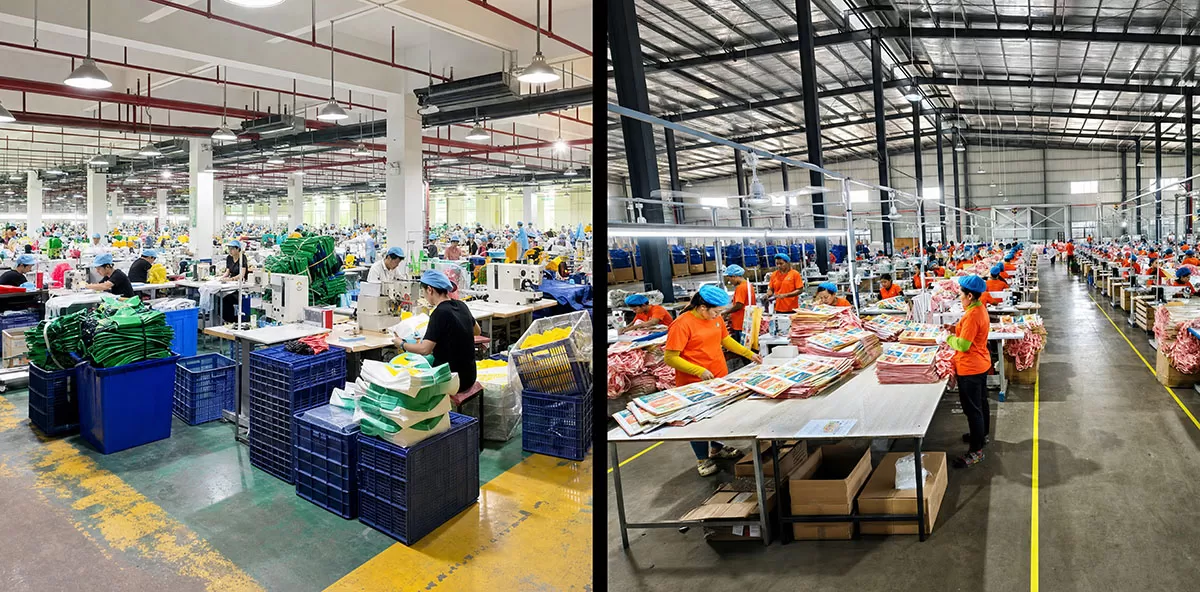
High-end bags and technical backpacks require specialized machinery. A basic sewing shop cannot handle complex laminations or heavy-duty load-bearing seams. Walk the factory floor and look closely at the machine tags to verify their capabilities.
A quality-driven bag Vietnam Factory invests in modern automation to reduce human error. Look for specific machinery that improves stitching consistency.
Programmable sewing machines: Essential for consistent stitching on logos, velcro patches, and structural webbing.
Automatic fabric cutting machines: Ensure highly precise fabric panel cuts and minimize material waste.
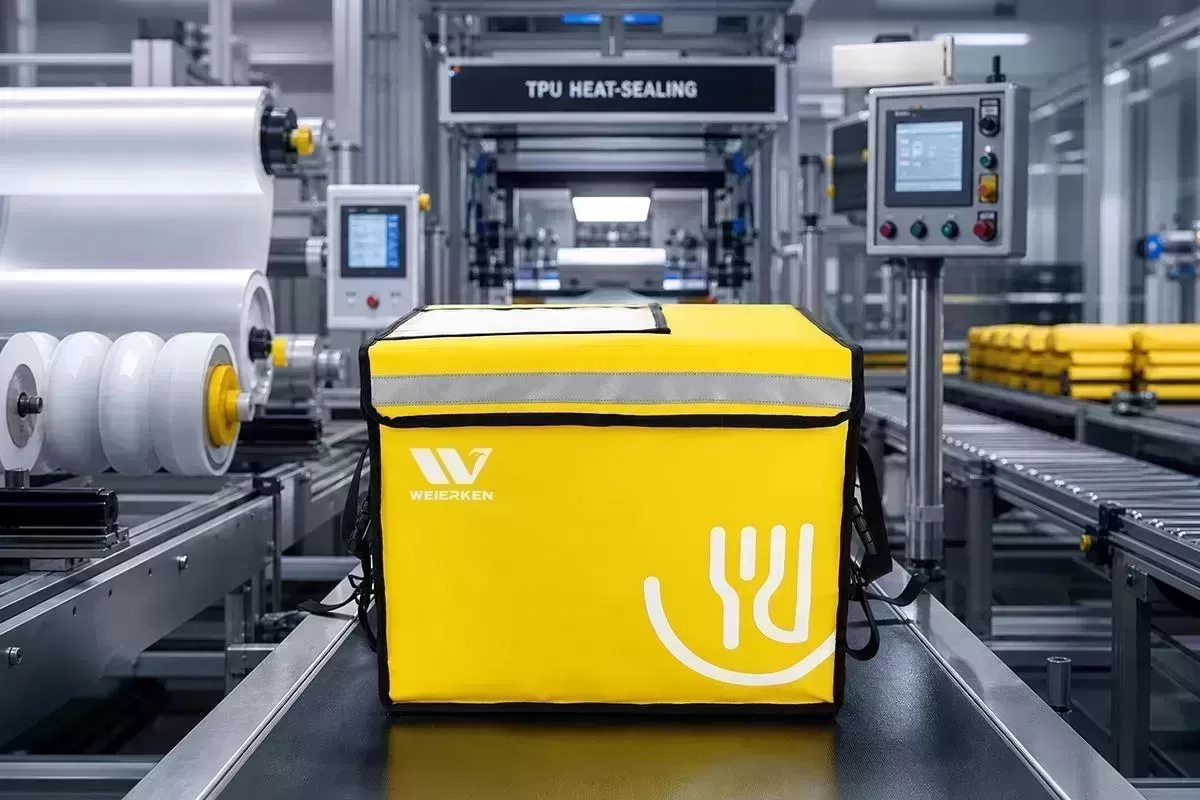
Hot-press bonding equipment: Necessary for seamless, water-resistant zippers and modern technical designs.
Observe the sewing line layout too. Lean manufacturing setups minimize handling damage between workstations. Watch the operators handle complex tasks, like sewing deep lining pockets or binding curves. Smooth, continuous movements show a well-trained workforce.
Step 3: Audit Quality Management System (QMS) and Testing Processes
Quality is the foundation of long-term B2B relationships. When auditing a bag Vietnam Factory, examine if their QC claims match floor practices. Ask to see their written QMS manual and check if their QC staff actually follow it.
Weierken recommends tracking a single batch of fabric from arrival to final packaging. Make sure check points are active at every stage.
Incoming Quality Control (IQC): Verify how they inspect raw materials for colorfastness and tensile strength before cutting.
In-Process Quality Control (IPQC): Are there QC check stations after critical sewing operations?
Final Quality Control (FQC): Do they inspect finished bags using standard Acceptable Quality Level (AQL) criteria?
Physical testing laboratory: Verify if they have on-site machines for zipper cycle tests, fabric abrasion tests, and load-bearing tests.
A factory with its own physical testing lab saves weeks of delay. It allows for quick troubleshooting without waiting for third-party labs.
Step 4: Evaluate Supply Chain Integration and Raw Material Lead Times
Vietnam offers excellent assembly labor and infrastructure. However, the local supply chain is still growing. Many high-quality accessories, specialized coatings, and zippers still come from other manufacturing regions.
Understanding how a bag Vietnam Factory manages imported materials is crucial for planning your delivery dates. Ask about their import procedures.
Import customs clearance: Ask if the factory has an in-house customs team to avoid port delays.
Lead time buffer: Verify how they plan material delivery schedules to absorb shipping delays.
Local sourcing depth: Check their network for local packaging materials, cartons, standard webbing, and polybags to keep costs down.
A resilient bag supply chain requires a factory that communicates proactively. If they rely heavily on imported materials, their logistics planning must be highly organized to prevent line downtime.
Step 5: Review Compliance, Social Responsibility, and Factory Capacity
International brands face strict compliance standards. Major retailers in North America and Europe will not purchase from factories that fail basic human rights or environmental checks. Make compliance a non-negotiable part of your audit.
Review their certifications and capacity schedules during your physical visit.
Social compliance audit: Verify valid certifications such as BSCI, SMETA (Sedex), WRAP, or SA8000.
Environmental safety: Check how they handle waste fabric, wastewater, and chemical adhesives.
GRS certification: Ensure the factory can provide official transaction certificates if you market your products as recycled.
Capacity and MOQ: Confirm their monthly output, minimum order quantity (MOQ) per style, and how they allocate lines during peak seasons.
Secure Your Bag Sourcing Strategy in Vietnam
Auditing a bag Vietnam Factory takes time, but it protects your brand from costly defects and production delays. By focusing on design capabilities, machinery, QA systems, supply chains, and compliance, you can find a reliable partner.
As a trusted industry player, weierken helps brands navigate global sourcing challenges. We understand the balance of cost, quality, and compliance required to build reliable products. We work closely with our partners to ensure consistent delivery.
Are you planning to shift or expand your bag production? Contact our sourcing experts today to discuss your project requirements, request a sample, or get a detailed manufacturing quote.
Frequently Asked Questions
1. Why do many bag factories in Vietnam still import raw materials?
While Vietnam's sewing capabilities are excellent, raw fabric mills and specialized hardware production are still concentrated in neighboring regions. Local supply chains are improving, but importing remains necessary for high-technical bags.
2. What is the standard Acceptable Quality Level (AQL) for bag manufacturing?
Most international brands use AQL 1.5 for major defects and AQL 4.0 for minor defects. High-end brands may require stricter standards like AQL 1.0/2.5 depending on the retail price point.
3. How long does it take to get samples from a bag Vietnam Factory?
For standard designs (OEM), sample turnaround typically takes 7 to 14 days, assuming materials are in stock. Custom-molded parts or custom-dyed fabrics can extend this to 30 days.
4. Are BSCI and SMETA certifications mandatory for importing bags into the EU or US?
While not always legally mandated for customs clearance, most major Western retailers require these social compliance audits before they allow your products on their shelves.
5. What is the typical MOQ for a bag Vietnam Factory?
The MOQ usually ranges from 500 to 1,000 pieces per style/color. This is often dictated by the minimum dye run of the raw fabric mills rather than the sewing factory's limits.
6. How can I verify if a factory has genuine GRS certification?
Ask the factory for their GRS Scope Certificate (SC). You can verify its validity on the Textile Exchange database to ensure they are authorized to produce sustainable products.